The 500-Calorie Breakfast vs the 500-Calorie Shake: Which One Makes More Sense for a Hardgainer?
Two hard gainers, same calorie target, same goal, completely different mornings. One is standing at the stove making parathas with peanut butter and a glass of milk, easily twenty minutes before he's out the door. The other has a shaker bottle mixed and finished before he's even put his shoes on. Both are getting roughly 500 calories in. The question worth actually answering isn't which one is "better" in the abstract - it's which one gets used consistently, and what each one is quietly doing differently at the exact same calorie count.
This is a genuine trade-off, not a case where one option is objectively correct and the other is a shortcut. Here's what 500 calories from real food and 500 calories from a shake actually deliver, side by side.
Why This Comparison Matters More Than It Sounds
For a hardgainer, breakfast is often the single hardest meal of the day to hit consistently. Mornings are rushed, appetite is naturally lower right after waking, and the option that takes longer to prepare is also the one most likely to get skipped entirely on a bad day. That makes this less of a nutrition debate and more of a practical one: which version of 500 calories are you actually going to eat most mornings, not just on the days you have time to cook.
Myths Worth Dropping
| Myth | Reality |
|---|---|
| A shake is always the lazy option compared to real food | A shake consumed consistently every morning beats a "better" breakfast that gets skipped three days a week |
| Whole food always digests better than a shake | Individual tolerance varies - some people find a liquid shake easier on the stomach first thing in the morning, others find whole food more satisfying |
| 500 calories is 500 calories regardless of source | The source changes satiety, micronutrient content, and how the rest of your day's eating responds to it |
| Shakes provide no real nutrition beyond calories and protein | A well-formulated shake can include meaningful micronutrients, though whole food generally offers broader micronutrient diversity |
| You have to choose one option permanently | Most hard gainers do best alternating based on the day - a proper breakfast when time allows, a shake when it doesn't |
What a 500-Calorie Whole-Food Breakfast Actually Delivers
A breakfast built around parathas or eggs with peanut butter, or poha with nuts and a glass of milk, brings genuine micronutrient diversity alongside the calories - fibre, a broader range of vitamins and minerals, and a food matrix that tends to produce steadier, more sustained fullness through the late morning. The chewing and digestion process itself also has a mild additional calorie cost compared to a liquid.
The trade-off is time and, for some people, morning appetite. Five hundred calories of solid food first thing after waking can feel like a lot to physically eat, particularly for someone who's never been a big breakfast eater. It also requires prep, which is exactly the step that gets skipped when the morning is rushed.
What a 500-Calorie Shake Actually Delivers
A shake gets the calorie and protein target hit in the time it takes to mix and drink it - genuinely useful on the mornings where cooking simply isn't happening. It's also easier to consume in volume for people who struggle with solid food appetite early in the day, since liquid calories tend to feel less physically filling than the same calories from solid food.
What it doesn't replicate is the broader micronutrient spread of a varied whole-food plate, and it tends to produce less sustained fullness than the same calories eaten as solid food - meaning hunger can return sooner, which for a hardgainer trying to hit a surplus isn't necessarily a bad thing, but is worth knowing.
Head-to-Head Comparison
| Factor | 500-Calorie Breakfast | 500-Calorie Shake |
|---|---|---|
| Prep time | Requires cooking or assembly | Ready in under a minute |
| Micronutrient diversity | Higher | Narrower, depends on formulation |
| Satiety | Generally more sustained | Often lower, hunger returns sooner |
| Consistency on rushed mornings | Lower - easy to skip | Higher - hard to skip |
| Ease of eating a large volume early in the day | Can feel heavy for some people | Easier for those with low morning appetite |
| Cost per serving | Varies, often comparable | Varies, often comparable |
| Best for | Mornings with time to prepare | Mornings without |
The Honest Answer for Most Hard Gainers
For someone genuinely struggling to hit a calorie surplus, the version of breakfast that actually happens most mornings beats the theoretically superior one that only happens on weekends. If cooking a proper breakfast most days is realistic for your schedule, it's the stronger nutritional choice on paper. If mornings are consistently rushed, a shake that actually gets consumed every single day is doing more for your surplus than a better breakfast eaten half the time.
The strongest approach for most people isn't picking one permanently - it's using whole food on the days that allow for it and a shake as the reliable fallback on the days that don't, so the calorie target gets hit either way rather than depending entirely on how the morning goes.
Common Mistakes People Make
- Treating this as a moral choice between "clean" food and a "shortcut" shake rather than a practical calorie-consistency decision
- Choosing whichever option sounds better in theory and then not actually following through with it on busy mornings
- Assuming a shake alone, day after day, provides the same micronutrient range as a varied breakfast plate
- Skipping breakfast entirely on rushed mornings instead of defaulting to the faster option
- Not adjusting shake volume or breakfast portion size as bodyweight and calorie needs increase over time
How Muscle Reign Fits Into This
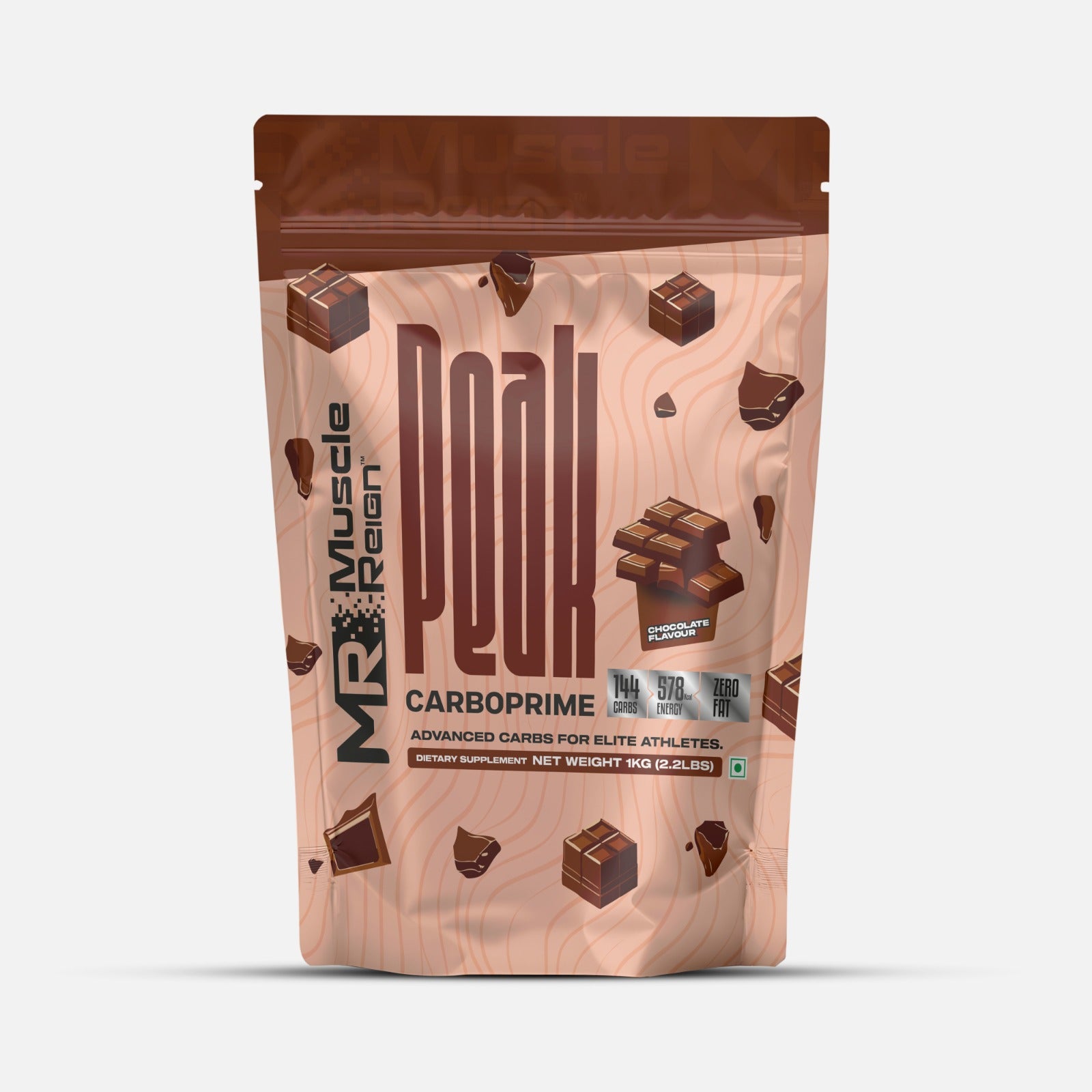
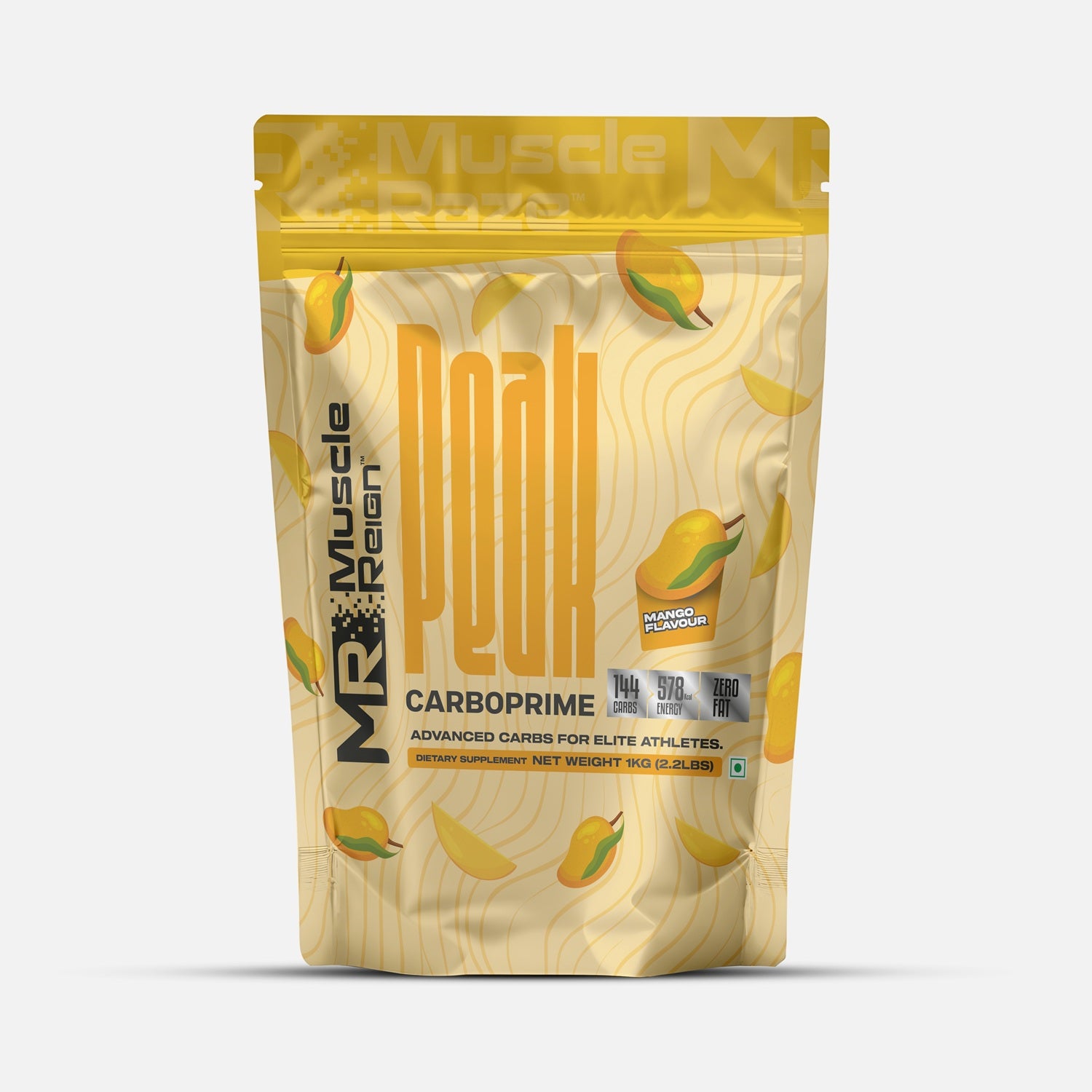
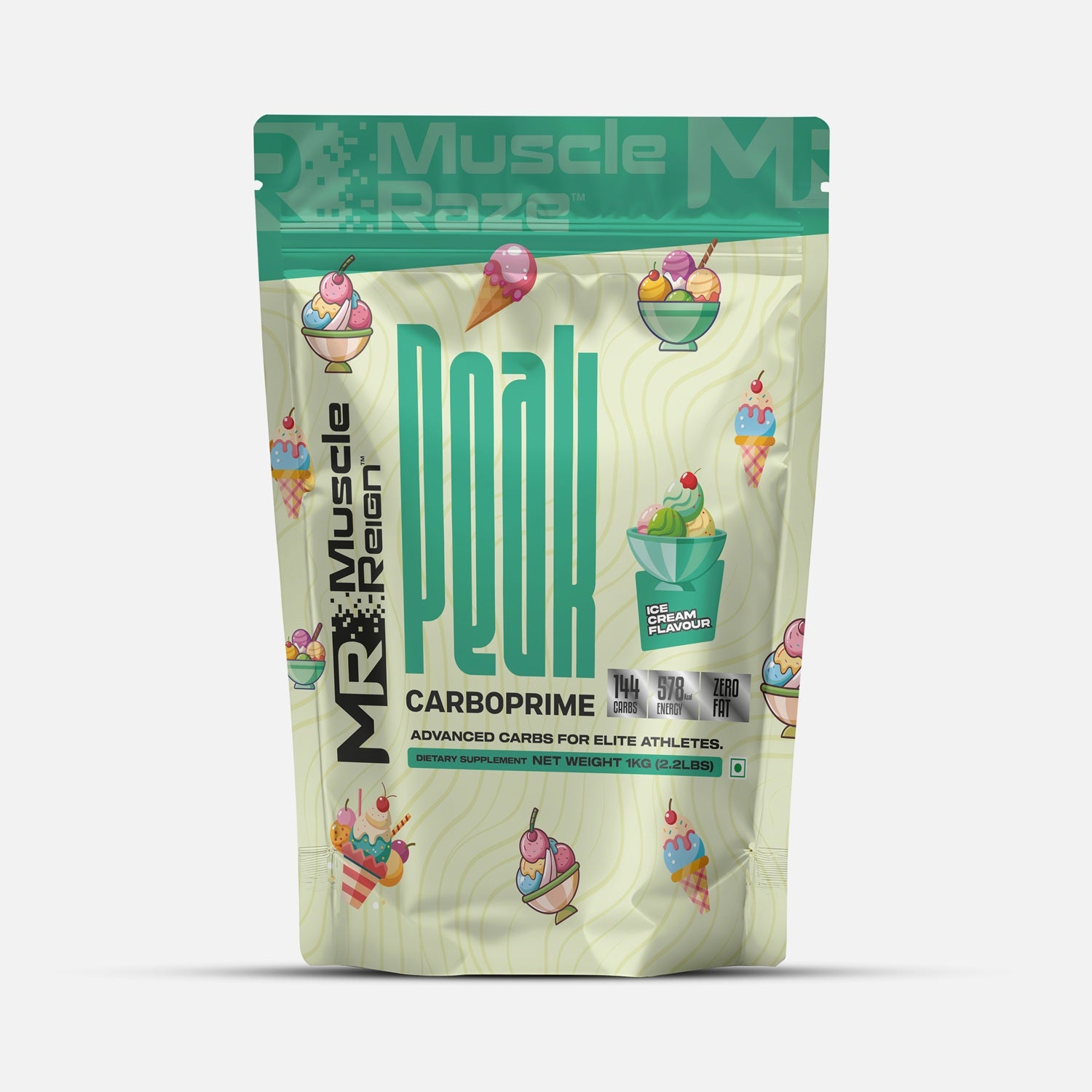
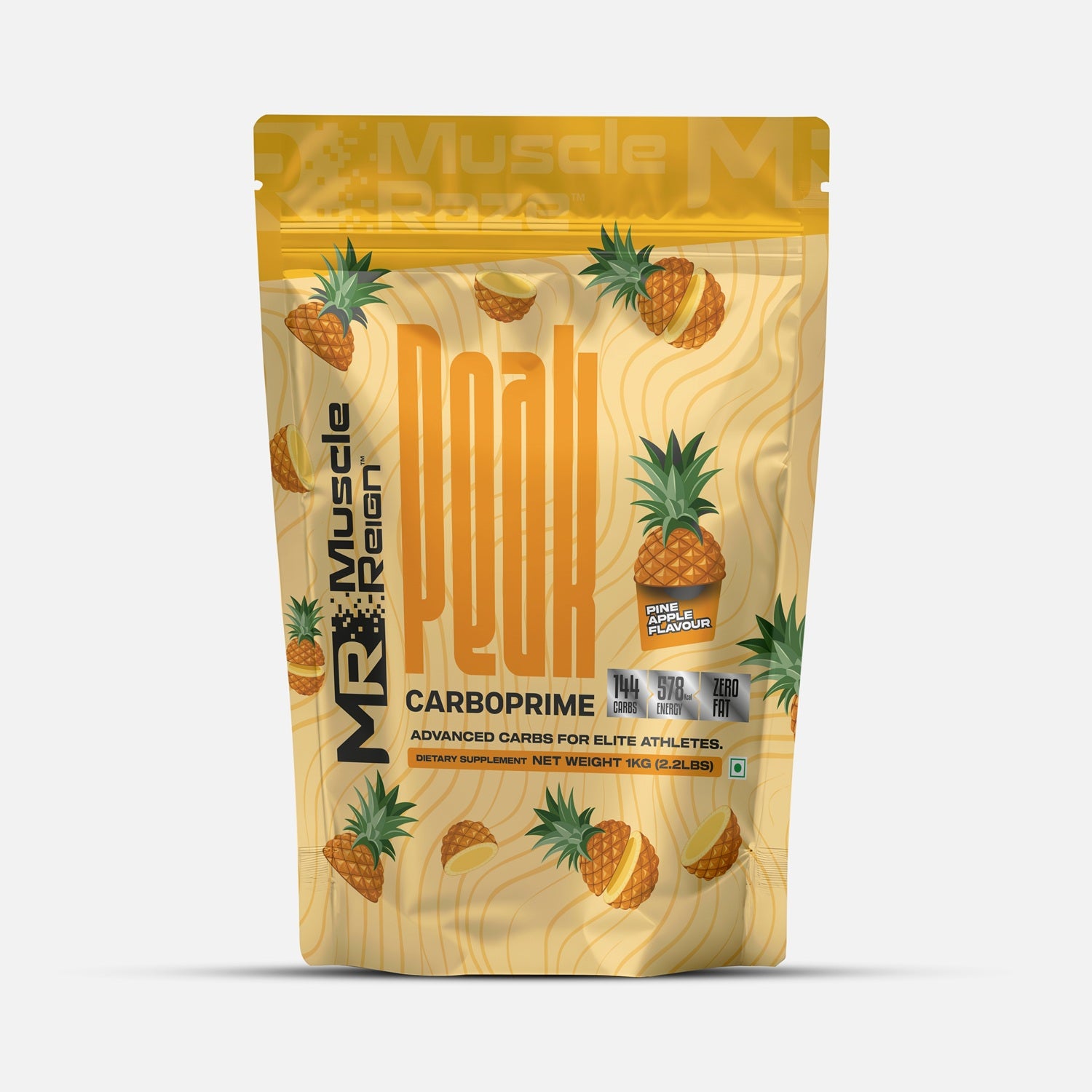
On the mornings where cooking genuinely isn't happening, Peak Prime Bulk mixed with full-fat milk delivers a calorie-dense, protein-forward option in the time it takes to shake a bottle - closing the exact gap that a skipped breakfast leaves in a hardgainer's daily surplus. It's not framed as superior to a real breakfast; it's the reliable option for the mornings where the real breakfast wasn't going to happen anyway.
On mornings with time to spare, a proper plate - eggs, parathas, peanut butter, a glass of milk - remains the stronger nutritional choice, and there's no reason to replace it with a shake just because one is available.
Considerations
Anyone relying heavily on shakes as a majority of daily calories over an extended period should be mindful of overall dietary variety and micronutrient intake, and may benefit from speaking with a nutritionist to ensure the rest of the day's meals cover what a liquid-heavy breakfast doesn't. Those with digestive sensitivity to dairy-based shakes should consider how that affects tolerance first thing in the morning specifically.
Frequently Asked Questions
For pure calorie surplus purposes, yes - both contribute the same total calories toward your daily target. The difference shows up in satiety, micronutrient range, and how consistently each one actually gets consumed.
Whole food generally produces more sustained fullness than an equivalent-calorie shake, though for a hardgainer specifically, hunger returning sooner isn't necessarily a downside if it means eating more later.
Not necessarily. Many hard gainers do better alternating - a full breakfast on days with time, a shake on rushed mornings - so the calorie target gets hit consistently either way.
Occasional or frequent shake breakfasts aren't inherently a problem, but relying on them almost exclusively over a long period is worth balancing against overall dietary variety across the rest of the day.
Generally yes, which is part of why hunger can return sooner after a shake compared to an equivalent-calorie solid meal.
Two to three parathas with a spoon of peanut butter, or eggs with toast and a glass of full-fat milk, both land in a similar range depending on portion size.
Adding oats, a banana, or peanut butter to a shake increases both fibre and thickness, which can improve satiety somewhat, though it won't fully replicate a solid meal's fullness.
A shake is often easier to get through for people who struggle to eat a large solid meal shortly after waking, since liquid calories tend to feel less physically heavy.
Both approaches support a surplus equally well as long as adequate protein is included; the difference lies more in sustained energy and micronutrient variety than in muscle-building potential itself.
A shake is the more realistic fallback here specifically because it requires almost no prep time, making it the more consistent option when a proper breakfast isn't feasible on a regular basis.
The Honest Answer
At an identical calorie count, neither option wins outright - they trade off in different, genuinely useful ways. Whole food brings broader nutrition and steadier fullness; a shake brings speed and consistency on the mornings that matter most for a hardgainer, which are usually the rushed ones. The right answer for most people isn't picking a side - it's using whichever one you'll actually finish that morning, because the 500 calories you skip entirely help your surplus a lot less than either one you actually drink or eat.
Ready to Make Sure Breakfast Actually Happens?
For the mornings a full breakfast isn't realistic, explore Muscle Reign's Peak Prime Bulk at www.musclereign.com and stop letting a rushed morning cost you the calories your surplus depends on.