Home Workouts vs Gym Workouts: Which One Actually Builds More Muscle?
If you've ever stood in your Noida apartment at 7 PM, staring at a yoga mat and a pair of resistance bands, wondering if skipping the gym commute is sabotaging your gains — you're not alone. The home workouts vs gym workouts debate has become one of the most searched fitness questions in India, especially among desk-job professionals squeezing training into a 45-minute window between office and dinner.
The honest answer isn't "gym wins" or "home wins." It's about which variables you can control in each environment — and how consistently you apply them. This guide breaks down the science of muscle growth, compares both setups objectively, and helps you build a routine that actually delivers results, whether you're training in a PG room in Gurgaon or a fully-equipped gym in Bengaluru.
What Is Muscle Hypertrophy, and Why Does the Setting Matter Less Than You Think?
Muscle hypertrophy is the increase in muscle fiber size that occurs when muscles repair after being subjected to mechanical tension, metabolic stress, and muscle damage. This happens through a process called muscle protein synthesis, where your body repairs and rebuilds muscle tissue stronger than before.
The key trigger for hypertrophy isn't where you train — it's progressive overload: gradually increasing the demand placed on your muscles over time, whether through added weight, added reps, slower tempo, or reduced rest.
This single principle explains why both home and gym workouts can build muscle — and why either can fail without it.
Why It Matters: The Science Behind Muscle Growth
Research published through the International Society of Sports Nutrition confirms that hypertrophy depends primarily on three factors:
- Mechanical tension — how much resistance a muscle experiences
- Training volume — total sets x reps x load over time
- Consistency — training frequency sustained over weeks and months
A well-designed bodyweight program using resistance bands and tempo manipulation can generate meaningful mechanical tension — especially for beginners and early intermediates. However, as strength increases, external load such as dumbbells, barbells, and machines becomes increasingly important to keep progressing, because bodyweight training has a natural ceiling for advanced lifters.
Benefits: Home Workouts vs Gym Workouts
Home Workout Benefits
- Zero commute time — ideal for Delhi-NCR professionals losing 1-2 hours daily to traffic
- Lower cost — no membership fees; one-time investment in bands or adjustable dumbbells
- Privacy and comfort — beginners often train harder without gym-intimidation
- Flexibility — train at 6 AM or 11 PM without depending on gym hours
- Great for maintaining consistency during monsoon season or WFH weeks
Gym Workout Benefits
- Access to progressive equipment — barbells, cable machines, plate-loaded stations
- Higher ceiling for strength progression — critical past the first 6-12 months
- Social accountability — training partners and trainers boost adherence
- Specialized machines for isolating stubborn muscle groups such as lagging calves and rear delts
- Structured environment that reduces decision fatigue around exercise selection
Common Myths About Home and Gym Training
| Myth | Reality |
|---|---|
| You can't build real muscle without weights | Bodyweight training with progressive difficulty such as archer push-ups and pistol squats builds significant muscle, especially for beginners |
| Gym training is always superior | Superior only when progressive overload is applied consistently; an inconsistent gym-goer loses to a consistent home trainer |
| Home workouts are only for weight loss | Structured home resistance training builds muscle effectively, particularly in the first 12-18 months of training |
| You need 90 minutes in the gym to see results | 45-50 minutes of focused, high-intent training outperforms 90 minutes of distracted training |
| Resistance bands aren't "real" resistance | Bands provide variable resistance that increases through the range of motion, effectively challenging muscles differently than free weights |
Who Should Consider Each Option?
Home Workouts Are Ideal For:
- Complete beginners building the mind-muscle connection
- Professionals with unpredictable schedules such as frequent travel or night shifts
- Women new to strength training who prefer private spaces initially
- Anyone in Tier-2 or Tier-3 cities without access to quality gyms
Gym Workouts Are Ideal For:
- Intermediate to advanced lifters needing heavier progressive loads
- Bodybuilders targeting specific muscle isolation
- Athletes requiring sport-specific strength equipment
- Anyone who thrives on structured environments and social accountability
Many experienced trainees in Mumbai and Bengaluru actually use a hybrid approach — gym sessions 3-4 days a week, home bodyweight or band sessions on travel days or when gyms are inaccessible.
How to Train Correctly in Either Setting
Timing and Frequency
- Train each major muscle group 2x per week minimum for optimal growth
- Allow 48 hours recovery before retraining the same muscle group
- Morning training, 6-7 AM, suits those beating Delhi Metro rush hours
- Evening training, 7-8 PM, works for post-office training
Recommended Structure
- Beginners: Full-body training, 3x/week, whether home or gym
- Intermediate: Upper/lower split, 4x/week
- Advanced: Push/pull/legs split, 5-6x/week, typically requiring gym access for adequate volume
Common Mistakes at Home
- Not progressing difficulty, such as using the same push-up variation for 6 months
- Skipping direct back and posterior chain training
- Underestimating rep ranges — using bands for only 8-10 reps instead of pushing to 15-20+
Common Mistakes at the Gym
- Chasing weight increases without proper form
- Program-hopping every 2 weeks, preventing progressive overload tracking
- Neglecting mobility and warm-up, increasing injury risk
Home Workout vs Gym Workout: Direct Comparison
| Factor | Home Workout | Gym Workout |
|---|---|---|
| Cost | Low, one-time equipment | Recurring membership |
| Equipment ceiling | Limited, bands and adjustable dumbbells | High, barbells, machines, plates |
| Convenience | Very high | Moderate, commute-dependent |
| Beginner-friendliness | High | Moderate, due to intimidation factor |
| Long-term strength ceiling | Moderate | High |
| Social accountability | Low | High |
| Best for | First 6-12 months, travel days | Ongoing progressive strength |
How Muscle Reign Supports Your Goals
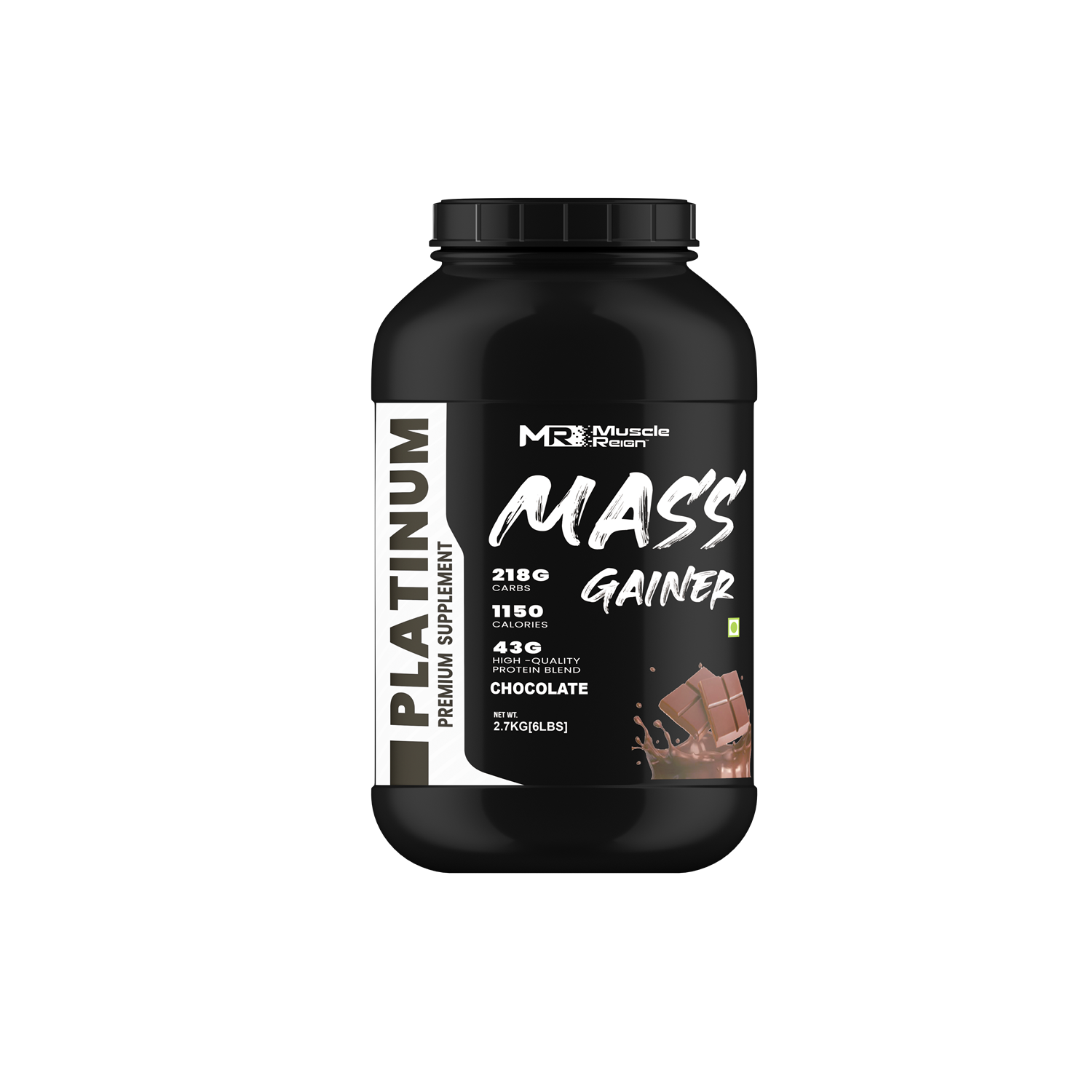
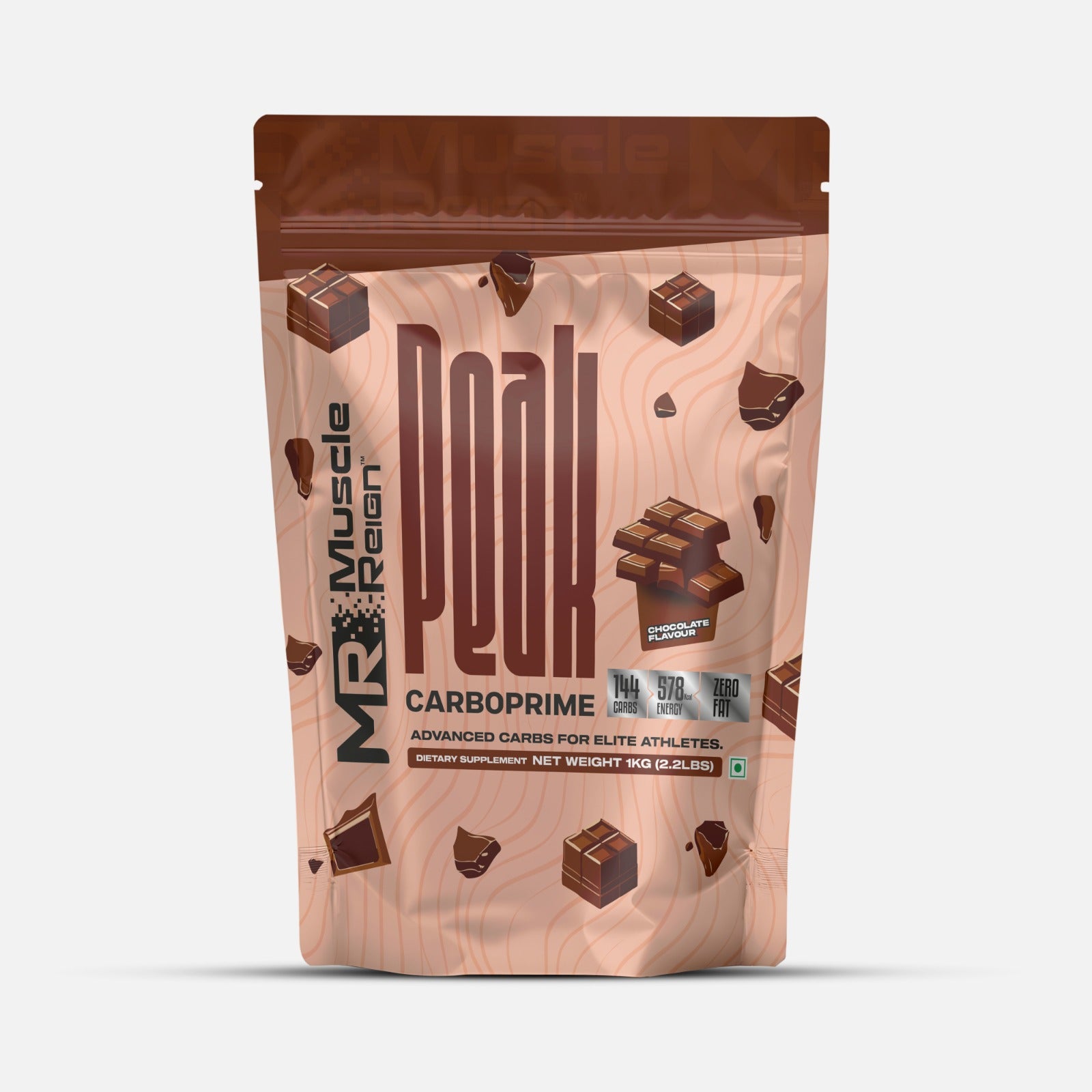
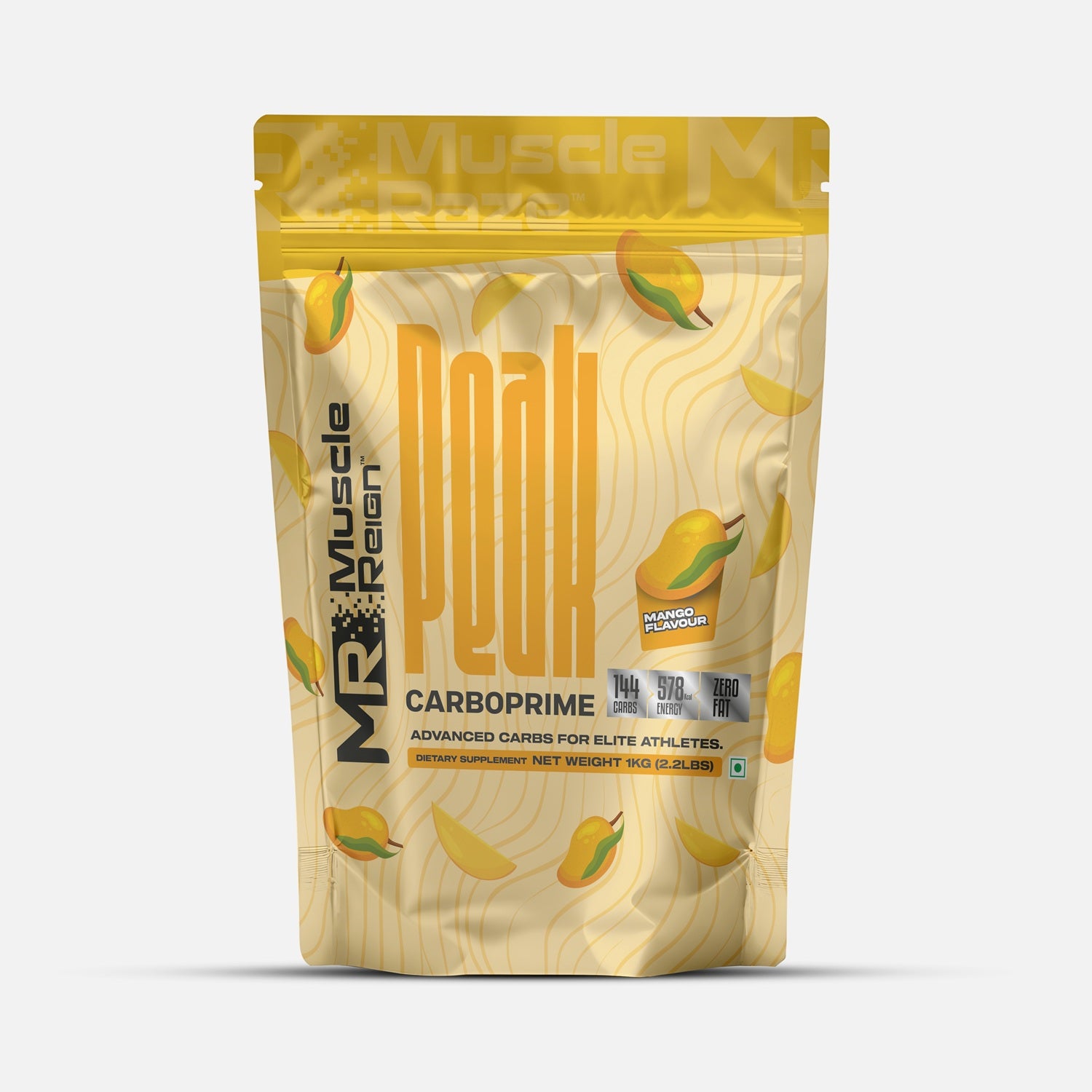
Whether you're training with resistance bands in your living room or loading a barbell at the gym, muscle recovery and protein intake remain the deciding factor in results. Muscle Reign's Peak Series Whey Concentrate and Core Whey Protein help you hit daily protein targets that are often difficult to achieve through Indian diets alone — especially on busy weekdays when dal-chawal and roti-sabzi don't always add up to your requirement.
For home trainees relying on bodyweight and band work, Creatine Monohydrate supports strength output across higher training volumes, while EAA+Lyte helps maintain training intensity during longer or more frequent home sessions. For gym-based lifters pushing heavier progressive loads, Peak Hell Pre-Workout supports focus and output during compound lifts.
Supplementation doesn't replace training environment or consistency — it simply removes nutritional gaps that limit recovery, regardless of where you train.
Common Mistakes People Make Regardless of Setting
- Switching workout styles too frequently — give any program 8-12 weeks before judging results
- Ignoring protein intake — most Indian diets fall short of the 1.6-2.2g/kg bodyweight range needed for muscle growth
- Comparing Day 1 photos to Instagram influencers' Year 3 photos
- Skipping sleep — muscle repair happens primarily during 7-9 hours of quality sleep
- Training without progression tracking — log your reps, sets, and weights/resistance levels
Possible Side Effects and When to See a Professional
Both home and gym training carry standard exercise-related risks: muscle soreness, minor strains, or overuse injuries when form is compromised or progression is rushed. Beginners with pre-existing joint issues, cardiovascular conditions, or those returning after injury should consult a physiotherapist or physician before starting either program. Sharp joint pain, persistent dizziness, or chest discomfort during exercise warrants immediate medical attention.
Frequently Asked Questions
Can you build muscle with just bodyweight exercises at home?
Yes, especially for beginners and early intermediates. Bodyweight training using progressive variations such as decline push-ups, pistol squat progressions, and resistance band rows can generate sufficient mechanical tension for hypertrophy. Advanced lifters eventually need external load to keep progressing.
Is gym training necessary for serious muscle gain?
Not necessary, but advantageous long-term. Gyms provide access to heavier, more variable loads through barbells and machines, which becomes important once bodyweight resistance alone can no longer challenge your muscles adequately.
How many days a week should I train to build muscle?
Most research supports training each muscle group at least twice weekly. A 3-4 day full-body or upper/lower split works well for both home and gym settings, depending on your recovery capacity and schedule.
Do resistance bands work as well as dumbbells?
Resistance bands provide effective variable resistance, particularly for beginners and intermediate lifters. They're excellent for maintaining consistency but have a lower strength ceiling compared to adjustable dumbbells or barbells for advanced trainees.
How much protein do I need daily to build muscle?
General recommendations range from 1.6-2.2g of protein per kg of bodyweight daily, according to sports nutrition research. Most Indian diets require supplementation through whey protein to consistently hit this target.
Can I lose fat and build muscle at the same time with home workouts?
Body recomposition is possible, particularly for beginners, through a combination of resistance training and a moderate calorie deficit with adequate protein intake. Results vary based on training experience, consistency, and starting body composition.
Is 30 minutes of home workout enough to build muscle?
Yes, if the session is focused and includes progressive difficulty. Quality and intensity matter more than duration — a focused 30-40 minute session with proper progression outperforms a distracted 90-minute session.
Do I need a gym membership to get strong, or can I get strong at home?
You can build meaningful strength at home using bands, adjustable dumbbells, and bodyweight progressions, particularly during the first 12-18 months of training. Long-term strength athletes typically require gym access for continued progressive overload.
What's the biggest mistake beginners make when choosing between home and gym workouts?
Overthinking the choice instead of starting. Consistency in either setting outperforms an inconsistent "perfect" program. Choose the option you're more likely to stick with for the next 6-12 months.
How long before I see visible muscle growth?
Most trainees notice visible changes within 8-12 weeks of consistent training and adequate nutrition, though initial strength gains often appear within 2-4 weeks due to neurological adaptations before visible hypertrophy occurs.
Can women build muscle effectively with home workouts?
Yes. Muscle-building principles such as progressive overload, adequate protein, and consistency apply identically regardless of gender. Home training is often a comfortable entry point for women new to strength training before transitioning to gym environments if desired.
Should beginners start at home or join a gym directly?
Either works, depending on personal comfort and budget. Home training helps beginners build confidence and basic movement patterns; gym training offers structured equipment access and professional guidance from day one.
Do I need creatine if I train at home?
Creatine monohydrate supports strength and power output regardless of training environment. It's equally effective for home-based resistance training and gym-based weightlifting.
Can I switch between home and gym workouts without losing progress?
Yes, as long as training principles such as progressive overload, adequate volume, and consistency are maintained. Many hybrid trainees successfully alternate between both settings based on schedule and travel.
What equipment is the minimum needed for effective home muscle-building workouts?
A quality resistance band set and adjustable dumbbells cover most muscle groups effectively. Adding a pull-up bar significantly expands back and bicep training options.
Conclusion
The home workouts vs gym workouts debate ultimately comes down to which environment you can train in consistently while applying progressive overload. Gyms offer a higher long-term strength ceiling through equipment access, while home training offers unmatched convenience and is highly effective, especially for beginners and early intermediates.
The honest answer: your muscles respond to consistent mechanical tension and adequate protein intake — not the postal code of where you train.
Ready to Fuel Your Training?
Whether you're training with a barbell at the gym or resistance bands in your living room, your results depend on what happens after the workout — recovery, nutrition, and consistency. Explore Muscle Reign's science-backed protein and performance range at www.musclereign.com and give your training the recovery support it deserves.