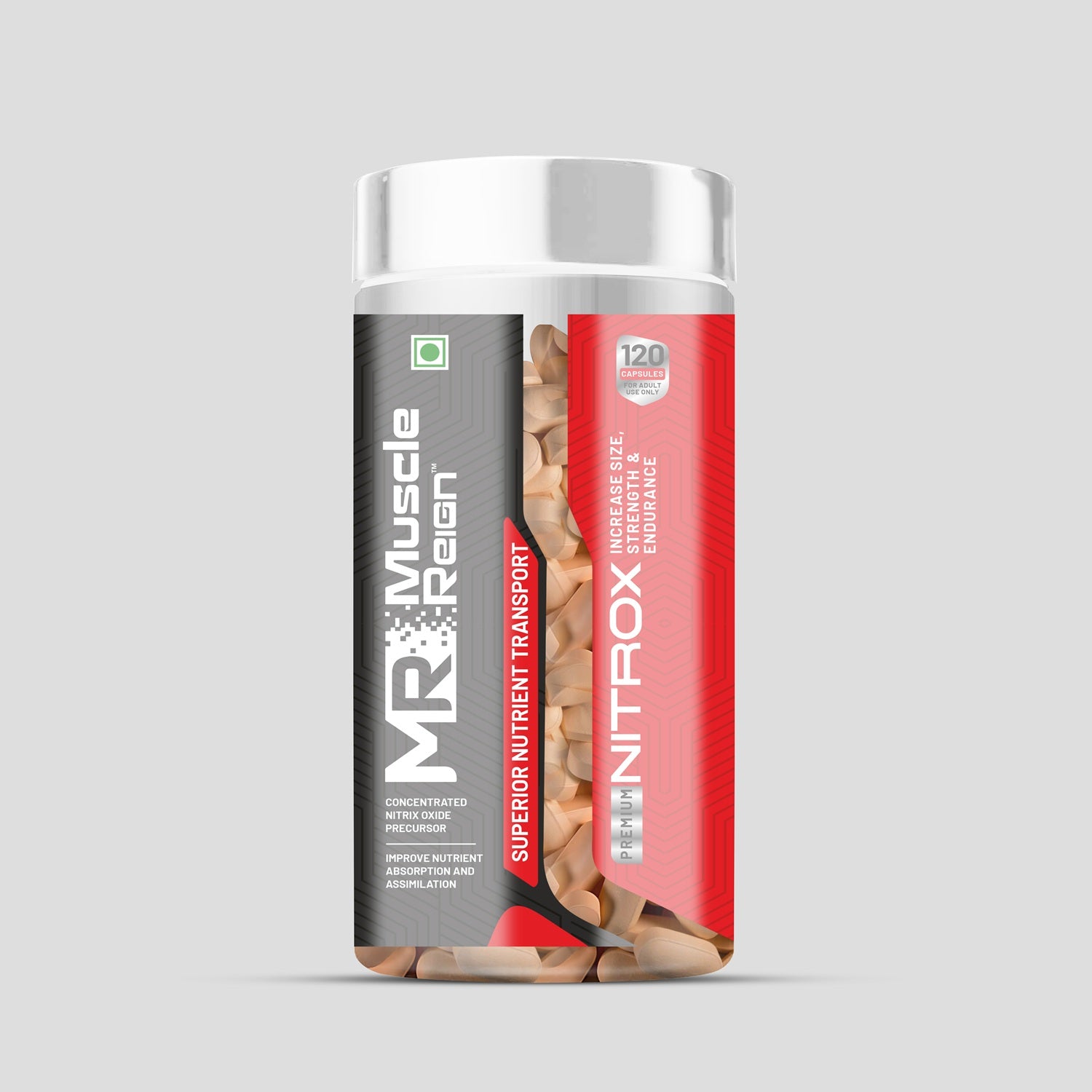
Beginner's Guide to Sports Nutrition Supplements: Everything You Need to Know
Your first visit to a supplement store—or your first scroll through a fitness app's "recommended products"—can feel like walking into a foreign language exam. Whey, isolate, BCAA, EAA, creatine, pre-workout, mass gainer. What do you actually need, and what's just clever packaging?
This beginner's guide to sports nutrition supplements exists to answer exactly that, without the sales pitch.
Whether you just joined a gym in Gurgaon or started training at home in your Bengaluru apartment, this guide walks through every major supplement category, what it actually does, and who genuinely needs it—so your first purchase is based on facts, not FOMO.
What Are Sports Nutrition Supplements?
Sports nutrition supplements are products designed to complement your diet and training—not replace either. They exist to close specific nutritional gaps (like inadequate protein intake) or support specific performance goals (like strength output or recovery). No supplement builds muscle or improves performance on its own; they work alongside consistent training and adequate whole-food nutrition.
Why It Matters: The Role of Supplements in a Fitness Routine
Research from the International Society of Sports Nutrition confirms that while whole foods should form the foundation of any nutrition plan, supplements can meaningfully support training outcomes when they address a genuine gap—most commonly, insufficient daily protein intake, which is common across many Indian diets built around dal-chawal, roti-sabzi, and similar staples.
Understanding which gap you're addressing is the difference between a supplement that helps and one that's simply an expensive add-on.
The Main Categories of Sports Nutrition Supplements
1. Protein Powders (Whey Protein, Isolate)
The most foundational supplement category, used to close daily protein gaps for muscle repair and growth. Whey protein is fast-digesting and contains a complete amino acid profile.
2. Creatine Monohydrate
One of the most researched supplements available, supporting strength and power output during resistance training. Effective for both beginners and advanced lifters.
3. Mass Gainers
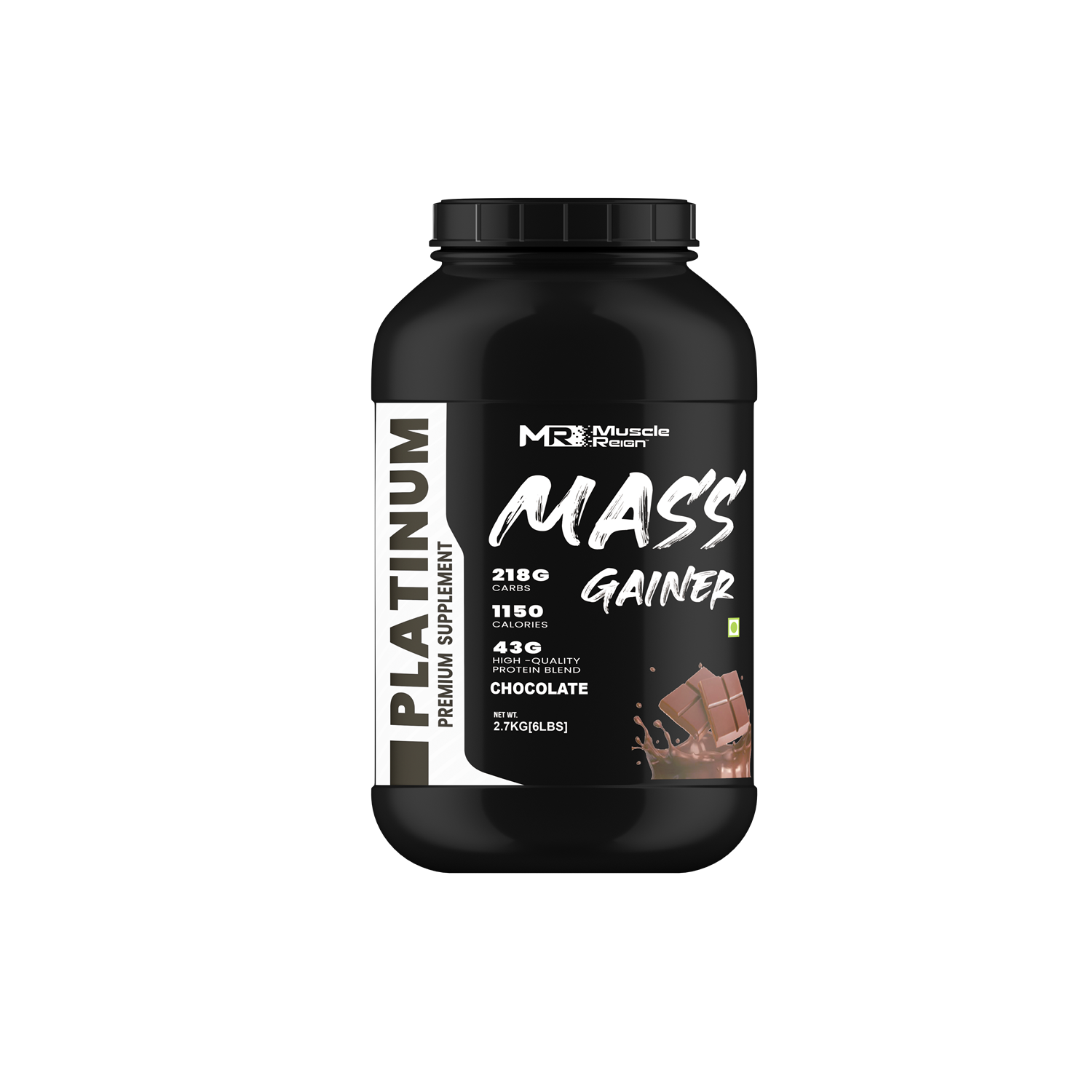
A convenient, calorie-dense option for those struggling to eat enough food to support a calorie surplus for muscle gain.
4. BCAA & EAA
Amino acid supplements often marketed for muscle recovery, though largely redundant if total daily protein intake (via whole foods or whey) is already adequate.
5. Pre-Workout
Formulated to support energy, focus, and training intensity, typically containing caffeine and other performance-supporting ingredients.
6. Multivitamins & Omega-3
Support general micronutrient and essential fatty acid intake, particularly useful for those with limited dietary variety.
7. Electrolytes
Support hydration and mineral balance, particularly relevant during intense training, hot weather, or longer sessions.
Common Myths About Sports Nutrition Supplements
| Myth | Reality |
|---|---|
| Supplements are necessary to see results. | Consistent training and adequate whole-food nutrition drive most results. Supplements simply fill specific gaps. |
| All supplements are equally important. | Protein and creatine have the strongest research support. Many others are optional or situational. |
| Supplements are only for advanced athletes. | Beginners often benefit most from foundational supplements like whey protein. |
| More supplements mean faster results. | Without proper diet and training, additional supplements offer little extra benefit. |
| Protein powder is a chemical. | Whey protein is derived from milk during cheese production and is simply a processed dairy protein. |
Who Should Consider Sports Nutrition Supplements?
Complete Beginners
Often benefit most from whey protein alone to address inadequate daily protein intake.
Intermediate Lifters
May benefit from adding creatine alongside continued protein supplementation.
Those With Limited Diet Variety
Multivitamins and omega-3 can help address nutritional gaps.
Hardgainers
Mass gainers provide an easy way to increase calorie intake consistently.
Endurance Athletes
Electrolytes help maintain hydration during long or high-intensity training sessions.
How to Start Using Supplements Correctly
Step 1: Identify Your Biggest Nutritional Gap
For most beginners, this is protein intake.
Step 2: Start With One Supplement
Begin with whey protein before purchasing multiple products.
Step 3: Add Based on Evidence
Creatine is usually the next supplement worth adding because of its strong scientific support.
Step 4: Review Every 4–6 Weeks
Reassess your goals and determine whether additional supplements are actually needed.
Common Mistakes
- Buying an entire supplement stack immediately.
- Expecting supplements to replace proper sleep and consistent training.
- Choosing products based on marketing instead of ingredient transparency.
- Ignoring total daily protein intake.
Supplement Comparison
| Supplement | Evidence Strength | Need Level |
|---|---|---|
| Whey Protein | Strong | Core |
| Creatine Monohydrate | Strong | Core |
| Multivitamin | Moderate | Situational |
| Omega-3 | Moderate | Situational |
| Mass Gainer | Situational | Optional |
| BCAA / EAA | Weak (if protein intake is adequate) | Optional |
| Pre-Workout | Situational | Optional |
| Electrolytes | Situational | Optional |
How Muscle Reign Supports Your Goals
For beginners taking their first step into sports nutrition, Muscle Reign's Peak Series Whey Concentrate addresses the most common dietary gap with transparent protein-per-scoop information.
As training consistency builds, Creatine Monohydrate becomes a natural second addition supported by decades of scientific research.
For those with limited dietary variety, Nitra Series Multivitamin and Nitra Series Omega-3 support overall nutrition, while Peak Prime Bulk helps hardgainers consistently achieve a calorie surplus.
The right supplement depends on your diet, training stage, and goals—not what's trending on social media.
Common Beginner Mistakes
- Buying every supplement at once.
- Using supplements instead of improving nutrition and training.
- Ignoring whole foods.
- Trusting marketing over ingredient labels.
- Never reviewing supplement needs as goals change.
Possible Side Effects
Most sports nutrition supplements are safe when used correctly. Individuals with kidney disease should consult a healthcare professional before significantly increasing protein or creatine intake. Those with lactose intolerance may prefer whey isolate. Pre-workout supplements containing caffeine should be used cautiously by people sensitive to stimulants or those with cardiovascular conditions.
Frequently Asked Questions
What's the first supplement a beginner should buy?
Whey protein is generally the best first purchase because it addresses the most common nutritional gap—inadequate daily protein intake.
Are supplements necessary to build muscle?
No. Proper training and nutrition build muscle. Supplements simply support those efforts.
Is creatine safe?
Yes. Creatine monohydrate is one of the safest and most researched supplements available.
Do I need BCAA if I already take whey protein?
No. Whey protein already provides the essential amino acids found in BCAA supplements.
What's the difference between whey protein and a mass gainer?
Whey protein mainly provides protein, while mass gainers combine protein with higher calories and carbohydrates.
Should beginners use pre-workout?
Not necessarily. It can improve focus and energy but isn't essential for beginners.
Can I get enough nutrients from food alone?
Yes, if your diet consistently provides enough protein and essential nutrients. Supplements simply make this easier.
Can I take whey protein and creatine together?
Yes. They are commonly used together and complement each other well.
How long before supplements show results?
Supplements support training—they don't produce results by themselves. Consistency is what matters.
Do supplements work without exercise?
No. Supplements cannot replace proper resistance training and balanced nutrition.
Are multivitamins necessary?
Only if your diet lacks sufficient fruits, vegetables, or other micronutrient-rich foods.
What should beginners avoid?
Avoid buying a complete supplement stack immediately or expecting supplements to compensate for poor habits.
The Honest Answer
Sports nutrition supplements aren't shortcuts—they're tools designed to close nutritional gaps. For most beginners, that means starting with whey protein, then adding creatine once training becomes consistent. Everything else depends on your individual goals and diet.
Ready to Build Your Foundation?
Start simple and evidence-based. Explore Muscle Reign's beginner-friendly Whey Protein and Creatine range at www.musclereign.com and build a supplement routine that supports your goals.