Best High-Protein Foods for Muscle Growth (Indian Diet Edition)
Ask any gym-goer in India what's holding back their muscle growth, and the answer is rarely their training—it's their plate. Between dal-chawal, roti-sabzi, and the occasional poha breakfast, most Indian diets are built around carbohydrates, with protein treated as an afterthought.
If you're chasing muscle growth, high-protein foods need to become the foundation of your plate, not a side note.
This guide breaks down the best vegetarian, eggetarian, and non-vegetarian high-protein foods available across India, how much protein they actually deliver, and how to build meals that support consistent muscle growth—without needing to overhaul your entire diet overnight.
What Makes a Food "High-Protein" for Muscle Growth?
A food qualifies as genuinely high-protein when it delivers a meaningful amount of protein relative to its calorie and portion size—not just foods that contain some protein. Muscle growth also depends on protein quality, meaning whether a food provides all nine essential amino acids (complete protein) or is missing some, requiring combination with other foods to form a complete amino acid profile.
Why It Matters: The Science of Protein for Muscle Growth
Research from the International Society of Sports Nutrition confirms that muscle protein synthesis depends on consistent intake of high-quality protein throughout the day, generally around 1.6–2.2g per kg of bodyweight for active individuals.
Animal-based proteins like eggs, chicken, paneer, and dairy are complete proteins, while most plant proteins should be combined (such as dal with rice) to create a complete amino acid profile.
Best Vegetarian High-Protein Foods
| Food | Protein (per 100g) | Notes |
|---|---|---|
| Paneer | 18g | Complete protein, versatile in Indian cooking. |
| Greek Yogurt / Hung Curd | 10g | High protein-to-calorie ratio. |
| Soy Chunks (Dry) | 52g | Excellent complete plant protein. |
| Moong Dal | 24g | Best paired with rice. |
| Chana | 19g | High in fiber and protein. |
| Rajma | 24g | Pairs well with rice. |
| Tofu | 8g | Great for meal variety. |
| Peanuts | 25g | Calorie dense, ideal for bulking. |
Best Non-Vegetarian High-Protein Foods
| Food | Protein (per 100g) | Notes |
|---|---|---|
| Chicken Breast | 31g | Lean complete protein. |
| Whole Eggs | 13g | Complete protein with healthy fats. |
| Egg Whites | 11g | Nearly pure protein. |
| Fish (Rohu / Pomfret) | 20–22g | Rich in omega-3. |
| Mutton | 25g | Higher calorie option. |
| Prawns | 24g | Lean seafood protein. |
Benefits of Prioritizing High-Protein Foods
- Supports muscle protein synthesis.
- Improves satiety.
- Helps preserve muscle during fat loss.
- Provides essential amino acids for recovery.
- Reduces dependence on processed foods.
Common Myths About High-Protein Foods
| Myth | Reality |
|---|---|
| Vegetarians can't build muscle. | Proper food combinations provide complete protein. |
| You must eat meat. | Well-planned vegetarian diets support muscle growth effectively. |
| All proteins are equal. | Complete proteins provide all essential amino acids. |
| More protein always means more muscle. | Protein beyond daily needs doesn't accelerate muscle growth. |
| Protein powder is mandatory. | Whole foods can meet protein targets; supplements simply add convenience. |
Who Should Pay Extra Attention?
Vegetarians & Eggetarians
Combine foods like dal with rice or chana with roti to improve amino acid quality.
People in a Calorie Deficit
Choose lean protein sources such as chicken breast, paneer, egg whites, and Greek yogurt.
People Bulking
Higher-calorie protein foods like peanuts, whole eggs, and mutton can support calorie surplus goals.
Busy Professionals
Quick options like eggs, soy chunks, and Greek yogurt help maintain protein intake.
How to Build High-Protein Indian Meals
Vegetarian Thali
Add paneer, dal, and curd to your regular roti-rice meal.
Breakfast
Eggs, besan chilla, or Greek yogurt with nuts.
Post-Workout
Chicken with rice, paneer with rice, or soy chunks with roti.
Common Mistakes
- Depending only on dal without combining it with rice.
- Underestimating serving sizes.
- Skipping protein at breakfast.
- Overcooking protein foods, reducing meal consistency.
Complete vs Incomplete Protein
| Category | Examples | Notes |
|---|---|---|
| Complete Protein (Animal) | Eggs, Chicken, Fish, Paneer, Curd | Contains all 9 essential amino acids. |
| Complete Protein (Plant) | Soy, Quinoa | Rare but excellent plant proteins. |
| Incomplete Protein | Dal, Rice, Roti, Legumes | Should be combined with complementary foods. |
How Muscle Reign Supports Your Goals
Whole foods should always be your primary protein source. On busy days when preparing a high-protein meal isn't practical, Muscle Reign Peak Series Whey Concentrate and Core Whey Protein provide a convenient complete protein source.
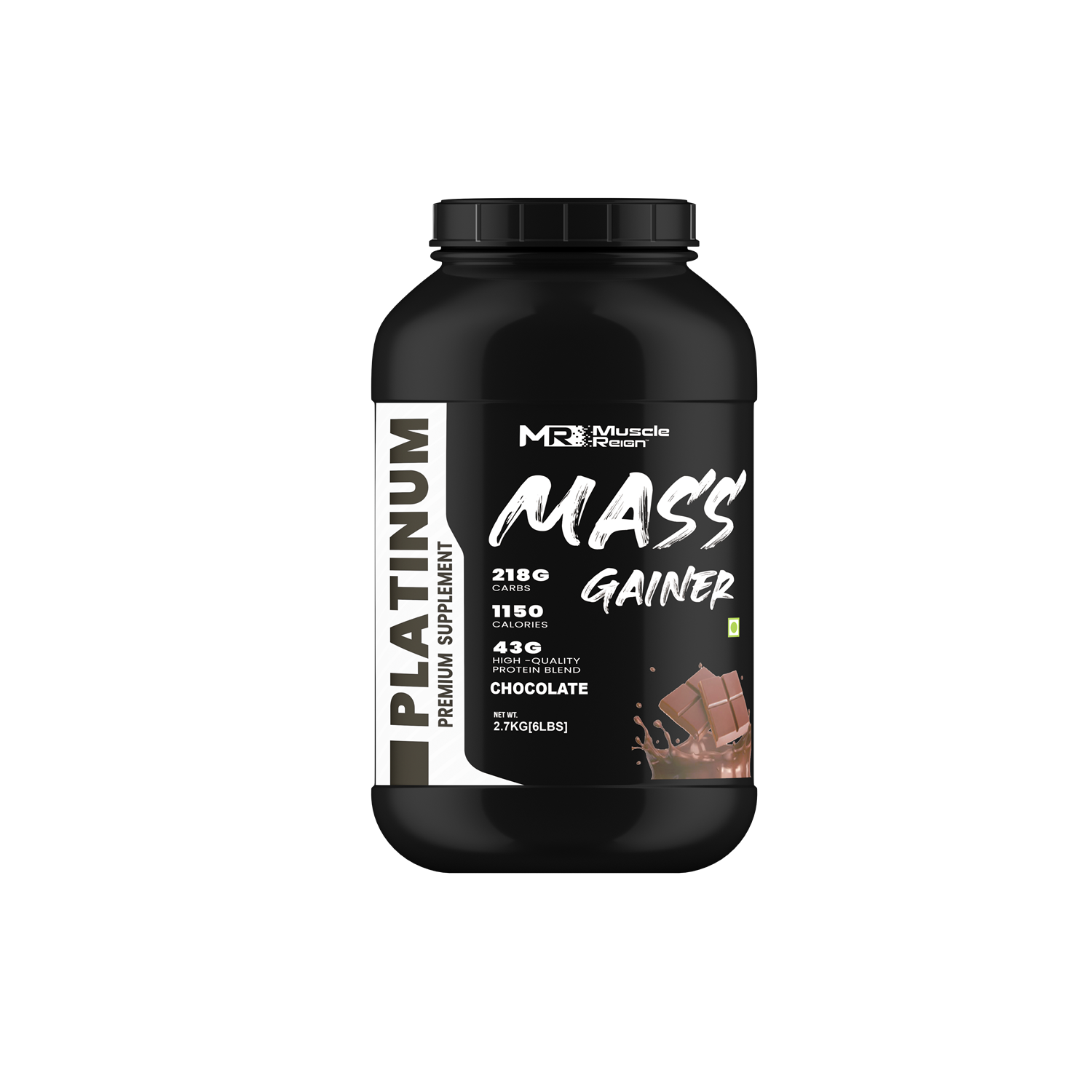
Vegetarians struggling to consistently combine plant proteins can benefit from whey protein, while those aiming for a calorie surplus can use Peak Prime Bulk to increase calorie and protein intake efficiently.
Common Mistakes People Make
- Not combining vegetarian protein sources.
- Ignoring breakfast protein.
- Depending heavily on processed foods.
- Choosing high-fat proteins without tracking calories.
Possible Considerations
Individuals with kidney disease should consult a healthcare professional before significantly increasing protein intake. Those with lactose intolerance should monitor dairy intake and choose suitable alternatives where necessary.
Frequently Asked Questions
What are the best vegetarian protein foods?
Paneer, soy chunks, moong dal, rajma, chana, and Greek yogurt.
Can vegetarians build muscle?
Yes. Adequate total protein intake and proper food combinations support muscle growth effectively.
Is paneer good for muscle building?
Yes. It provides approximately 18g of protein per 100g.
Should I combine dal with rice?
Yes. Together they provide a more complete amino acid profile.
What's the highest-protein Indian breakfast?
Eggs, Greek yogurt, and besan chilla are excellent choices.
How much protein is in chicken breast?
Approximately 31g per 100g.
Can I build muscle without supplements?
Absolutely. Whole foods alone can meet protein requirements when planned properly.
Is soy protein effective?
Yes. Soy is one of the few complete plant protein sources.
How many eggs should I eat daily?
Typically 2–4 whole eggs, depending on your daily protein goals.
Should I eat protein at every meal?
Yes. Distributing protein intake throughout the day supports muscle protein synthesis.
The Honest Answer
Building muscle on an Indian diet doesn't require expensive or exotic foods. Paneer, eggs, chicken, soy, dal, curd, and smart food combinations can help you consistently reach your daily protein target and support muscle growth.
Ready to Close the Protein Gap?
Whole foods first, supplements when they genuinely help. Explore Muscle Reign's Whey Protein range at www.musclereign.com to support your muscle-building journey.