Best Time to Take Whey Protein: Morning, Pre-Workout, or Post-Workout?
Walk into any gym in Delhi or Mumbai and you'll hear the same debate near the water cooler: "Bhai, protein lena hai toh 30 minutes ke andar lena hai, warna gains gaye." The best time to take whey protein has become one of the most argued - and most misunderstood - topics in fitness nutrition. Is there really a narrow "window" that makes or breaks your gains, or is this outdated gym folklore?
This guide breaks down what current sports nutrition research actually says about protein timing, when it genuinely matters, and how to build a realistic daily protein schedule that fits an Indian work routine - without obsessing over a stopwatch.
What Is Protein Timing, and Why Did the "Anabolic Window" Myth Start?
Protein timing refers to strategically consuming protein around specific points in the day - particularly around workouts - to maximize muscle protein synthesis. The idea of a narrow "anabolic window", often cited as 30-60 minutes post-workout, originated from early studies suggesting a short period after training where the body was uniquely primed to absorb protein for muscle repair.
Later, more comprehensive research showed this window is far wider than originally believed - closer to several hours before and after training - which significantly changes how strict your timing actually needs to be.
Why It Matters: What the Science Actually Says
Research reviewed by the International Society of Sports Nutrition indicates that total daily protein intake is the primary driver of muscle growth, with timing playing a secondary, more modest role. Muscle protein synthesis responds to protein intake as long as it's distributed reasonably across the day, rather than requiring precision within a narrow post-workout window.
That said, timing isn't irrelevant - it simply matters less than most gym conversations suggest. Going 6-8 hours with zero protein intake around a training session, such as training fasted and then not eating for hours after, can meaningfully reduce recovery efficiency, even if a missed 30-minute window won't.
Benefits of Strategic Protein Timing
- Supports consistent muscle protein synthesis throughout the day
- Improves recovery quality between training sessions
- Reduces muscle protein breakdown during and after intense training
- Makes hitting daily protein targets easier by spacing intake across meals
- Removes decision fatigue - a simple timing structure beats overthinking every shake
Common Myths About Whey Protein Timing
| Myth | Reality |
|---|---|
| You must drink protein within 30 minutes post-workout or lose gains | The "anabolic window" is now understood to be several hours wide, not a strict 30-minute cutoff |
| Morning protein is more important than post-workout protein | Total daily intake and even distribution matter more than any single meal's timing |
| Protein taken pre-workout is wasted | Pre-workout protein supports amino acid availability during training and aids recovery afterward |
| You can't build muscle if you miss your "protein window" once | Missing one window has negligible long-term impact if total daily protein intake remains consistent |
| More protein immediately post-workout means faster muscle growth | Beyond adequate intake, more protein in a single sitting doesn't accelerate synthesis further - distribution matters more than a single large dose |
Who Should Pay Closer Attention to Timing?
Beginners
Timing matters less than building the habit of consistent protein intake across meals.
Intermediate and Advanced Lifters
They benefit slightly more from structured timing around training due to higher training volume and recovery demands.
Those Training Fasted
They should prioritize protein intake within a couple of hours post-workout, since the fasted state increases muscle protein breakdown during training.
Busy Professionals With Irregular Meals
They should focus on consistent daily total protein rather than perfect timing, using whey protein to fill gaps when meals are skipped or delayed.
How to Time Whey Protein Correctly
Pre-Workout
Consuming protein 1-2 hours before training ensures amino acids are available during your session, supporting performance and reducing muscle breakdown.
Post-Workout
A protein-rich meal or shake within 1-3 hours after training supports recovery - this window is far more flexible than gym folklore suggests.
Morning
A protein-rich breakfast or shake helps break the overnight fasting period and kickstarts muscle protein synthesis for the day.
Before Bed
Slow-digesting protein, or a whey shake with a source of casein or dairy, before sleep can support overnight muscle repair, particularly for those training in the evening.
Common Mistakes
- Obsessing over the 30-minute window while neglecting total daily protein
- Skipping protein entirely on rest days
- Relying solely on supplements instead of building whole-food protein habits
- Taking large single doses instead of spreading protein across 3-4 meals
Sample Daily Protein Distribution
For a 75kg active adult with an approximate 150g protein target:
| Meal | Protein Source | Approx. Protein |
|---|---|---|
| Breakfast | Whey shake + eggs/paneer | 35-40g |
| Lunch | Dal + roti + paneer/chicken | 30-35g |
| Pre-Workout | Whey shake, small | 15-20g |
| Post-Workout | Whey shake | 25-30g |
| Dinner | Chicken/paneer + roti-sabzi | 30-35g |
Whey Timing vs Total Intake: What Matters More?
| Factor | Impact on Muscle Growth |
|---|---|
| Total daily protein intake | High - primary driver of muscle protein synthesis |
| Protein distribution across meals | Moderate - supports sustained synthesis throughout the day |
| Exact post-workout timing within hours | Low-moderate - matters more for fasted training |
| Precise 30-minute "window" | Minimal - largely outdated as a strict requirement |
How Muscle Reign Supports Your Goals
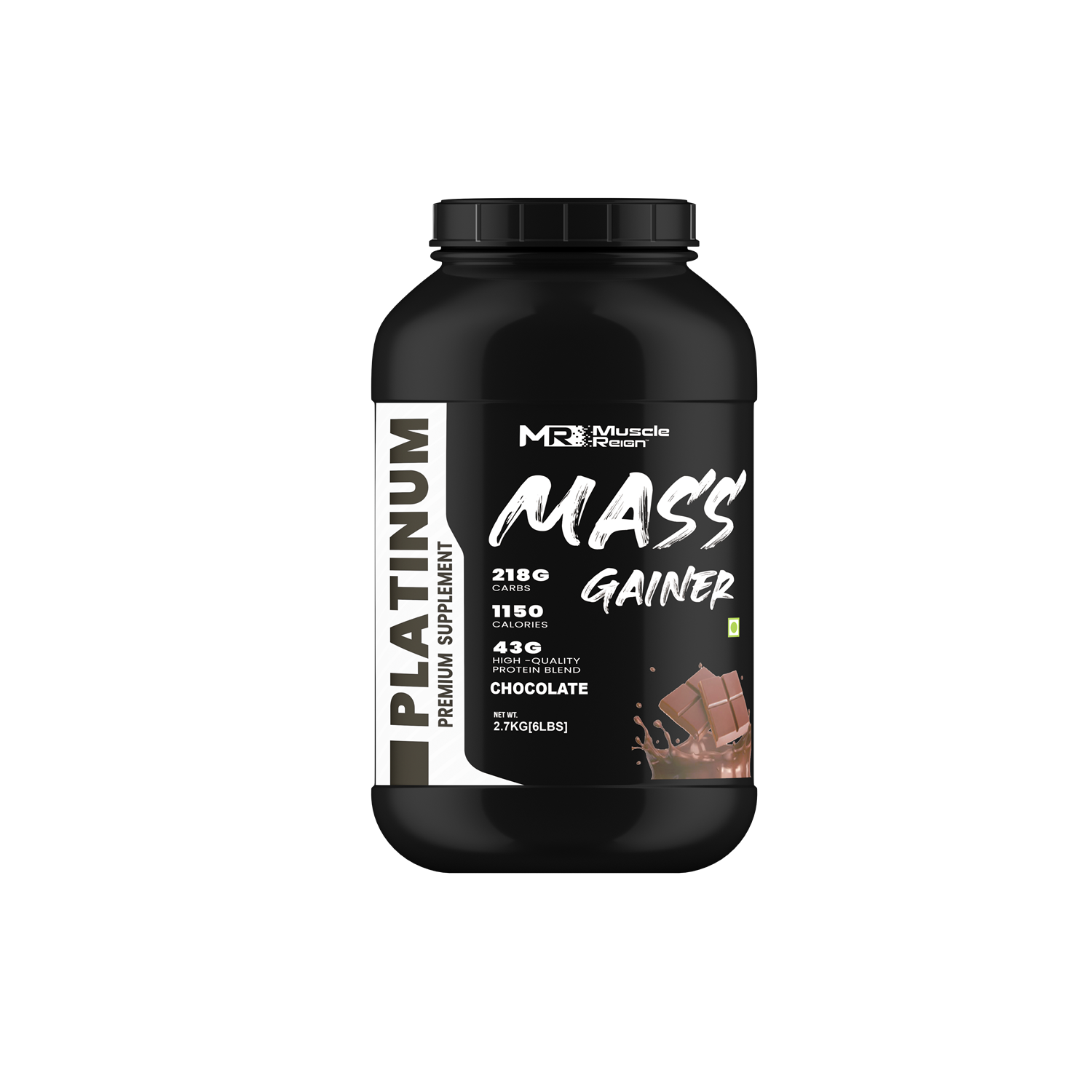
Building a consistent protein timing routine is far easier with a fast-digesting, easily accessible source ready before and after training. Muscle Reign's Peak Series Whey Concentrate works well as a flexible pre- or post-workout option, mixing quickly for those training before office hours or squeezing in a session between meetings.
For those who train in the evening and want a slower-digesting option before bed, Blended ISO Lean offers a protein blend suited to nighttime recovery. And for professionals whose meals are often delayed or skipped due to packed schedules, keeping a shaker of whey on hand removes the guesswork - supporting consistent total daily protein regardless of how the day unfolds.
Common Mistakes People Make With Protein Timing
- Panicking over a missed post-workout window instead of focusing on the day's total intake
- Skipping protein at breakfast, leaving too much to make up later in the day
- Relying on one large protein dose instead of spreading intake across meals
- Ignoring pre-workout nutrition entirely, especially for those training fasted
- Not adjusting protein intake on rest days, when muscle repair is still ongoing
Possible Considerations
Excessive protein intake without adequate hydration can occasionally cause digestive discomfort in some individuals. Those with pre-existing kidney conditions should consult a physician before significantly increasing protein intake. Lactose-sensitive individuals may find whey isolate easier to tolerate than whey concentrate.
Frequently Asked Questions
Is there really an anabolic window for protein after workouts?
The anabolic window exists but is much wider than the commonly cited 30-60 minutes - closer to several hours before and after training. Total daily protein intake matters more than hitting a narrow window.
What happens if I don't drink my protein shake right after my workout?
Very little. As long as you consume adequate protein within a few hours of training as part of your total daily intake, missing the immediate post-workout window has minimal impact on muscle growth.
Is it better to take whey protein in the morning or after a workout?
Both serve different purposes - morning protein breaks the overnight fast, while post-workout protein supports recovery. Neither is inherently "better"; total daily distribution matters most.
Can I drink whey protein before bed?
Yes. A slower-digesting protein source before bed can support overnight muscle repair, particularly useful for evening trainees or those with a longer overnight fasting window.
How many times a day should I drink whey protein?
This depends on your total daily protein target and diet. Most people benefit from 1-2 shakes daily to fill gaps between whole-food meals, rather than relying on protein powder as the sole source.
Does taking protein on an empty stomach cause digestive issues?
Some individuals experience mild discomfort taking whey on a completely empty stomach. Whey isolate is typically easier to digest than concentrate for those sensitive to lactose.
Is pre-workout protein necessary, or should I wait until after training?
Pre-workout protein, 1-2 hours before training, supports amino acid availability during exercise and isn't wasted - it contributes to recovery just as post-workout protein does.
Does protein timing matter more for muscle gain or fat loss?
Protein timing has a modest impact on both, but total daily protein intake remains the primary factor for muscle retention during fat loss and muscle growth during a surplus.
Should I take protein on rest days?
Yes. Muscle repair continues on rest days, so maintaining consistent protein intake - even without training - supports ongoing recovery and growth.
Is it bad to take two protein shakes close together?
Not inherently harmful, but spacing protein intake across the day, every 3-4 hours, is generally more effective for sustained muscle protein synthesis than consuming large doses back-to-back.
Does training fasted change how I should time my protein?
Yes. Fasted training increases muscle protein breakdown during the session, making post-workout protein intake within 1-2 hours more important compared to training in a fed state.
Can I rely on whey protein alone for my daily protein needs?
Whey protein works best as a supplement to whole-food protein sources, not a replacement. A mix of dietary protein and whey shakes makes it easier to consistently hit daily targets.
What's more important - protein timing or protein quantity?
Protein quantity, meaning total daily intake, is significantly more important than precise timing. Timing offers marginal additional benefit once total intake is already adequate.
The Honest Answer
The "30-minute anabolic window" is largely gym mythology - what actually drives muscle growth is your total daily protein intake, distributed reasonably across meals. Timing offers a small edge, especially for fasted trainees, but it's not the make-or-break factor most people treat it as. Build the habit of consistent protein intake first; optimize timing second.
Ready to Simplify Your Protein Routine?
Whether you drink your shake before, after, or between workouts, what matters most is consistency in your total daily protein intake. Explore Muscle Reign's science-backed whey range at www.musclereign.com and build a protein routine that fits your schedule - not a stopwatch.