From Bulking to Cutting: What Should Actually Change in Your Supplement Routine?
The day you decide to switch from bulking to cutting, most of the actual work happens in your calorie calculator, not your supplement shelf. But the stack that was built around a surplus doesn't automatically make sense in a deficit, and a lot of lifters either drag their entire bulking routine into a cut unchanged, or panic and swap out everything at once, including things that never actually needed to change in the first place.
This is a category-by-category answer to what genuinely shifts when the goal flips from gaining to losing, and what stays exactly as it was.
Why the Goal Change Doesn't Mean a Total Overhaul
A cutting phase changes one primary variable - total calorie intake moves from a surplus to a deficit - and a handful of downstream variables that follow from it, like reduced carbohydrate intake and a slightly elevated protein target to protect muscle mass. It doesn't change the underlying physiology of what most individual supplements actually do. Creatine still works the same way in a deficit as in a surplus. Protein still supports the same muscle protein synthesis process. The question for each item in your stack isn't "does my goal feel different now" - it's "does this specific product's function depend on the calorie surplus that's now gone."
Myths Worth Dropping
|
Myth |
Reality |
|
You should overhaul your entire supplement stack the moment you start cutting |
Most individual supplements work through the same mechanism regardless of calorie balance - only the ones tied directly to surplus calories genuinely need to change |
|
Creatine should be stopped during a cut to avoid water retention masking progress |
Creatine's water retention is stable and intramuscular, not fat-related bloating, and its muscle-preserving benefit is arguably more valuable during a deficit, not less |
|
Whey concentrate becomes unsuitable once you start cutting |
Concentrate still works fine during a cut - isolate is simply a leaner option worth considering for stricter calorie control, not a requirement |
|
Pre-workout needs are the same in a deficit as in a surplus |
Reduced calorie and carbohydrate intake can affect stimulant tolerance and how a pre-workout feels, which is worth reassessing rather than assuming nothing's changed |
|
Mass gainer can just be swapped one-for-one with a smaller whey shake |
It's not a like-for-like swap - a mass gainer was solving a calorie surplus problem that a cutting phase no longer has, so the product's entire purpose disappears rather than just shrinking |
What Should Change
Mass gainer gets removed, not reduced. A mass gainer exists specifically to add calories toward a surplus. In a deficit, that function directly works against your goal. This isn't a product to use a smaller serving of - it's one that no longer has a purpose until a future bulking phase.
Protein target moves toward the higher end of the range. During a deficit, protein intake generally shifts upward, since higher protein intake helps protect lean muscle mass while calories are restricted. This often means increasing total protein slightly even as total calories come down, which can mean a bigger role for a protein supplement, not a smaller one.
Consider switching from concentrate to isolate, or at least reassessing which you use. This isn't mandatory, but isolate's higher protein percentage and lower fat and carbohydrate content make it a more calorie-efficient way to hit an elevated protein target within a tighter calorie budget. Concentrate isn't wrong during a cut - isolate is simply a more precise tool for the specific calorie math a deficit demands.
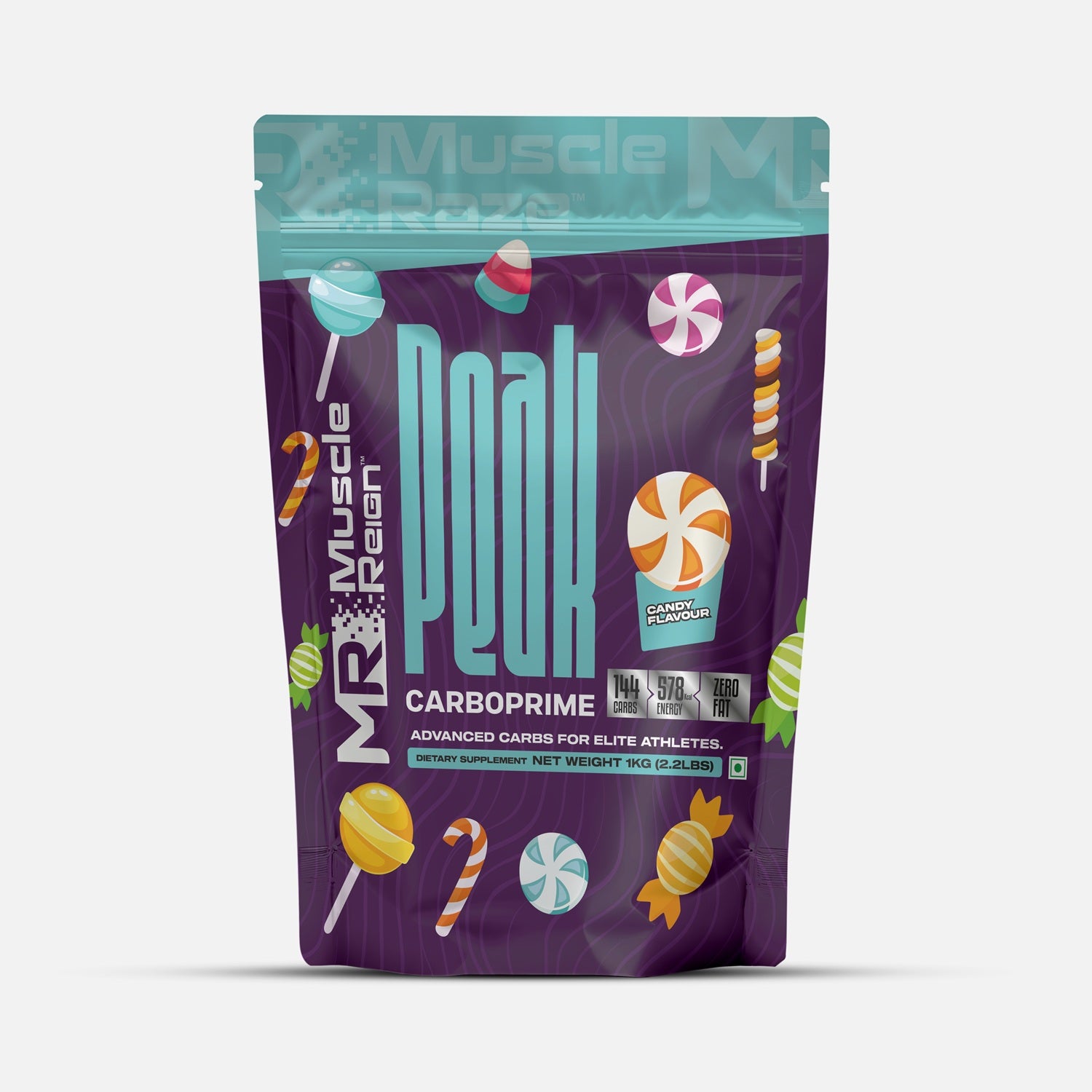
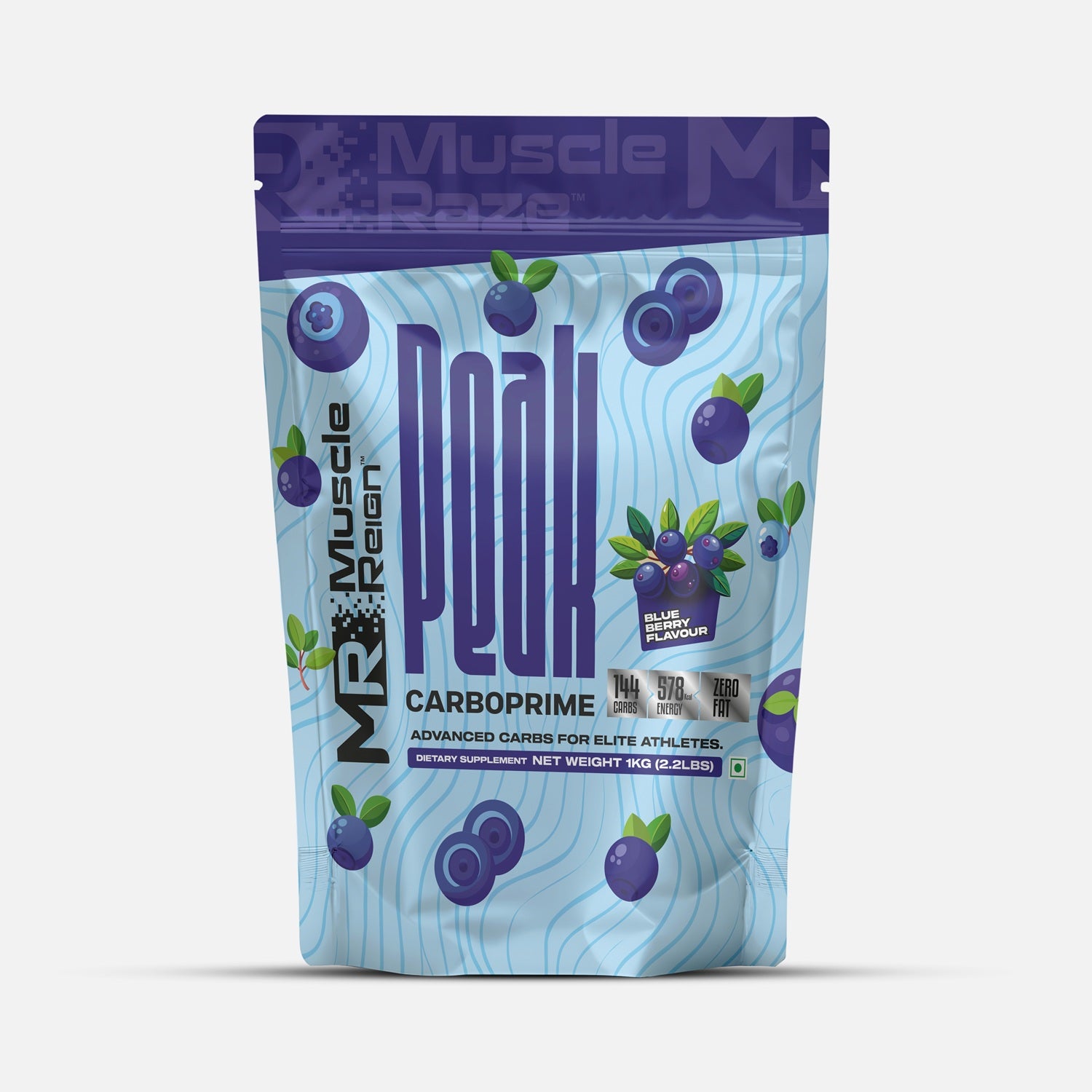
Intra-workout carbohydrate supplementation likely gets reduced or reconsidered. Carbohydrates that were supporting training volume during a surplus now compete more directly with the calorie deficit itself. This doesn't mean eliminating carbs entirely around training, since performance still depends on adequate fuel, but the amount and source are worth reassessing against a now-tighter calorie budget.
Pre-workout tolerance and dosing may shift. Training in a deficit can change how stimulants feel, and reduced overall food intake can sometimes make the same dose feel more intense. This is worth paying attention to and adjusting rather than assuming your bulking-phase serving size still applies unchanged.
What Should Stay Exactly the Same
Creatine. The standard daily dose remains appropriate through a cut. Its role in preserving strength and training performance during a deficit is arguably more valuable now than during a surplus, since maintaining training intensity while calories are restricted is precisely when creatine's benefit matters most.
Basic protein supplementation as a category, even if the specific product changes. The function - closing a gap between dietary intake and your calculated target - doesn't change; only the calorie efficiency of the specific product might become more of a priority.
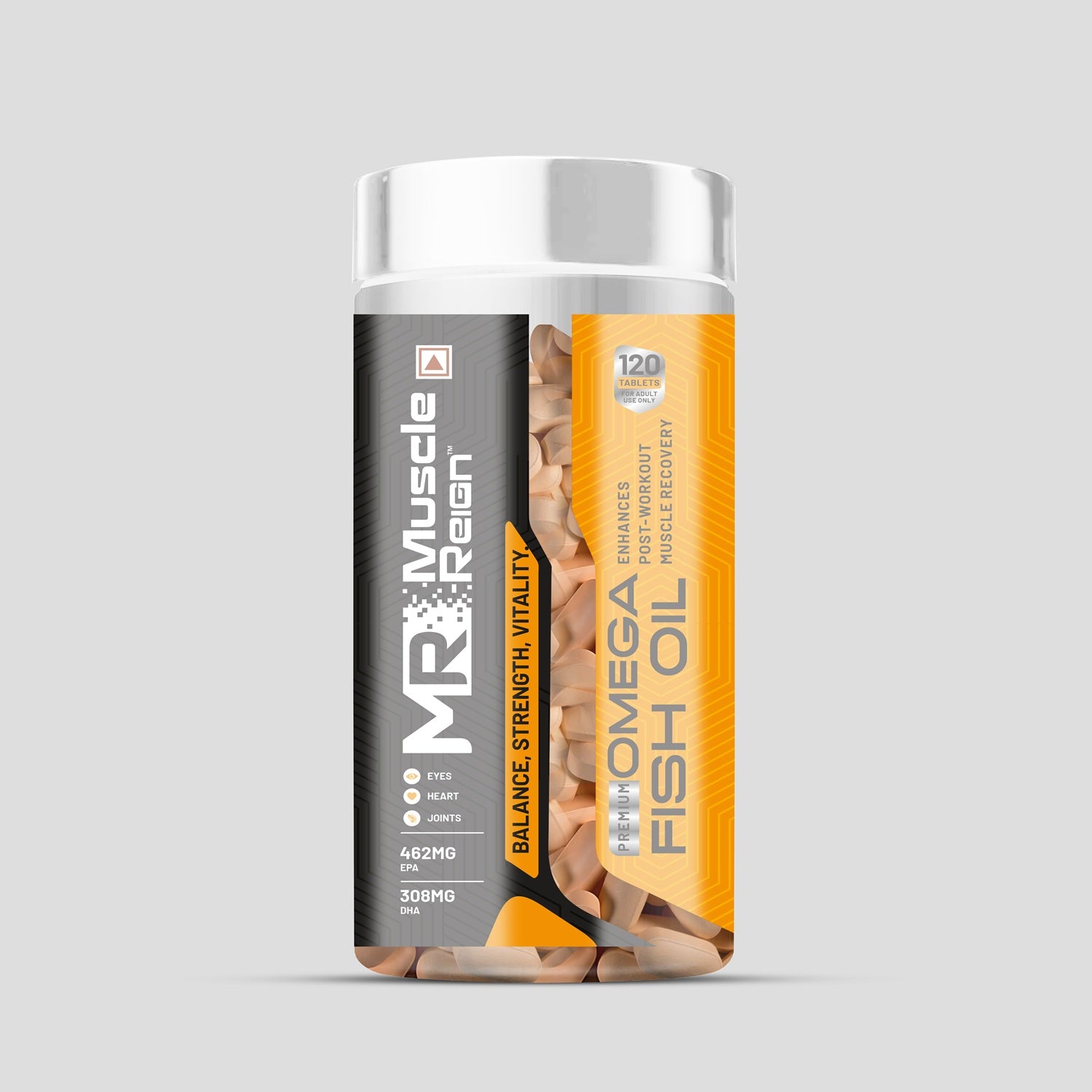
Omega-3 or general recovery-support supplements, if they were part of your bulking routine for reasons unrelated to calorie surplus. Their function doesn't depend on whether you're gaining or losing weight.
Training-day electrolyte or hydration support, if heat or sweat rate was the reason you were using it - none of that changes based on your calorie goal.
Building the Actual Transition
Start by removing anything whose sole purpose was adding calories toward a surplus - this is usually just the mass gainer, and it's the single biggest and most obvious change. Recalculate your protein target based on your current bodyweight and the higher end of the deficit-appropriate range, and check whether your existing protein product still gets you there efficiently within your new, tighter calorie budget, or whether switching toward isolate makes more sense. Leave creatine exactly as it was. Reassess pre-workout dosing based on how it actually feels once you're a couple of weeks into the deficit, rather than assuming your bulking-phase serving is still the right one.
Common Mistakes People Make
-
Continuing to use a mass gainer at a reduced serving instead of removing it entirely, unintentionally working against the deficit
-
Stopping creatine out of a misplaced concern about water retention, losing its muscle-preservation benefit exactly when it matters most
-
Not adjusting protein targets upward despite calories coming down, leaving muscle mass less protected than it could be
-
Continuing the same intra-workout carbohydrate amount used during high-volume bulking training without reassessing it against a tighter calorie budget
-
Assuming pre-workout dosing is fixed and not noticing that reduced calorie intake has changed how the same serving actually feels
How Muscle Reign Fits Into This
For the protein side of a cutting-phase stack specifically, Peak Ripped Isolate addresses the calorie-efficiency priority that becomes more relevant once total intake tightens - delivering a higher protein percentage with minimal added fat and carbohydrate, making it easier to hit an elevated protein target without eating further into an already-reduced calorie budget.
Creatine Monohydrate carries over from a bulking stack unchanged - the same daily dose, the same rationale, and arguably a more important role during a deficit than during a surplus, given its part in preserving strength output while calories are restricted.
Neither of these requires the rest of a stack to be overhauled. The actual transition is narrower than most people assume - remove what was solving a surplus problem, adjust what benefits from more calorie efficiency, and leave alone what never depended on the surplus in the first place.
Considerations
Significant changes to training intensity, calorie intake, or supplement use during a transition between phases are worth approaching gradually rather than all at once, particularly for those with a history of disordered eating patterns, who should approach structured bulking and cutting cycles cautiously and ideally with professional guidance. Anyone with pre-existing kidney conditions should consult a physician before making any protein or creatine intake adjustments, regardless of phase.
Frequently Asked Questions
Do I need to stop taking creatine when I start cutting?
No. The standard dose remains appropriate and its muscle-preserving benefit is arguably more valuable during a deficit, since maintaining training performance while eating less calories is exactly the scenario creatine supports.
What's the first thing that should come out of my stack when switching to a cut?
A mass gainer, almost always - its entire function is adding calories toward a surplus, which directly works against a calorie deficit.
Should I switch from whey concentrate to isolate for cutting?
It's worth considering rather than mandatory - isolate's higher protein percentage and lower fat and carb content make it a more calorie-efficient way to hit an elevated protein target within a tighter budget, though concentrate still works fine if calorie precision isn't your main priority.
Does my protein target actually need to go up during a cut, even though I'm eating less overall?
Generally, yes - protein intake typically shifts toward the higher end of the range during a deficit specifically to help protect muscle mass while calories are restricted.
Do I need less pre-workout during a cut, or more?
Neither automatically - but reduced calorie intake can change how the same dose feels, so it's worth reassessing rather than assuming your bulking-phase serving is still appropriate.
Should I keep taking omega-3 or other recovery supplements during a cut?
Yes, if they were addressing something unrelated to calorie surplus - their function doesn't change based on whether you're gaining or losing weight.
Is it wasteful to keep buying whey concentrate during a cut instead of switching to isolate?
Not wasteful exactly, but potentially less calorie-efficient - isolate simply makes it easier to hit a higher protein target without eating further into a reduced calorie budget.
How much should I reduce intra-workout carbohydrates when cutting?
This depends on your specific calorie budget and training volume, but it's worth reassessing rather than continuing the same amount used during a higher-calorie bulking phase without any adjustment.
Can I keep using the same protein powder throughout both bulking and cutting phases?
Yes, if calorie efficiency isn't a major concern for you - there's no requirement to switch, though some people find isolate more practical specifically during the calorie-restricted phase.
What supplements genuinely don't need to change at all between bulking and cutting?
Creatine, and any supplement whose function was never tied to calorie surplus in the first place, such as omega-3 or hydration and electrolyte support used for training conditions rather than calorie goals.
The Honest Answer
The transition from bulking to cutting is smaller than most people's supplement shelves suggest. One product - the mass gainer - almost always needs to go, because its entire purpose was the surplus that's now gone. A couple of others benefit from a closer look, mainly around calorie efficiency and dosing feel. And the rest, creatine especially, never depended on the surplus to begin with and has no real reason to change just because the goal on the scale flipped direction.
Ready to Build the Right Stack for This Phase?
Whatever your cut actually calls for, adjust deliberately rather than overhauling everything at once. Explore Muscle Reign's Peak Ripped Isolate and Creatine Monohydrate at www.musclereign.com and carry forward what still works while cutting what doesn't.