Carbs Before Training Aren't Just for Bodybuilders: When Extra Fuel Actually Improves Your Workout
Pre-workout carbs get talked about like they belong exclusively to people chasing a competition physique - bodybuilders timing their glycogen, powerlifters fuelling a max-effort session. If you're a regular gym-goer training three or four times a week for general fitness, it's easy to assume that conversation isn't for you, and that a banana or a proper meal before training is either unnecessary or something only "serious" lifters bother with.
That assumption isn't quite right, but the opposite one - that everyone needs a carb-loading ritual before every session - isn't right either. The honest answer sits in between: whether extra carbohydrate before training actually improves your workout depends on a few specific, checkable things about how you train, not on whether you consider yourself a bodybuilder.
Why This Isn't Just a Bodybuilder Question
Muscle glycogen - the carbohydrate stored in your muscle - is the primary fuel for anything above roughly 60-65% of maximum effort, which covers most sets of resistance training, not just heavy compound lifts. That means the physiology behind pre-workout carbs applies to anyone doing a real strength or hypertrophy session, regardless of whether the goal is a stage-ready physique or simply staying consistent at the gym.
The bodybuilder association exists because that population has historically talked about nutrition timing the loudest, not because the underlying fuel requirement is unique to them.
A Simple Way to Tell If Extra Fuel Would Actually Help You
1. How Long Has It Been Since You Last Ate?
A meal eaten several hours before training provides usable blood glucose for roughly 3-4 hours; beyond that window, the contribution to your session's fuel is close to zero. If your last real meal was more than four to five hours before you train, you're closer to a fasted state than you might think, regardless of how "full" you still feel.
This matters more if: you train in the evening after a full workday with a light or skipped lunch, or you train first thing in the morning without breakfast.
This matters less if: you're training within two to three hours of a proper meal.
2. How Long and How Hard Is the Session, Really?
Short, moderate-intensity sessions place a much smaller demand on glycogen than longer or higher-volume ones. If you're doing a focused 30-40 minute session at a comfortable intensity, your existing glycogen stores are usually more than sufficient without topping up beforehand.
This matters more if: your sessions run past 45-60 minutes, involve multiple heavy compound lifts, or are unusually high in volume that day.
This matters less if: you're doing a shorter, lower-volume, or lighter-intensity session.
3. Are You a Complete Beginner Still Building a Training Habit?
For someone new to structured training, the biggest limiting factor is almost never glycogen - it's consistency, technique, and simply showing up. Beginners typically don't need to think about carb timing at all in the first few months; the training stimulus itself is enough to drive early progress.
This matters more if: you're already training with intent, structure, and enough volume that fatigue mid-session is a real, felt limitation.
This matters less if: you're still in your first few months and building the habit itself is the priority.
4. Do You Notice a Real Drop in Performance Mid-Session?
If sets feel heavier than they should partway through a session, your rep count quietly drops without an obvious reason, or you're fading noticeably in the back half of your workout - that's a more reliable signal than any general rule. This kind of felt fatigue, especially if it's consistent across similar sessions, suggests fuel availability genuinely is a limiting factor for you specifically.
This matters more if: this pattern shows up regularly, not just occasionally.
This matters less if: your performance stays consistent throughout most sessions.
Common Myths About Carbs and Training Level
| Myth | Reality |
|---|---|
| Pre-workout carbs are only relevant for bodybuilders or advanced lifters | Glycogen fuels any resistance training above moderate intensity, regardless of who's doing it or what their goal is |
| If I'm a beginner, I don't need to think about pre-workout nutrition at all | True in the earliest months, but as training volume and intensity increase, the same fuel considerations that apply to anyone else start to apply |
| Eating before training always helps performance | For short, easy sessions or someone training soon after a full meal, extra carbs add little - the benefit depends on context, not a blanket rule |
| You need a specific supplement or "pre-workout meal" to fuel training properly | A banana, some toast, or a light home-cooked snack does the same physiological job as a formulated product for most recreational training needs |
| Training fasted is always worse than training fed | For short or lower-intensity sessions, many people perform fine fasted; the difference becomes more relevant for longer or higher-intensity training |
Who Genuinely Benefits From Carbs Before Training
- Evening trainees with a long gap since lunch - the standard Indian schedule of an early lunch and a 7-8 PM gym session often means training on close to empty glycogen stores
- Anyone doing longer or higher-volume sessions - 60+ minute sessions or high total set counts draw down glycogen meaningfully
- Intermediate to advanced lifters chasing performance - where a small fuel edge translates into slightly more reps or slightly better bar speed across a session
- Anyone who has noticed consistent, unexplained fatigue mid-session - this is a practical signal worth acting on regardless of experience level
Who Probably Doesn't Need to Worry About It
- Complete beginners in their first few months, where consistency and form matter far more than fuel timing
- Anyone training within two to three hours of a full meal
- Those doing short, lower-intensity sessions - a 30-minute moderate workout rarely depletes glycogen meaningfully
- Casual gym-goers whose main goal is general fitness and consistency, not performance optimisation
What "Extra Fuel" Actually Looks Like for Most People
For the person who does need it, this doesn't require a formulated product or a precise protocol - a banana, a slice of toast with a little jam, or a small bowl of poha 30-60 minutes before training covers the same physiological need as anything more elaborate. The goal is simply having some usable blood glucose available, not following a bodybuilder's exact pre-contest routine.
How Muscle Reign Fits In When It's Actually Relevant
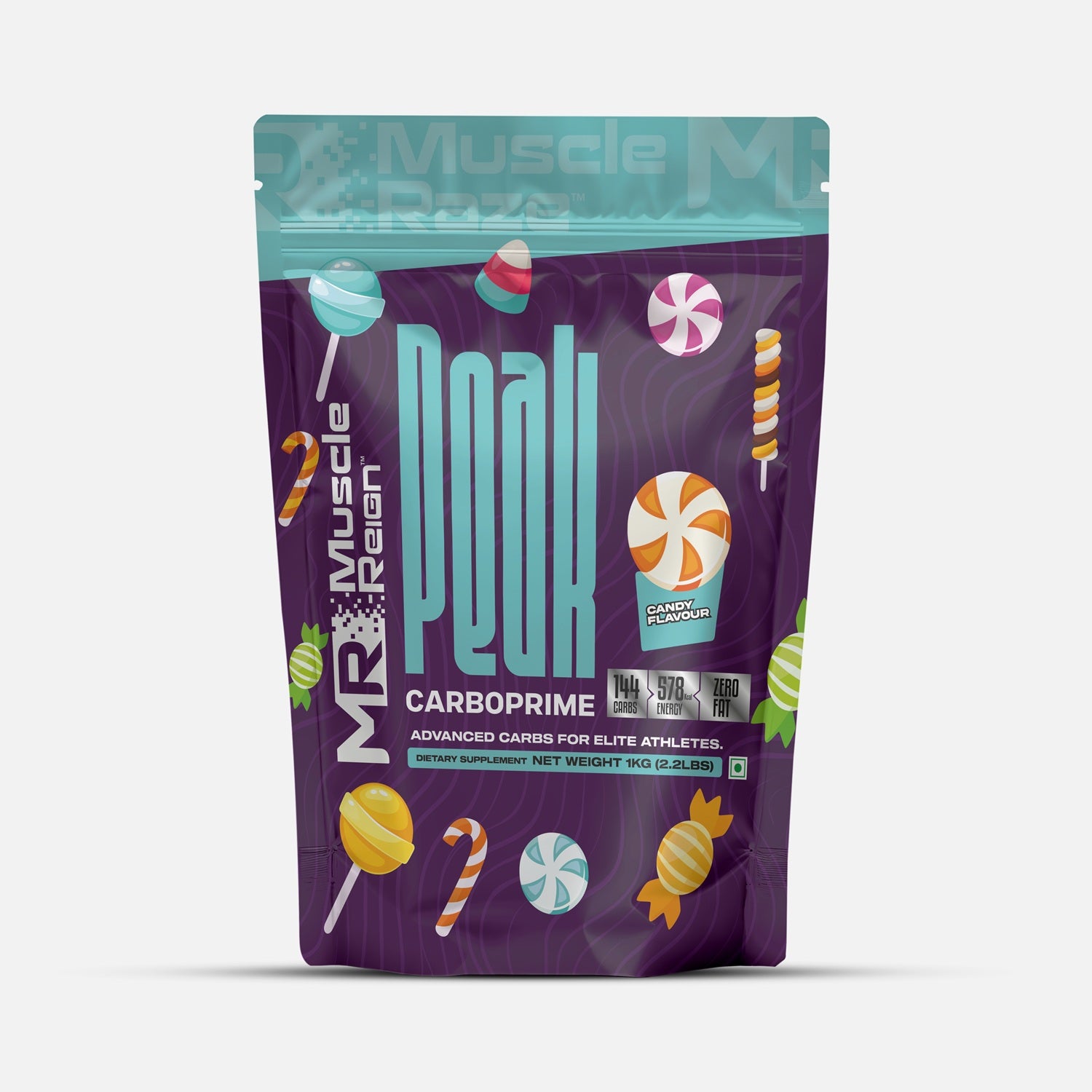
For the specific scenarios where fast, convenient carbohydrate genuinely helps - long evening gaps since the last meal, higher-volume training days, or sessions where mid-workout fatigue is a real, felt problem - Carboprime offers a fast-absorbing option that's easier to fit into a rushed pre-gym window than preparing a snack from scratch. It's not a requirement for every gym-goer, and it isn't meant to replace a proper meal when one is realistically possible beforehand - it's there for the gap that whole food sometimes can't fill given how Indian training schedules typically run.
Common Mistakes People Make
- Assuming pre-workout carbs are irrelevant unless you're an advanced or physique-focused lifter, when the physiology applies to anyone training at real intensity
- Force-feeding a "pre-workout meal" before every session regardless of session length or recent eating, when short or lightly-fed sessions rarely need it
- Ignoring a real, felt pattern of mid-session fatigue because it doesn't fit the "I'm not a bodybuilder" self-image
- Overcomplicating the solution with elaborate meal timing when a simple snack solves the same problem
- Beginners worrying about carb timing prematurely, when training consistency is the actual priority at that stage
Possible Considerations
Those with diabetes or blood sugar regulation conditions should consult a physician regarding pre-workout carbohydrate intake and timing specifically, since individual glucose response varies. Anyone experiencing persistent, unexplained fatigue during training - even after adjusting pre-workout nutrition - should consider whether sleep, overall calorie intake, or another factor is the actual underlying cause rather than assuming carbs alone will resolve it.
Frequently Asked Questions
Do I need to eat carbs before every single workout?
No - it depends on session length, intensity, and how recently you've eaten. Short, moderate sessions soon after a meal rarely need additional carbs.
I'm a beginner - should I be thinking about pre-workout carb timing at all?
Generally not yet. In the first few months, training consistency and technique matter far more than fuel timing; this becomes more relevant as your training volume and intensity increase.
How do I know if I actually need pre-workout carbs or if I'm just following advice meant for bodybuilders?
Check how long it's been since your last meal, how long and intense your session is, and whether you notice real mid-session fatigue - if none of these apply, you likely don't need to change anything.
Is a banana enough, or do I need a specific pre-workout product?
A banana, toast, or a small home-cooked snack does the same physiological job as most formulated pre-workout carb products for typical recreational training needs.
What if I train first thing in the morning without breakfast?
Morning fasted training is one of the more common scenarios where a small pre-workout carb source genuinely helps, since your glycogen has already been drawn down overnight.
Can eating carbs before training actually hurt performance?
Eating a large or heavy meal too close to training can cause sluggishness or digestive discomfort; the issue there is timing and portion, not carbohydrate itself.
Is training fasted always worse than training fed?
Not necessarily - for short or lower-intensity sessions, many people perform just as well fasted. The difference becomes more noticeable for longer or higher-intensity training.
How long before training should I eat something?
A lighter snack works well 30-60 minutes before training; a fuller meal is better placed 2-3 hours beforehand to avoid digestive discomfort.
Does this apply the same way to cardio and strength training?
The underlying glycogen-fuel relationship applies to both, though the practical need shows up most clearly in longer or higher-intensity sessions of either type.
I don't compete or care about performance - do I still need to think about this?
Only if you notice mid-session fatigue or you're training on a genuinely long gap since your last meal; if training feels fine as it is, there's no need to add anything.
Is it a waste of money to buy a carb supplement if I'm not an advanced lifter?
Not necessarily wasteful, but it's only useful if your specific situation (long meal gap, longer session, felt fatigue) actually calls for it - otherwise a simple whole-food snack covers the same need for free.
Can I just eat more at my regular meals instead of adding a pre-workout snack?
Yes, if the timing works - a solid meal 2-3 hours before training often removes the need for anything additional right before the gym.
The Honest Answer
Pre-workout carbs were never actually a bodybuilder-only tool - they're a fuel requirement tied to training intensity, session length, and how recently you've eaten, which applies to anyone training seriously regardless of their goal. The mistake isn't thinking this doesn't apply to you because you're not chasing a stage physique; it's either dismissing it entirely for that reason, or overcomplicating it with a routine you don't actually need. Check your own session length, meal timing, and how you actually feel mid-workout - that tells you more than any general rule about who "needs" pre-workout fuel.
Ready to Fuel Based on Your Actual Session, Not a Label?
If your specific training genuinely calls for it, keep it simple. Explore Muscle Reign's Carboprime at www.musclereign.com for the sessions where a banana isn't practical - and skip it for the ones where it isn't needed.