Fitness Goals That Actually Work (and How to Stick to Them)
Every January, gyms across Delhi, Mumbai, and Bengaluru fill up with new members chasing a "2026 transformation." By March, attendance quietly drops back to normal. This isn't a willpower problem - it's a goal-setting problem. Most people set fitness goals that are structurally designed to fail, regardless of how motivated they feel on day one.
This guide breaks down what separates fitness goals that actually work from the ones that fizzle out by week three - and gives you a practical framework to set goals you'll still be chasing six months from now.
What Makes a Fitness Goal "Work"?
A fitness goal "works" when it survives contact with a bad week - a missed workout, a late-night work deadline, an unplanned wedding invite with unlimited buffet. Goals that only function when everything goes perfectly aren't real goals; they're best-case scenarios.
Working fitness goals share three traits: they're specific, process-focused, not just outcome-focused, and realistically scoped to your actual life, not an idealized version of it.
Why Most Fitness Goals Fail: The Science
Behavior change research consistently shows that goals fail less often due to lack of motivation and more often due to poor structure. Common structural failures include:
- Outcome-only goals, such as "lose 10 kg", with no defined process to get there
- All-or-nothing thinking - missing one workout leads to abandoning the entire plan
- Unrealistic timelines that don't account for actual recovery and adaptation rates
- No tracking system, making progress invisible and motivation to continue difficult to sustain
Research on habit formation suggests that consistency compounds - small, repeatable actions sustained over months outperform intense but short-lived efforts, even when the short-lived effort feels more dramatic in the moment.
Benefits of Setting Goals the Right Way
- Removes daily decision fatigue - you're not renegotiating your commitment every morning
- Builds identity-based consistency - "I'm someone who trains" outlasts "I'm trying to lose weight"
- Makes progress visible, which sustains motivation during slow phases
- Reduces all-or-nothing dropout, since process goals survive imperfect weeks
- Creates compounding results - consistency over 6-12 months outperforms intensity over 6-12 days
Common Myths About Fitness Goals
| Myth | Reality |
|---|---|
| You need to be motivated every day to stay consistent | Discipline and systems sustain consistency far longer than motivation, which naturally fluctuates |
| Bigger goals get bigger results | Overly ambitious goals increase dropout risk; smaller, specific process goals build sustainable momentum |
| Missing one workout ruins your progress | One missed session has negligible physical impact; the real damage comes from all-or-nothing thinking that leads to quitting entirely |
| The scale is the best measure of progress | Body composition, strength gains, and energy levels are often better indicators than scale weight alone |
| You need a strict plan to see results | Flexible, realistic plans people can sustain for months outperform rigid plans abandoned after weeks |
Who Needs This Framework Most?
Beginners
Often set outcome goals without a process, leading to early burnout when results aren't immediate.
Desk-Job Professionals
Inconsistent schedules, such as late meetings, travel, and WFH days, require flexible process goals rather than rigid daily requirements.
Previously "Failed" Dieters Or Trainees
Often carry all-or-nothing thinking from past attempts; need process-based goals that tolerate imperfect weeks.
Long-Term Lifters Hitting Plateaus
Need refined, specific goals, such as progressive overload targets, rather than vague continuations of "staying fit."
How to Set Fitness Goals That Actually Work
Step 1: Set Process Goals, Not Just Outcome Goals
Instead of "lose 8 kg," set "train 4x per week and hit my daily protein target 6/7 days." The outcome follows the process.
Step 2: Make Goals Specific and Measurable
"Get stronger" is vague. "Add 5 kg to my squat in 8 weeks" is trackable and motivating.
Step 3: Set Realistic Timelines
Visible muscle changes typically take 8-12 weeks of consistent training; sustainable fat loss averages 0.5-1% of bodyweight per week. Anything promising faster, dramatic results usually isn't sustainable.
Step 4: Track Progress Beyond the Scale
Use a training log, strength numbers, progress photos, or how clothes fit - not just scale weight, which fluctuates due to water retention, sodium intake, and hormonal cycles.
Step 5: Build an "Imperfect Week" Plan
Decide in advance what a minimum-effort week looks like, such as 2 workouts instead of 4, so a busy week doesn't become a lost month.
Outcome Goals vs Process Goals
| Factor | Outcome Goal | Process Goal |
|---|---|---|
| Example | "Lose 10 kg" | "Train 4x/week, track protein daily" |
| Controllability | Low, affected by many variables | High, fully within your control |
| Daily actionability | None | Clear daily/weekly actions |
| Motivation during plateaus | Drops sharply | Remains stable |
| Long-term adherence | Lower | Higher |
How Muscle Reign Supports Your Goals
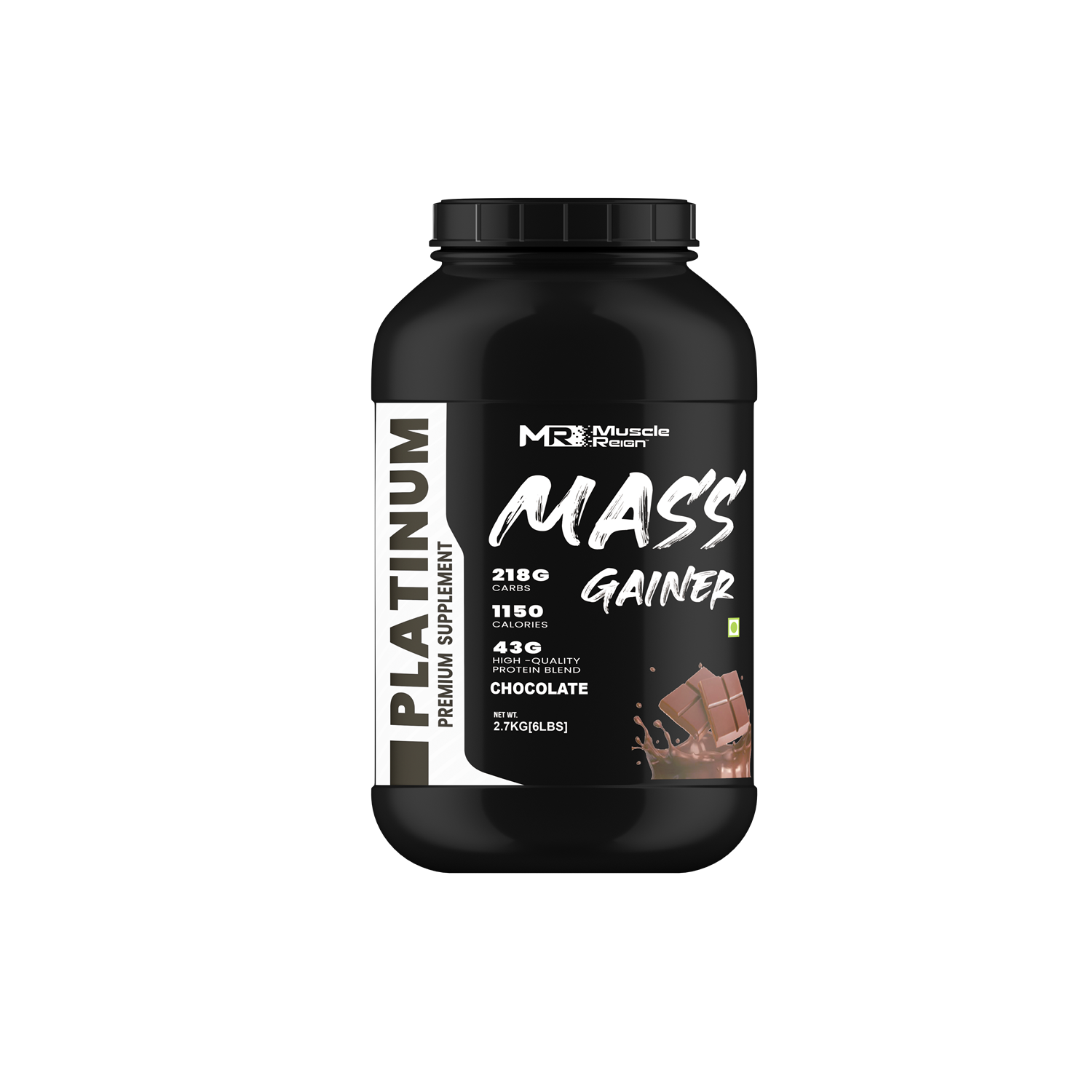
Consistency is easier to maintain when nutrition isn't a daily struggle. Muscle Reign's Peak Series Whey Concentrate simplifies hitting daily protein targets - one of the most common process goals that quietly determines whether muscle-building or fat-loss goals actually succeed, especially on hectic weekdays when a proper high-protein meal isn't always possible between meetings.
For those setting strength-based process goals, like progressive overload targets, Creatine Monohydrate supports consistent performance across training sessions, making week-over-week progress easier to sustain and track.
Supplementation supports the process - but the goal-setting framework is what determines whether that process gets followed in the first place.
Common Mistakes People Make With Fitness Goals
- Setting goals based on someone else's timeline, such as influencer transformations or a friend's results
- Only tracking the scale, missing strength and body composition progress
- Abandoning the entire plan after one missed workout instead of just resuming
- Not defining what "success" looks like in measurable, specific terms
- Chasing multiple major goals simultaneously, such as bulking and cutting at once, instead of sequencing them
Possible Pitfalls and When to Reassess
If a fitness goal consistently causes stress, disordered eating patterns, or persistent fatigue, it's worth reassessing the goal's structure or consulting a professional - a coach, nutritionist, or physician. Goals should build long-term health, not compromise it for short-term results.
Frequently Asked Questions
Why do most fitness goals fail?
Most fitness goals fail due to poor structure - relying on outcome-only targets, all-or-nothing thinking, and unrealistic timelines - rather than lack of motivation or effort.
What's the difference between a process goal and an outcome goal?
An outcome goal describes a result, such as "lose 10 kg", while a process goal describes the controllable actions that lead there, such as "train 4x/week." Process goals are more sustainable because they're fully within your control.
How long does it take to see real fitness results?
Visible strength gains often appear within 2-4 weeks due to neurological adaptations, while visible muscle or body composition changes typically take 8-12 weeks of consistent training and nutrition.
Should I set a weight loss goal or a strength goal first?
This depends on your primary objective, but strength-based process goals, such as specific lift progressions, tend to sustain motivation better since they're directly trackable and controllable.
How do I stay consistent with fitness goals when my schedule is unpredictable?
Build a flexible "minimum effort" plan in advance - for example, 2 shorter sessions instead of 4 full ones during busy weeks - so an unpredictable schedule doesn't derail your entire goal.
Is it normal to miss workouts while pursuing a fitness goal?
Yes. Occasional missed sessions have minimal physical impact. The real risk is abandoning the entire goal due to all-or-nothing thinking after one missed workout.
How do I know if my fitness goal is realistic?
A realistic goal accounts for your current schedule, recovery capacity, and experience level - and includes a defined weekly process, not just a desired outcome.
Should I track my weight daily?
Daily weight fluctuates due to water retention, sodium, and hormones. Weekly averages, combined with strength progress and how clothes fit, offer a more accurate picture of progress.
What's a good first fitness goal for a complete beginner?
A strong first goal is process-based: "train 3x per week for 8 weeks and log every session," rather than a specific weight-loss or muscle-gain number, which builds consistency before chasing more advanced outcomes.
How important is tracking progress for reaching fitness goals?
Very important. Visible tracking, such as training logs, progress photos, and strength numbers, sustains motivation during plateaus, when outcome-based progress may not yet be visible.
Can I have multiple fitness goals at once?
It's possible, but sequencing goals, such as building strength first and then focusing on fat loss, typically produces better adherence and results than pursuing conflicting goals simultaneously.
What should I do if I fall off track with my fitness goals?
Resume immediately rather than waiting for a "perfect restart" such as Monday, next month, or New Year. The gap between missing a workout and quitting entirely is where most fitness goals actually fail.
The Honest Answer
Fitness goals don't fail because people lack discipline - they fail because most goals are built around outcomes nobody can fully control, with no defined process to sustain them through an ordinary bad week. The goals that actually work are boring, specific, and process-focused: train X times a week, hit your protein target, track your lifts. The dramatic transformation is just consistent process, repeated for months.
Ready to Build Goals That Stick?
Set the process - training consistency, recovery, and daily protein intake - and let results follow naturally. Explore Muscle Reign's science-backed protein and performance range at www.musclereign.com to support the fitness goals you're actually going to stick to this time.