The Fitness Information Overload: How to Know Which Nutrition Advice to Trust
One fitness creator says carbohydrates should be avoided. Another says they are essential for every workout. One video recommends taking supplements before training, while another claims that timing does not matter at all.
Scroll through social media for a few minutes, and you may encounter dozens of opinions about protein, calories, hydration, recovery, and sports nutrition. Many sound convincing. Some use scientific terminology. Others rely on dramatic transformations or confident claims.
The problem is not that fitness information is difficult to find. It is that finding reliable information among so many competing opinions has become increasingly challenging.
For anyone trying to understand nutrition, the solution is not to follow every new recommendation. It is to develop a practical way to evaluate advice before accepting it.
1. Popularity Does Not Automatically Mean Accuracy
A nutrition video with thousands of likes can feel more trustworthy than an article with very little engagement. However, social media popularity is not the same as scientific evidence.
Content often spreads because it is entertaining, surprising, or easy to understand. A simple statement such as “never eat this food” can attract more attention than a balanced explanation of how nutrition depends on an individual's needs.
Before accepting a claim, ask yourself:
- Is the creator explaining the reasoning behind the advice?
- Are reliable sources or credible evidence provided?
- Does the information acknowledge that individual needs can differ?
- Is the content designed to educate, or mainly to attract attention?
A large following may indicate that a creator communicates effectively. It does not automatically establish expertise in nutrition.
The takeaway: Evaluate the quality of the information, not just the number of people engaging with it.
2. Be Careful With Advice That Promises One Perfect Solution
Fitness advice often becomes misleading when it presents one food, supplement, or routine as the answer for everyone.
For example, protein plays an important role in the body, but that does not mean every person needs the same protein intake. Carbohydrates contribute energy, but the amount someone needs varies with their activity, overall diet, and other individual factors.
The same principle applies to supplements. A product may be useful for a particular purpose without being necessary for everyone.
Nutrition is influenced by several connected factors, including age, activity level, health, food preferences, and daily habits. Advice that ignores these differences may oversimplify the subject.
Instead of asking, “Is this the best nutrition rule?” ask, “Who is this advice intended for, and under what circumstances does it make sense?”
The takeaway: Be cautious of absolute claims that leave no room for individual needs or context.
3. Learn to Separate Evidence From Personal Experience
Personal experiences can be useful, but they have limitations.
A fitness creator might explain that a particular breakfast helped them feel more comfortable during morning workouts. That experience can provide an idea worth exploring, but it does not prove that the same breakfast will work equally well for everyone.
People differ in their schedules, preferences, training demands, and responses to food.
Reliable nutrition information should distinguish between an individual's experience and a conclusion supported by broader evidence.
When evaluating a recommendation, look for the difference between these statements:
- Personal experience: “This approach worked well for me.”
- Evidence-based explanation: “Research suggests this approach may be helpful under these conditions.”
- Unsupported certainty: “This approach works for everyone, without exception.”
The first two can be useful when presented honestly. The third deserves closer scrutiny.
The takeaway: Treat personal stories as experiences to understand, not universal rules to follow.
4. Check Who Is Giving the Advice
Not every person sharing nutrition information has the same training or expertise.
A qualified dietitian or nutrition professional may be better equipped to explain dietary needs, assess evidence, and account for individual circumstances. A fitness coach may have valuable experience with exercise programming, but that does not automatically qualify them to provide specialised nutrition guidance.
When reviewing a source, consider:
- Qualifications: Does the person have relevant education or professional credentials?
- Transparency: Do they explain where their information comes from?
- Accuracy: Do their claims align with credible health and nutrition guidance?
- Limitations: Do they acknowledge uncertainty instead of claiming to know everything?
- Conflicts of interest: Are they recommending a product they sell, promote, or receive compensation for?
A commercial relationship does not automatically make advice incorrect. However, it is a good reason to verify the claims independently.
The takeaway: Consider the source's relevant expertise, evidence, and potential incentives before relying on its recommendations.
5. Understand the Difference Between Education and Marketing
Nutrition education aims to explain a concept. Marketing aims to encourage interest in a product or service. These goals can overlap, but they are not identical.
A supplement advertisement might highlight a specific ingredient, a serving size, or a potential benefit. Those details may be useful, but they do not tell you everything about the product's suitability for your needs.
Before accepting a product-related claim, consider the following:
- What does the label actually state?
- Is the claim supported by credible evidence?
- Is the benefit relevant to your needs?
- Are important limitations or conditions being explained?
- Is the product being presented as an optional tool or as something everyone must use?
Reading a label is an important starting point, but it is not proof that every advertised benefit has been independently established.
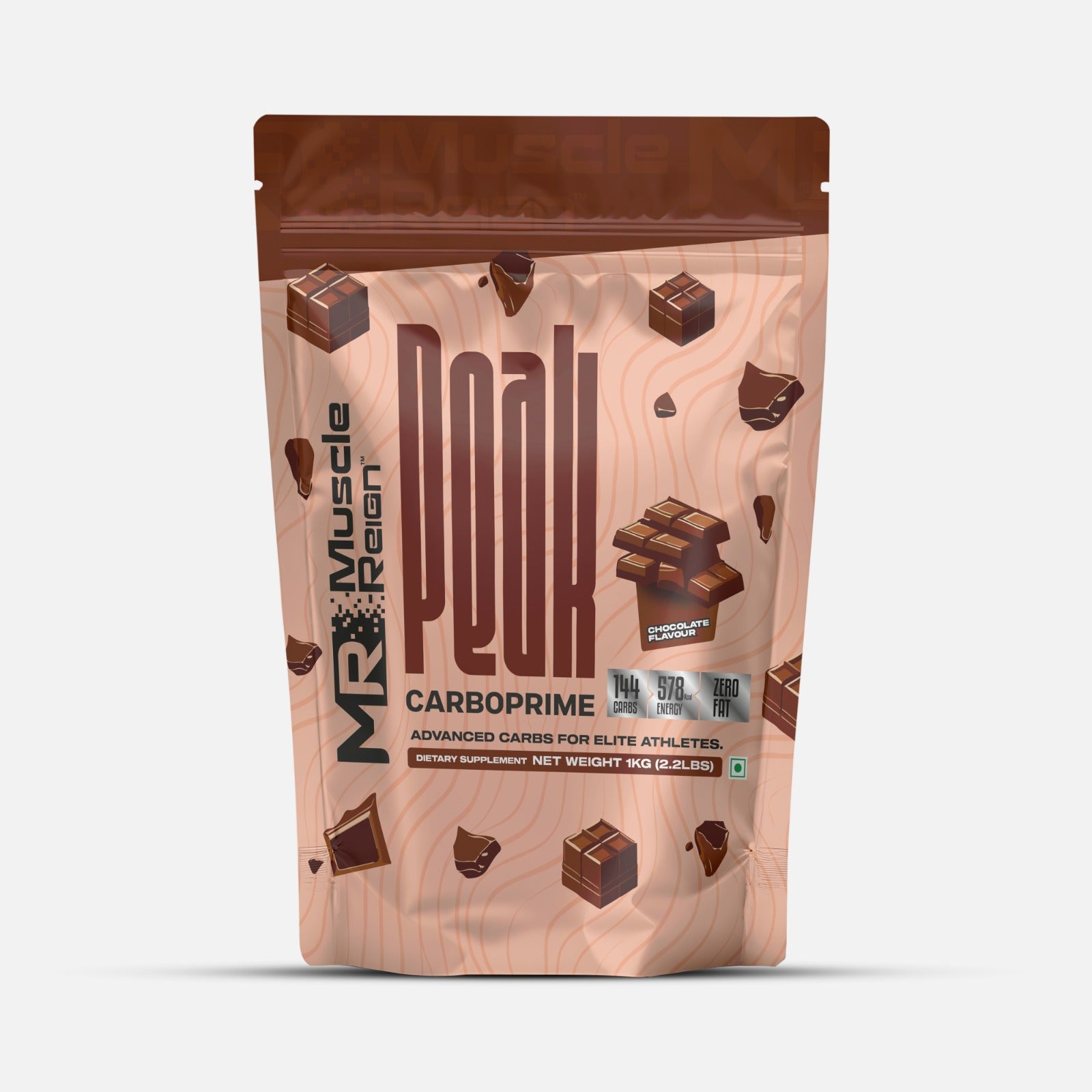
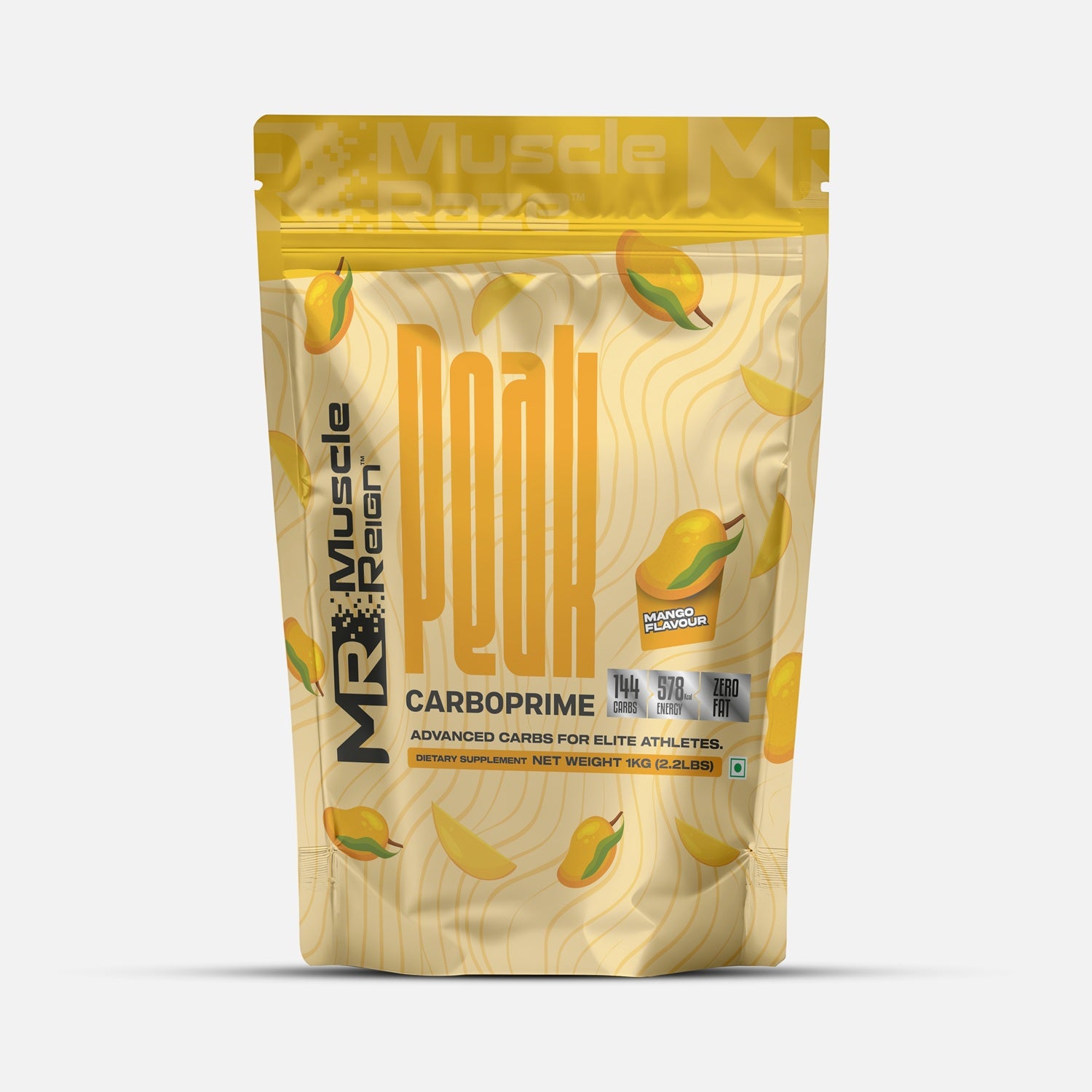
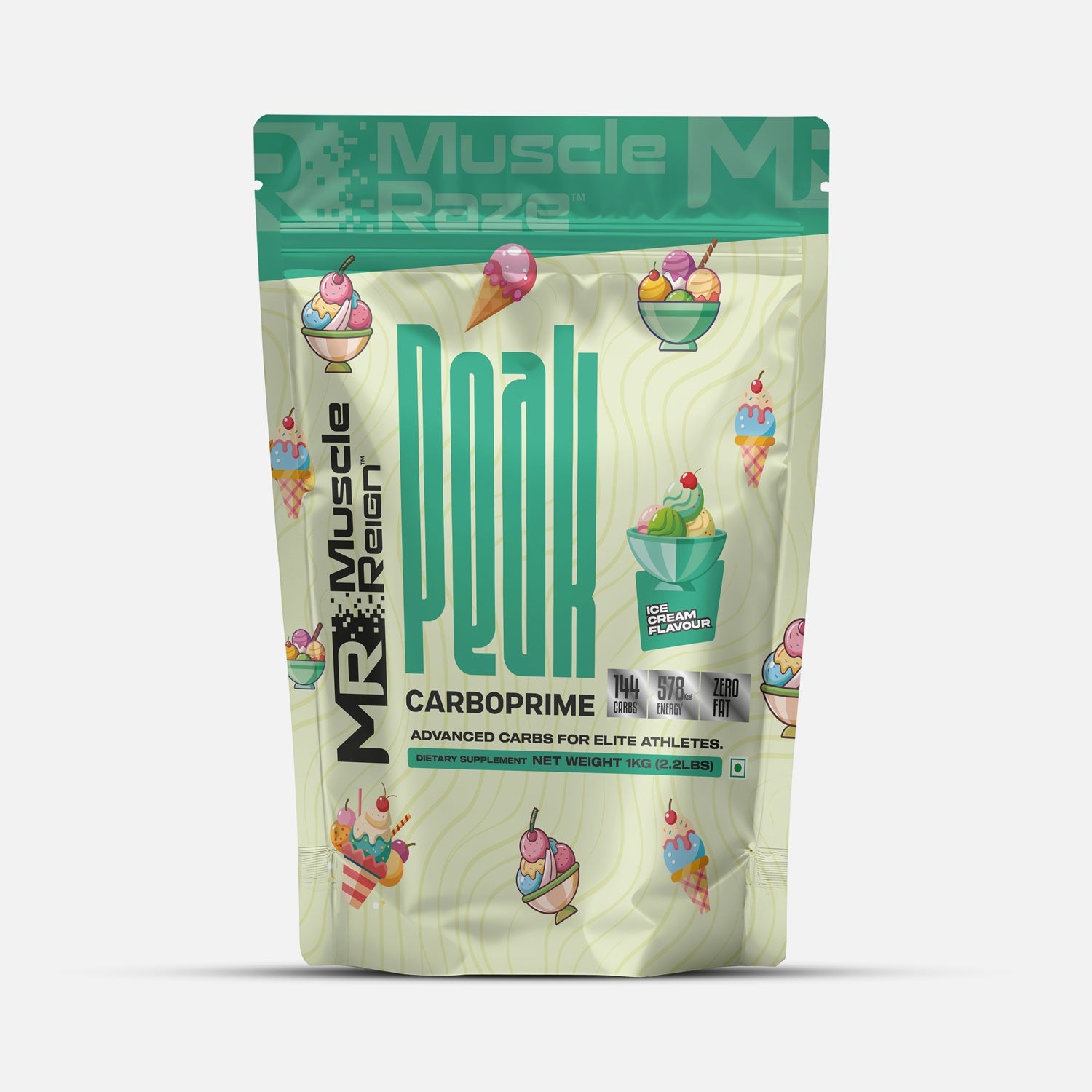
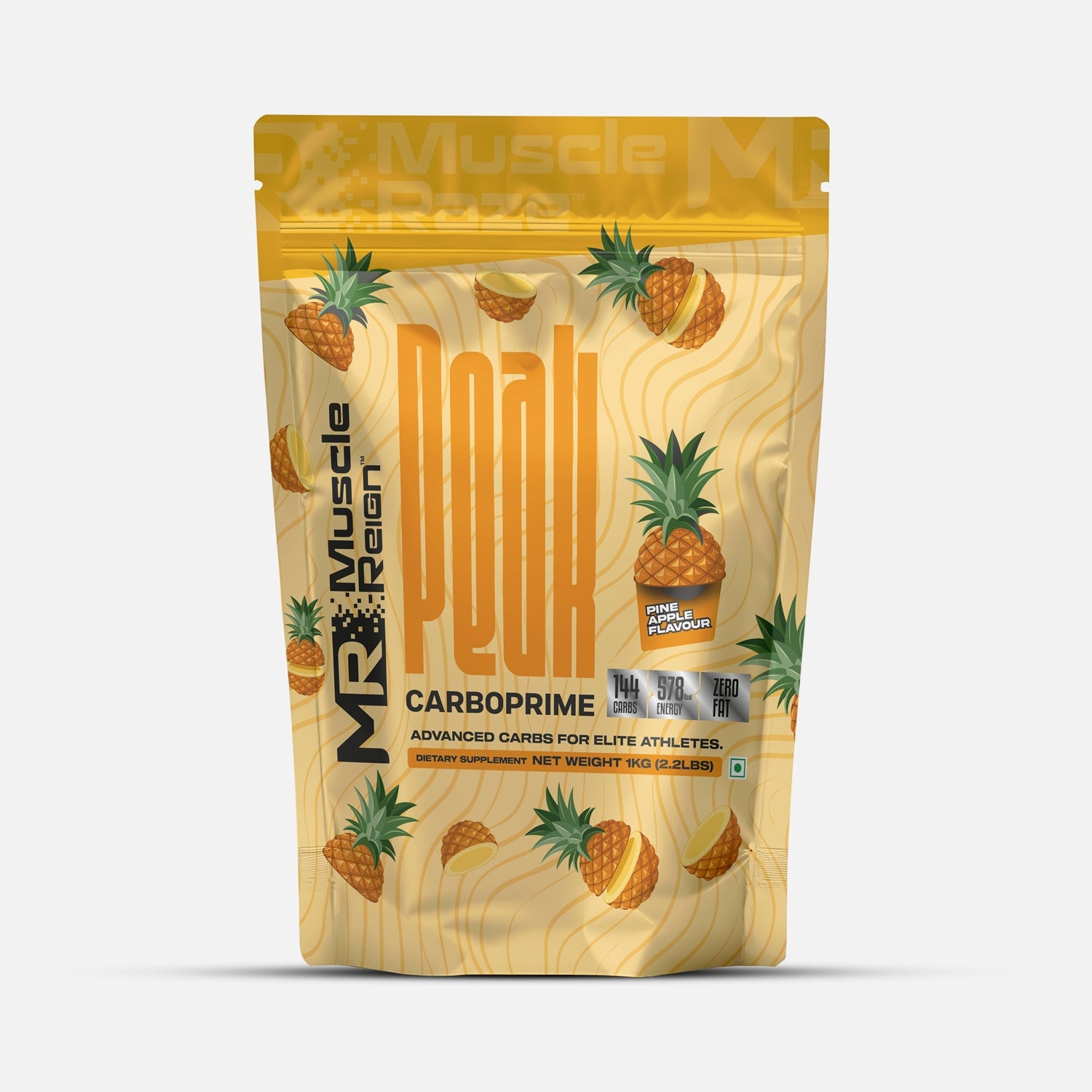
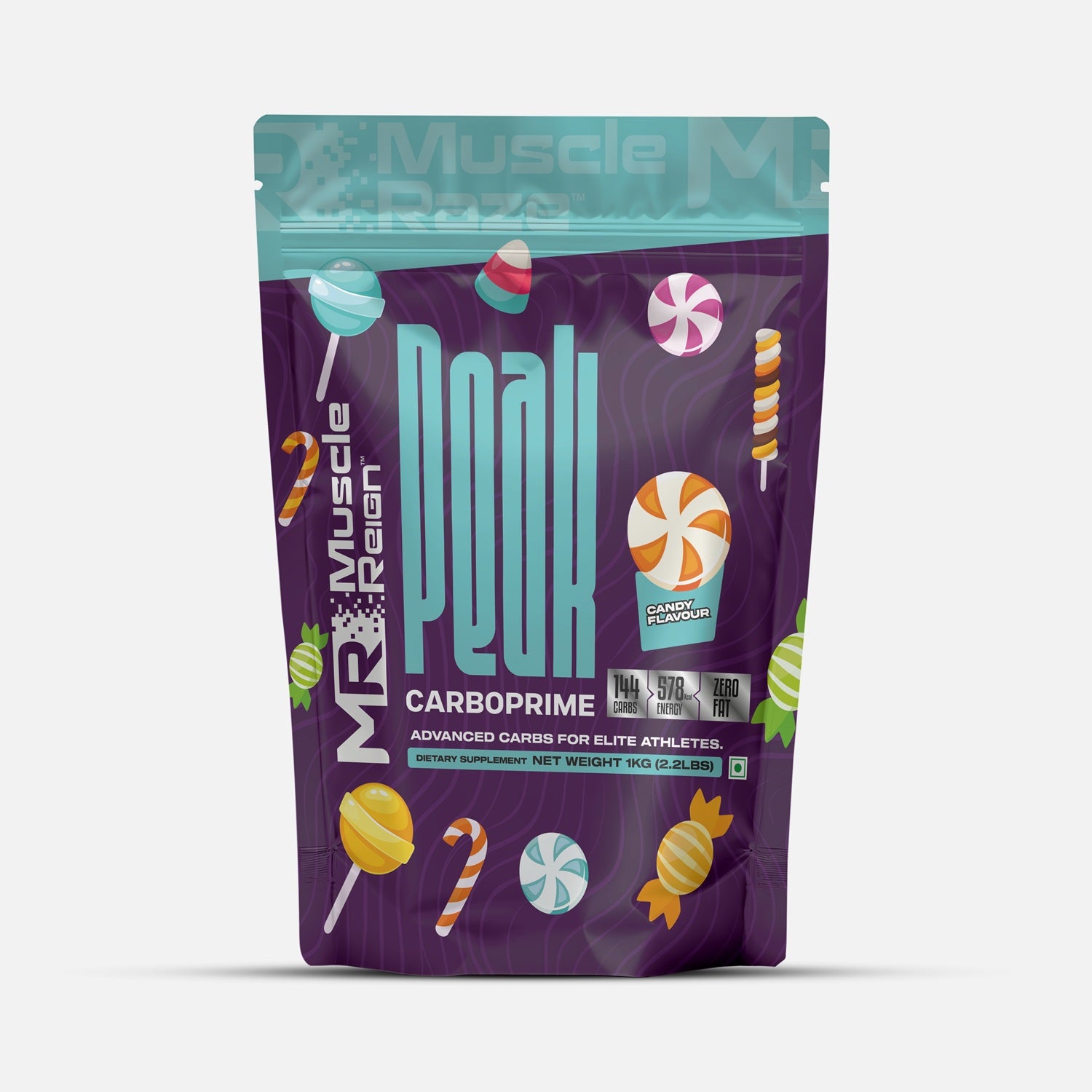
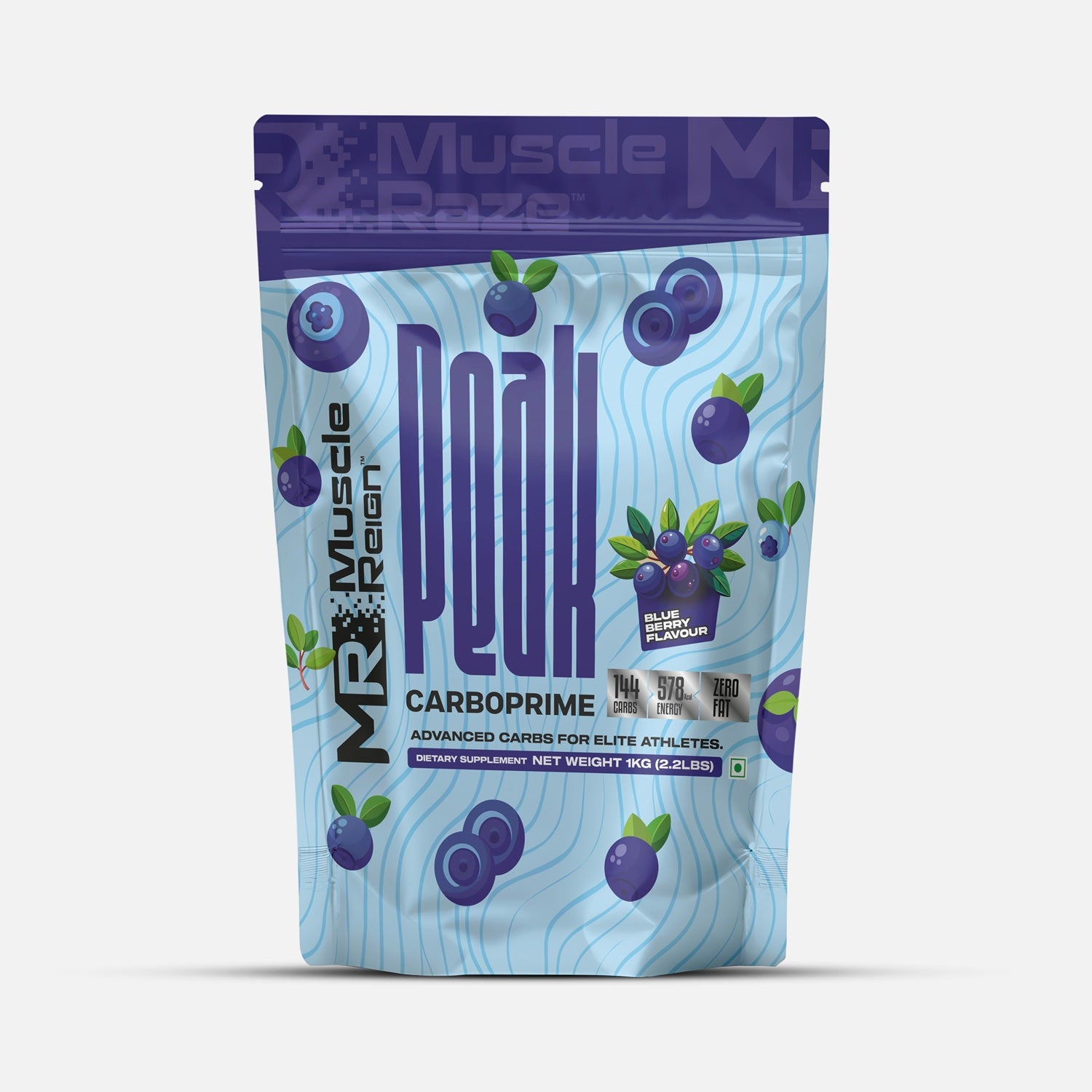
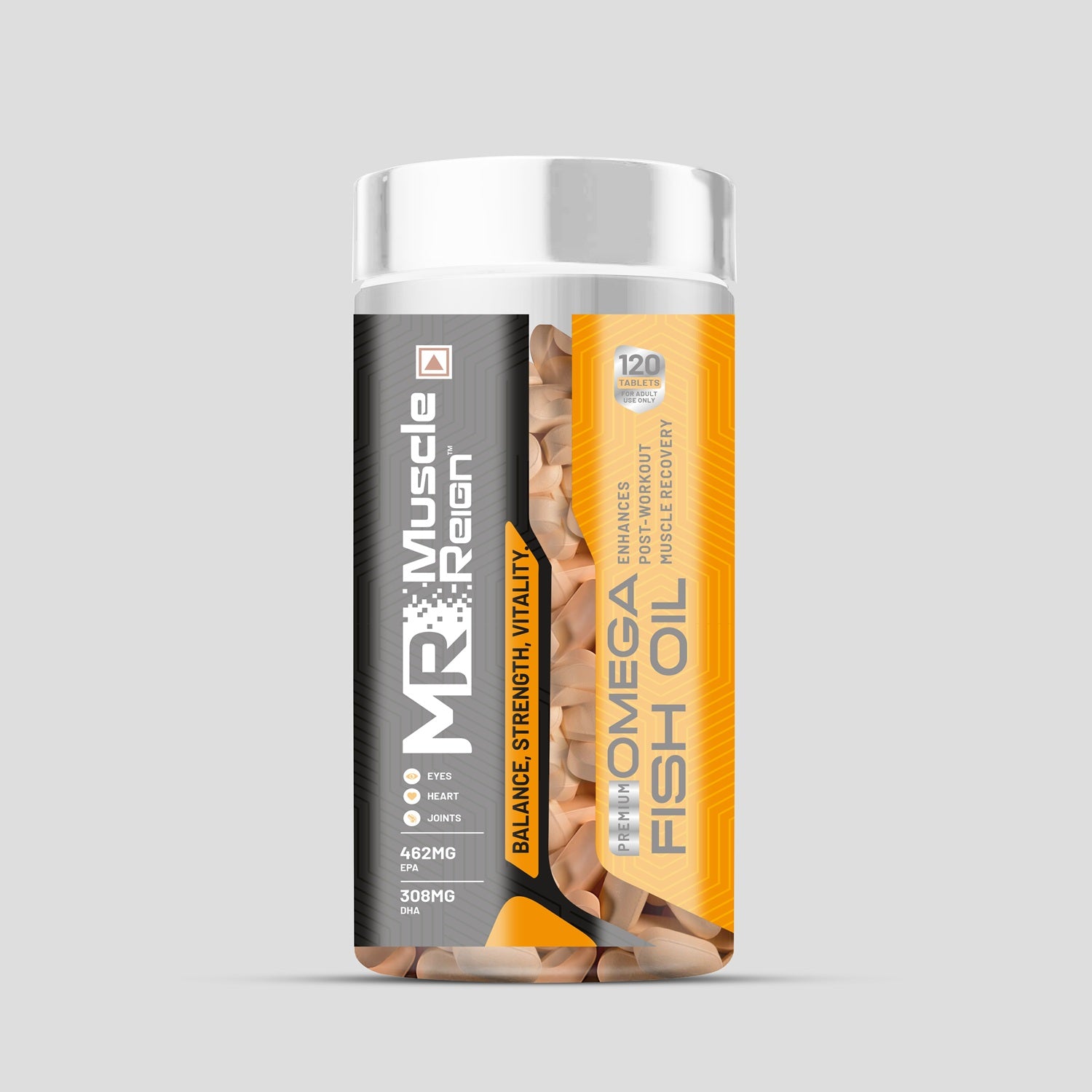
At Muscle Reign, this is an important principle for understanding sports nutrition: product information should be considered alongside ingredients, serving sizes, intended use, and the role of the product within an overall nutrition routine.
The takeaway: Understand the claim before deciding whether the product behind it is relevant to you.
6. Use Reliable Sources Instead of Relying on One Feed
Social media can introduce you to useful topics, but it should not be your only source of nutrition information.
When you encounter a claim that could influence your diet or supplement choices, cross-check it using credible sources.
Useful starting points include:
- World Health Organization (WHO) for general health and nutrition guidance.
- National Institutes of Health Office of Dietary Supplements for information about dietary supplements, ingredients, and scientific evidence.
- National Institute of Nutrition, India for nutrition resources relevant to the Indian context.
Look for information that explains the evidence, identifies the circumstances in which a recommendation applies, and acknowledges what is not yet known.
For personalised dietary requirements, medical conditions, or questions about whether a supplement is appropriate, a qualified healthcare professional can help you interpret the information in context.
The takeaway: Use social media to discover questions, then use credible sources to investigate the answers.
7. Avoid Changing Your Entire Routine After Every New Tip
One of the less obvious effects of information overload is constant adjustment.
You discover a new diet recommendation and change your meals. A few days later, another creator recommends a different approach, so you change your routine again. Eventually, it becomes difficult to understand which habits are actually working for you.
A more sensible approach is to pause before making changes.
Ask whether the advice addresses a genuine need, whether it is supported by reliable evidence, and whether the change is practical for your circumstances.
For everyday nutrition, building a consistent pattern of balanced meals, adequate hydration, appropriate sleep, and regular physical activity is generally more useful than chasing every emerging trend.
You do not need to implement every recommendation you encounter. Some advice may not apply to you, some may be poorly supported, and some may simply repeat principles you already follow.
The takeaway: Make informed, manageable decisions instead of reacting to every new fitness trend.
8. Build Your Own Nutrition Advice Checklist
Before following a nutrition recommendation, use these five questions to evaluate it.
1. Who is making the claim? Check their relevant qualifications, experience, and possible commercial interests.
2. What evidence supports it? Look for credible research or guidance rather than relying solely on a confident explanation or personal story.
3. Does the advice include context? Consider whether it explains who may benefit, what the limitations are, and when the recommendation might not apply.
4. Is the claim exaggerated? Be cautious of promises of guaranteed results, instant transformations, or one product solving multiple unrelated problems.
5. Is it appropriate for my needs? A recommendation can be scientifically reasonable and still not be necessary or suitable for every individual.
This checklist will not make every nutrition question easy, but it can help you slow down, ask better questions, and make more informed decisions.
Final Thoughts: Better Nutrition Decisions Begin With Better Questions
The biggest challenge in modern fitness is not a shortage of advice. It is learning how to evaluate the advice that reaches you.
A popular post is not automatically reliable. A personal success story is not universal evidence. A supplement advertisement is not the same as an independent assessment of its benefits.
The answer is not to distrust every creator, avoid all supplements, or spend hours researching every meal. It is to become more selective about the information you accept and the changes you make.
At Muscle Reign, the broader message is simple: understand the information, examine the evidence, and make decisions based on your actual needs rather than online pressure.
Because being informed about nutrition is not about knowing every new trend. It is about knowing which information deserves your attention.
Frequently Asked Questions
1. How can I tell if nutrition advice online is reliable?
Check the source's relevant qualifications, look for credible supporting evidence, compare the claim with established health guidance, and be cautious of exaggerated promises.
2. Should I follow nutrition advice from fitness influencers?
Influencers can introduce useful topics and share personal experiences. However, verify important dietary or supplement claims using credible sources, particularly when the advice could affect your health.
3. Why does nutrition advice seem to contradict itself?
Recommendations may differ because studies examine different populations, diets, activities, and outcomes. Some disagreements also result from oversimplified explanations or unsupported claims.
4. How do I know whether I need a sports nutrition supplement?
Start by understanding your nutritional needs and the purpose of the product. Supplements can offer convenience or serve specific purposes, but they are not automatically necessary for everyone. Consult a qualified professional if you are unsure about suitability.
5. What are the best sources for nutrition information in India?
The National Institute of Nutrition, India, is a useful starting point for general nutrition guidance. The WHO and NIH Office of Dietary Supplements also provide educational resources. Individual dietary concerns may require professional guidance.
6. What is the most important nutrition habit to focus on?
Rather than searching for one perfect habit, focus on a balanced and sustainable overall pattern that includes adequate nutrition, hydration, rest, and physical activity appropriate to your circumstances.