How Long Does It Really Take to Build Muscle? A Realistic Timeline
Scroll through fitness content for five minutes and you'll see "12-week transformation" posts promising dramatic muscle gains, right next to comments from frustrated gym-goers asking why they've trained for four months in a Gurgaon gym with barely visible change. The truth about how long it takes to build muscle sits somewhere between these extremes - and knowing the real, research-backed timeline is what keeps people consistent instead of quitting right before results actually show up.
This guide breaks down exactly what to expect at each stage of training, why the rate of muscle gain changes over time, and how to set expectations that keep you motivated instead of discouraged.
What Determines How Fast You Build Muscle?
Muscle growth rate depends primarily on training age - how long you've been consistently resistance training - alongside genetics, nutrition, sleep, and training consistency. Beginners gain muscle considerably faster than advanced lifters, not because of superior effort, but because untrained muscle has significantly more room for adaptation, a phenomenon often called "newbie gains."
Why It Matters: The Science of Muscle Growth Rate
Research on natural, drug-free lifters consistently shows that the rate of muscle gain slows predictably as training experience increases. This isn't a flaw in your program - it's simply how muscle growth works: your body has a genetic ceiling for muscle mass, and the closer you get to it, the slower additional gains become, similar to diminishing returns.
Understanding this timeline prevents two common mistakes: expecting beginner-level speed as an intermediate lifter, and quitting during the first 8-12 weeks before visible changes have had time to appear.
Realistic Muscle Growth Timeline by Experience Level
Beginners (0-12 Months of Consistent Training)
Rate: 0.5-1kg of lean muscle per month (higher end for men, lower for women)
What's happening: Rapid neural adaptation plus genuine hypertrophy; the fastest muscle-building phase you'll ever experience
Visible changes: Often noticeable within 8-12 weeks with consistent training and adequate protein intake
Intermediate Lifters (1-3 Years of Consistent Training)
Rate: 0.25-0.5kg of lean muscle per month
What's happening: Neural adaptations have largely plateaued; progress now depends more heavily on progressive overload and nutrition precision
Visible changes: Slower, more gradual; often requires structured programming and consistent tracking to notice
Advanced Lifters (3+ Years of Consistent Training)
Rate: 0.1-0.25kg of lean muscle per month, sometimes less
What's happening: Approaching genetic ceiling for natural muscle mass; gains require highly optimized training, nutrition, and recovery
Visible changes: Incremental; often measured in small strength or size improvements over several months rather than weeks
Benefits of Understanding a Realistic Timeline
- Prevents early dropout during the first 8-12 weeks when changes feel invisible but are physiologically occurring
- Sets appropriate expectations, reducing frustration and comparison to unrealistic transformation content
- Improves training patience, since intermediate and advanced progress genuinely does slow down
- Supports consistency, since realistic expectations survive plateaus better than exaggerated ones
- Helps distinguish real plateaus from normal, expected slowdown
Common Myths About Muscle Building Timelines
| Myth | Reality |
|---|---|
| You can build 5-10kg of muscle in a month | Even under ideal conditions, natural lean muscle gain rarely exceeds 1-1.5kg per month, even for beginners |
| If you're not seeing visible changes by week 4, your program isn't working | Visible hypertrophy typically takes 8-12 weeks of consistent training to become noticeable, even when the process is working correctly |
| Muscle building rate stays the same throughout your training life | Muscle gain rate slows significantly as training age increases, from beginner "newbie gains" to much slower advanced-lifter progress |
| Everyone builds muscle at the same rate | Genetics, sex, age, sleep, nutrition, and training consistency all meaningfully influence individual muscle-building rate |
| Fast initial progress means you'll keep progressing at that pace | Rapid beginner gains predictably slow down after the first several months as neural adaptation plateaus and genetic ceiling approaches |
Who Should Pay Closest Attention to Their Timeline Stage?
True Beginners
Should expect and appreciate the fastest muscle-building phase of their training life - this window won't repeat itself later.
Those Returning After a Long Break
Often experience faster-than-beginner regains due to muscle memory, though not quite as fast as their original beginner phase.
Intermediate Lifters Feeling Discouraged
Need to recalibrate expectations around slower, more gradual progress rather than assuming something is wrong.
Advanced Lifters Chasing Small Gains
Benefit from tracking smaller metrics (strength increments, minor measurements) since visible size change happens far more slowly at this stage.
Factors That Influence Your Personal Timeline
Training Consistency
Missed sessions and inconsistent programming slow progress regardless of experience level.
Protein Intake
Consistently hitting 1.6-2.2g/kg bodyweight supports the muscle protein synthesis needed to actually use your training stimulus.
Sleep Quality
Chronic sleep restriction reduces growth hormone release and recovery capacity, slowing progress at any experience level.
Caloric Surplus
A modest calorie surplus (roughly 250-500 calories above maintenance) supports muscle growth without excessive fat gain.
Genetics
Individual genetic factors influence natural muscle-building ceiling and rate, though training age remains the more actionable variable.
Muscle Growth Rate Comparison Table
| Experience Level | Monthly Lean Muscle Gain | Time to Visible Change |
|---|---|---|
| Beginner (0-12 months) | 0.5-1kg | 8-12 weeks |
| Intermediate (1-3 years) | 0.25-0.5kg | 3-4 months |
| Advanced (3+ years) | 0.1-0.25kg | 6+ months |
| Post-break (muscle memory) | 0.5-0.75kg | 6-10 weeks |
How Muscle Reign Supports Your Timeline
Regardless of which stage you're in, consistent protein intake remains the nutritional foundation that allows your training stimulus to actually translate into muscle growth. Muscle Reign's Peak Series Whey Concentrate helps beginners and advanced lifters alike hit daily protein targets consistently, which matters just as much during the slower advanced-lifter phase as it does during rapid beginner progress.
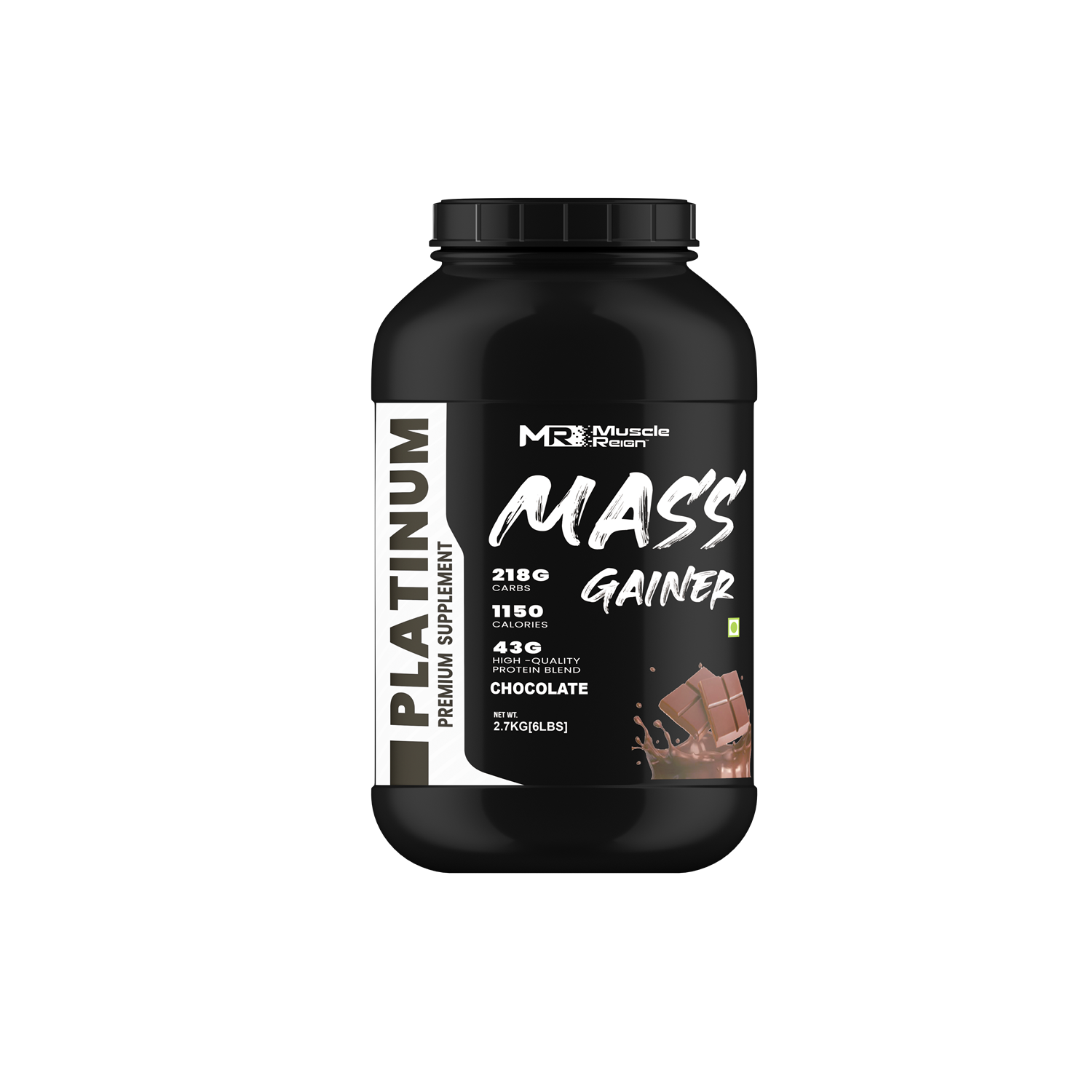
For intermediate and advanced lifters needing to maximize strength output as gains slow, Creatine Monohydrate supports consistent performance across training sessions, helping you continue applying progressive overload even as your rate of visible change naturally decelerates. For those in a deliberate calorie surplus to support muscle gain, Peak Prime Bulk offers a convenient way to sustain the surplus needed for continued growth.
Patience is the real variable supplements can't replace - but consistent nutrition ensures your training effort isn't being wasted along the way.
Common Mistakes People Make With Timeline Expectations
- Comparing their beginner timeline to an advanced lifter's slower progress, or vice versa
- Quitting during weeks 4-8 before visible hypertrophy has had time to appear
- Expecting influencer-level transformation speed, often achieved with different genetics, training history, or assistance
- Not tracking smaller progress markers (strength, measurements) once visible size change slows at intermediate/advanced stages
- Assuming slowed progress means a plateau requiring drastic changes, when it's simply the expected trajectory of training age
Possible Considerations
Individuals pursuing unusually rapid or extreme timelines through aggressive caloric deficits or excessive training volume risk injury, poor recovery, and unsustainable results. Anyone with significant, unexplained changes in body composition should consult a physician, as this can occasionally indicate an underlying health issue unrelated to training.
Frequently Asked Questions
How long does it take to see visible muscle growth as a beginner?
Most beginners notice visible muscle changes within 8-12 weeks of consistent training and adequate protein intake, though initial strength gains often appear within 2-4 weeks due to neurological adaptation.
How much muscle can I realistically gain in a year?
Beginners may gain roughly 5-10kg of lean muscle in their first year under ideal conditions, while intermediate lifters typically gain 3-6kg, and advanced lifters considerably less due to approaching their genetic ceiling.
Why did my muscle gains slow down after a few months?
This is expected. Rapid beginner "newbie gains" driven largely by neural adaptation naturally slow as your training age increases and your body approaches its genetic ceiling for muscle growth.
Is it possible to build significant muscle in just 4-6 weeks?
Not substantially in terms of muscle tissue, though visible changes from reduced water retention, improved posture, or slight fat loss can create the appearance of faster progress than actual muscle gained.
Do women build muscle at the same rate as men?
Women generally build muscle at a somewhat slower absolute rate than men, primarily due to hormonal differences (lower testosterone), though the same relative training principles and stages apply.
Does muscle memory make regaining muscle faster after a break?
Yes. Previously trained muscle regains size and strength faster than building from a true beginner baseline, due to retained cellular adaptations from earlier training.
How long does it take advanced lifters to build muscle?
Advanced lifters typically gain 0.1-0.25kg of lean muscle per month, requiring 6 or more months to notice meaningful visible change, given proximity to their genetic ceiling.
Can I speed up my muscle building timeline?
Consistent progressive overload, adequate protein intake, sufficient sleep, and a modest caloric surplus optimize your rate of muscle gain, though genetics and training age set the overall pace.
Why do transformation photos online look faster than my own progress?
Many factors can influence this, including different starting points, genetics, training history, photography/lighting techniques, and in some cases, factors not disclosed by the individual.
Is a caloric surplus necessary to build muscle at a normal rate?
A modest surplus generally supports optimal muscle growth, though beginners in particular can build some muscle even at maintenance or a slight deficit due to their higher initial adaptive capacity.
How do I know if I'm progressing normally for my experience level?
Compare your rate of visible change and strength gains against the general timeline for your specific training age (beginner, intermediate, advanced) rather than against unrelated transformation content.
Does age affect how long it takes to build muscle?
Age can modestly influence recovery capacity and hormone levels, but resistance training remains highly effective at building muscle across adult age ranges when training age (experience) is accounted for.
The Honest Answer
Building muscle isn't a fixed timeline - it's a curve that starts fast and gradually slows as your training experience increases. Beginners get the fastest, most rewarding phase; intermediate and advanced lifters trade speed for smaller, harder-earned gains. Neither is a flaw in your effort. Understanding which stage you're in is what keeps you consistent through the months where progress isn't loud, but is still happening.
Ready to Support Your Muscle-Building Timeline?
Whatever stage you're in, consistent protein and recovery support make sure your training effort isn't wasted. Explore Muscle Reign's Whey Protein and Creatine range at www.musclereign.com and fuel the timeline you're actually on.