How to Choose a High-Quality Whey Protein: A Step-by-Step Buying Checklist
With dozens of whey protein brands crowding shelves and e-commerce listings in India, choosing one often comes down to whichever has the most aggressive discount or the most convincing Instagram ad. That's not a quality-selection process—it's a guessing game.
How to choose a high-quality whey protein actually comes down to a specific, repeatable checklist you can run through in under five minutes before any purchase, cutting through marketing noise to check what genuinely matters.
This guide walks through that exact process—what to check on the label, what red flags to watch for, and how to verify a brand's claims before your money is spent.
Why a Checklist Approach Works Better Than Brand Reputation Alone
Brand recognition, price, and packaging tell you almost nothing about actual product quality. A systematic checklist—checking specific, verifiable label details—gives you an objective way to compare products, regardless of marketing budget or influencer promotions.
The Step-by-Step Whey Protein Buying Checklist
Step 1: Check the Protein Content Per Scoop
Look at the actual nutrition panel, not the front-label claim. Divide protein grams by total scoop weight. A legitimate whey protein typically contains 70–90% protein by weight, depending on concentrate or isolate.
Step 2: Review the Full Ingredient List
A shorter ingredient list with recognizable ingredients (whey protein concentrate/isolate, flavoring, natural sweetener) usually indicates a cleaner formulation than products packed with gums, fillers, and artificial additives.
Step 3: Verify the Amino Acid Profile
Check whether the brand discloses a complete essential amino acid breakdown, including leucine content. Transparency here signals confidence in the formulation.
Step 4: Look for FSSAI Certification (India-Specific)
Confirm that the product carries a valid FSSAI license. This indicates the manufacturer meets baseline food safety standards.
Step 5: Check for Third-Party Testing
Brands that disclose laboratory testing for label accuracy, heavy metals, or banned substances demonstrate greater accountability than vague "premium quality" claims.
Step 6: Calculate the Real Price Per Gram of Protein
Divide the product price by the total grams of protein (not tub weight). This provides a much more accurate comparison across brands.
Step 7: Check the Batch Number and Manufacturing Date
Legitimate products clearly display batch numbers and manufacturing/expiry dates, allowing full traceability.
Step 8: Read Verified Reviews
Read verified purchase reviews for feedback on taste, mixability, and digestive comfort rather than relying on brand testimonials.
Step 9: Compare Against the Front Label
Ensure the nutrition facts match the marketing claims on the front of the tub. Significant discrepancies are a major red flag.
Step 10: Check Seller Authenticity
Purchase from official brand websites or verified marketplace sellers to reduce the risk of counterfeit supplements.
What to Look For at Each Stage
| Checklist Item | Quality Indicator | Red Flag |
|---|---|---|
| Protein Per Scoop | 70–90% protein by weight | Large difference between claim and nutrition panel |
| Ingredient List | Short, recognizable ingredients | Long list of fillers and additives |
| Amino Acid Profile | Complete disclosure including leucine | Missing or vague |
| FSSAI Certification | Valid and visible | Missing or unverifiable |
| Third-Party Testing | Clearly disclosed | No mention of testing |
| Price Per Gram | Competitive value | High price with low protein content |
| Batch Details | Clearly printed | Missing or unreadable |
| Reviews | Verified purchases | Only brand testimonials |
Common Myths About Choosing Whey Protein
| Myth | Reality |
|---|---|
| Expensive whey is always better. | Price often reflects marketing more than quality. |
| Imported brands are always superior. | Quality depends on manufacturing standards, not country. |
| Marketplace products are always genuine. | Counterfeit supplements can appear even on major platforms. |
| Celebrity endorsements mean better quality. | They reflect marketing budgets, not formulation quality. |
| FSSAI certification guarantees premium quality. | It confirms food safety compliance—not nutritional superiority. |
Who Should Follow This Checklist?
- First-time buyers
- People switching brands
- Budget-conscious buyers
- Online shoppers
Red Flags That Should Make You Walk Away
- Protein content doesn't match the nutrition panel.
- No FSSAI certification.
- Missing manufacturing or expiry date.
- Suspiciously cheap pricing.
- No amino acid profile.
- Unverified seller.
Price Per Gram Comparison Example
| Product | Price | Total Protein | Price Per Gram |
|---|---|---|---|
| Brand A | ₹2,500 | 700g | ₹3.57/g |
| Brand B | ₹1,800 | 500g | ₹3.60/g |
| Brand C | ₹3,000 | 850g | ₹3.53/g |
How Muscle Reign Supports Informed Buying Decisions
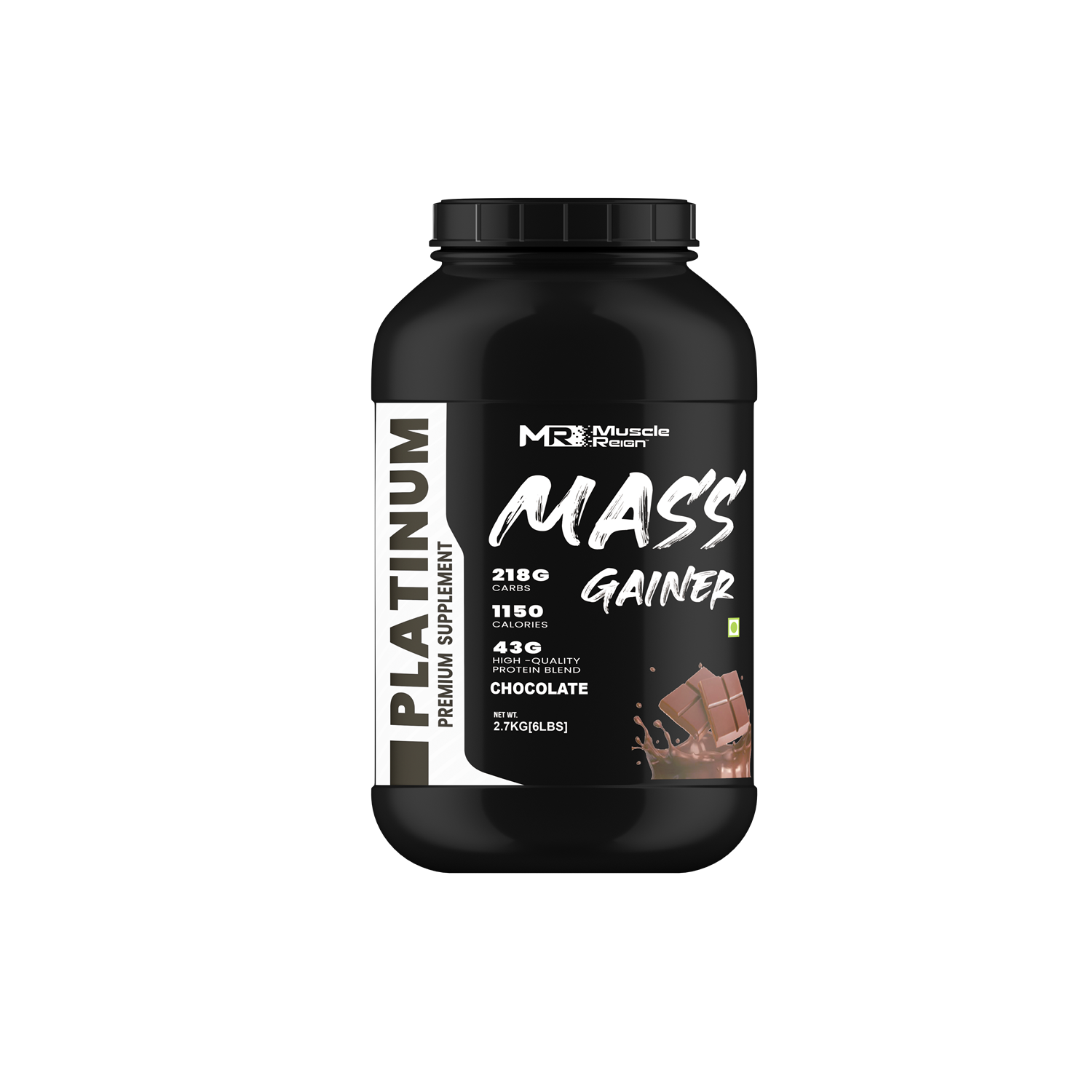
Rather than asking customers to trust marketing claims, Muscle Reign encourages buyers to evaluate products using this same checklist. Its products include transparent protein-per-scoop information, ingredient disclosure, and batch traceability.
Common Mistakes People Make
- Trusting front-label claims without checking the nutrition panel.
- Comparing tub prices instead of price per gram of protein.
- Ignoring FSSAI certification.
- Buying from unverified sellers.
- Trusting only brand testimonials.
Possible Considerations
People with dairy or soy allergies should carefully review the ingredient list before purchasing any whey protein supplement.
Frequently Asked Questions
What's the most important thing to check?
Protein content per scoop compared to scoop weight and verified against the nutrition panel.
How can I identify a genuine whey protein?
Purchase from official websites or verified sellers and verify FSSAI certification, batch number, and manufacturing details.
Is FSSAI certification enough?
No. It confirms food safety compliance but does not guarantee nutritional quality.
How do I calculate value?
Divide the product price by the total grams of protein in the container.
Should I trust online reviews?
Verified purchase reviews are generally more reliable than brand testimonials.
The Honest Answer
Choosing a high-quality whey protein isn't about buying the most expensive product or following influencer recommendations. Check the nutrition panel, read the ingredient list, verify certifications, confirm batch details, and calculate price per gram of protein before making a purchase.
Ready to Put a Product to the Test?
Run this checklist on Muscle Reign's whey protein range. Verify the label, compare the numbers, and make your purchase based on evidence—not marketing.