Morning Gym vs Night Gym: Does Your Supplement Strategy Actually Need to Change?
Two people follow the exact same training programme. One trains at 6 AM before work, fasted, with nothing but water in his system since the night before. The other trains at 8 PM after a full workday, coming off lunch eaten nine hours earlier and a light evening snack. Same exercises, same sets, same reps - but the physiological starting point for each session is completely different, and that difference has real implications for how supplements should be timed and chosen. Most supplement advice in India treats "before your workout" and "after your workout" as fixed windows that apply identically regardless of what time those windows actually fall. They don't. This guide breaks down what genuinely changes between morning and evening training, what doesn't, and how to adjust your supplement routine to the clock you actually train on.
What Actually Changes Between Morning and Evening Training
Fasting state. A 6-7 AM session typically follows 8-10 hours without food. An 8 PM session usually follows a meal within the last 3-6 hours. This single difference affects glycogen availability, amino acid circulation, and how your body responds to stimulants. Cortisol rhythm. Cortisol naturally peaks in the early morning as part of the body's normal wake cycle, which can support alertness for early sessions but also means morning training adds to an already-elevated stress hormone level. Caffeine's proximity to sleep. A pre-workout taken at 6 AM has 16+ hours to clear your system before bedtime. The same pre-workout taken at 7-8 PM can still have meaningful caffeine circulating at midnight, given caffeine's several-hour half-life. Glycogen and carbohydrate timing. Morning trainees start with glycogen depleted by the overnight fast. Evening trainees usually start with glycogen partially replenished from the day's meals, but that depends heavily on what and when they last ate.
Myths Worth Dropping
| Myth | Reality |
|---|---|
| Pre-workout timing doesn't matter as long as you take it before training | Caffeine's multi-hour half-life means a pre-workout taken close to bedtime can measurably disrupt sleep quality even if training itself was hours earlier |
| You should never train fasted in the morning | Fasted morning training is fine for many people; the consideration is whether your specific session (heavy strength work vs light cardio) benefits from some pre-training fuel |
| Creatine needs to be timed around your workout | Research shows daily consistency matters far more than timing; creatine works identically whether taken in the morning or evening, on training days or rest days |
| Evening training always means a worse anabolic response | Total daily protein and training stimulus matter more than time of day; well-fed evening sessions are not inherently inferior to morning ones |
| Protein timing needs to shift dramatically based on training time | Total daily protein intake remains the primary driver regardless of when you train; what changes is which specific meal sits closest to your session |
What the Research Actually Shows
Research on training performance and time of day suggests that while some people show slightly better strength output in the afternoon and evening due to core body temperature and hormonal patterns, the difference is modest and consistency of training time matters more than which specific window is chosen. What's better established is that fasted training can reduce performance for longer or higher-intensity sessions, since muscle glycogen availability directly affects output during resistance work performed above moderate intensity. Caffeine research is clearer on the sleep interaction: caffeine has a half-life of roughly five to six hours in most adults, meaning a dose taken at 7 PM can still leave a meaningful amount circulating at 1 AM. For evening trainees, this makes stimulant dosage and timing a genuinely different decision than it is for someone training at sunrise.
The Morning Training Strategy
Before training: If your session is primarily strength-focused and lasts 45+ minutes, a small amount of pre-training fuel - a banana, a small protein shake - can support performance better than training fully fasted. If your session is shorter or lighter, training fasted is a reasonable choice many people tolerate well. During training: For fasted sessions, an EAA-based intra-workout can help maintain amino acid availability, since circulating amino acids are naturally lower after an overnight fast. Pre-workout consideration: Morning is the most forgiving window for stimulant-containing pre-workouts, since caffeine has the full day to clear before bedtime. After training: This is the most important recovery window for morning trainees, since it's often the first substantial food or protein intake of the day after a long overnight gap.
The Evening Training Strategy
Before training: A light snack 60-90 minutes before an evening session - fruit, a small protein shake, roasted chana - helps top up glycogen that's naturally lower by the end of a working day. Stimulant caution: If using a pre-workout, consider a lower-caffeine option or half-serving for sessions after 6-7 PM, particularly if bedtime is within 6 hours of training. Post-workout, pre-dinner gap: Evening trainees often finish a session an hour or more before dinner is ready. A protein shake in this window bridges that gap without requiring a full meal immediately after training. Before bed: For evening trainees whose dinner is light or early, a slower-digesting protein option before sleep can support overnight recovery, since this is the longest gap without food in an evening trainee's day.
Morning vs Evening: Quick Comparison
| Factor | Morning Training | Evening Training |
|---|---|---|
| Typical fasting state | 8-10 hours fasted | 3-6 hours since last meal |
| Glycogen status | Lower, overnight-depleted | Higher, topped up through the day |
| Pre-workout stimulant timing | Most forgiving window | Requires caution near bedtime |
| Highest-value recovery window | Immediately post-training (breaks the fast) | Post-training and again before bed if dinner is light |
| Creatine timing | Any time, with consistency | Any time, with consistency |
| Protein priority meal | Breakfast/post-workout | Post-workout, pre-dinner gap |
What Stays Exactly the Same Either Way
Creatine. Timing relative to your workout has minimal research-supported benefit compared to simply taking it every day, regardless of whether that's 6 AM or 9 PM. Total daily protein target. Your 1.6-2.2g/kg daily requirement doesn't change based on training time - what changes is which meal is closest to your session and therefore most convenient for a shake. Hydration needs. Both morning and evening trainees need consistent hydration through the day, not just around the session itself.
How Muscle Reign Supports Either Training Time
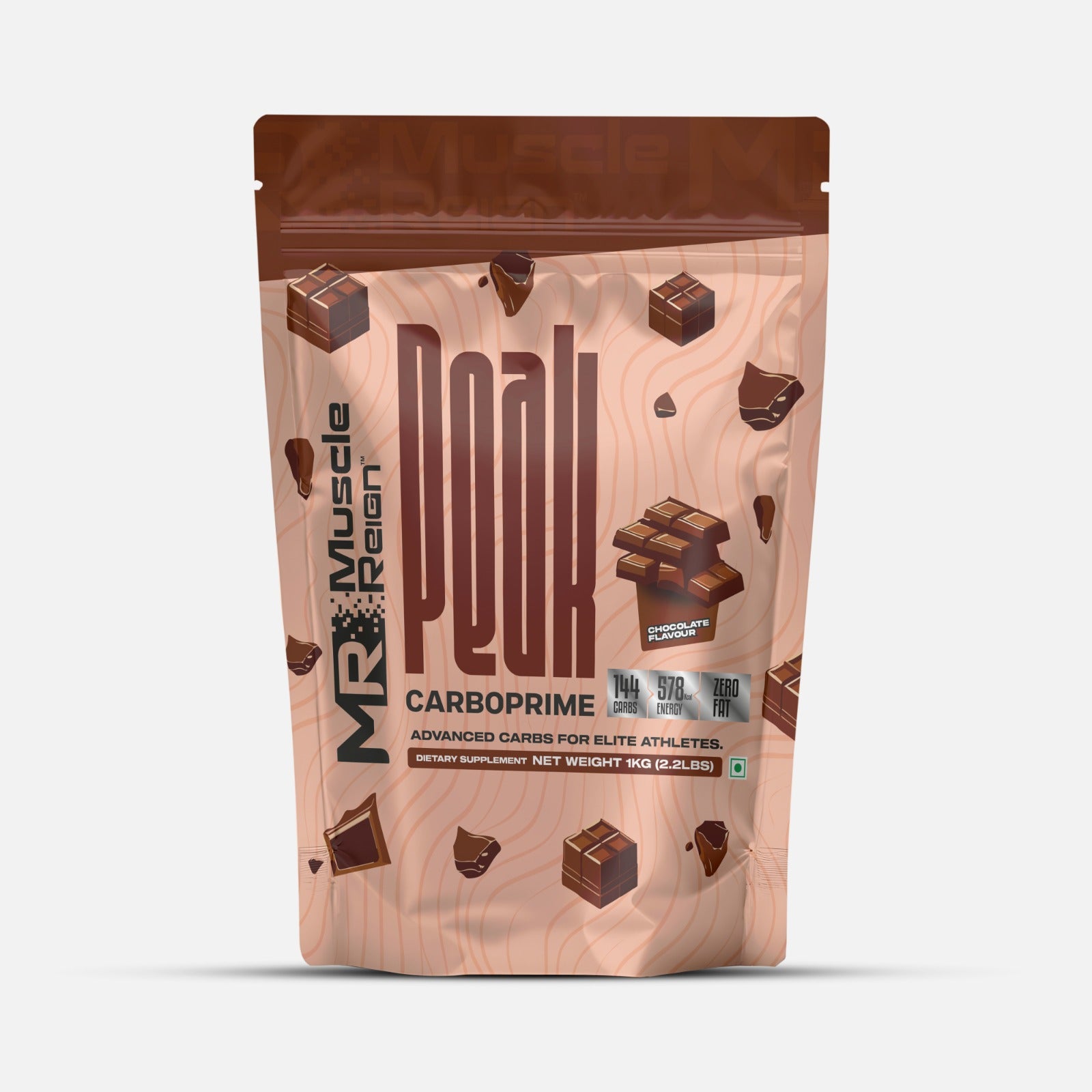
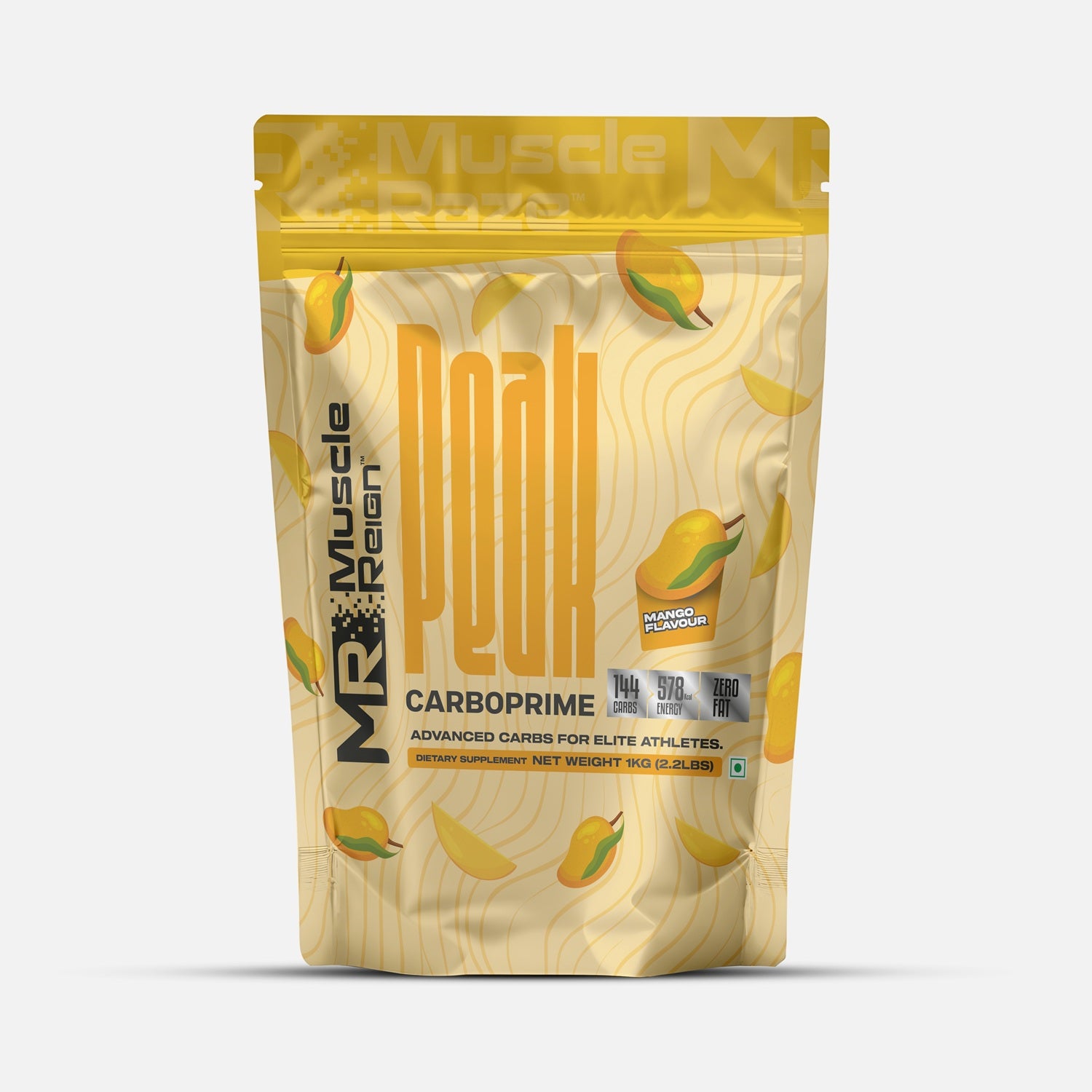
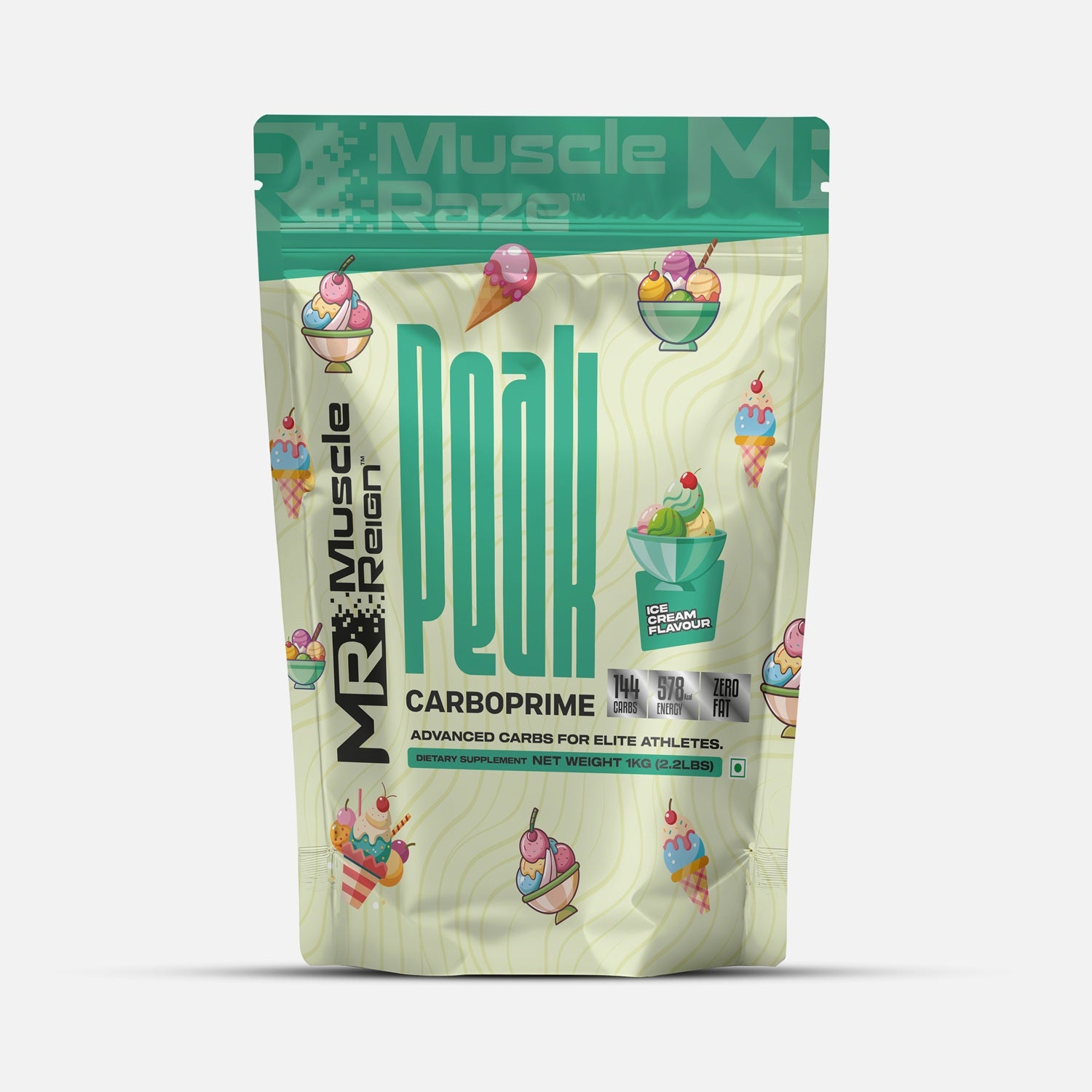
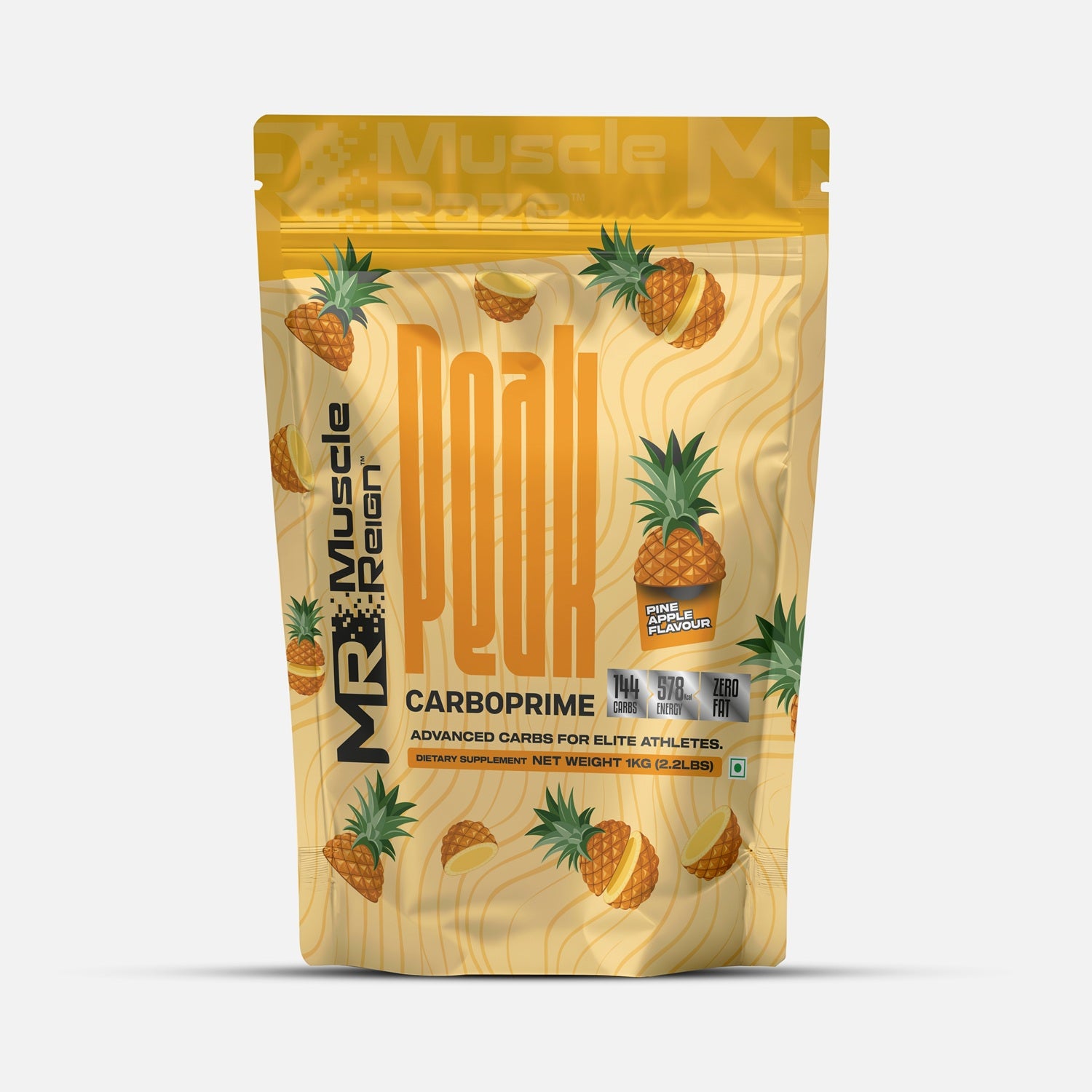
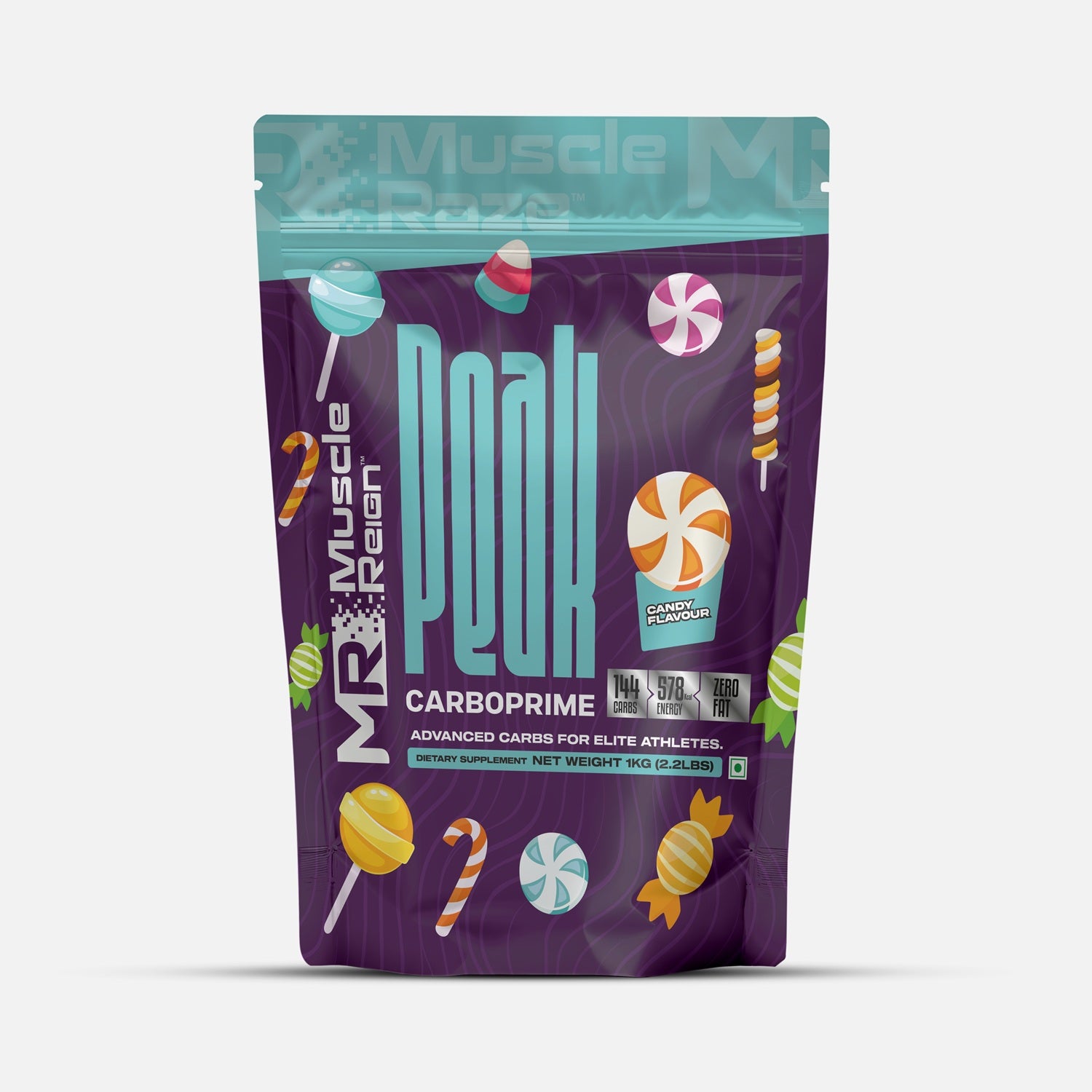
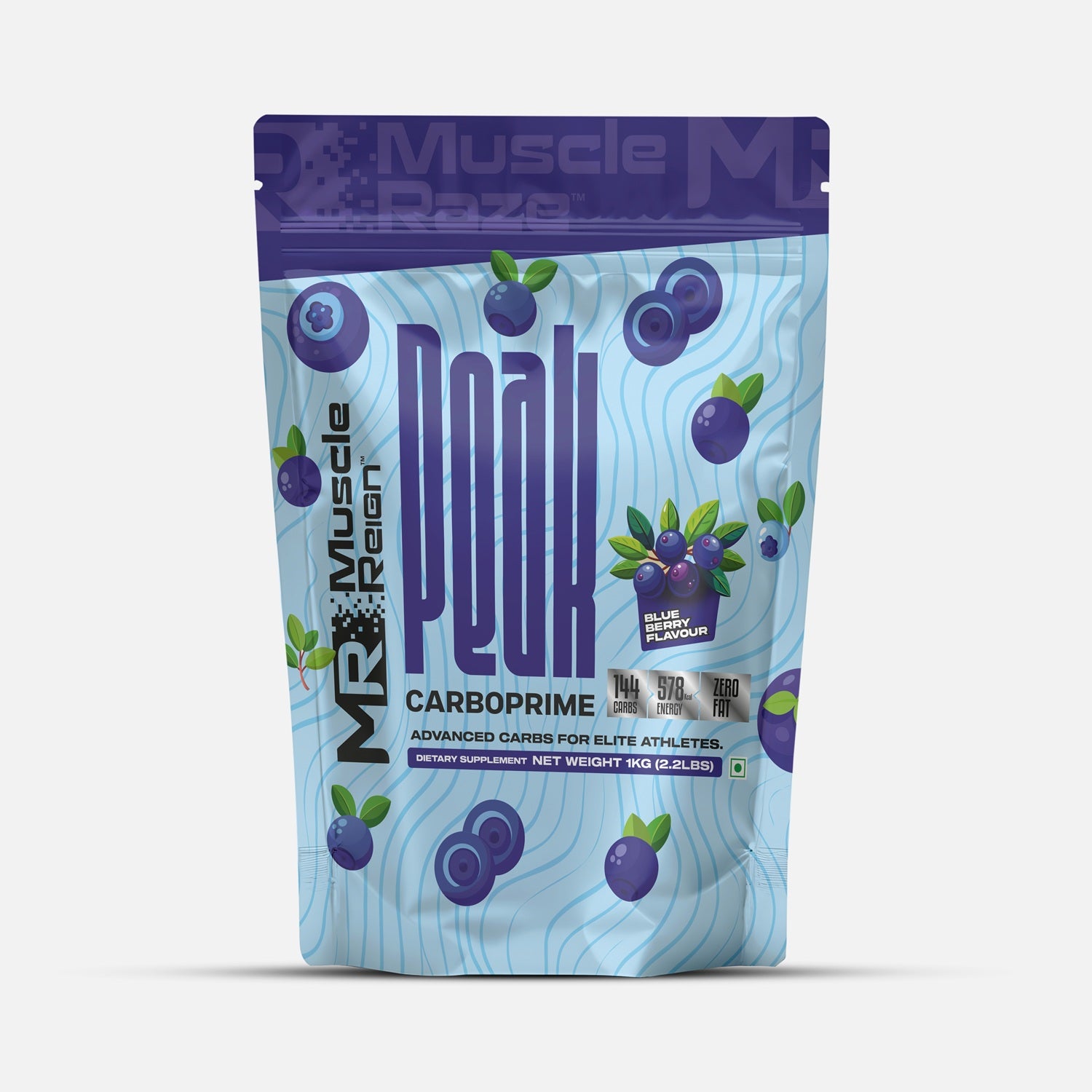
For fasted morning sessions, EAA+Lyte provides a complete amino acid profile to support the session before your first real meal arrives, alongside electrolytes to offset overnight fluid loss. For evening trainees managing the caffeine-and-sleep balance, Peak offers a more moderate stimulant profile suited to sessions where a heavier pre-workout could interfere with sleep, while Peak Hell remains better reserved for morning or early-afternoon sessions given its higher caffeine content. Creatine Monohydrate belongs in either routine exactly the same way - taken daily, at whatever time is easiest to remember, whether that's stirred into a morning shake or an evening glass of water. For evening trainees bridging the gap between a workout and a late dinner, Peak Whey Concentrate or Blended ISO Lean taken immediately post-session prevents that gap from becoming a missed recovery window.
Common Mistakes People Make
- Taking a high-caffeine pre-workout close to bedtime, disrupting sleep without realising the connection
- Training fasted for long, heavy sessions without adjusting expectations for reduced performance
- Assuming creatine needs precise timing relative to a morning or evening session
- Skipping the post-workout window entirely for evening trainees who assume dinner alone will cover recovery
- Using the same pre-workout dose year-round regardless of how training time shifts with the season or schedule
Possible Considerations
Those sensitive to caffeine or managing anxiety, cardiovascular conditions, or sleep disorders should be particularly cautious about stimulant timing for evening sessions and may benefit from a stimulant-free pre-workout option instead. Anyone training fasted who experiences dizziness, unusual fatigue, or persistent low energy should reassess whether pre-training fuel is genuinely needed for their specific session type, and consult a physician if symptoms persist.
Frequently Asked Questions
Does creatine work differently if I take it in the morning versus at night? No. Research consistently shows that daily consistency matters far more than the specific time creatine is taken. It works identically whether it's part of a morning or evening routine. Is it bad to take pre-workout before an evening gym session? It depends on the caffeine content and how close training is to bedtime. A high-caffeine pre-workout taken after 6-7 PM can still be circulating in your system near bedtime, which may disrupt sleep quality even if you don't feel obviously "wired." Should I train fasted if I only have time for morning workouts? For shorter or lighter sessions, many people tolerate fasted training well. For longer or heavier strength sessions, some pre-training fuel - even something small - often supports better performance than training fully fasted. Does protein timing need to change based on when I train? Your total daily protein target stays the same regardless of training time. What changes is which specific meal or shake sits closest to your session, since that's usually the most convenient moment to prioritise protein intake. Is evening training worse for muscle growth than morning training? No credible evidence supports this. Total training stimulus, total daily protein, and consistency matter far more than what time of day the session happens. What's the best pre-workout option for someone training after 7 PM? A lower-caffeine or stimulant-free pre-workout is generally a safer choice for late sessions, since it reduces the risk of caffeine interfering with sleep onset later that night. Do I need electrolytes more for morning or evening training? This depends more on session length, intensity, and heat than on time of day specifically, though evening sessions in India often coincide with the day's peak accumulated heat exposure, which can increase electrolyte needs. Should I eat before a 6 AM gym session? It's not mandatory, but for longer or heavier sessions, a small amount of easily digestible food or a small protein shake 20-30 minutes before training can support better output than training completely empty. How long before bed should I stop taking caffeine if I train in the evening? A general guideline is avoiding caffeine within 5-6 hours of your intended bedtime, adjusted for individual sensitivity, which for many evening trainees means being cautious with pre-workout after roughly 6-7 PM. Does the time I train affect how much protein I need per meal? Not the total daily requirement, though a meal or shake in the 25-40g range around your specific training window - morning or evening - supports consistent muscle protein synthesis regardless of when that window falls.
The Honest Answer
Your training time changes two real things - how fasted you are going in, and how close a stimulant dose sits to your bedtime. Everything else, including your total daily protein target and how creatine should be timed, stays the same whether you train at sunrise or after dinner. Adjust for the fasting state and the caffeine clock, and the rest of your supplement routine doesn't need to change just because your gym slot did.
Ready to Build a Routine That Fits Your Actual Schedule?
Whether you're training before the city wakes up or after a full workday, your supplements should match your clock, not fight it. Explore Muscle Reign's Whey Protein, Creatine, and EAA+Lyte range at www.musclereign.com and build a routine around the hours you actually train.