You Eat Enough Protein But Still Aren't Recovering: A Checklist Beyond Protein Intake
You track your protein. You hit your number most days — maybe all seven. Your whey shake is a habit, not a chore anymore. And yet you're still dragging into Wednesday's session, still sore from Monday, still wondering why recovery feels harder than it should for someone doing "everything right." Here's the uncomfortable truth: protein is rarely the actual bottleneck once you're already hitting your target. It's the variable gym culture talks about most, so it's the first place people look — and the first place they stop looking, even when the real issue is sitting somewhere else entirely. Recovery is a systemic process, not a single-nutrient one. This is the checklist for what's actually left once protein is off the table.
Why "More Protein" Stops Being the Answer
Muscle protein synthesis has a ceiling. Once your daily intake is consistently in the researched range for active adults, additional protein doesn't accelerate recovery further — it just gets used for energy or excreted. If you're already hitting your number and still not bouncing back between sessions, adding more protein isn't solving a problem that protein was ever going to solve. The bottleneck has moved somewhere else, and it's worth actually finding out where.
The Checklist: What to Look At Beyond Protein
1. Total Training Volume vs. Recovery Capacity
Recovery isn't just about nutrition — it's about whether the amount of training stress you're generating is something your current recovery capacity can actually absorb. If you've recently increased sets, added a training day, or pushed intensity without a corresponding increase in sleep, calories, or rest between sessions, you can end up accumulating fatigue faster than you're clearing it, regardless of how well-fed you are. Check: Have you increased weekly volume, frequency, or intensity in the last few weeks without a deload or a corresponding increase in recovery support?
2. Total Daily Calories
Protein adequacy inside a significant calorie deficit is still a deficit. If you're eating enough protein but running a larger-than-intended shortfall in total calories — common when people track protein carefully but estimate the rest of their intake loosely — your body has less raw energy available for repair, tissue synthesis, and hormonal function, regardless of how much protein is technically present. Check: Are you tracking total calories, or only protein? Undercutting total intake while hitting protein is a common, easy-to-miss pattern.
3. Carbohydrate Intake and Glycogen Status
Protein repairs tissue. Carbohydrates restore the muscle glycogen your training actually depletes. If carbohydrate intake is consistently low — a common outcome of protein-focused tracking that quietly deprioritizes carbs — your muscles can be starting each subsequent session partially depleted, which shows up as flat performance and a heavier, harder-to-recover-from feeling, independent of protein status. Check: Is your carbohydrate intake adequate for your training volume, or has it become the macro you cut without noticing?
4. Sleep Duration and Quality
A significant share of the hormonal environment that supports recovery — growth hormone release, cortisol regulation — is tied to sleep, particularly deep sleep stages. Consistently short or fragmented sleep can blunt recovery in ways that no amount of correctly timed protein compensates for. Check: Are you consistently getting close to seven hours, and is that sleep reasonably uninterrupted — or is quantity there but quality compromised by late screens, inconsistent bedtimes, or stress?
5. Hydration and Electrolyte Status
Fluid and electrolyte balance affect nutrient transport, muscle contraction quality, and general recovery processes. Chronic mild dehydration — easy to fall into with inconsistent daily water intake, especially in a hot climate — can contribute to the same fatigued, under-recovered feeling that gets automatically attributed to nutrition. Check: Is your daily fluid intake consistent, or does it fluctuate significantly based on how busy the day gets?
6. Life Stress and Cortisol Load
Training is one source of physiological stress. Work deadlines, poor sleep, financial pressure, and general life stress are others — and they draw on overlapping recovery resources. Chronically elevated stress can blunt recovery independent of anything happening in the gym or on your plate. Check: Has non-training stress increased recently? Recovery struggles that started alongside a stressful period at work are a real pattern, not a coincidence.
7. Training Frequency for the Same Muscle Groups
Training the same muscle group again before it's had adequate time to recover — commonly 48-72 hours for moderate training stimulus — can blunt the adaptation from the previous session rather than building on it, regardless of how well-recovered your nutrition looks on paper. Check: Are you allowing adequate spacing between sessions hitting the same muscle groups, or is your split unintentionally overlapping more than you realise?
Myths About Recovery and Protein
| Myth | Reality |
|---|---|
| If recovery feels off, the fix is always more protein | Once daily protein intake is already adequate, additional protein rarely resolves recovery issues — the bottleneck has usually shifted to calories, carbs, sleep, or training volume |
| Soreness is the only sign of poor recovery | Declining performance, flat energy, mood changes, and disrupted sleep are all common signs of inadequate recovery that don't necessarily involve visible soreness |
| Sleep quantity is all that matters for recovery | Sleep quality — particularly uninterrupted deep sleep stages — matters alongside total hours; seven fragmented hours doesn't provide the same recovery benefit as seven consolidated ones |
| Hydration is only relevant during the workout itself | Chronic, low-grade dehydration across the day, not just during training, can contribute to a generally under-recovered feeling that's easy to misattribute to diet |
| Recovery problems are always physical, never about stress | Non-training life stress draws on overlapping physiological recovery resources and can meaningfully affect how well you bounce back between sessions |
Who Should Work Through This Checklist
Anyone who's confident their protein is dialed in but still experiencing flat performance, persistent soreness, or general fatigue that doesn't match their training log. People who recently increased training volume or frequency without a corresponding increase in sleep, calories, or recovery days. Those tracking protein carefully but estimating everything else — a very common pattern where one macro gets precise attention while calories, carbs, sleep, and stress go unmonitored. Anyone going through a demanding period at work or in life whose training and nutrition haven't changed, but whose recovery clearly has.
How to Actually Use This Checklist
Work through it in order of likelihood, not alphabetically. Total calories and training volume are the two most common actual culprits when protein is already adequate — start there before assuming something more complicated is going on. Change one variable at a time. If you adjust calories, sleep, and training volume simultaneously, you won't know which one actually moved the needle, and you'll lose the information that would help you avoid the same problem next time. Give any single adjustment at least one to two weeks before concluding it didn't help. Recovery adaptations, especially from sleep and calorie changes, aren't always immediate. Track more than just protein going forward. If protein-only tracking is what created this blind spot, a broader tracking habit — even loosely, for a couple of weeks — prevents it from recurring.
How Muscle Reign Supports the Fuller Picture
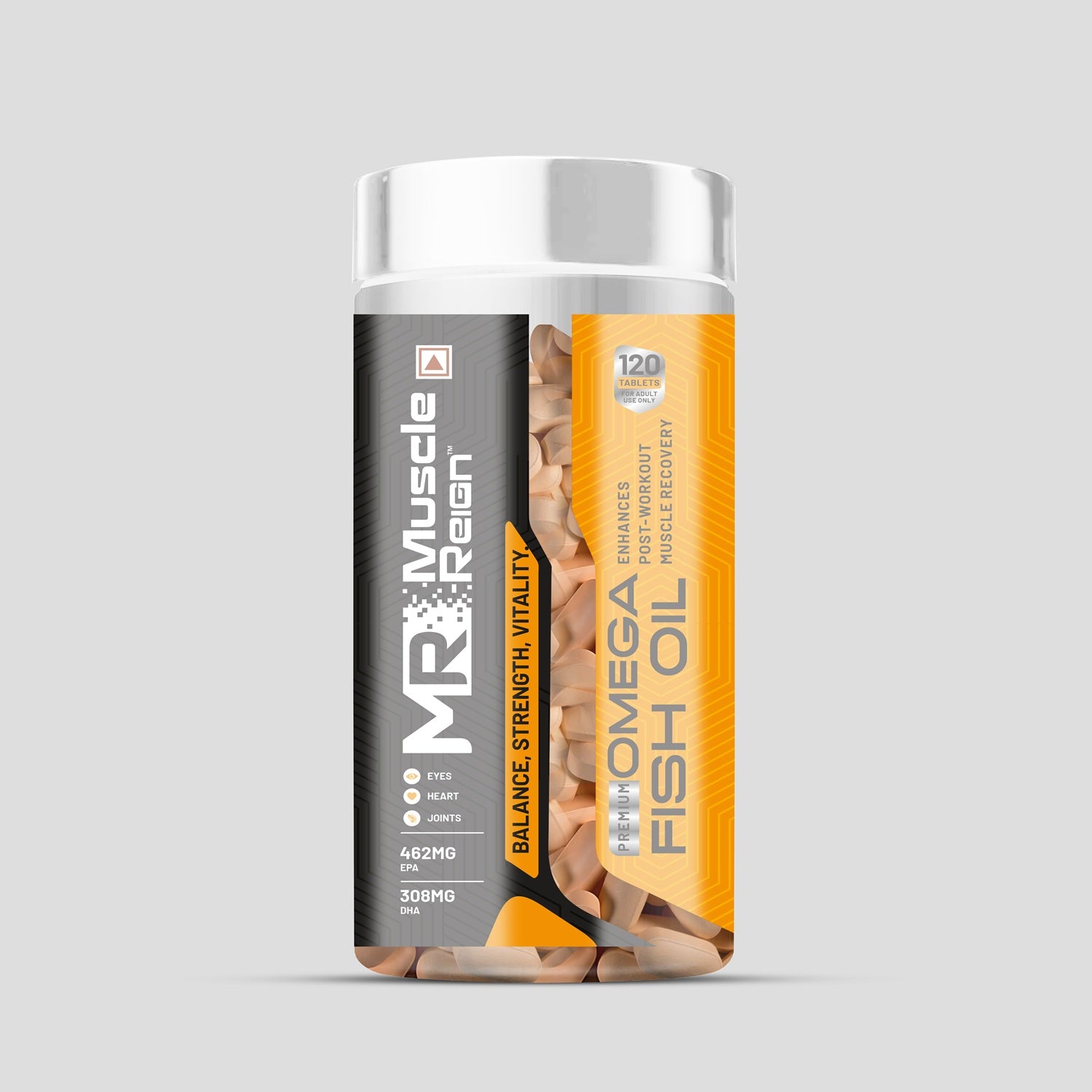
Protein products solve the protein variable — which, by definition, isn't the problem for someone using this checklist. What actually supports recovery once protein is handled tends to sit in the systemic layer: hydration, electrolyte balance, and general anti-inflammatory support. For hydration and electrolyte status specifically, EAA+Lyte addresses both amino acid availability and the sodium-potassium balance that supports muscle function and fluid balance — relevant if hydration turns out to be the overlooked variable. For the broader inflammatory and recovery environment that operates independently of protein intake, Nitra Series Omega-3 supports the resolution of exercise-induced inflammation over consistent, longer-term use — a factor entirely separate from how much protein you're eating. None of this replaces actually addressing calories, sleep, training volume, or stress if those turn out to be the real issue. Supplementation supports a system that's already structurally sound — it doesn't fix a system where the fundamentals are misaligned.
Common Mistakes People Make
- Adding more protein when recovery stalls, without checking whether protein was ever actually the limiting factor
- Tracking protein precisely while estimating calories and carbs loosely, creating a blind spot in the exact area most likely to be the real issue
- Treating sleep as fixed and unchangeable, rather than as an actionable recovery variable
- Ignoring hydration as a recovery factor because it "isn't nutrition" in the way protein and calories are
- Changing multiple variables at once when troubleshooting, making it impossible to identify what actually fixed the problem
Possible Considerations and When to See a Professional
Persistent fatigue, declining performance, and disrupted sleep that don't improve after working through training volume, calories, carbohydrates, hydration, and stress may indicate overtraining or another underlying issue and warrant a conversation with a physician. If recovery struggles are accompanied by unexplained weight changes, persistent low mood, or symptoms unrelated to training, it's worth speaking with a healthcare professional rather than continuing to adjust training and nutrition variables alone.
Frequently Asked Questions
If my protein is already adequate, why do people keep telling me to eat more? Protein gets disproportionate attention in gym culture because it's the easiest variable to point to. Once your intake is genuinely in the adequate range, more protein rarely resolves recovery issues — the actual cause has usually shifted elsewhere. How do I know if my calorie intake is the real issue, not protein? Track total daily calories, not just protein, for a week or two. It's common to hit a precise protein number while significantly undercutting total intake without realizing it, which limits recovery regardless of protein adequacy. Can poor sleep really undo good nutrition for recovery? Yes, to a meaningful degree. A significant portion of the hormonal environment supporting muscle repair is tied to sleep, particularly deep sleep stages — chronic sleep restriction can blunt recovery in ways that nutrition alone doesn't fully compensate for. Is it normal to need more carbs than I think if I'm training hard? Yes, particularly for those tracking protein closely but treating carbohydrates as an afterthought. Carbohydrates restore the glycogen your training depletes, and consistently low intake can leave sessions feeling flat regardless of protein status. How much does hydration actually affect recovery day to day? More than most people assume. Chronic, low-grade dehydration across the day — not just during workouts — can contribute to a generally under-recovered feeling that often gets misattributed to diet or training. Can stress from work actually affect gym recovery? Yes. Training and non-training life stress draw on overlapping physiological resources involved in recovery. A demanding period at work with poor sleep and high stress can measurably affect how well you bounce back between sessions, independent of nutrition. How long should I try adjusting one variable before moving to the next on this checklist? Roughly one to two weeks per adjustment is a reasonable window, since some recovery factors — particularly sleep and calorie changes — take time to show their full effect. Is training the same muscle group too often actually a recovery problem, not a nutrition one? Yes, and it's a commonly overlooked cause. Training a muscle group again before it's had adequate recovery time, typically 48-72 hours, can blunt the previous session's adaptation regardless of how well-recovered you are nutritionally. Should I check all of these factors at once, or one at a time? One at a time where possible. Changing several variables simultaneously makes it difficult to identify which one was actually responsible for any improvement, which limits what you learn for next time. Do supplements help with recovery issues that aren't related to protein? They can support specific factors like hydration, electrolyte balance, and general inflammatory response, but they don't substitute for addressing the underlying issue if it's rooted in calories, sleep, training volume, or stress.
The Honest Answer
If your protein is genuinely adequate and recovery still isn't happening, protein was never the variable to keep adjusting. The real answer is almost always sitting in one of six other places — total calories, carbohydrate intake, sleep, hydration, training volume, or life stress — and working through them systematically, one at a time, gets you to the actual cause far faster than assuming the answer is simply eating more of the macro that's already handled.
Ready to Look Past Protein?
Recovery is a system, not a single number. Explore Muscle Reign's EAA+Lyte and Omega-3 range at www.musclereign.com to support the parts of recovery that protein alone was never going to cover.