Omega-3, Multivitamins and Protein: Why "Healthy" Supplements Still Need a Purpose
Somewhere along the way, a small group of supplements quietly graduated from "things you take for a specific reason" to "things a health-conscious person just has." Omega-3, a multivitamin, a protein shake - all three show up in shopping carts and supplement shelves not because someone checked whether their diet actually has a gap, but because all three sound broadly, vaguely healthy. That's a weaker reason to take something daily than it sounds like.
None of this is an argument against these three supplements. All three have genuine, evidence-backed uses. The argument is narrower and more useful than that: even a supplement with strong research behind it is only doing something for you if it's addressing a gap you actually have. "It's healthy" and "I need this" are two different questions, and most people have stopped asking the second one.
Why "Healthy" Became a Substitute for "Necessary"
Supplement marketing, wellness culture, and a reasonable general instinct toward looking after your health have all pushed in the same direction: a short list of supplements has been collectively agreed upon as the sensible, responsible things to be taking, almost independent of individual circumstances. Once something gets categorised that way, the specific question of whether it's solving an actual problem for a specific person tends to stop being asked. The supplement becomes a habit maintained because stopping it feels like doing less for your health, not because anyone checked whether it was doing anything in the first place.
Myths Worth Dropping
|
Myth |
Reality |
|
If a supplement has strong research behind it, everyone should be taking it |
Strong research usually applies to specific populations or specific gaps - a supplement can be genuinely well-evidenced and still be unnecessary for someone whose diet already covers what it provides |
|
Taking a multivitamin can't hurt, so there's no harm in taking one regardless |
It's unlikely to cause harm for most healthy people, but "won't hurt" isn't the same as "is doing something" - money and routine complexity aren't free even when there's no health risk |
|
Everyone training needs protein powder regardless of their diet |
Protein powder solves a specific problem - inadequate protein intake from food. If your diet already meets your target, the shake isn't adding anything beyond convenience |
|
Omega-3 is universally necessary because Indian diets are low in it |
This is often true, but not universally - someone eating fatty fish regularly, or already supplementing another way, may not have the same gap the general claim assumes |
|
Stopping a "healthy" supplement is a step backward for your health |
Stopping something that wasn't addressing an actual gap changes nothing meaningful - the backward step is only real if a genuine need was being met |
The Actual Question Worth Asking for Each One
Protein powder: Have you actually calculated your daily protein target and tracked your intake against it for even a few days? If your diet already reaches your target through food, a shake adds convenience at best, not additional muscle-building benefit beyond what your existing intake already provides.
Omega-3: Does your diet include a reasonable, regular source of EPA and DHA specifically - primarily fatty fish - or are you relying on plant sources like flaxseed that convert to these forms very inefficiently? If fish is a rare or absent part of your diet, the gap is likely real. If it's a regular feature, the case is considerably weaker.
Multivitamin: Is your diet genuinely limited in variety - narrow in fruits, vegetables, and diverse food groups - or does it already cover a broad range of foods most days? A multivitamin is closing a gap that a varied diet may already be closing on its own, in which case it's addressing something that isn't actually missing.
None of these questions have a universal answer. That's the entire point - the answer depends on your specific diet, not on which category a supplement has been culturally placed into.
Why This Distinction Actually Matters
Taking a supplement that isn't addressing a real gap isn't dangerous for most healthy people, but it isn't free either. It's ongoing cost for something that may be doing nothing beyond a placebo sense of "covering your bases." It can also create a false sense that a nutritional area is handled, reducing the motivation to actually check whether the underlying diet is doing what it needs to - a multivitamin taken instead of ever looking at whether meals include enough variety solves the feeling of the problem without solving the problem.
There's also a simpler, more practical cost: money and routine complexity spent on something with no identifiable purpose is money and complexity that could go toward something that's actually closing a real, checked gap - a slightly better quality protein source, or genuinely more variety in a narrow diet, rather than a supplement bought on the assumption that it's automatically doing something.
A Practical Way to Audit Your Own Stack
Go through each supplement currently in your routine and write down, honestly, what specific gap it's supposed to be closing. Not "it's good for you" - the actual mechanism and the actual deficiency or shortfall in your diet it's meant to address. For anything where that answer is vague or you genuinely can't say, that's worth investigating rather than assuming. Track your actual food intake for several days against the target the supplement is meant to be supplementing, and see whether the gap is real or whether it's already being closed by what you're already eating.
This isn't a one-time exercise either. Diets change - more home cooking, a new job with different meal access, a shift toward or away from certain foods - and a supplement that was addressing a genuine gap two years ago may not be anymore, or vice versa.
Common Mistakes People Make
-
Continuing a supplement indefinitely because stopping feels like a step backward, without ever checking whether it's still addressing anything
-
Assuming a supplement's general population evidence automatically applies to their own specific, unchecked diet
-
Never actually tracking food intake against what a supplement is meant to be supplementing, relying on a general sense instead
-
Treating "it's healthy" and "I need it" as the same claim when they're answering different questions entirely
-
Adding a new supplement to a stack because it sounds sensible, without first checking whether an existing gap even exists
How Muscle Reign Approaches This
This distinction applies to Muscle Reign's own range as much as anyone else's. Whey Protein is worth taking specifically for someone whose actual tracked protein intake from food falls short of their calculated target - not simply because protein powder is broadly associated with fitness. For someone already hitting their protein target through diet, the honest answer is that a shake adds convenience, not additional muscle-building benefit beyond what their existing intake is already providing.
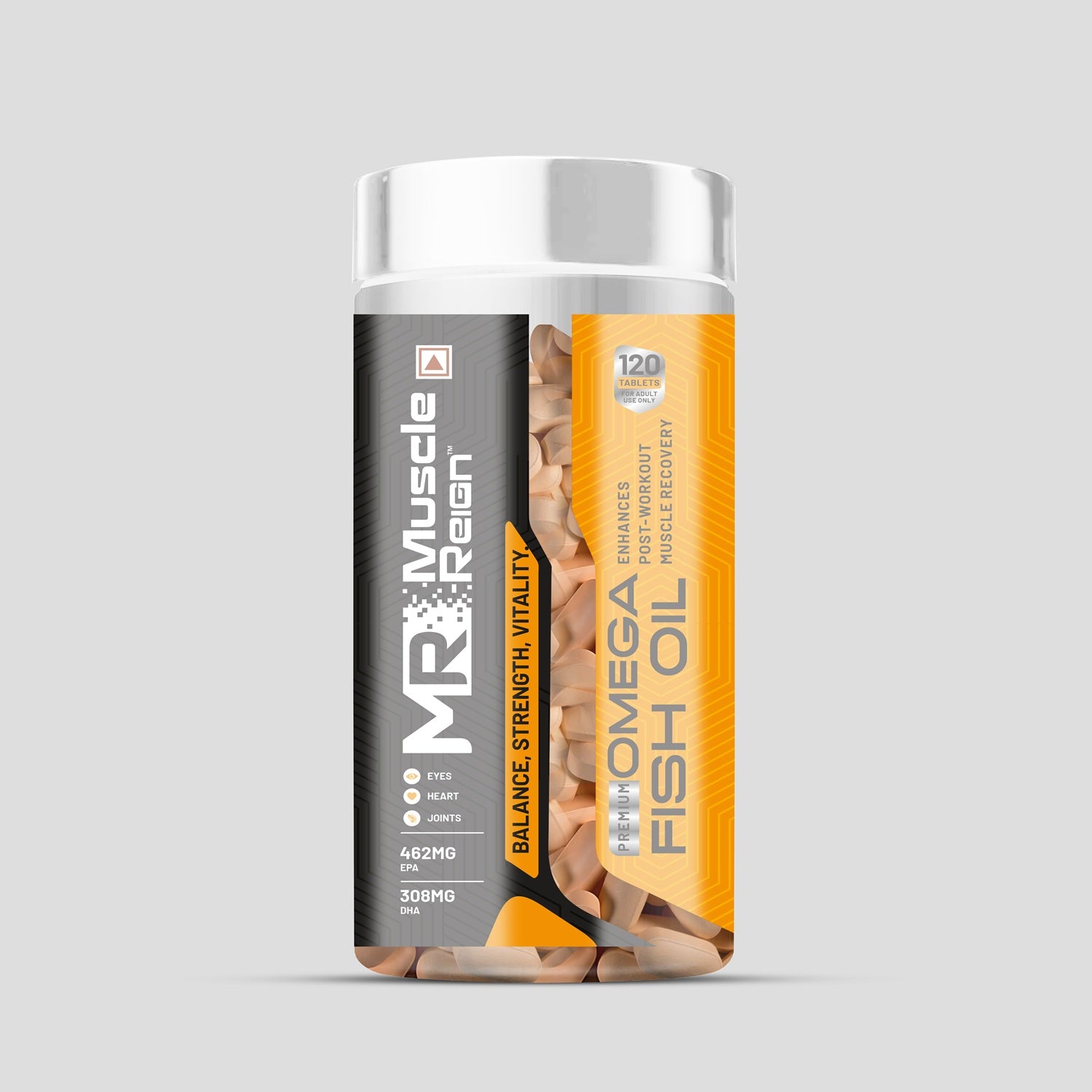
Nitra Series Omega-3 fits someone whose diet genuinely lacks a regular source of EPA and DHA, most commonly fatty fish - not someone who eats fish several times a week and already has that gap covered through food. The product exists to close a specific, checkable gap, not to be taken by default because omega-3 sounds like a sensible category to be covering.
The right approach with any supplement, including these, is checking your own diet against what it's meant to provide before assuming the general case applies to your specific situation.
Considerations
This isn't medical advice, and individual nutritional needs vary based on health conditions, life stage, and specific circumstances that a general framework like this can't account for. Anyone with a diagnosed deficiency, a medical condition affecting nutrient absorption, or specific dietary restrictions should base supplement decisions on guidance from a physician or registered dietitian rather than a general self-audit alone.
Frequently Asked Questions
Does this mean I shouldn't take a multivitamin, protein powder, or omega-3 at all?
Not necessarily - it means the decision should be based on whether your specific diet actually has the gap each one is meant to address, rather than taking all three by default because they're broadly considered healthy.
How do I know if my diet already covers what a multivitamin provides?
A genuinely varied diet with regular fruits, vegetables, and diverse food groups across most days is more likely to already cover what a general multivitamin provides than a narrow, repetitive diet would.
Is it wasteful to take protein powder if I'm already hitting my protein target through food?
Not wasteful in a harmful sense, but it's providing convenience rather than additional muscle-building benefit if your target is already being met - worth knowing so the expectation matches what it's actually doing.
What's a reasonable dietary source of omega-3 that would mean I don't need to supplement it?
Regular intake of fatty fish - a few servings weekly for most people - is generally considered a meaningful source of the EPA and DHA that supplementation is meant to provide.
Can taking an unnecessary supplement actually cause harm?
For most healthy adults, an unnecessary but appropriately dosed supplement is unlikely to cause direct harm - the cost is more about ongoing expense and a false sense that a nutritional gap is handled when it may not be.
How often should I re-check whether a supplement is still necessary for me?
Whenever your diet changes meaningfully - a new routine, different meal access, a shift in what you're regularly eating - is a reasonable point to revisit whether a supplement is still addressing a real gap.
Is it possible to have a real gap in one of these three but not the other two?
Yes, and this is common. Someone might have a genuine protein shortfall from a busy schedule but already eat enough fish and vegetables to make omega-3 and a multivitamin unnecessary, or any other combination.
What if I can't easily tell whether I have a nutritional gap or not?
Tracking food intake for several days against a specific target - protein grams, fish servings per week, dietary variety - is the most direct way to check, rather than guessing based on general impressions of your own diet.
Does this apply to other common supplements too, like creatine or vitamin D?
The same principle applies broadly, though some supplements like creatine work through a mechanism largely independent of dietary intake, making them a slightly different case than something addressing a nutritional shortfall specifically.
Should I ask a doctor or dietitian before deciding to stop a supplement?
If you've been taking something for a specific diagnosed reason, yes. If it was added without a specific diagnosed reason in the first place, a self-audit against your actual diet is a reasonable starting point before involving a professional.
The Honest Answer
Omega-3, multivitamins, and protein powder are all genuinely well-supported supplements - for the specific people whose diets actually have the gap each one is designed to close. "Healthy" was never the same claim as "necessary for you specifically," and somewhere along the way that distinction got lost under the general sense that responsible people simply take these three. Check your own diet against what each one actually provides before assuming the general case applies to your particular plate.
Ready to Match Your Stack to an Actual Gap?
Once you've checked where your real gaps are, close them deliberately. Explore Muscle Reign's Whey Protein and Nitra Series Omega-3 at www.musclereign.com and build a stack based on what your diet is actually missing, not what sounds responsible.