The Flavor Problem Nobody Talks About: Why Taste and Mixability Can Decide Whether You Actually Stick to Your Protein
Every protein powder comparison focuses on the same handful of numbers - protein per scoop, amino acid profile, price per gram. Almost none of them spend real time on the thing that actually determines whether any of those numbers matter six months from now: whether you can stand drinking the shake every single day. A tub with excellent macros that tastes chalky, mixes into gritty clumps, or leaves an artificial aftertaste doesn't get finished. It gets left in the back of a cabinet, half-used, while the person who bought it quietly goes back to skipping their protein target instead.
This isn't a minor preference issue. It's an adherence problem, and adherence is the actual variable that determines whether a supplement does anything for you at all.
Why Taste Is a Results Variable, Not a Cosmetic One
A protein powder only contributes to your results if you actually consume it, consistently, over the stretch of time it takes to matter. A theoretically superior formula that gets abandoned after three weeks because the taste is unbearable contributes nothing beyond those three weeks. A less remarkable-on-paper product that gets finished every single day for six months contributes considerably more, simply because it was actually used.
This sounds obvious stated directly, and yet almost every buying guide treats flavor as an afterthought - a bullet point near the bottom of a checklist, well below protein percentage and amino acid disclosure. The ordering reflects what's easiest to measure, not what actually predicts whether the tub gets finished.
Myths Worth Dropping
|
Myth |
Reality |
|
Taste is a minor preference that shouldn't factor into a serious buying decision |
Taste and mixability directly determine adherence, and adherence determines whether the product's macros ever actually reach your daily intake |
|
A "serious" lifter should be able to push through a bad-tasting shake without complaint |
Willpower is a finite resource across every area of a routine - spending it forcing down an unpleasant shake daily makes the whole habit more fragile, not more disciplined |
|
Mixability is just about convenience, not actual product quality |
Poor mixability often reflects genuine processing quality differences, and gritty, clumpy texture makes a shake meaningfully less pleasant to finish regularly |
|
If the macros are good, the flavor doesn't matter |
Macros only matter if the product gets consumed - a shake left half-finished delivers half the protein the label promised, regardless of how good the formulation was on paper |
|
Everyone's taste preferences are similar enough that one "best" flavor exists |
Preference varies significantly by individual, which is exactly why flavor range and personal trial matter more than any single "best-tasting" recommendation |
What Actually Breaks Adherence
Chalky or gritty texture. A powder that doesn't fully dissolve leaves a residue that changes the entire drinking experience, regardless of how good the underlying formulation is. This is often a genuine processing or ingredient-quality signal, not just an unlucky batch.
An artificial or lingering aftertaste. Some formulations rely on cheaper sweeteners or flavoring agents that leave a taste well after the shake is finished, which quietly makes each subsequent shake feel like more of a chore than the one before it.
Flavor fatigue from having only one option. Even a genuinely good flavor becomes tiresome after being the only thing on rotation for months. A narrow flavor range makes long-term adherence harder even when each individual shake tastes fine in isolation.
Poor solubility in the liquid you actually use. A powder that mixes cleanly in a high-speed blender but clumps badly with a simple shake and water is a mismatch between the product and how most people actually prepare it day to day.
The Adherence Pattern Nobody Tracks
Most people don't consciously decide to stop taking their protein powder. It happens gradually - a shake gets skipped because the last one wasn't appealing, then skipping becomes easier the second time, and within a few weeks the daily habit has quietly eroded without any single decision to stop. By the time someone notices they've stopped, they've usually already attributed it to being busy or forgetting, when the actual root cause was that the product itself had stopped being something they wanted to finish.
This is genuinely different from most nutrition mistakes, which tend to involve a specific wrong choice. This one is closer to a slow leak - each unpleasant shake makes the next one marginally less likely to happen, until the habit has fully unwound without anyone deciding that on purpose.
How to Actually Evaluate This Before Committing to a Tub
Buy the smallest available size or a sample when trying a new flavor rather than committing to a large tub on the strength of a label description alone. Mix it the way you'll actually prepare it daily - plain water in a simple shaker, not a blender with ice and additions, if that's not how you'll realistically make it every morning. Pay attention not just to the first sip, but to how the shake feels by the last third of the glass, since some flavors taste fine initially and become cloying or off by the end. And be honest about whether you'd genuinely reach for it again tomorrow without a sense of obligation, or whether you're rationalising a flavor you'd actually rather avoid.
Common Mistakes People Make
-
Buying the largest available tub of a new flavor before confirming they can actually finish a smaller amount happily
-
Assuming poor mixability is a preparation mistake on their end rather than a genuine product quality signal
-
Sticking with a flavor they've grown tired of out of habit, rather than rotating to something they'd look forward to again
-
Treating flavor complaints as a personal failing rather than a legitimate signal that the product isn't fitting their actual routine
-
Choosing a protein powder based purely on macros and price, without factoring in whether they'll realistically finish the tub
How Muscle Reign Approaches This
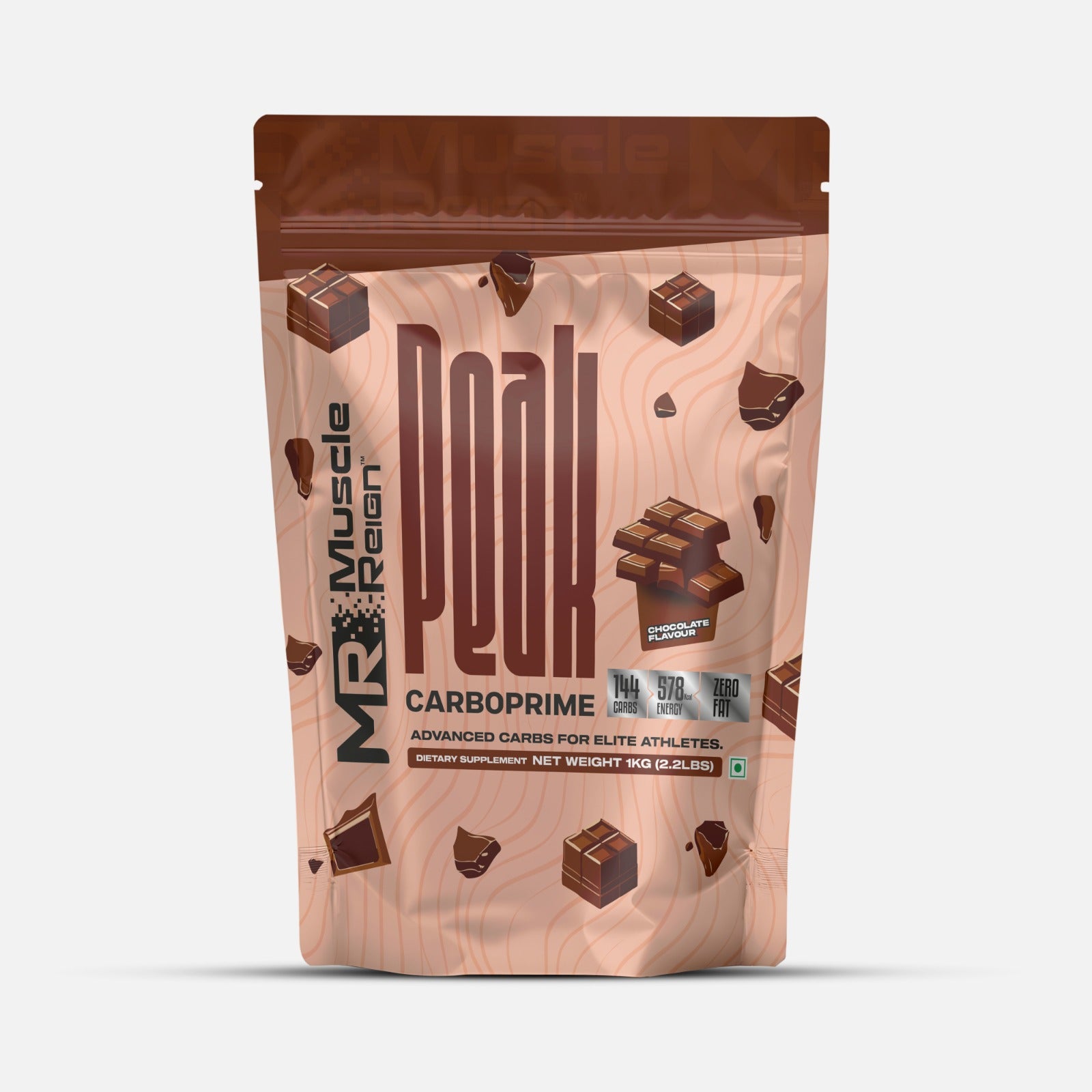
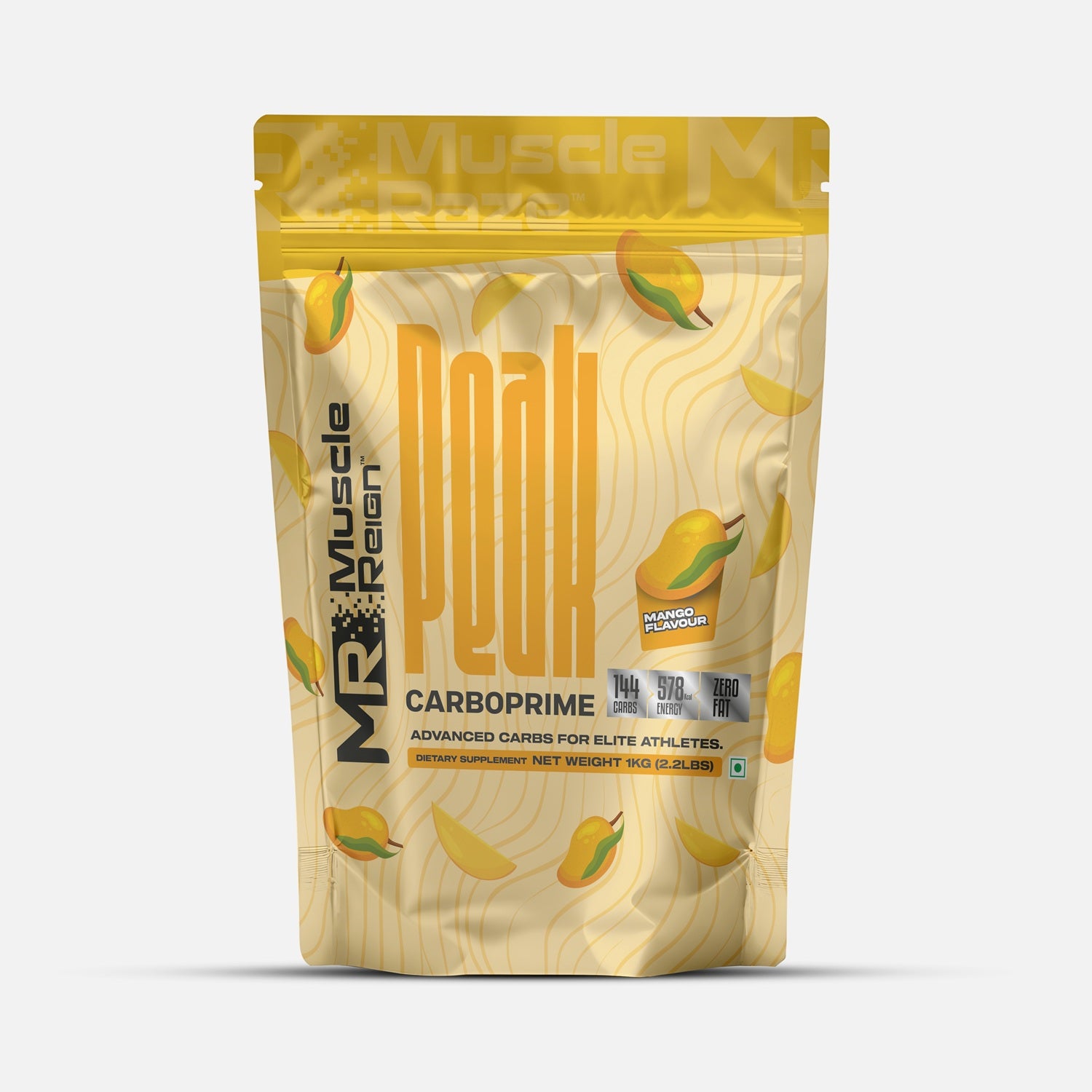
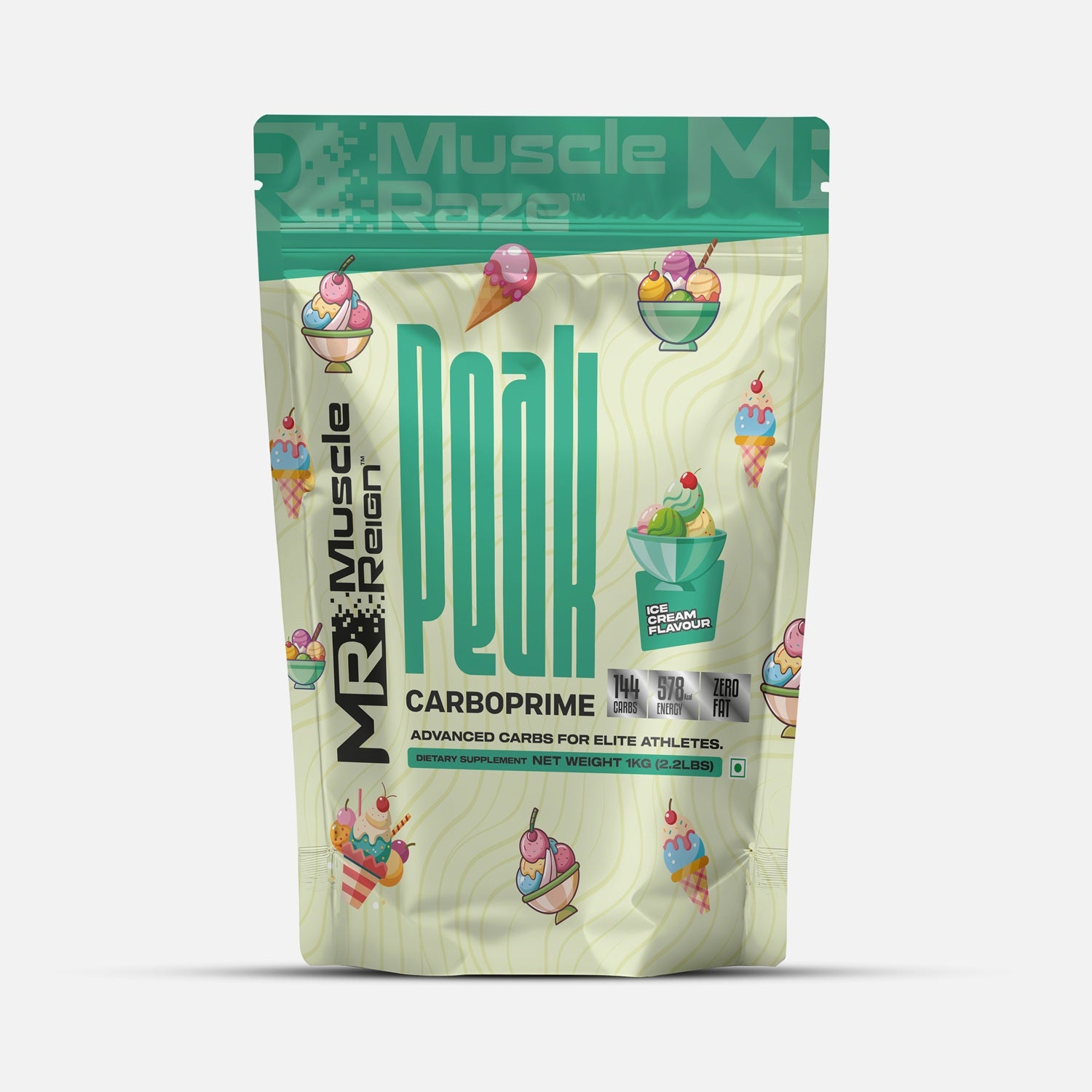
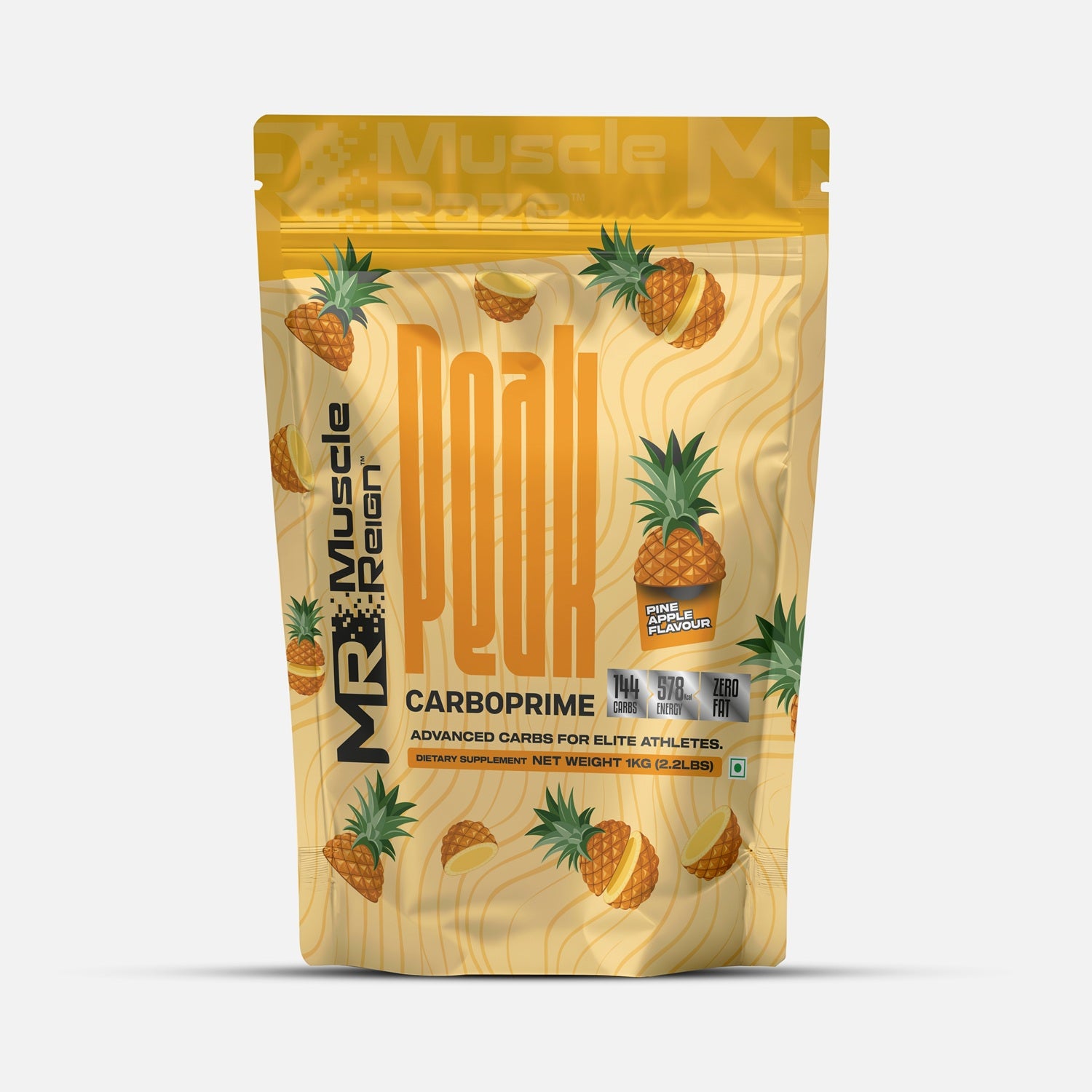
Flavor development isn't treated as decoration layered onto a finished formula - it's part of what determines whether the formula ever actually gets used consistently enough to matter. Peak Whey Protein Concentrate's flavor range, including options like Kheer Kaju and Irish Chocolate, was developed specifically around what makes a shake something people look forward to daily rather than tolerate, with mixability tested against how most people actually prepare a shake - a simple shaker with water or milk, not a blender.
Blended ISO Lean's range, including Kesar Badam and Mango Alpine, addresses the same adherence problem for anyone who's found isolate-based products harder to stick with long-term due to thinner, less satisfying flavor profiles compared to concentrate.
The macros on the label only matter if the tub actually gets finished. Flavor and mixability are part of what determines whether that happens.
Considerations
Individual taste preference varies considerably, and no single flavor or product will suit everyone equally. Anyone with specific dietary restrictions or sensitivities should check full ingredient lists regardless of flavor appeal, since taste preference shouldn't override checking for allergens or ingredients relevant to individual health needs.
Frequently Asked Questions
Does the taste of protein powder actually affect whether it works?
Indirectly, yes - a shake with a genuinely unpleasant taste is more likely to get skipped or abandoned over time, meaning the protein it was meant to provide simply doesn't get consumed as consistently as planned.
Is it worth paying more for a better-tasting protein powder?
If a better-tasting option means you actually finish the tub and maintain the habit long-term, it's often a reasonable trade-off, since a cheaper product left half-finished delivers less overall value than its price suggests.
Why does my protein powder feel gritty even after shaking it well?
This usually reflects the powder's solubility characteristics, which relate to processing quality and ingredient composition rather than how well or how long you're shaking it.
Should I rotate between multiple flavors instead of sticking to one?
For many people, yes - having more than one flavor to alternate between reduces the flavor fatigue that can quietly erode a daily habit over months of using only one option.
Is mixability really connected to product quality, or is it just a texture preference?
It's often connected to genuine quality factors, since how well a protein powder dissolves relates to its processing and formulation, not purely to personal texture preference.
How do I know if I'll actually like a flavor before committing to a full tub?
Trying a smaller size or sample where available, and specifically testing it the way you'll realistically prepare it daily, gives a much more honest answer than reading a flavor description alone.
Can a good-tasting protein powder with slightly lower protein content still be a better choice overall?
If it means significantly better long-term consistency, it can genuinely deliver more real-world benefit than a marginally higher-protein product that ends up half-finished in the back of a cabinet.
Why did I stop taking my protein even though I never decided to quit?
This is a common pattern - gradual disengagement from an unpleasant-tasting product often happens without a conscious decision, each skipped shake making the next one easier to skip as well.
Does whey isolate generally taste worse than whey concentrate?
Not inherently, but isolate formulations can sometimes have a thinner, less satisfying flavor profile than concentrate for some people, which is part of why isolate flavor development matters just as much as concentrate.
What should I actually test when trying a new protein flavor?
Mix it the way you'll realistically prepare it every day, pay attention to how it feels by the last portion of the glass rather than just the first sip, and be honest about whether you'd want it again tomorrow without any sense of obligation.
The Honest Answer
Nobody abandons a protein powder because the amino acid profile was disappointing. They abandon it because the shake became something to get through rather than something to look forward to, and that shift happens quietly enough that most people blame it on being busy rather than recognising the actual cause. Taste and mixability aren't a minor detail sitting below the real criteria on a buying checklist - for anyone trying to build a daily habit that actually lasts, they're close to the most important criteria there is, because a supplement that doesn't get finished isn't delivering anything, regardless of what the label promised.
Ready to Actually Look Forward to Your Shake?
Find a flavor you'll want tomorrow, not just tolerate today. Explore Muscle Reign's Peak Whey and Blended ISO Lean flavor range at www.musclereign.com and build a protein habit that survives past the first few weeks.