Protein vs Mass Gainer: What's the Real Difference (And Which Do You Need)?
Stand in front of the supplement shelf trying to decide between a whey protein tub and a mass gainer tub, and the packaging doesn't help much - both promise muscle growth, both show flexed physiques, both claim to be exactly what you need. But protein vs mass gainer isn't actually a close call once you understand what each product is built to do. They solve two different problems, and picking the wrong one either wastes money or works against your actual goal.
This guide breaks down exactly what separates the two, who genuinely needs each one, and how to choose correctly based on your body type and goals - not marketing on the tub.
What's the Core Difference Between Protein and Mass Gainer?
Whey protein is primarily a concentrated protein source with minimal added calories, designed to help you hit your daily protein target efficiently. Mass gainer combines protein with a significant amount of carbohydrates (and sometimes fats), designed to help you consume a calorie surplus - extra calories needed to support weight and muscle gain, particularly for those who struggle to eat enough through regular meals.
The confusion happens because both products can technically "help build muscle" - but they address entirely different limiting factors.
Why It Matters: The Science of Calories vs Protein for Muscle Growth
Muscle growth requires two separate nutritional conditions: adequate protein intake (1.6-2.2g/kg bodyweight) to supply raw material for muscle protein synthesis, and an appropriate calorie balance - typically a modest surplus of 250-500 calories above maintenance - to support new tissue growth. Research confirms that protein intake and total calorie intake are independent variables; you can meet your protein target while still being in a calorie deficit, surplus, or maintenance.
Whey protein solves the protein equation. Mass gainer solves the calorie equation. Confusing the two products means you might solve the wrong problem entirely.
Whey Protein vs Mass Gainer: Direct Comparison
Factor
Whey Protein
Mass Gainer
Primary macronutrient
Protein
Carbohydrates + protein
Typical calories per serving
110-150 kcal
400-1200+ kcal
Primary purpose
Hit daily protein target
Achieve a calorie surplus
Best for
Most gym-goers, all body types
Hardgainers struggling to eat enough
Risk if misused
Minimal
Excess fat gain if surplus is too aggressive
Price per serving
Moderate
Moderate-higher (larger serving size)
Benefits of Whey Protein
Precisely targets protein intake without unnecessary added calories
Fits any goal - fat loss, maintenance, or muscle gain - since it doesn't force a calorie surplus
Lower risk of unwanted fat gain compared to calorie-dense mass gainers
More flexible serving sizes to fit varying daily protein needs
Suitable for nearly all body types and training goals
Benefits of Mass Gainer
Convenient calorie-dense option for those struggling to eat enough through whole foods
Combines protein and carbohydrates in one product, simplifying bulking nutrition
Particularly useful for hardgainers with fast metabolisms or limited appetite
Saves meal prep time compared to eating multiple additional whole-food meals to hit a calorie surplus
Common Myths About Protein and Mass Gainer
Myth
Reality
Mass gainer builds muscle faster than whey protein
Mass gainer simply provides more calories; muscle growth still depends on training stimulus, total protein intake, and consistency
Everyone trying to build muscle needs a mass gainer
Only those genuinely struggling to eat enough calories through whole foods benefit from mass gainer; most people can hit a surplus through diet plus whey protein
Mass gainer is just an overpriced calorie shake
Mass gainer does provide a convenient calorie and protein combination, though whole foods can achieve the same result at lower cost for many people
Whey protein alone can help you gain weight if you're skinny
Whey protein supports protein intake but doesn't provide enough calories alone to create a meaningful surplus for very lean, hardgainer body types
Mass gainer causes unwanted fat gain automatically
Fat gain depends on total calorie surplus size relative to individual needs, not the product itself; an appropriately dosed mass gainer within a reasonable surplus doesn't inherently cause excess fat gain
Who Should Choose Whey Protein?
Most Gym-Goers
The default choice for anyone whose primary gap is protein intake, not total calories.
Those in a Calorie Deficit or Maintenance
Whey protein supports muscle retention or growth without disrupting a fat loss or maintenance calorie target.
Those With Naturally Sufficient Appetite
If you can already eat enough food to support a calorie surplus, whey protein alone typically covers your supplemental protein needs.
Who Should Choose Mass Gainer?
True Hardgainers
Those with fast metabolisms or small appetites who consistently struggle to eat enough food to gain weight, even with intentional effort.
Those With Very High Calorie Needs
Extremely active individuals or those with high training volume who need significant calorie surpluses difficult to achieve through whole foods alone.
Time-Constrained Individuals
Those unable to fit in the number of whole-food meals needed to support an aggressive calorie surplus.
How to Decide Between the Two
Step 1: Assess Your Current Calorie Intake
Track your typical daily intake for a week; if you're consistently under your calorie surplus target despite trying to eat more, mass gainer may help.
Step 2: Check Your Protein Gap Specifically
If your calories are adequate but protein consistently falls short, whey protein is the correct choice, not mass gainer.
Step 3: Consider Your Body Type and Goals
Naturally lean individuals struggling to gain weight benefit more from mass gainer; those with adequate or higher body fat typically don't need the additional calories.
Step 4: Start Conservative
If choosing mass gainer, start with a smaller serving and monitor weight gain rate (aim for roughly 0.25-0.5kg per week) to avoid excessive fat gain.
Common Mistakes
Choosing mass gainer by default without confirming a genuine calorie deficit relative to needs
Using mass gainer while already eating a calorie surplus through whole foods, leading to excess fat gain
Assuming whey protein alone will solve a weight gain problem rooted in insufficient total calories
Not adjusting mass gainer serving size based on individual calorie needs and rate of weight gain
Sample Scenarios: Which One Fits?
Scenario
Recommended Choice
Eating enough food, just short on protein
Whey Protein
Naturally thin, struggling to eat enough despite trying
Mass Gainer
In a fat loss phase, want to preserve muscle
Whey Protein
High training volume, can't eat enough whole food
Mass Gainer
Average appetite, moderate training goals
Whey Protein
Very high daily calorie target (3500+ kcal)
Mass Gainer (as a supplement to whole foods)
How Muscle Reign Supports Your Goals
For most lifters, Muscle Reign's Peak Series Whey Concentrate is the right starting point - delivering a precise protein dose without unnecessary calories, fitting any goal from fat loss to muscle gain. It's formulated to close the protein gap most Indian diets leave behind, regardless of your calorie target.
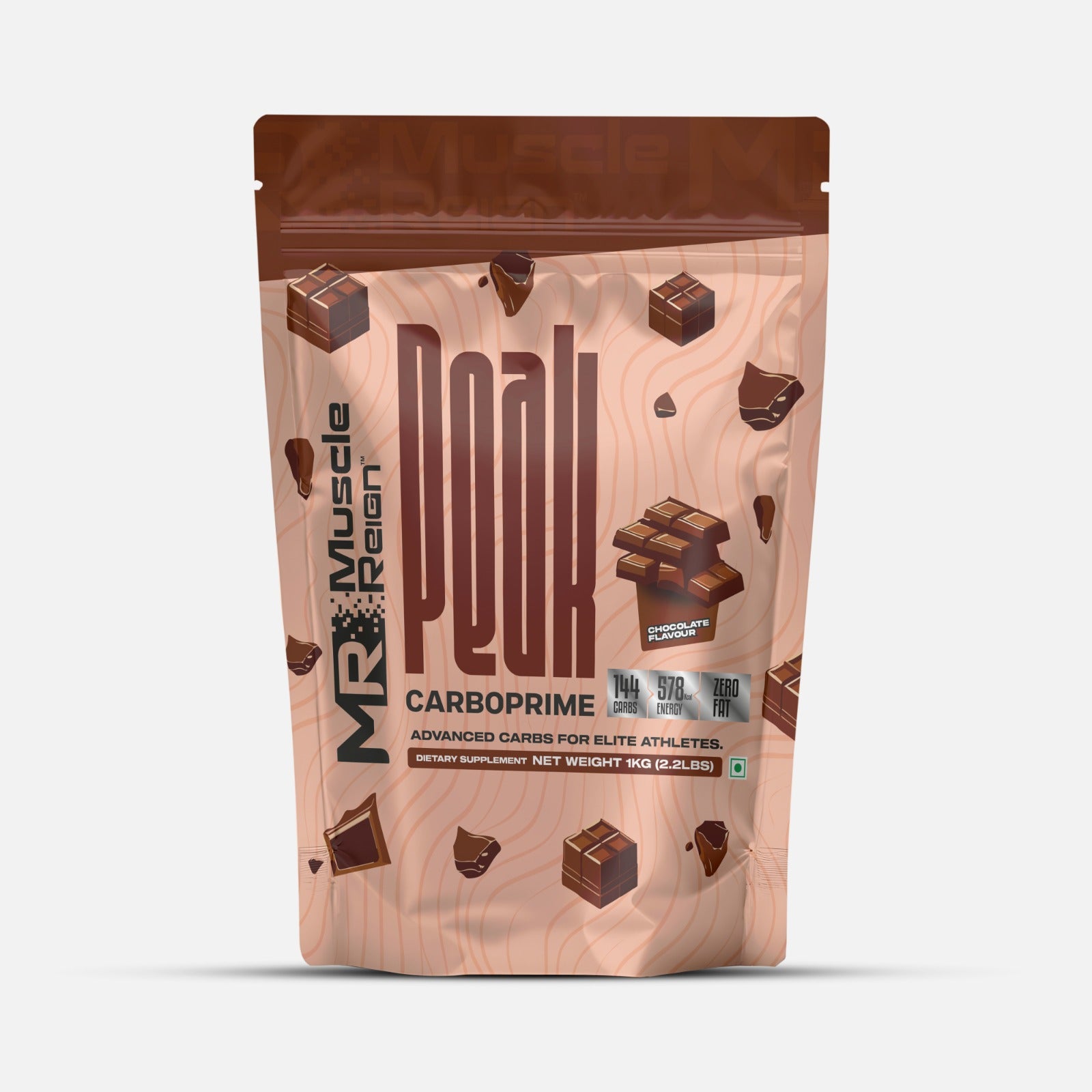
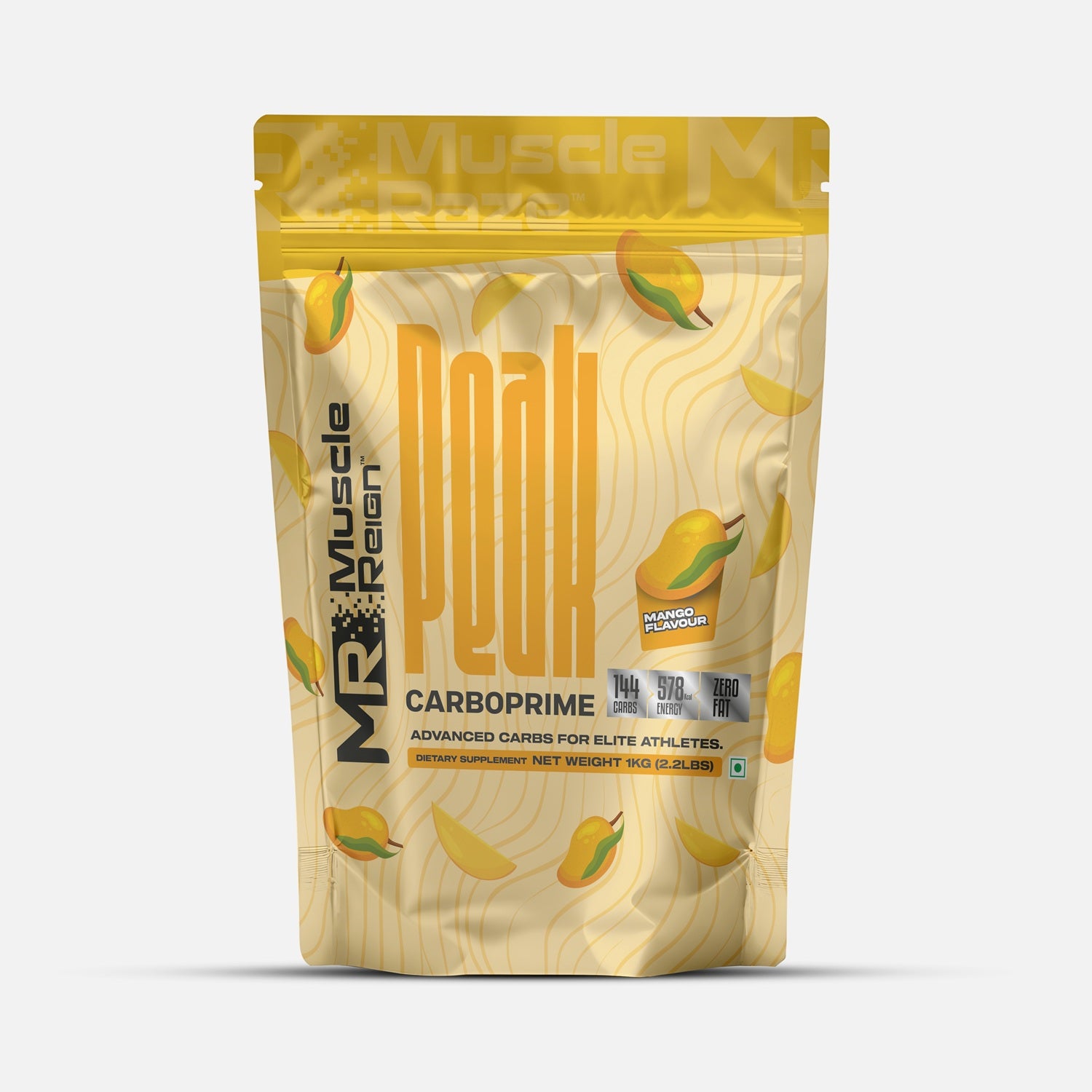
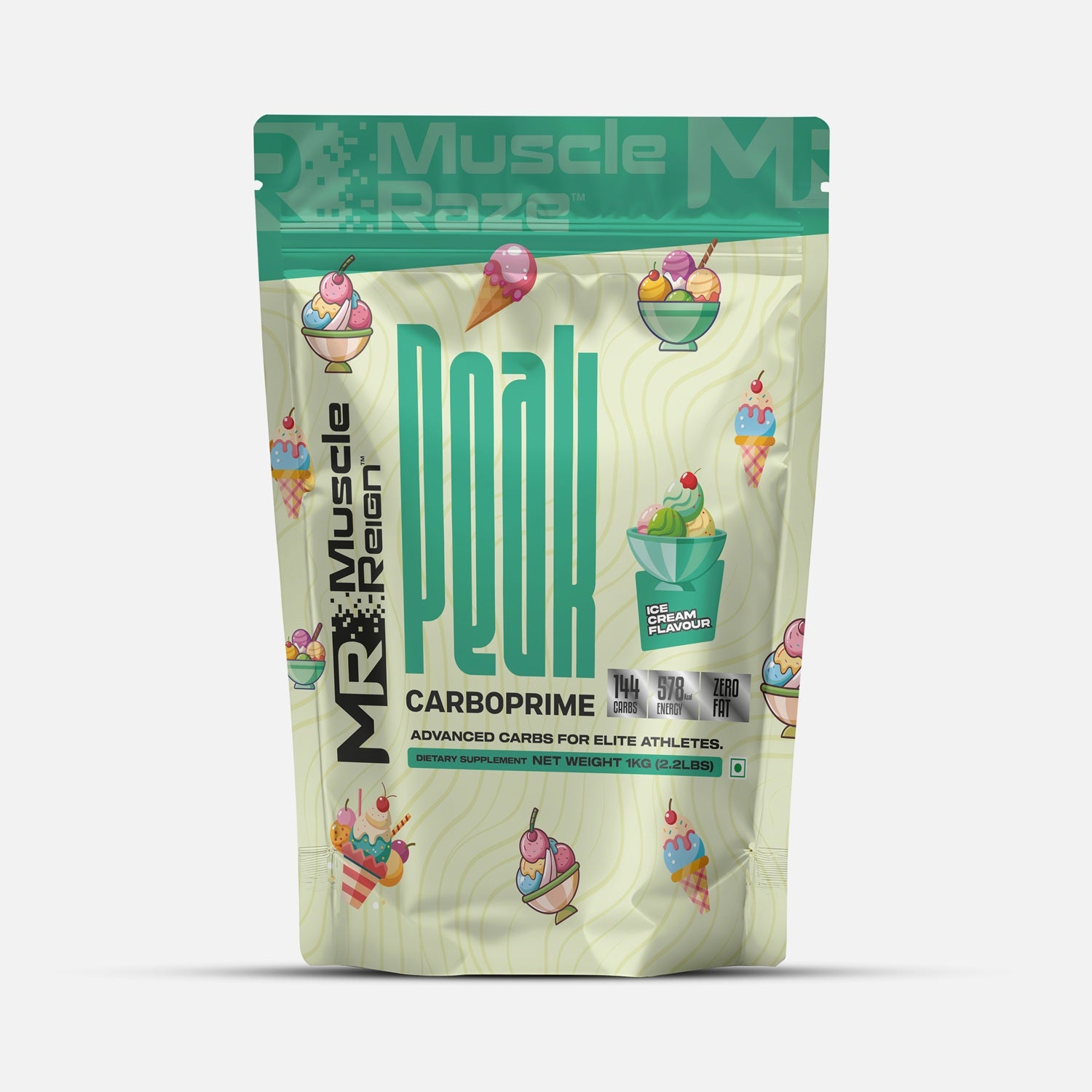
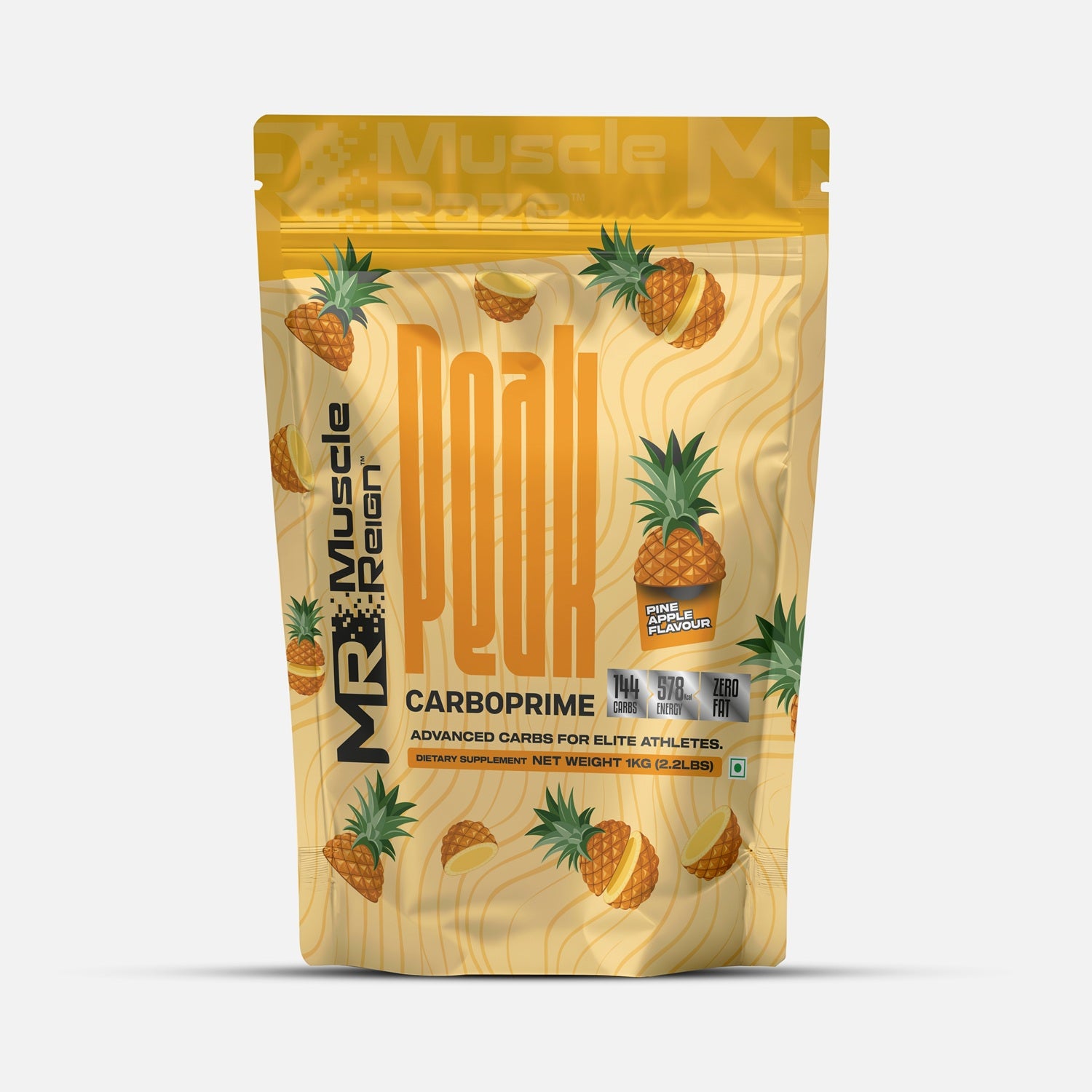
For genuine hardgainers who've confirmed a real calorie deficit despite consistent effort to eat more, Peak Prime Bulk combines quality protein with a calorie-dense carbohydrate base, designed to make hitting a surplus more achievable without requiring several additional whole-food meals daily.
Choosing between them isn't about which is "better" - it's about which nutritional gap you're actually facing. Most people need the first. A smaller group genuinely needs the second.
Common Mistakes People Make Choosing Between Protein and Mass Gainer
Buying mass gainer without confirming an actual calorie deficit, leading to unnecessary fat gain
Using whey protein alone to try to gain weight when the real issue is insufficient total calories
Not adjusting mass gainer serving size to individual calorie needs, over- or under-shooting the surplus
Assuming mass gainer is inherently unhealthy rather than evaluating it based on individual context and needs
Choosing based on marketing or peer recommendations rather than an honest assessment of personal calorie and protein gaps
Possible Considerations
Those with insulin sensitivity concerns or diabetes should be cautious with mass gainer's higher carbohydrate content and consult a physician regarding appropriate use. Excessive, poorly monitored mass gainer use can lead to unwanted fat gain if the calorie surplus significantly exceeds individual needs. Lactose-sensitive individuals should check both product types for dairy-based ingredients.
Frequently Asked Questions
What's the main difference between protein powder and mass gainer?
Whey protein primarily provides protein with minimal added calories, while mass gainer combines protein with significant carbohydrates to create a calorie surplus for weight and muscle gain.
Do I need mass gainer to build muscle, or is whey protein enough?
For most people, whey protein combined with adequate whole-food calorie intake is sufficient. Mass gainer is specifically useful for those genuinely struggling to eat enough calories through food alone.
Will mass gainer make me fat?
Only if the calorie surplus it provides significantly exceeds your individual needs. Used appropriately alongside monitored weight gain (0.25-0.5kg weekly), mass gainer doesn't inherently cause excess fat gain.
Can I use whey protein instead of mass gainer if I'm trying to gain weight?
Whey protein alone typically doesn't provide enough calories to create a meaningful surplus for genuine hardgainers; mass gainer or additional whole-food calories would be more effective in that specific case.
Is mass gainer just protein powder with added sugar?
Not exactly. Quality mass gainers combine protein with complex carbohydrates (not solely sugar) to provide a calorie-dense, relatively balanced macronutrient profile for supporting a surplus.
How do I know if I'm a hardgainer who needs mass gainer?
If you consistently struggle to gain weight despite deliberately increasing food intake and training consistently, you may benefit from mass gainer's convenient calorie density.
Can I take both whey protein and mass gainer together?
This is generally unnecessary, since mass gainer already contains a substantial protein dose; combining both may create an excessive calorie surplus unless your calorie needs are very high.
Does mass gainer work without proper training?
No. Like all supplements, mass gainer supports muscle growth alongside consistent resistance training; calories alone without adequate training stimulus primarily result in fat gain rather than muscle growth.
Is whey protein better for someone trying to lose fat?
Yes. Whey protein supports muscle retention during a calorie deficit without adding the significant calories found in mass gainer, making it more appropriate for fat loss goals.
How much weight should I expect to gain per week using mass gainer?
A moderate, sustainable rate is roughly 0.25-0.5kg per week; faster weight gain often indicates an excessive calorie surplus contributing more to fat gain than muscle.
Can women use mass gainer, or is it only for men?
Mass gainer's appropriateness depends on individual calorie needs and goals, not gender; women who are genuine hardgainers can benefit equally from mass gainer when appropriate.
Is it a waste of money to buy mass gainer if I can already eat enough calories?
Generally, yes. If you're already meeting your calorie surplus through whole foods, mass gainer becomes an unnecessary added expense; whey protein alone typically suffices for your protein needs.
The Honest Answer
Protein and mass gainer aren't competing products - they solve two different problems. Whey protein closes a protein gap. Mass gainer closes a calorie gap. Most people, even those trying to build muscle, only need the first. Mass gainer earns its place specifically for genuine hardgainers who've confirmed they're falling short on total calories despite real effort. Choose based on which gap you're actually facing, not which tub has the more dramatic transformation photo.
Ready to Choose the Right Fit for Your Goal?
Whether your gap is protein or calories, pick the tool built for the job. Explore Muscle Reign's Whey Protein and Mass Gainer range at www.musclereign.com and stop guessing which one your goals actually require.