The 5 PM Gym Problem: What to Eat When Your Last Proper Meal Was Lunch
Lunch was at 1:30. It's now 6:45, you've just walked into the gym, and the only thing you've had since then is two cups of chai and whatever stress-snacking happened at your desk around 4. This is the single most common nutritional gap in Indian gym culture, and almost nobody treats it as the specific, solvable problem it actually is. It gets filed under "I just have low energy today" instead of what it usually is: a genuinely long stretch without real food, colliding with a training session that needs some fuel to go well. The good news is this isn't a complicated fix. It's a timing and food-choice problem, not a discipline problem - and the wrong move here (eating nothing, or eating the wrong thing at the wrong moment) can leave you worse off than doing nothing at all.
Why a Five-to-Six-Hour Gap Actually Matters for Training
By the time you're several hours past lunch, your blood glucose has settled back down from wherever the meal pushed it, and your liver glycogen - the reserve your body draws on to keep blood sugar stable between meals - has been steadily drawn down all afternoon by ordinary desk-bound activity, let alone a training session on top of it. Walking into a resistance session in that state isn't dangerous, but it does mean you're starting from a lower energy baseline than you would after a more recent meal. That said, the research here has an important nuance that most generic "eat before you train" advice skips entirely: a controlled crossover trial comparing high-carbohydrate, low-carbohydrate, and placebo pre-exercise meals before a resistance training session found no meaningful difference in training volume performance between conditions, and confirmed that blood glucose is generally maintained reasonably well during resistance training even without additional nutrient provision beforehand. In other words, for a fairly typical strength session, your body isn't as fragile without a snack as gym folklore suggests - the bigger risk isn't necessarily "no energy at all," it's specifically low energy, low focus, and a session that feels harder than it should, rather than a session that becomes physically impossible.
The Mistake Most People Make When They Do Try to Fix It
Here's where it gets genuinely counterintuitive, and where most people who do try to solve this problem accidentally make it worse. Eating something quick-digesting in the narrow window right before you start - somewhere in the roughly half-hour-to-ninety-minute range before exercise - is actually the window where reactive hypoglycemia is most likely to occur. This happens because a fast carbohydrate hit triggers an insulin response, and if exercise begins just as that insulin surge is peaking, blood glucose can dip below where it started, leaving you feeling worse, not better, in the opening part of your session. This is genuinely counterintuitive and explains a specific, common complaint: "I ate something right before training and still felt weak and shaky early in the workout." The fix isn't skipping food - it's respecting the timing gap between eating and starting.
The Two Windows That Actually Work
A meal with more substance, eaten with a real buffer before training. Research on pre-exercise nutrition generally supports eating a more complete meal further out from your session - broadly in the range of one to a couple of hours beforehand - to allow initial digestion and blood glucose to stabilise before you start moving. For the 5 PM gym problem specifically, this usually isn't practical if you're walking straight from office to gym, but it's the right target if you have any flexibility in your schedule. A small, easily digestible snack taken close to training, timed to avoid the insulin-spike window. If you're truly walking in with minimal buffer time, the safer move is something small and easy to digest, taken close enough to training that you're not deep in the post-meal insulin response by the time you start lifting - either genuinely right before you begin (within a few minutes, not with 30-60 minutes to spare and nothing else) or something so small it doesn't provoke much of an insulin response at all.
What to Actually Eat When You're Rushing Straight From Office to Gym
A banana, on its own or with a small handful of nuts. Fast-digesting carbohydrate with minimal preparation, genuinely portable, and light enough not to sit heavily during training. Roasted chana or a small handful of dry fruit. A slower-release option if you have slightly more buffer time before starting, giving more sustained energy without a sharp insulin spike. A small glass of milk or a light protein shake. Adds a modest amount of protein alongside carbohydrate without the volume of a full meal - useful if appetite is genuinely low but you still want something in your system. Dates, either alone or with a small amount of nut butter. Quick, minimal digestive burden, and a reasonable practical option to keep at your desk specifically for this scenario. What to avoid in this specific window: a large, heavy meal right before training, which risks discomfort and sluggishness during the session; and a sugary drink or snack eaten with just enough of a gap to hit peak insulin response right as you're starting your first working set.
If You Genuinely Can't Eat Anything Before Training
Some days the schedule genuinely doesn't allow it - straight from a meeting into a cab into the gym with zero buffer. On those days, the research on maintained blood glucose during resistance training without pre-exercise fuel is genuinely reassuring: a typical strength session is unlikely to be derailed outright by training without a snack, even after a long gap since lunch. Expect the session to feel somewhat harder or your focus to be somewhat lower than usual, rather than expecting a genuine physical wall. Prioritise getting real food in as soon as possible after training rather than trying to force something down in the two minutes before you start.
What This Means for Your Actual Evening
If you have even fifteen to twenty minutes before you start training, a small, easy carbohydrate snack right before beginning is a reasonable, low-risk choice. If you have a real buffer - an hour or more before your session, a slightly more substantial option with some protein alongside the carbohydrate gives you a more stable platform through the whole workout. If you're walking in with literally no time to spare, don't force a rushed snack into the worst possible timing window. Train on what you have, and prioritise a proper meal immediately afterward. Regardless of which scenario applies, stay ahead of hydration through the afternoon. Mild dehydration compounds the same flat, low-energy feeling that a long gap since lunch produces, and it's an easier variable to control than food timing on a genuinely packed schedule.
Common Myths About Training After a Long Gap Since Your Last Meal
| Myth | Reality |
|---|---|
| You must eat something right before training or the session is wasted | Research on resistance training shows blood glucose is generally maintained reasonably well even without a pre-exercise snack; a long gap makes the session feel harder, but doesn't typically derail it outright |
| Eating a fast carbohydrate snack right before you start is always the safest choice | Fast carbs eaten in the window roughly 30-90 minutes before exercise carry the highest risk of a reactive blood sugar dip right as you begin, which can feel worse than eating nothing |
| More food before training always means more energy during it | A large, heavy meal too close to training can cause sluggishness and digestive discomfort rather than more usable energy for the session |
| A cup of chai counts as having eaten before the gym | Chai provides negligible carbohydrate or blood-glucose support on its own; it's a caffeine source, not a meaningful pre-training fuel source |
| If you skip food before training, you should eat extra afterward to "catch up" | Prioritising a proper post-workout meal is reasonable regardless, but there's no need to overcompensate - simply resuming normal intake covers the gap |
Where Muscle Reign Fits This
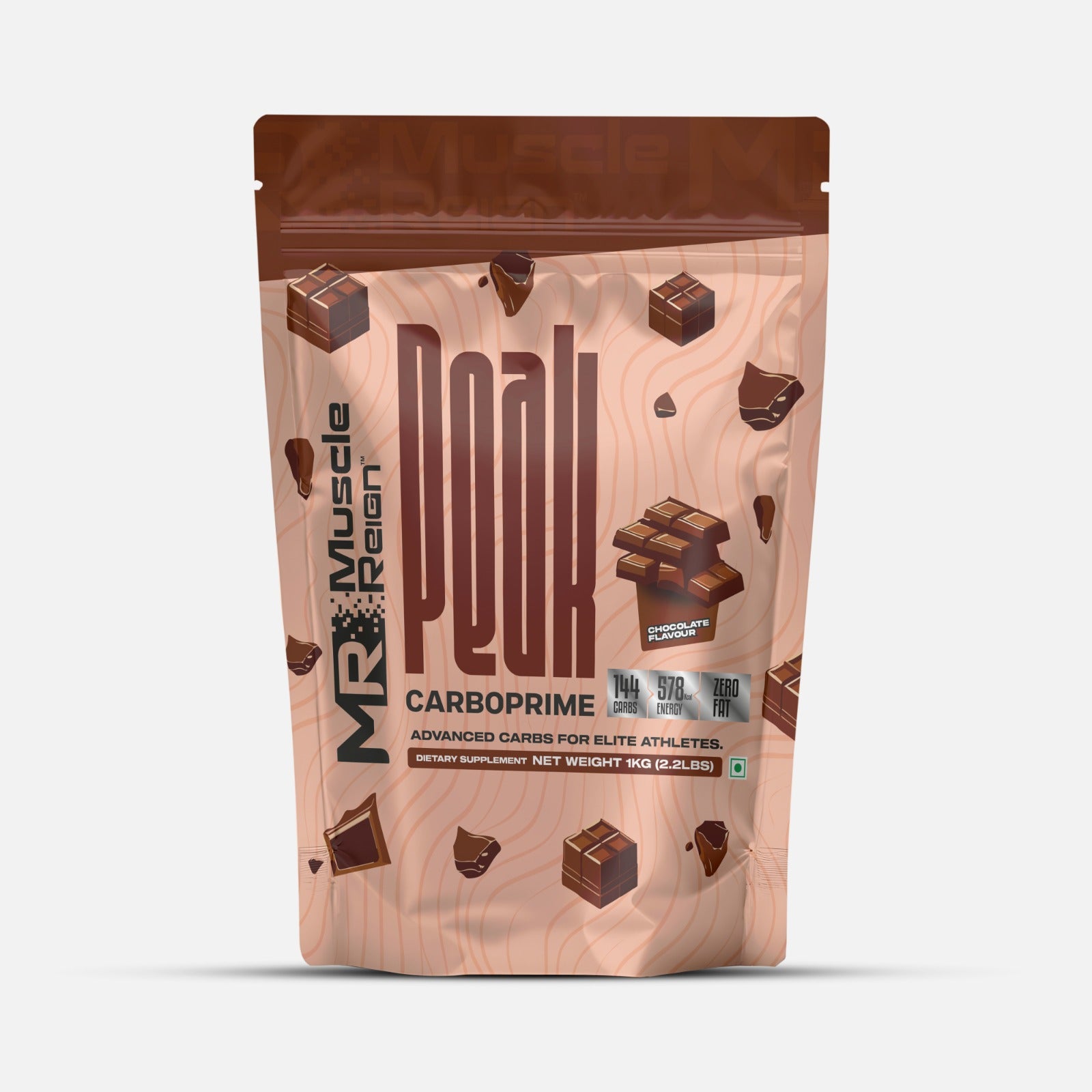
The 5 PM gym problem is exactly the kind of gap a fast-digesting carbohydrate source is built for, provided it's timed correctly. Peak Carboprime, taken close to the start of training rather than with a long buffer beforehand, can serve the same role as a banana or dates for someone with genuinely no time to prepare food - fast, portable, and easy to time correctly around the insulin-spike window described above. For the protein side of the equation on a day where a full pre-workout meal isn't realistic, a light Whey Protein shake alongside a small carbohydrate source covers both bases without requiring you to sit down to an actual meal between office and gym.
Possible Considerations
The reactive hypoglycemia pattern described here is a common but individually variable response - some people are more prone to it than others, and personal experimentation with timing is reasonable. Anyone with diabetes or another condition affecting blood sugar regulation should manage pre-exercise eating and any related medication timing in consultation with a physician rather than relying on general guidance, since exercise timing relative to meals and insulin has direct, condition-specific implications.
Frequently Asked Questions
Is it bad to train in the evening if my last meal was lunch? Not inherently dangerous - research shows blood glucose is generally maintained reasonably well during resistance training even without recent food. It may make the session feel harder or your focus slightly lower, but it typically doesn't prevent a productive workout. Should I eat something right before I start training if I haven't eaten in hours? A small, easily digestible snack timed close to the start of training, rather than 30 to 90 minutes beforehand, is generally the safer choice, since that middle window carries the highest risk of a blood sugar dip right as you begin. Why did I feel weak and shaky early in my workout even though I ate a snack beforehand? This can happen if the snack was eaten in the window where insulin response peaks right as exercise starts, causing a temporary dip in blood glucose known as reactive hypoglycemia - timing the snack differently, either closer to training or with more of a buffer, can help. What's the best quick snack before an evening gym session with no time to prepare? A banana, a small handful of dates or roasted chana, or a light protein shake are all reasonable options that are fast to consume and don't require preparation. Does chai count as pre-workout fuel? Not meaningfully - it provides caffeine but negligible carbohydrate or blood-glucose support, so it shouldn't be relied on as a substitute for actual food before a long-gap evening session. Is it worse to eat nothing than to eat the wrong thing at the wrong time? Not necessarily worse - both have downsides, but eating nothing generally just means a somewhat harder-feeling session, while eating a fast carbohydrate snack at the wrong moment can actively cause a blood sugar dip during your opening sets. Should I eat a bigger meal before training if I know I'll have a long gap since lunch later? If your schedule allows it, eating a more substantial meal with a real buffer of an hour or more before training is generally a better strategy than trying to fix the gap with a rushed snack right beforehand. Do I need to eat more after training if I skipped food beforehand? Not dramatically more - prioritising a proper meal soon after training is sensible regardless, but there's no need to overcompensate for a skipped pre-workout snack beyond resuming normal eating. Does this apply to cardio or only weight training? Most of the research referenced here focuses on resistance training specifically; longer endurance sessions have different glycogen demands and may be more sensitive to pre-exercise fuelling gaps than a typical strength workout. Is it fine to keep doing this every single evening, or should I fix my meal schedule instead? An occasional long gap is manageable with the timing strategies above, but if this happens most days, it's worth looking at whether your overall meal schedule is leaving a structural gap that affects more than just training performance.