The Importance of Hydration During Workouts: Why Water Alone Isn't Always Enough
You've had a decent pre-workout meal, your form is on point, and you're pushing through your last set at a gym in Mumbai in peak humidity—but your strength output is dropping, your head feels foggy, and you're cutting the session five minutes short. Before blaming poor sleep or bad programming, check something simpler: were you actually hydrated?
Hydration during workouts is one of the most underrated performance variables in fitness, and in a country where summer temperatures regularly cross 40°C, it deserves far more attention than it usually gets.
This guide breaks down why hydration matters, how to spot early dehydration, and exactly how to stay properly fueled with fluids before, during, and after training.
What Does "Hydration During Workouts" Actually Mean?
Hydration during workouts refers to maintaining adequate fluid and electrolyte balance before, throughout, and after exercise to support performance, thermoregulation, and recovery. It's not just about drinking water when you feel thirsty—by the time thirst kicks in, mild dehydration has often already begun affecting performance.
Why It Matters: The Science of Exercise Hydration
Water makes up roughly 60% of your body weight and plays a direct role in thermoregulation—your body's ability to manage core temperature during exercise through sweating.
Research from the American College of Sports Medicine confirms that even mild dehydration, as little as 2% of body weight lost through sweat, can measurably reduce strength output, endurance, and cognitive focus during training.
Beyond fluid loss, sweating depletes electrolytes—primarily sodium and potassium—which are essential for muscle contraction, nerve signaling, and maintaining proper fluid balance inside and outside your cells. This is why plain water alone doesn't always fully address hydration needs during longer or more intense sessions.
Benefits of Proper Hydration During Training
- Maintains strength and power output throughout your workout.
- Supports thermoregulation and reduces heat-related fatigue.
- Preserves focus and coordination.
- Helps reduce muscle cramps linked to electrolyte imbalance.
- Improves recovery by supporting nutrient transport and waste removal.
- Prevents unnecessary early fatigue that often gets mistaken for poor conditioning.
Common Myths About Hydration and Exercise
| Myth | Reality |
|---|---|
| You only need to drink water when you feel thirsty. | Thirst is a delayed signal. Mild dehydration often begins before you feel thirsty. |
| Plain water is always enough. | Longer or intense sessions in hot weather often require electrolyte replacement. |
| More water always improves performance. | Too much water without electrolytes can dilute sodium levels (hyponatremia). |
| If you're not sweating heavily, you aren't dehydrated. | Moderate sweat loss over time can still cause dehydration. |
| Sports drinks are only for professional athletes. | Anyone training intensely for 60+ minutes or in hot, humid conditions may benefit. |
Who Needs to Pay Closer Attention to Hydration?
Those Training During Indian Summers
Heat and humidity significantly increase sweat loss across cities like Delhi, Mumbai, Chennai, and Hyderabad.
High-Intensity or Long-Duration Trainees
Workouts lasting over 60–75 minutes require greater attention to fluids and electrolytes.
Early Morning & Evening Gym-Goers
Many begin training already mildly dehydrated due to overnight fluid loss or long workdays.
Beginners
People new to regular exercise often underestimate their hydration needs.
Signs of Dehydration During Exercise
- Reduced strength or endurance.
- Headache or dizziness.
- Dark yellow urine.
- Muscle cramps.
- Unusual fatigue.
- Dry mouth or excessive thirst.
How to Stay Properly Hydrated Around Training
Before Your Workout
Drink water consistently throughout the day instead of trying to "catch up" immediately before training.
During Your Workout
- Under 60–75 minutes: Water is usually enough.
- 75+ minutes: Consider electrolyte-containing drinks.
- Hot and humid weather: Electrolyte replacement becomes more important.
After Your Workout
Replace both fluids and electrolytes lost through sweat. Aim to replace approximately 1.5 times the fluid weight lost during exercise.
Common Hydration Mistakes
- Waiting until you're thirsty before drinking.
- Using only water during long, sweaty workouts.
- Ignoring weather conditions.
- Mistaking dehydration for poor fitness or lack of sleep.
Water vs Electrolyte Drinks
| Scenario | Water Alone | Electrolytes |
|---|---|---|
| Under 60 min (moderate workout) | ✔ | Usually not needed |
| 75+ min or high-intensity workout | ✔ | |
| Training in Indian summer | ✔ | |
| Fasted workout | ✔ (situational) | |
| Heavy sweating | ✔ |
How Muscle Reign Supports Your Goals
Hydration deserves the same evidence-based approach we apply to protein and recovery. Muscle Reign's EAA + Lyte combines essential amino acids with electrolytes to support longer workouts, fasted training, and sessions performed in hot Indian weather.
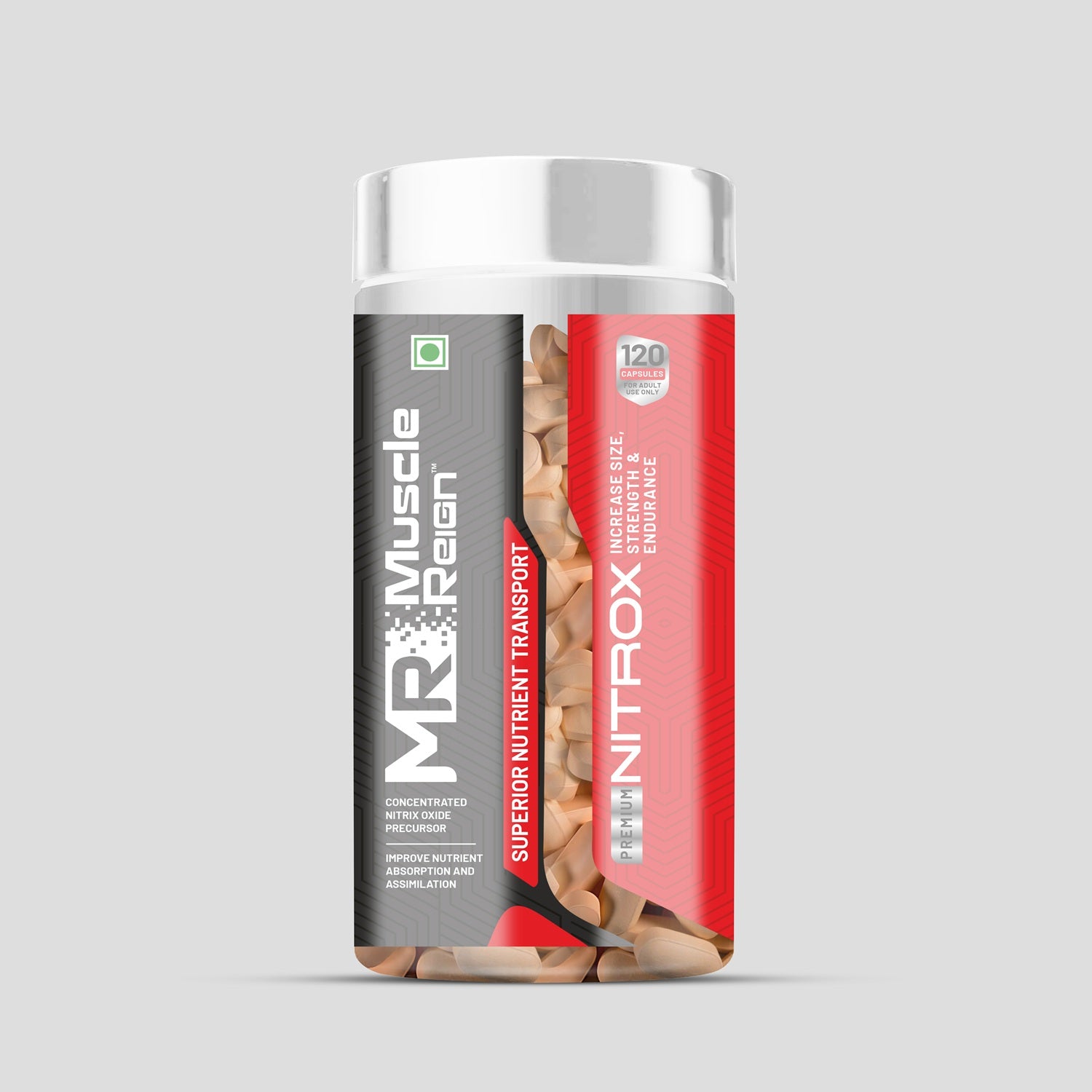
For those looking to support overall micronutrient intake, Nitra Series Nitrox Tablets complement a balanced hydration strategy alongside consistent water consumption.
Not every workout requires electrolyte supplementation—but when training duration, sweat loss, or weather demand it, having the right hydration support can make a measurable difference.
Common Hydration Mistakes
- Only drinking during workouts instead of staying hydrated all day.
- Ignoring headaches or dizziness during training.
- Drinking excessive water without replacing electrolytes.
- Using the same hydration strategy year-round despite changing temperatures.
- Skipping post-workout rehydration.
Possible Considerations
Confusion, fainting, rapid heartbeat, or inability to sweat during exercise require immediate medical attention as these may indicate heat exhaustion or heat stroke. Individuals with kidney disease, heart conditions, or those taking diuretics should consult a healthcare professional before making significant changes to fluid or electrolyte intake.
Frequently Asked Questions
How much water should I drink during a workout?
A general guideline is 150–250 ml every 15–20 minutes, adjusted according to sweat rate and environmental conditions.
Do I need electrolytes for every workout?
No. Water is sufficient for most sessions under 60–75 minutes in moderate conditions.
What are the first signs of dehydration?
Reduced performance, headache, dry mouth, fatigue, and dizziness often appear before intense thirst.
Can dehydration affect muscle growth?
Yes. Reduced workout quality can indirectly limit muscle-building progress over time.
Can I drink too much water?
Yes. Excessive water intake without electrolyte replacement can lead to hyponatremia, particularly during long endurance events.
How do I know if I'm hydrated?
Pale yellow urine generally indicates good hydration, while dark yellow urine often suggests you need more fluids.
Does air conditioning reduce hydration needs?
It may reduce sweat rate slightly, but proper hydration remains important regardless of the environment.
Why do I get muscle cramps during long workouts?
Fatigue combined with electrolyte losses, especially sodium and potassium, often contributes to exercise-associated muscle cramps.
Should fasted morning workouts include electrolytes?
Electrolytes can be beneficial because you've gone several hours without food or fluids overnight.
Is coconut water good during workouts?
Yes, it provides natural potassium, though it contains less sodium than dedicated sports hydration products.
How does hydration affect recovery?
Proper hydration supports nutrient transport, waste removal, and overall recovery after exercise.
Does hydration matter more during Indian summers?
Absolutely. Higher temperatures and humidity significantly increase sweat losses, making fluid and electrolyte replacement much more important.
The Honest Answer
Hydration isn't complicated, but it's often underestimated—especially in India's climate. Water is enough for most short workouts, while longer, hotter, or more intense sessions benefit from electrolyte support. Pay attention to your body, adjust to your environment, and make hydration a core part of your training routine.
Ready to Train Without the Guesswork?
Explore Muscle Reign's EAA + Lyte at www.musclereign.com and give your body the hydration and electrolyte support it needs to perform at its best.