The Indian Gym Diet Problem Nobody Talks About: When Your Protein Is High but Your Total Calories Are Wrong
Somewhere in a Delhi or Bengaluru gym right now, someone is proudly showing their tracking app to a training partner. Protein target: hit. Every day this week. And yet the physique in the mirror hasn't moved. This is one of the most common - and least discussed - dead ends in Indian gym culture: doing the one thing every fitness page tells you to do, and still not seeing results, because protein was never the whole equation.
The Indian fitness conversation has gotten reasonably good at one message: eat more protein. Dal alone isn't enough, add eggs, add paneer, add a shake. That message has landed. What hasn't landed is the variable sitting right next to it - total daily calories - which most people never actually check, because "I eat a lot" feels like a calorie statement when it's really just a protein statement in disguise.
This is the gap. Not a lack of information about protein. A near-total absence of conversation about the number protein sits inside.
Protein and Calories Are Two Different Questions
Protein intake answers one question: does your body have enough raw material to repair and build muscle tissue. Total calorie intake answers a completely separate question: does your body have enough overall energy to actually carry out that building process, or is it too busy covering basic function to prioritise growth.
Muscle protein synthesis needs both. Research on short-term energy restriction shows that cutting calories measurably downregulates the signalling pathway that drives new muscle protein synthesis, independent of how much protein is on the plate. In other words, protein tells your body what to build with. Calories tell your body whether it's in a position to build at all. You can max out the first and still fail the second - and that combination produces exactly the stalled, frustrating pattern most people mistake for a genetics problem or a training problem.
Why This Specifically Happens in Indian Gym Diets
The typical advice cycle goes: eat more protein → add eggs, chicken, paneer, whey → track the protein number → feel like the diet is "sorted." What that cycle skips entirely is total volume.
A standard vegetarian thali - dal, two rotis, one sabzi - is genuinely useful for protein once you add a shake or eggs on top. But that same plate, eaten two or three times a day by someone with a desk job and a long commute, often lands well under what an actively training body needs in total energy, even while the protein column looks perfect. High-fibre, high-water-content Indian staples like dal and sabzi are filling per calorie - which is a genuine advantage for fat loss, and a genuine liability when the actual goal is building muscle and the plate isn't scaled up to match.
The result is a very specific, very common pattern: protein tracker shows green every day, scale doesn't move, strength doesn't climb, and the person assumes their body "just doesn't respond" to training - when the actual issue is that total energy intake never left maintenance, or sits below it.
The Three Scenarios This Creates
Scenario one - protein high, calories in deficit. This is the most common version. The person is eating enough protein to preserve some muscle, but total intake sits below what their body burns. Under this condition, muscle protein synthesis is measurably suppressed regardless of protein adequacy - protein blunts the damage, it doesn't prevent it. Strength stalls, visible growth stalls, and the person concludes their program isn't working.
Scenario two - protein high, calories at maintenance. Here, protein target is met and total intake roughly matches what the body burns. This can support slow, modest progress, particularly for beginners or those returning after time off, but it will never produce the kind of visible, consistent growth that a genuine surplus supports. It looks like "doing everything right" while quietly capping the ceiling.
Scenario three - protein high, calories in surplus. This is the actual combination that supports consistent muscle growth. Protein supplies the material, the surplus supplies the energy and hormonal environment for the body to prioritise building over basic maintenance.
Almost nobody in Indian gym culture is deliberately checking which of these three scenarios they're actually in. Most people assume they're in the third by default, simply because they're "eating a lot" and hitting their protein number.
Why "Eating a Lot" Isn't a Calorie Statement
This is the core misunderstanding. Feeling full and consuming enough calories are not the same experience. Indian staples built around dal, sabzi, and roti are calorie-moderate and fibre-heavy - genuinely filling per calorie consumed, which is exactly why someone can eat until they feel stuffed and still land well short of what an actively training body needs in total energy for the day.
Add a protein shake on top of that same meal pattern, and the shake fixes the protein column while doing almost nothing to fix the total energy shortfall underneath it. A standard whey shake adds a meaningful dose of protein and a comparatively small number of calories - useful for the protein target, close to irrelevant for a genuine calorie gap.
What the Research Actually Shows
Studies on short-term calorie restriction combined with resistance training consistently show that reduced energy availability suppresses the muscle-building signalling pathway even when protein intake is held constant or increased. Increasing protein above standard levels during a deficit can partially preserve lean mass and blunt some of that suppression - but it doesn't eliminate it, and it doesn't replace the surplus needed for active growth.
Separately, research on protein intake during energy deficits shows that higher protein does genuinely help preserve existing lean mass and improve satiety during fat loss phases - which is real and useful. What it does not do is substitute for the actual calorie surplus required to build new muscle tissue. These are two different jobs, done by two different variables, and conflating them is exactly the mistake this article is describing.
How to Actually Check Which Scenario You're In
Track total intake, not just protein, for a genuinely representative stretch. Most tracking apps default to showing protein prominently and calories as a secondary number. Flip that priority for a stretch and look at the total honestly - including cooking oil, ghee, chai, and anything eaten standing at a desk that never felt like "a meal."
Compare your total against your actual maintenance number, not a guess. A sedentary-adjacent calculator estimate is usually lower than what an actively training body with a commute and a job actually needs - most people underestimate their own requirement rather than overestimate it.
Weigh yourself consistently and watch the trend, not the daily number. If weight is flat or dropping while training and protein are both consistent, calories are very likely the missing variable, regardless of how the food looked on the plate.
Separate the two conversations in your own head. "Am I hitting my protein target" and "am I eating enough total food to grow" are different questions with different answers, and they need to be checked separately rather than assumed to move together.
Fixing the Gap Without Overcorrecting
The instinct once this gap is identified is often to swing hard - double the rice, add a second shake, force-feed past comfort. That overcorrection creates its own problem: a surplus so large that fat gain outpaces muscle gain, which is the same diagnostic error in the opposite direction.
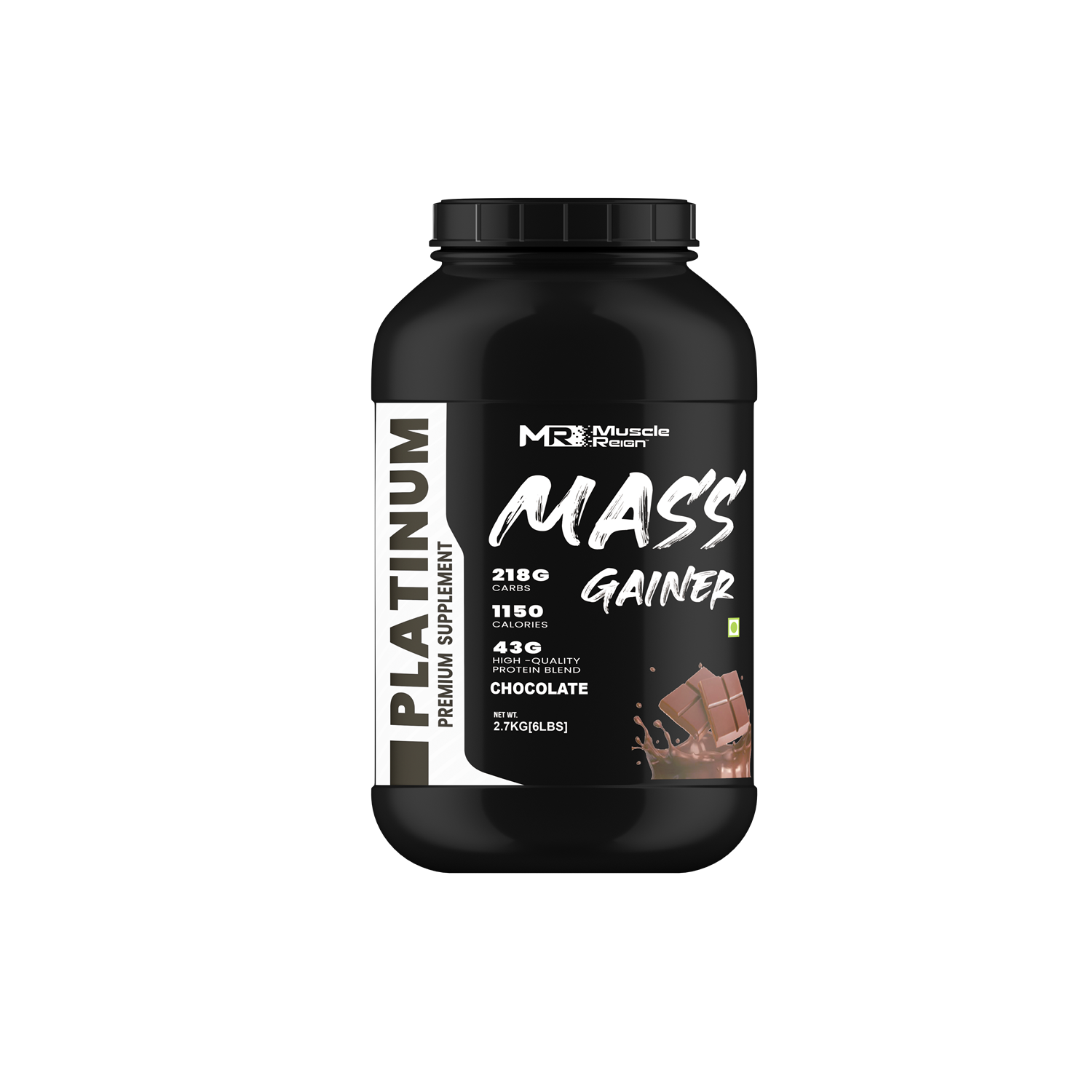
The more useful fix is targeted. Identify the actual size of the shortfall through honest tracking, then close it with a combination of slightly larger whole-food portions and, where appetite or schedule genuinely can't stretch further, a calorie-dense addition like a mass gainer used specifically to bridge that gap - not as a default first move, but as a tool for the specific situation where whole food alone isn't closing it. A moderate surplus, closer to a few hundred calories above maintenance, supports muscle growth without disproportionate fat gain; a very large, uncontrolled surplus does the opposite.
Where Muscle Reign Fits This Specific Gap
This is precisely why Muscle Reign treats protein and calorie supplementation as two separate tools rather than one generic "muscle building" category. Whey Protein and Peak Whey Concentrate exist to close a protein gap - they add meaningful protein without adding much total energy, which is exactly right when protein is genuinely the shortfall and total intake is already adequate.
Peak Prime Bulk exists for the opposite situation - a confirmed calorie gap, where whole food and a standard protein shake aren't closing the total energy shortfall despite real effort to eat more. Reaching for a mass gainer without first confirming which gap you actually have is how the fat-gain version of this mistake happens; reaching for more protein powder when the real shortfall is total calories is how the stalled-progress version happens. The honest first step, in either direction, is finding out which number is actually wrong before picking the product meant to fix it.
Common Mistakes People Make With This Gap
- Assuming protein adequacy means calorie adequacy - the two numbers move independently and need separate tracking
- Adding a protein shake to fix a problem that's actually a calorie problem - the shake helps the wrong column
- Overcorrecting once the gap is found, jumping straight to a large surplus instead of a moderate, targeted increase
- Never checking the trend on the scale, relying instead on how full a meal felt as a proxy for total intake
- Blaming genetics or training for stalled progress before checking whether total energy intake was ever actually adequate
Possible Considerations
Anyone with a history of disordered eating patterns should approach structured calorie tracking cautiously, ideally with guidance from a healthcare professional or registered dietitian, since precise food logging can be triggering for some individuals. Significant, persistent difficulty eating enough despite genuine effort, or unexplained weight changes, are worth discussing with a physician rather than addressing through supplementation alone.
Frequently Asked Questions
I hit my protein target every day but I'm still not gaining muscle. What's wrong? The most common explanation is a calorie shortfall sitting underneath an adequate protein intake. Protein and total calories are separate variables - hitting one doesn't guarantee the other is also adequate.
Can I build muscle if my calories are too low even with high protein? High protein can help preserve existing muscle and slow the damage of an energy shortfall, but it doesn't replace the surplus your body needs to actively build new tissue. Research on energy restriction shows the muscle-building signal gets suppressed even when protein intake is strong.
Why does dal-roti-sabzi feel like "eating a lot" but still fall short on calories? These staples are high in fibre and water content, which makes them filling per calorie. That's genuinely useful for fat loss, but it means the total energy delivered per meal is often lower than it feels, especially for someone training with an active job and commute on top.
Does adding a protein shake fix a calorie shortfall? Only partially, and usually not enough. A standard shake adds meaningful protein but a comparatively small number of calories. If the actual issue is total energy intake, the shake fixes the wrong column.
How do I know if my problem is protein or calories? Track your total daily intake honestly, including oils, chai, and anything eaten without sitting down to a full meal, and compare it against your actual maintenance number. Watch your bodyweight trend over a representative stretch rather than judging from how full meals feel.
Should I just eat a lot more once I find the gap? No - a large, uncontrolled overcorrection tends to push fat gain ahead of muscle gain. A moderate, targeted increase closes the actual shortfall without creating the opposite problem.
Is a mass gainer the answer if my protein is already high? Only if you've confirmed the shortfall is genuinely in total calories, not protein. If protein is already adequate and total intake is confirmed low despite real effort with whole food, a mass gainer is a reasonable, targeted way to close that specific gap.
Can vegetarian Indian diets provide enough total calories for muscle building, or do they cap out too early? They can, but it usually requires deliberate portion increases and calorie-denser additions - nuts, ghee, full-fat dairy, more rice - rather than assuming the same meal pattern automatically scales up with training demand.
Is this the same as being in a "calorie deficit by accident"? Essentially, yes - many people training seriously are unintentionally under-eating relative to their training demand, despite having no intention to diet, simply because they've never actually measured their total intake against what their body needs.