The ₹5,000 Supplement Mistake: How Gym-Goers Build Stacks That Don't Match Their Goals
A guy walks into a supplement store in Lajpat Nagar wanting to "get serious" about the gym. Forty minutes later he walks out with a mass gainer, a pre-workout, a BCAA, and a fat burner - close to ₹6,000 spent in one trip. His actual situation: he's trying to lose the weight around his stomach while keeping the muscle he has. Three of the four products in his bag work against that goal. The mass gainer adds calories he doesn't need. The fat burner does close to nothing without a structured deficit. Only the BCAA is even loosely relevant, and even that is questionable given his diet already has enough protein.
This isn't a story about one person making a bad call. It's the default first-purchase pattern for a large share of Indian gym-goers, and it happens because supplement stores are built to sell product volume, not to ask the one question that actually matters: what are you training for, and does this product move you toward it or away from it?
What "Goal Mismatch" Actually Means
A goal mismatch isn't buying a bad product. Every product mentioned above works exactly as designed. The mismatch is buying a product built for a different goal than the one you're actually pursuing - a mass gainer when you're cutting, a fat burner when you haven't fixed your diet, a pre-workout when your actual limiter is inconsistent training, not low energy.
The ₹5,000 figure isn't precise for everyone - it's a stand-in for what a first-time buyer typically spends when four or five products get added to a basket in a single visit, driven by a shopkeeper's upsell or a friend's stack rather than an honest look at what the buyer is actually trying to achieve.
Myths Worth Dropping
| **Myth** | **Reality** |
|---|---|
| More supplements always move you closer to your goal | A supplement that doesn't match your current goal (surplus vs deficit, strength vs endurance) can actively work against it, regardless of individual product quality |
| A "complete stack" is what serious lifters use | Serious, experienced lifters typically run a small, deliberate set of products matched precisely to their current training block - not a maximal stack bought in one visit |
| If a product worked for a friend, it will work for you | Product fit depends on your calorie intake, training goal, and current diet gaps - not someone else's results with the same product |
| Buying everything at once saves a second trip | Products bought without a clear need are the ones most likely to sit half-used, which is the actual source of wasted spend - not the price of any single item |
| Fat burners and mass gainers are opposite-goal products that both belong in a "complete" stack | Carrying both simultaneously usually means one is actively cancelling the other's intended effect on your calorie balance |
Why This Keeps Happening
Three forces consistently produce goal-mismatched stacks in India specifically:
The one-trip habit. Most first-time buyers make a single supplement store visit and want to leave "sorted." This pressure to buy everything now, rather than add products as an actual need appears, is the single biggest driver of mismatched stacks.
Advice without diagnosis. A friend's recommendation, a trainer's default stack, or a shopkeeper's commission-driven upsell rarely starts with the question "what's your current calorie intake and what's your goal for the next 90 days." Without that question, the recommendation is generic, not personal.
Confusing effort with product count. There's a common, understandable belief that spending more on supplements signals seriousness. In practice, seriousness shows up in training consistency and diet adherence - the supplement count is close to irrelevant to that.
What the Research Actually Shows
Research on resistance-trained individuals consistently identifies total daily caloric balance and total daily protein intake as the dominant variables determining whether someone gains muscle, loses fat, or does neither - not the number of supplement categories in use. A well-matched two-product stack (protein plus creatine, for example) run consistently for months outperforms a five-product stack used inconsistently because half the products don't fit the current goal.
This matters specifically for goal mismatch: a mass gainer added to an already-adequate diet doesn't accelerate muscle gain - it simply pushes total calorie intake into a range that increases fat gain disproportionately to muscle gain. A fat burner taken without an actual calorie deficit doesn't create one - deficit is a function of intake versus expenditure, not a capsule. The product itself isn't the problem in either case. The mismatch between the product's mechanism and the buyer's actual current situation is.
The Four Common Mismatch Patterns in Indian Gyms
1. The lean guy who buys pre-workout instead of protein. He's under-eating protein relative to his training, feels flat in sessions, and assumes the fix is more stimulation. Pre-workout won't close a protein gap - it just makes the same under-fuelled session feel more energetic for the first twenty minutes.
2. The cutting lifter who keeps buying mass gainer out of habit. He bulked for a year, built the habit of a post-workout gainer shake, and never adjusted it when he shifted into a fat-loss phase. The shake alone can add 600+ calories a day working directly against the deficit he's trying to maintain.
3. The busy professional who buys BCAA instead of whey. He's not hitting his daily protein target through food, and a BCAA supplement - which delivers only three amino acids in small doses - can't substitute for the complete protein and calorie-light delivery a whey shake provides.
4. The all-at-once buyer who finishes none of it. Five products bought in one visit means five separate habits to build simultaneously. Most people can build one or two new daily habits at a time. The rest sits in the cupboard, and the money is functionally gone regardless of whether the products themselves were "correct."
A Simple Goal-to-Supplement Match
| **Your Current Goal** | **Primary Supplement** | **Secondary (If Budget Allows)** | **Skip For Now** |
|---|---|---|---|
| Building muscle, eating enough | Whey Protein | Creatine Monohydrate | Mass Gainer, Fat Burner |
| Building muscle, genuinely under-eating | Whey Protein + Mass Gainer | Creatine Monohydrate | Pre-Workout, BCAA |
| Fat loss while preserving muscle | Whey Isolate | Creatine Monohydrate | Mass Gainer, extra stimulants |
| Inconsistent training, low motivation | Address training first | Peak (balanced pre-workout) | Anything beyond one product |
| Long, hot, high-volume sessions | EAA+Lyte or electrolyte support | Whey Protein | Additional stimulants |
The point of this table isn't to be exhaustive - it's to demonstrate the process. Before adding a product, name your goal for the next 8-12 weeks in one sentence, and ask whether the product's actual mechanism supports that specific sentence.
How Muscle Reign Fits Into a Correctly Matched Stack
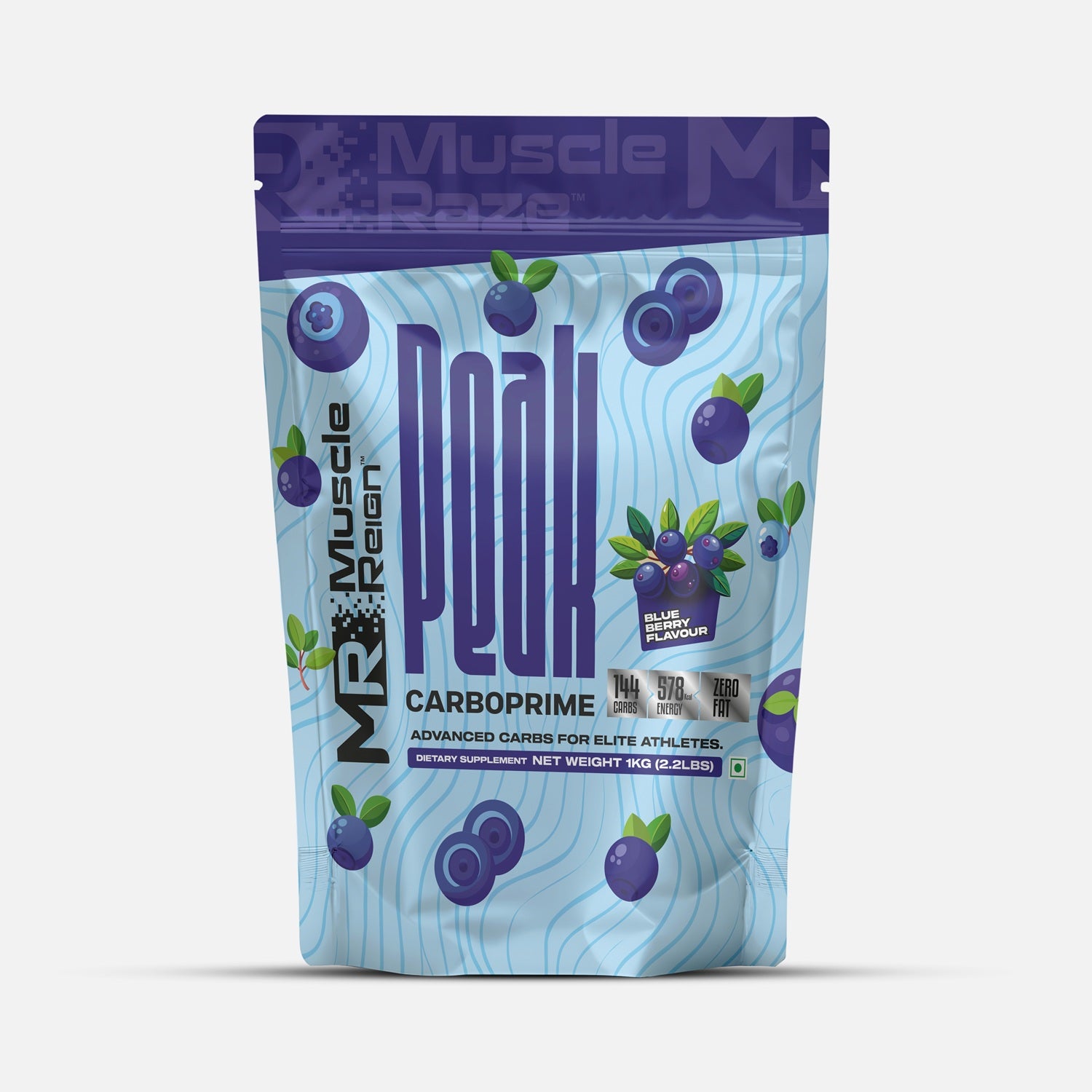
We'd rather sell you one product that fits your goal than four that don't. If your current gap is protein, Whey Protein or Peak Whey Concentrate closes it without adding calories you don't need. If your goal is strength output within a stable calorie target, Creatine Monohydrate is one of the few additions with strong enough evidence to justify its place regardless of whether you're bulking, cutting, or maintaining. If you've confirmed - through actually tracking your intake - that you're genuinely short on calories relative to your training demand, Peak Prime Bulk is built for that specific gap, not as a default add-on.
For fat-loss-focused lifters, Peak Ripped Isolate delivers a lean protein source without the added carbohydrate and fat load of a general concentrate, matching the calorie discipline a cut actually requires. None of these are correct by default - they're correct only relative to the goal you've actually named for the next few months.
Common Mistakes People Make Building a Stack
- **Buying a full stack in one visit** before establishing which products the current goal actually requires
- **Keeping a bulking-phase product active during a cutting phase**, or vice versa, without adjusting
- **Choosing BCAA over whey** when the actual gap is total daily protein, not amino acid variety
- **Assuming a fat burner replaces a calorie deficit** rather than supporting one that already exists
- **Judging seriousness by product count** instead of training and diet consistency
Possible Considerations
Supplement spending decisions should follow an honest assessment of your current diet and training goal, not marketing pressure in the moment of purchase. If you're uncertain whether you're in a calorie surplus or deficit, tracking your actual intake for a week before buying anything gives you more useful information than any product recommendation. Those managing a medical condition relevant to a specific ingredient (kidney conditions and protein intake, stimulant sensitivity and pre-workout, for example) should consult a physician before adding a new product to their routine.
Frequently Asked Questions
What's the single biggest supplement-buying mistake Indian gym-goers make?
Buying a full stack in one visit before identifying which specific goal each product should serve. Products bought without a defined purpose are the ones most likely to sit unused, which is the actual source of wasted spend.
Should I buy a mass gainer if I'm trying to lose fat?
No. A mass gainer is built to add calories, which directly works against a fat-loss calorie deficit. Whey isolate, which delivers protein with minimal added calories, fits a cutting goal far better.
Is it a waste of money to buy BCAA if I already take whey protein?
Generally yes, if your total daily protein intake is already adequate. Whey protein already contains the amino acids found in a BCAA supplement, making separate BCAA supplementation mostly redundant for someone whose protein target is otherwise being met.
How do I know if a supplement actually matches my current goal?
Name your goal for the next 8-12 weeks in one sentence - building muscle in a surplus, losing fat in a deficit, or maintaining while improving strength - then check whether the product's core mechanism (adding calories, closing a protein gap, or supporting power output) supports that specific sentence.
Is it better to buy one supplement at a time instead of a full stack?
Yes, for most people. Building one new supplement habit at a time is more sustainable than trying to integrate four or five simultaneously, and it lets you assess whether each product is actually earning its place before adding another.
Can a fat burner replace the need for a calorie deficit?
No. Fat loss depends on total calorie balance over time. A fat burner doesn't create a deficit on its own, and taking one without an actual structured deficit produces little meaningful result.
I already own a mismatched stack - should I stop using what doesn't fit my current goal?
It depends on the product. A mass gainer during a cut is worth pausing since it actively works against your deficit. A whey protein or creatine product rarely becomes "wrong" for a new goal - both remain broadly useful across muscle gain, fat loss, and maintenance phases.
Do experienced lifters really use fewer supplements than beginners?
Often, yes - though it varies by individual. Many experienced lifters run a focused, deliberate stack matched to their current training block rather than accumulating every category available, since they've already tested what genuinely moves their specific goal forward.
What should a beginner buy first to avoid this mistake entirely?
Start with the product addressing your most obvious dietary gap - usually protein - and add a second product only once that one is a consistent daily habit. This staged approach naturally prevents the all-at-once mismatch pattern.
Is it normal to change my supplement stack as my goal changes?
Yes, and it's expected. A stack built for a bulking phase should generally be reassessed when you shift into a cut or a maintenance phase, since the calorie-focused products in particular stop matching the new goal.
The Honest Answer
The ₹5,000 mistake isn't really about money - it's about buying before deciding. Every product in a mismatched stack usually works exactly as designed; the failure is pairing a calorie-adding product with a deficit goal, or a stimulant with a consistency problem that stimulation can't fix. Name your goal in one sentence before you buy anything, match the product to that sentence, and add the next one only once the first is a habit that's actually working.
Ready to Build a Stack That Actually Fits?
Start with the one product that matches where you actually are, not where a shelf full of options wants you to be. Explore Muscle Reign's Whey Protein, Creatine, and Mass Gainer range at www\.musclereign.com and build a stack around your goal - not around a single trip to the store.