The Supplement Shelf Test: How to Tell Which Products You Actually Need Before You Buy Anything
Most supplement advice starts with a product and works backward to justify it. This works the other way. Before you add anything to your cart - whether it's your first tub or your tenth - run it through five questions. If it survives all five, buy it with confidence. If it doesn't, you'll know exactly why, and you'll have saved yourself money on something that was never going to move your results.
This isn't a ranked list of what beginners should buy first. It's a test you can run on any product, at any stage of training, whenever you're deciding whether something belongs on your shelf.
The Five-Question Test
Question 1: What Is My Actual Goal Right Now?
Not your long-term goal - your goal for the next 8-12 weeks. Building muscle, losing fat, maintaining, or improving performance each point toward different supplement priorities. A fat-loss phase makes a mass gainer irrelevant regardless of how well-formulated it is. A pure strength phase makes a lean-macro isolate less of a priority than a calorie-neutral concentrate. The product needs to match the phase you're actually in, not the phase you were in six months ago or hope to be in eventually.
Test it: Can you name your current 8-12 week goal in one sentence? If the supplement doesn't clearly serve that specific goal, it fails here regardless of how good the product is in general.
Question 2: What Does My Current Diet Actually Provide?
This is the question most people skip, and it's the one that matters most. A supplement's value is entirely relative to the gap it's filling. If your diet already delivers adequate protein through food, another protein product adds convenience, not new benefit. If your diet is genuinely short on calories relative to your training demands, that's a different gap than a protein shortfall, and it points toward a different product entirely.
Test it: Have you actually tracked your food - even loosely, for a few days - recently? If you're guessing at your diet's gaps rather than knowing them, this question can't be answered honestly yet, and that's worth fixing before spending money.
Question 3: What Does My Training Frequency and Volume Actually Look Like?
Someone training two days a week has different supplement priorities than someone training six. Someone doing 90-minute sessions has different intra-workout needs than someone doing focused 40-minute sessions. Pre-workout, intra-workout amino acids, and electrolyte support all scale in relevance with how much your actual training demands - not with how advanced you consider yourself.
Test it: Does the supplement solve a problem created specifically by your training volume, intensity, or duration - or is it addressing a scenario (like extended high-intensity sessions, or training in significant heat) that doesn't actually describe your training?
Question 4: What's My Budget, and What's the Cost-to-Benefit Ratio?
Not every evidence-backed supplement is worth the same priority. Protein and creatine have the strongest, most consistent research support and the lowest cost per meaningful benefit. Products further down the evidence hierarchy - situational or marginal-benefit items - deserve a lower budget priority even if they're genuinely useful in the right context. A limited budget should go toward the highest-certainty items first.
Test it: If you could only afford one more product this month, would this be it - or is there something with stronger evidence and a clearer gap still unaddressed?
Question 5: What Gap in My Current Stack Is This Actually Filling?
This is the final filter, and it's where redundancy usually gets caught. If you already take a product covering essential amino acids, adding a separate BCAA product is largely duplicating what you already have. If your whey already contains a full leucine profile, a standalone leucine product isn't closing a new gap - it's re-covering old ground.
Test it: List what you're already taking. Does the new product overlap significantly with something already on that list, or does it genuinely address something nothing else currently covers?
Myths About Supplement Decision-Making
| Myth | Reality |
|---|---|
| More supplements always mean more thorough coverage | Beyond addressing genuine gaps, additional products offer diminishing returns and can create redundancy without added benefit |
| If a product has strong research, it's automatically worth buying | Strong evidence matters, but a supplement only earns its place if it addresses a gap that actually exists in your current diet and training - evidence alone doesn't create relevance |
| Buying what advanced lifters use will accelerate your own results | Advanced lifters' stacks are built around years of training volume, specific goals, and diets that likely look nothing like a beginner or intermediate's current situation |
| A supplement is a waste if you're not sure it's working | Some supplements (like creatine) work cumulatively over weeks without an obvious in-the-moment feeling - absence of a dramatic sensation doesn't mean absence of effect |
| Your stack should stay the same regardless of changing goals or training | The right supplement stack shifts as your goal, diet, training volume, and current gaps change - a stack built for a bulk doesn't automatically fit a cut |
Who Should Run This Test
Anyone about to buy a new supplement, whether it's their first purchase or an addition to an existing shelf.
People with an already-large supplement collection who suspect some of it isn't actually being used effectively, or is redundant with something else they own.
Those transitioning between training phases - bulk to cut, beginner to intermediate, low frequency to high frequency - where an old stack may no longer match current needs.
Budget-conscious buyers who want to make sure their next purchase is the highest-value option available, not just the most heavily marketed one.
Running the Test on a Real Example
Say you're considering a BCAA product. Goal: building muscle in a moderate surplus. Diet: hitting your protein target consistently through whey and whole food. Training: four sessions a week, roughly 60 minutes each, well-fed before training. Budget: moderate, already spending on whey and creatine. Gap: your whey already provides a complete amino acid profile including leucine, and your training isn't happening in a depleted state that would especially benefit from intra-workout amino acid support.
Result: This product likely fails the test - not because BCAAs don't work, but because your specific situation doesn't have the gap they're designed to fill. The same product could pass easily for someone training fasted, in a deficit, with long sessions and a five-hour gap since their last meal - same product, completely different verdict, because the gap is what determines relevance, not the product itself.
How Muscle Reign Fits Into This Framework
This test isn't designed to sell you more products - it's designed to make sure whatever you do buy is actually solving something. Run it honestly and for most people it points toward the same two starting products the evidence has consistently supported: a quality whey protein to close a dietary protein gap, and creatine monohydrate as a low-cost, high-certainty addition once that foundation is in place.
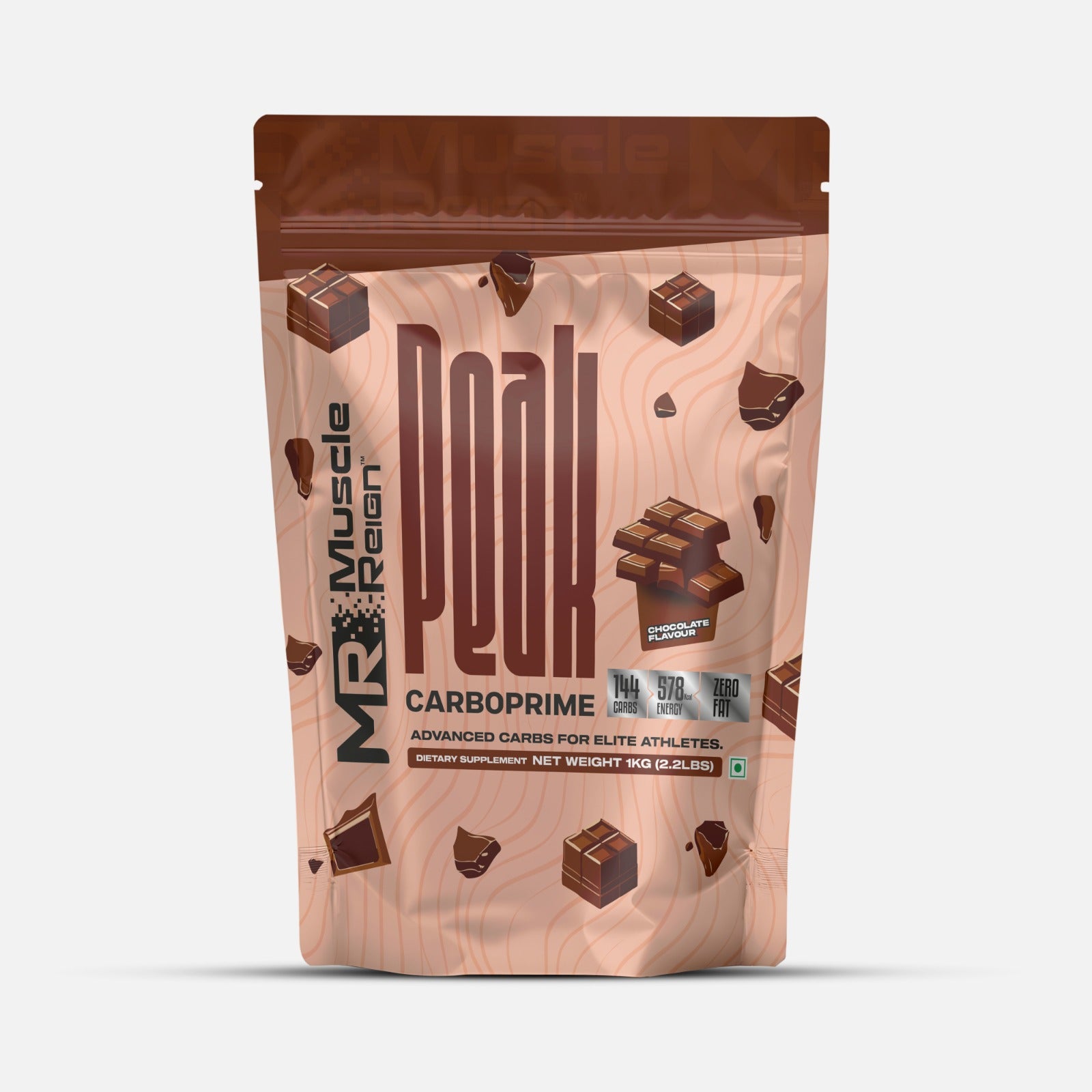
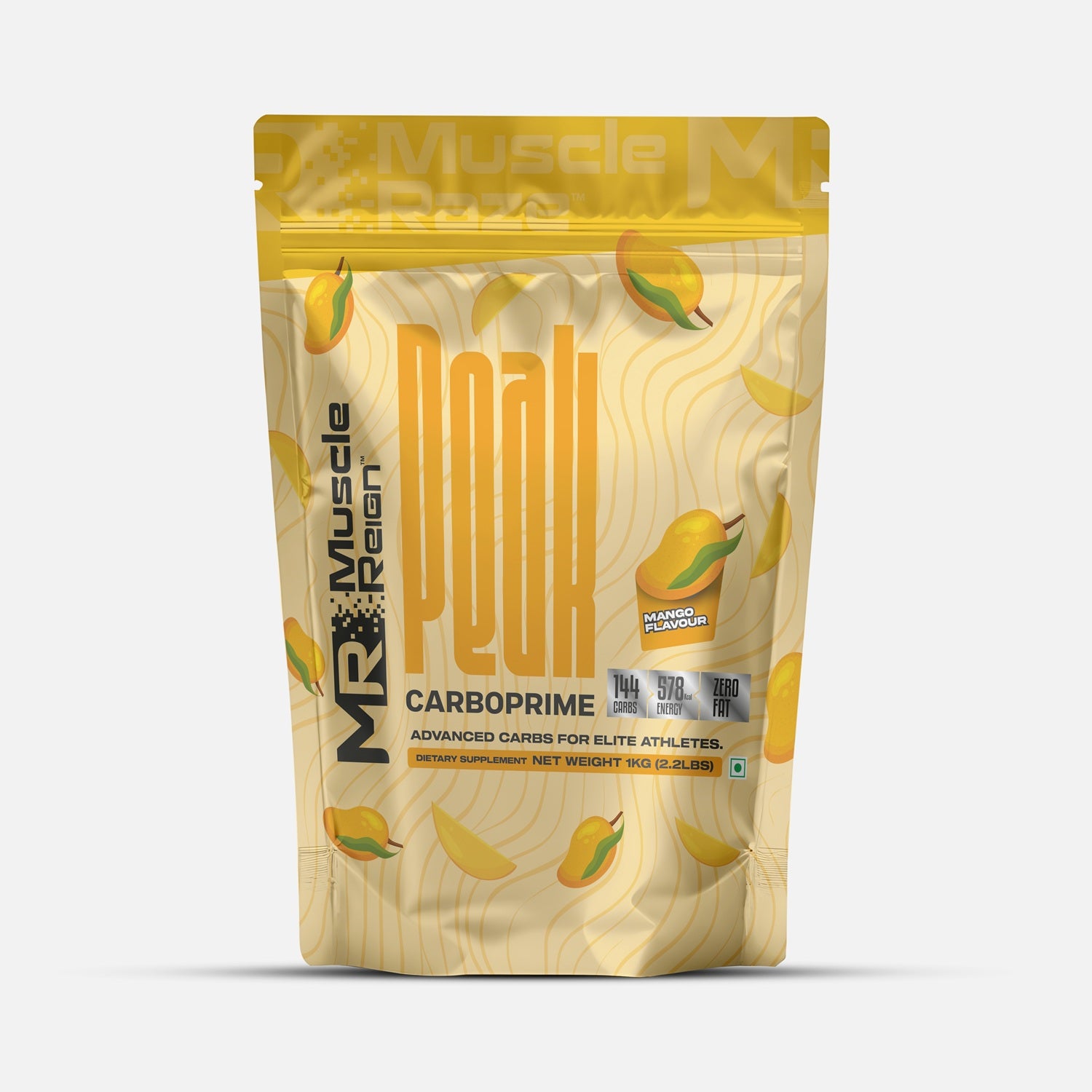
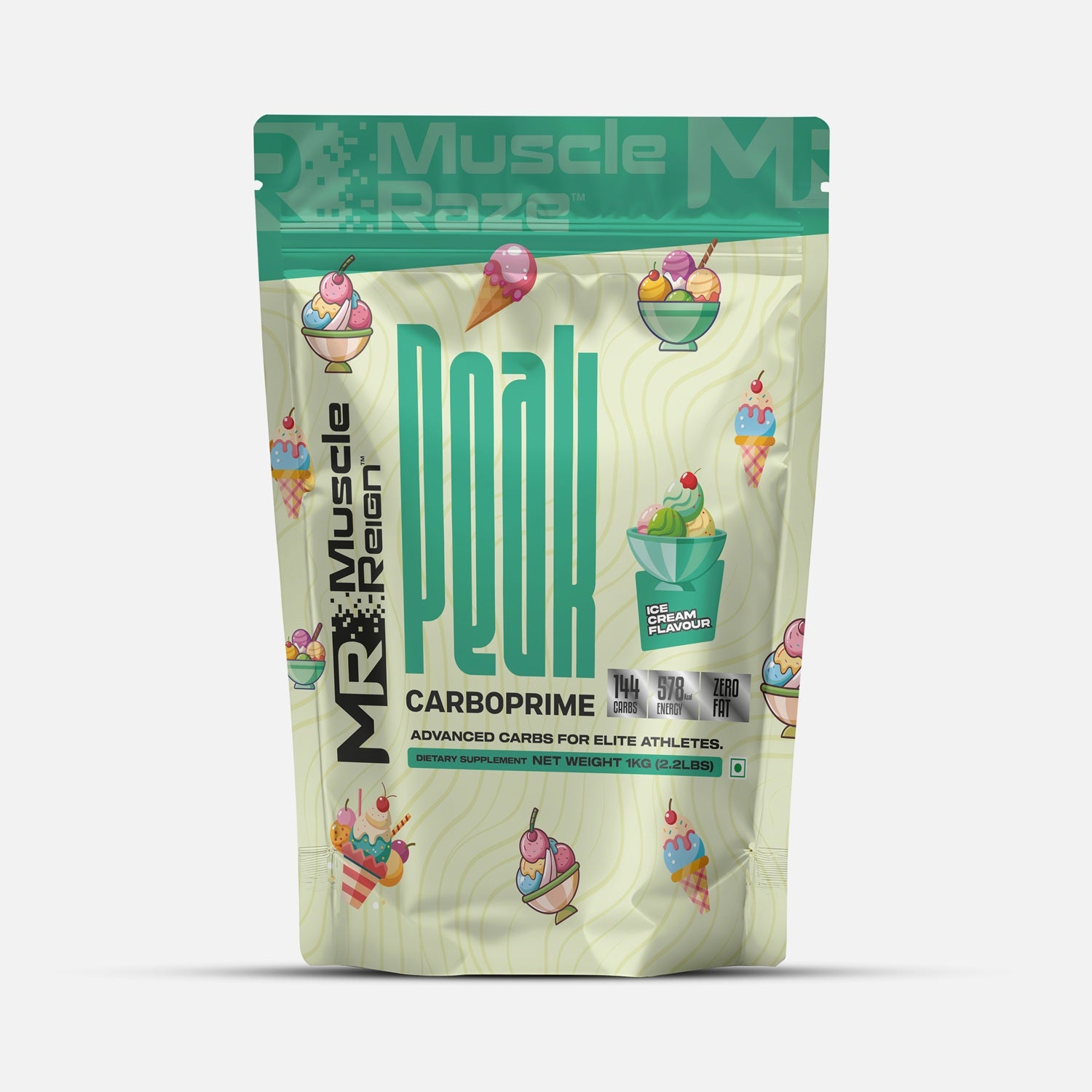
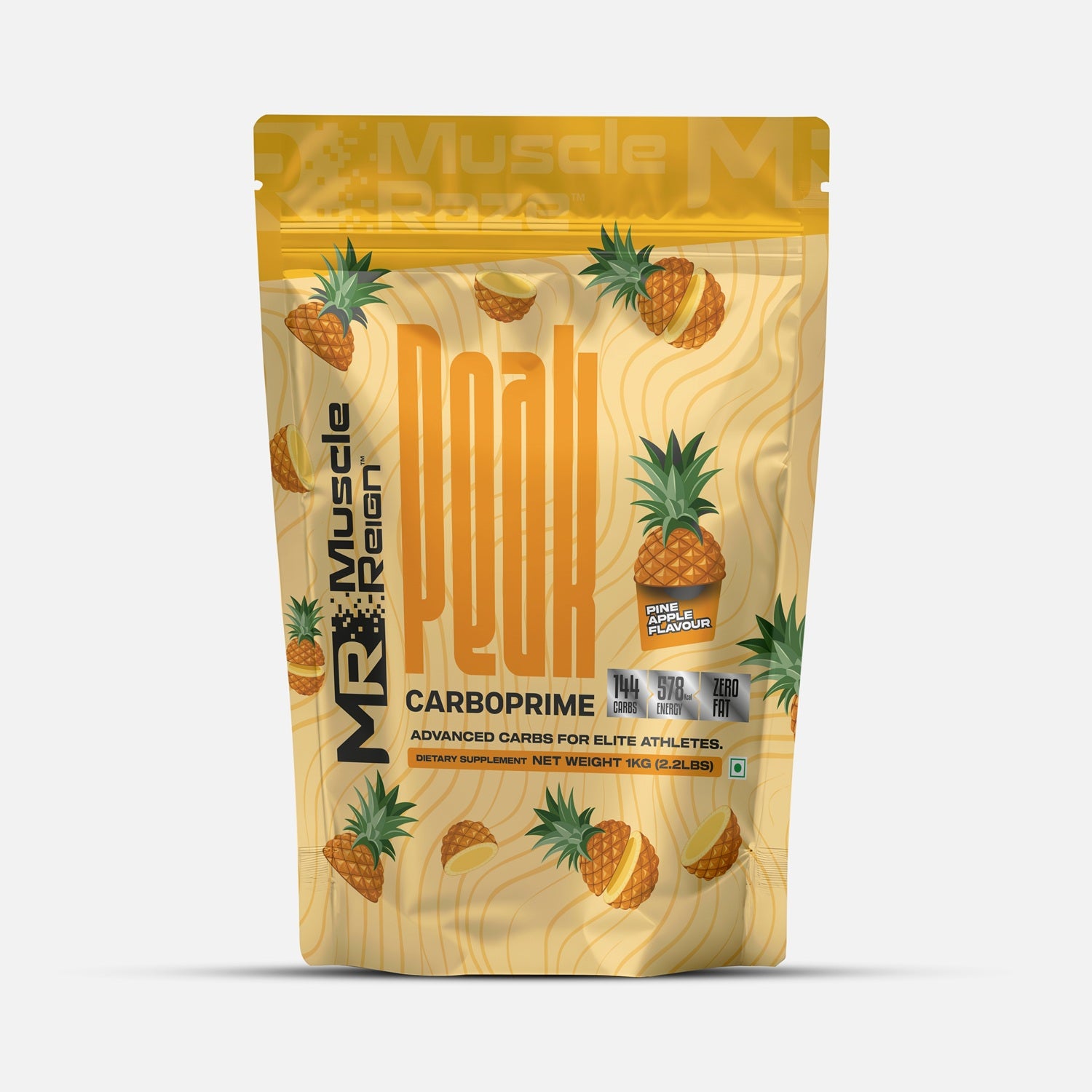
Everything beyond that - mass gainer, pre-workout, EAA+Lyte, omega-3 - should only follow if your answers to the five questions above genuinely point there. Muscle Reign's range is built across exactly these situational categories precisely because no single stack fits everyone - the test above is how you find out which parts of the range, if any, actually apply to you right now.
Common Mistakes People Make
- Buying based on what's trending or what a gym friend recommended, without checking whether it fits their own diet and training gap
- Skipping the diet-tracking step entirely, guessing at gaps instead of confirming them
- Ignoring redundancy between products already owned and new purchases being considered
- Treating every supplement as equally high-priority rather than weighing cost-to-benefit against protein and creatine specifically
- Never re-running the test as goals and training shift, leaving an outdated stack unchanged for months or years
Possible Considerations
Those with pre-existing health conditions - kidney disease, cardiovascular conditions, or known sensitivities to specific ingredients like caffeine - should factor medical guidance into this framework alongside the five questions, since a product can pass the goal-diet-training-budget-gap test and still warrant a conversation with a physician first.
Frequently Asked Questions
How is this different from a normal "which supplement should I buy first" article?
Most beginner guides give a fixed priority order regardless of your specific situation. This is a framework you apply to any product, at any stage, based on your own current goal, diet, training, budget, and existing stack - the answer is different for every person and can change over time.
What if a supplement passes some questions but not others?
Weigh it based on how many questions it clearly passes and how strong the evidence is for the product generally. A product that passes goal and training but fails on diet gap (because your diet already covers it) is a lower priority than one that passes all five.
Should I re-run this test even for supplements I already own?
Yes. Diet, training, and goals change over time, and a product that made sense six months ago may no longer address a gap in your current situation. Periodically re-checking your existing stack against this framework can reveal redundancy.
Does this framework apply to beginners and advanced lifters equally?
Yes. The specific answers will differ significantly - a beginner's diet gap and training volume look nothing like an advanced lifter's - but the five questions themselves apply regardless of experience level.
What if I genuinely can't tell what gap is in my diet without tracking?
That's a strong signal to track your food for a few days before buying anything new. Guessing at dietary gaps is one of the most common ways people end up with supplements that don't actually address their real situation.
Is it ever okay to buy a supplement just because I want to try it, not because it passed the test?
That's a reasonable personal choice, but it's worth being honest with yourself that it's an experimental or preference-based purchase rather than one addressing a confirmed gap - this keeps expectations realistic.
How often should I reassess my whole supplement stack using this test?
Whenever your goal, training volume, or diet changes meaningfully - typically every few months for most people, or immediately after a significant shift like starting a cut, increasing training frequency, or changing jobs and schedules.
Does budget priority mean I should never buy anything beyond protein and creatine?
No. It means protein and creatine typically deserve priority when budget is limited, given their evidence strength and low cost-to-benefit ratio. Once that foundation is covered, budget can reasonably extend to situational products that pass the full five-question test.
Can this test help me avoid buying supplements I don't actually need?
That's its primary purpose. Running any potential purchase through goal, diet, training, budget, and existing-gap questions before buying is specifically designed to catch products that sound appealing but don't address anything genuinely missing in your current setup.
What's the single most commonly failed question in this test?
Question 2 - what your current diet actually provides. Most people haven't tracked their food closely enough to know their real gaps, which means most supplement purchases happen without confirming the gap the product is meant to fill actually exists.
The Honest Answer
The supplement shelf test isn't about buying less for the sake of it - it's about buying exactly what your goal, diet, training, and budget actually call for, and being able to explain why each product on your shelf earned its place. Most people's supplement spending isn't wasted because the products don't work. It's wasted because nobody checked whether the gap the product was designed to fill actually existed for them in the first place.
Ready to Buy With Confidence, Not Guesswork?
Run the test first. Explore Muscle Reign's full range at www.musclereign.com and find the specific products that actually match where your training and diet are right now.