Workout Nutrition: What Your Body Actually Needs (Muscle Reign's Take)
At Muscle Reign, we get one question more than almost any other: "What should I actually eat around my workout?" Not what an influencer eats, not what a random gym bro recommends near the water cooler—what does the research actually say your body needs before, during, and after training? This is our answer, built the way we build everything: evidence first, hype never.
Workout nutrition isn't complicated once you strip away the noise. It comes down to three checkpoints—fuel in, perform, refuel, and repair. Getting each one right consistently matters far more than obsessing over any single meal. Here's how we think about it, and how we help you execute it, whether you're training in a Gurgaon gym at 6 AM or squeezing in a home session after a long Bengaluru workday.
What Is Workout Nutrition, and Why Does Timing Matter?
Workout nutrition refers to the strategic intake of carbohydrates, protein, and fluids around your training session to support performance, energy, and recovery. Total daily nutrition drives most of your long-term results—that's non-negotiable—but what you eat immediately around training affects how well you perform in that specific session and how efficiently your body recovers afterward.
We built Muscle Reign around this exact principle: supplements aren't a replacement for good nutrition. They're precision tools that support it at the moments your diet alone can't keep up—like a 7 AM gym session before a 9 AM meeting.
Why It Matters: The Science We Build Around
Research indicates that training performance depends heavily on glycogen availability—the stored carbohydrate your muscles rely on during exercise. Training on empty glycogen stores, like skipping food for hours beforehand, can reduce workout intensity and output, particularly for resistance training and longer sessions.
Post-workout, your muscles are primed to repair and rebuild through muscle protein synthesis, a process that responds strongly to adequate protein intake within a few hours of training. This is the exact window we formulate our recovery range around—not the outdated "30-minute" myth, but the real, wider window the research actually supports.
What Your Body Needs Before a Workout
Carbohydrates
Provide readily available energy for training intensity. A meal with moderate carbs 1–3 hours before training supports better performance than training fasted for most people.
Moderate Protein
A small protein source before your workout supports amino acid availability during training and helps reduce muscle protein breakdown.
Hydration
Even mild dehydration can reduce strength output and endurance. We'd rather you walk into a session already hydrated than trying to catch up mid-set.
Timing Guidance
- 2–3 hours before: A balanced meal with carbs, protein, and moderate fat (e.g., roti, dal, sabzi).
- 30–60 minutes before: A lighter snack such as a banana or a small protein shake if needed.
What Your Body Needs During a Workout
For most workouts lasting under 60–75 minutes, water alone is typically sufficient—we won't sell you something you don't need.
Longer or high-intensity sessions, or training during the Indian summer, may genuinely benefit from:
- Electrolytes to replace sodium and minerals lost through sweat.
- Intra-workout carbohydrates (mainly useful for endurance athletes or sessions lasting over 90 minutes).
- Amino acids, which may help during fasted training but aren't essential if you've consumed adequate protein beforehand.
What Your Body Needs After a Workout
Protein
Supports muscle repair and adaptation. A protein-rich meal or shake within 1–3 hours after training is generally sufficient—the old "30-minute anabolic window" is outdated.
Carbohydrates
Help replenish glycogen stores, especially if you train frequently or perform high-volume workouts.
Fluids & Electrolytes
Replace fluids and minerals lost through sweat, particularly after intense or long-duration sessions.
Common Myths About Workout Nutrition
| Myth | Reality |
|---|---|
| You must eat protein within 30 minutes after training. | The recovery window lasts several hours—not just 30 minutes. |
| Training fasted always burns more fat. | It may reduce workout intensity. Overall calorie balance matters far more for fat loss. |
| Every workout needs intra-workout carbohydrates. | Most gym sessions don't require them. They're mainly useful for endurance athletes or very long sessions. |
| Eating before training makes you sluggish. | A properly timed meal generally improves performance rather than reducing it. |
| Water is always enough. | Long workouts and hot weather often require electrolyte replacement as well. |
Who Needs to Pay Closer Attention to Workout Nutrition?
Early Morning Trainees
Often train fasted due to time constraints and should prioritize post-workout nutrition.
Evening Trainees
May arrive under-fueled after a long workday. A light pre-workout snack can improve energy and performance.
High-Volume Trainees
Benefit from greater attention to hydration, electrolytes, and glycogen replenishment.
People Training During Indian Summers
Heavy sweating increases electrolyte losses, making hydration even more important.
Sample Workout Nutrition Timeline
| Time | What to Eat/Drink | Purpose |
|---|---|---|
| 2–3 hrs before | Roti + dal + sabzi or rice + paneer | Sustained energy |
| 30–60 min before | Banana or small protein shake | Quick energy |
| During (60–75 min) | Water | Hydration |
| During (90+ min) | Water + electrolytes | Hydration & mineral replacement |
| Within 1–3 hrs after | Protein shake + carbohydrates or a full meal | Recovery & glycogen replenishment |
Pre-Workout vs Post-Workout Nutrition
| Factor | Pre-Workout | Post-Workout |
|---|---|---|
| Primary Goal | Fuel performance | Support recovery |
| Main Nutrient | Carbohydrates | Protein + Carbohydrates |
| Timing | 1–3 hours before | 1–3 hours after |
| If Skipped | Reduced workout performance | Slower recovery—not lost gains |
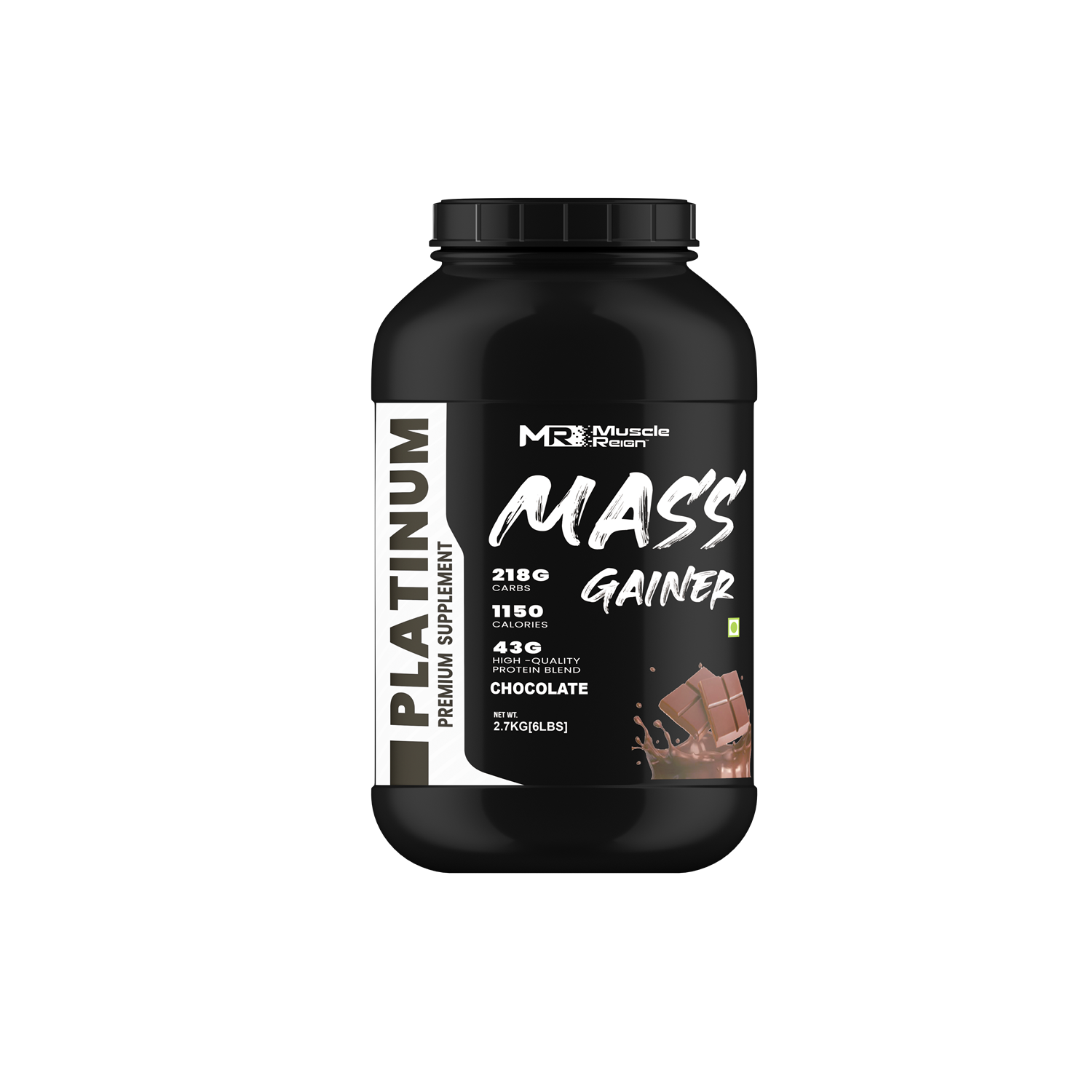
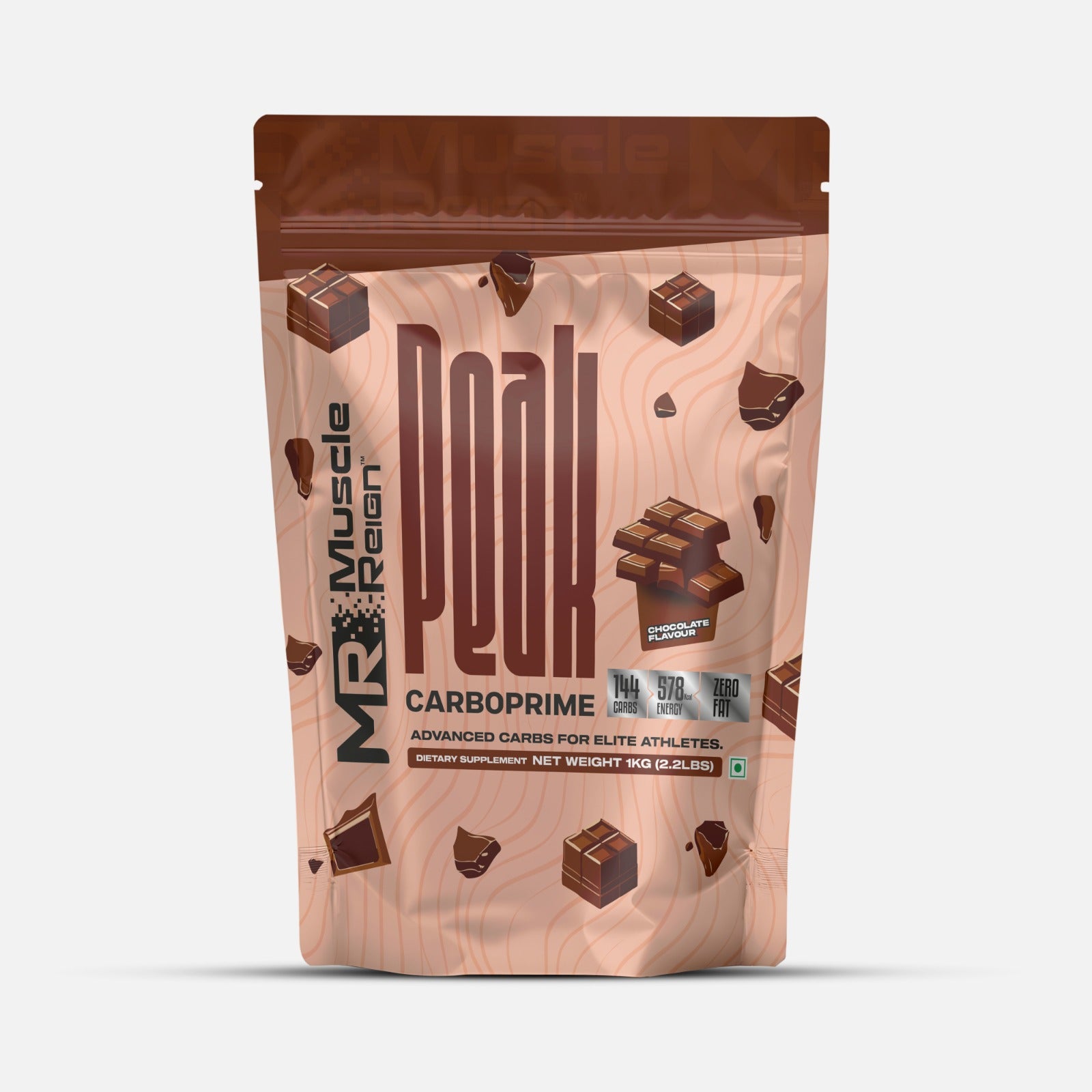
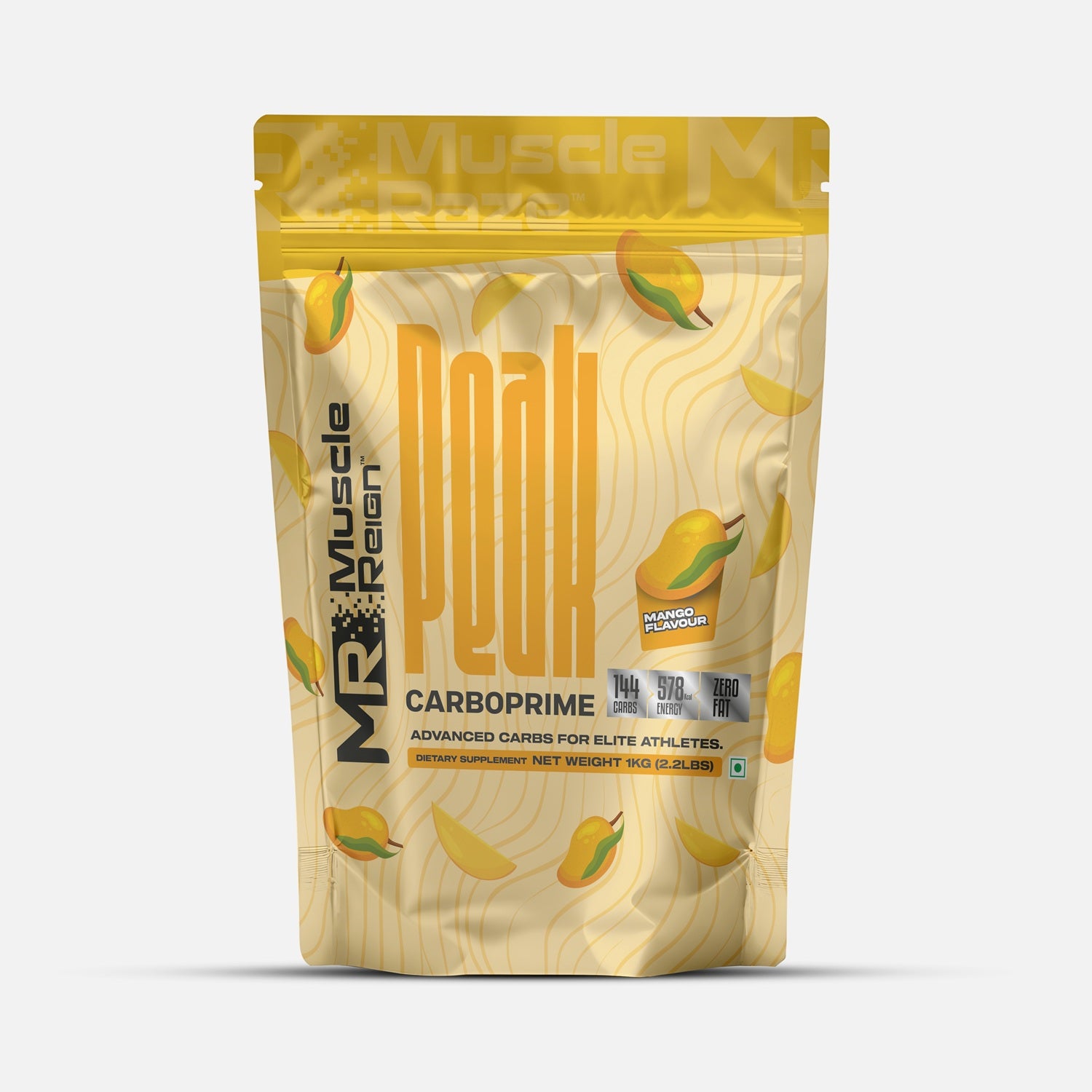
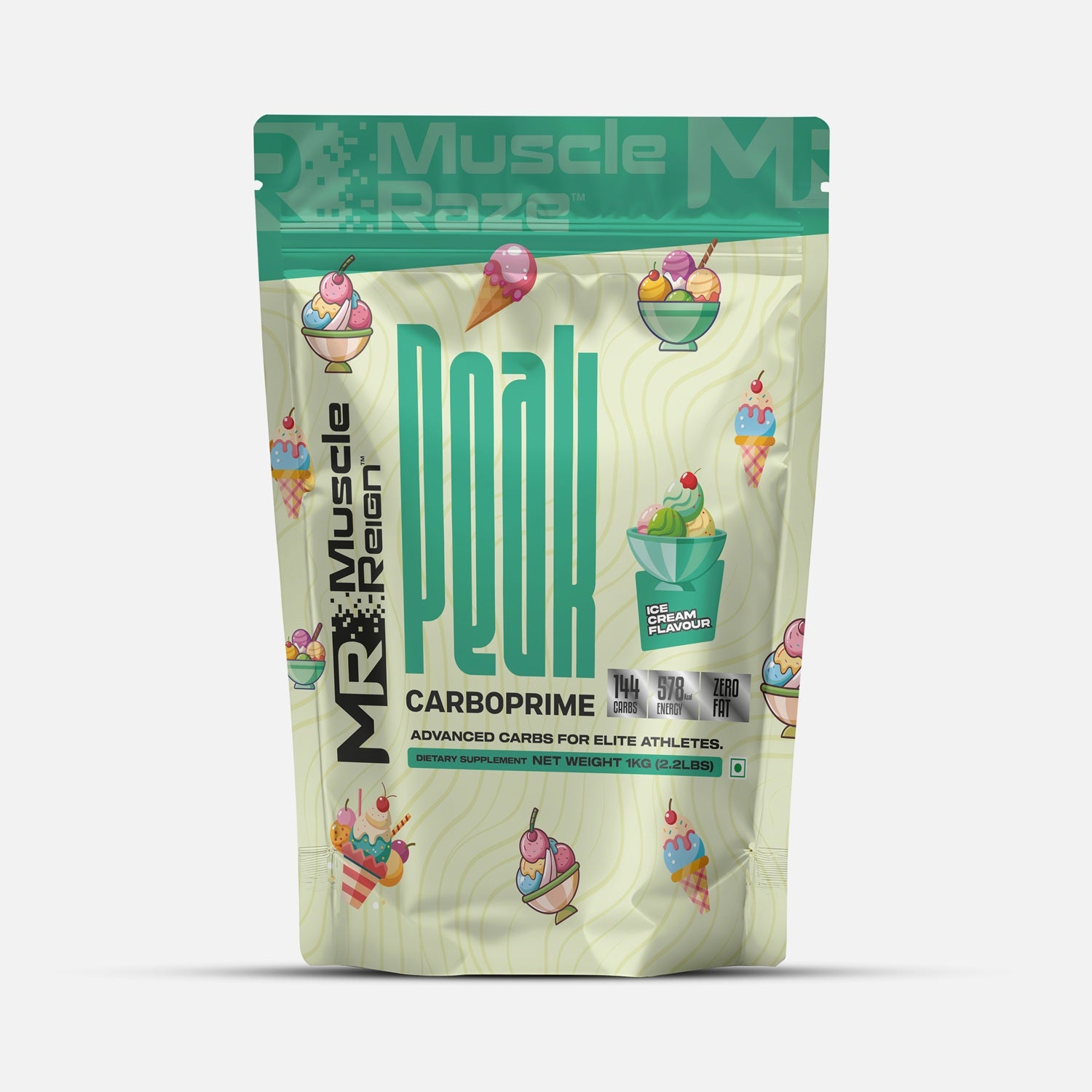
How Muscle Reign Fits Into This
Our philosophy is simple: supplements should fill genuine nutritional gaps—not create dependency.
Peak Series Whey Concentrate is designed for those moments when preparing a full post-workout meal simply isn't practical. It provides high-quality protein in under a minute.
EAA + Lyte was developed for early morning fasted sessions, long training days, and India's hot climate where hydration and amino acid support may overlap.
Most workouts don't require an expensive supplement stack. A balanced meal and proper hydration remain the foundation. Our products simply make consistency easier when life gets busy.
Common Workout Nutrition Mistakes
- Training completely fasted without adjusting workout expectations.
- Skipping post-workout nutrition altogether.
- Starting workouts dehydrated.
- Overcomplicating intra-workout nutrition.
- Eating heavy, high-fat meals immediately before training.
Possible Considerations
Training in extreme heat without adequate hydration can increase the risk of cramps, dizziness, and heat exhaustion. If you experience severe dizziness, confusion, or nausea during exercise, seek medical attention. Individuals with diabetes or blood sugar disorders should consult their healthcare provider regarding carbohydrate timing around workouts.
Frequently Asked Questions
What should I eat before a workout?
A meal containing carbohydrates and moderate protein 1–3 hours before training provides sustained energy.
Is it bad to work out on an empty stomach?
Not necessarily, but many people experience reduced strength and workout intensity.
Do I need to eat immediately after my workout?
No. Eating within 1–3 hours after training is generally sufficient.
What should I drink during a workout?
Water is enough for most sessions. Electrolytes become useful for longer or hotter workouts.
Can skipping meals help burn more fat?
Fat loss depends on total calorie balance, not skipping meals around workouts.
How much protein should I eat after training?
About 25–30g of quality protein supports muscle recovery for most people.
Do I need carbohydrates after every workout?
They're most important if you train frequently or perform high-volume workouts.
What's the best pre-workout meal for early morning training?
A banana with a small protein shake is an easy option when a full meal isn't practical.
Do I need electrolytes for a one-hour gym session?
Usually not. Water is generally sufficient unless you're training intensely in very hot conditions.
Can eating too close to a workout cause discomfort?
Yes. Large or high-fat meals close to training can cause sluggishness and digestive discomfort.
Does post-workout nutrition differ for fat loss and muscle gain?
The basic principles remain the same. Overall daily calories determine whether you're in a deficit or surplus.
How important is hydration?
Even mild dehydration can reduce strength, endurance, focus, and overall workout performance.
The Honest Answer
Workout nutrition doesn't have to be complicated. Fuel your body before training, stay hydrated during exercise, and consume protein plus carbohydrates afterward. Do those three things consistently, and you'll make far more progress than chasing nutrition myths.
Ready to Train the Muscle Reign Way?
Explore Muscle Reign's science-backed protein and recovery range at www.musclereign.com and fuel your workouts with products designed to fit real life.