What Should You Drink During a 90-Minute Workout? Water, Electrolytes, Aminos or Carbs?
You're on your fourth exercise, sets are starting to feel heavier than they should, and there's a bottle of plain water sitting next to a tub of something with sodium and amino acids on the label. Most people just default to whichever one is closer. The actual answer depends on how long you're training, how hard, and how much you've eaten beforehand - and for a session that runs close to ninety minutes, plain water alone is genuinely not doing the whole job anymore. This isn't a case for buying four different products. It's a decision framework - what your body actually needs at the one-hour mark that it didn't need at minute fifteen, and which of water, electrolytes, aminos, or carbs actually addresses each specific problem.
Why Session Length Changes What You Should Be Drinking
Short sessions and long sessions are different physiological events, not the same workout stretched out. In the first thirty to forty minutes of moderate-intensity resistance training, your body is running largely on stored muscle glycogen and whatever fluid reserves you walked in with. Water covers this window adequately for most people. Past that point, three things start happening at once: sweat losses accumulate enough to matter, circulating amino acid levels begin declining if your last meal was several hours earlier, and muscle glycogen stores start meaningfully depleting on higher-volume days. None of these problems existed at the start of the session. All three are why a ninety-minute workout is a different drinking problem than a forty-minute one.
Myths Worth Dropping
| Myth | Reality |
|---|---|
| Water is always enough as long as you're not thirsty | Thirst is a lagging signal - performance can already be affected before you notice it, and water alone doesn't replace the electrolytes sweat takes with it |
| Electrolytes and amino acids solve the same problem | They address different mechanisms entirely - electrolytes govern muscle contraction and fluid balance, amino acids govern protein breakdown and availability |
| You need carbs during any workout to perform well | Most sessions under an hour at moderate intensity don't meaningfully deplete glycogen; intra-workout carbs earn their place mainly in longer or higher-volume sessions |
| More ingredients in one drink is automatically better | A formula stacking electrolytes, aminos, and carbs together isn't wrong, but it's only useful if your session actually needs all three - otherwise you're just adding unnecessary calories or cost |
| Sipping anything mid-set means you're not training hard enough | Fuelling and hydration strategy has nothing to do with effort level - it's about sustaining the effort you're already putting in across the full session |
What Each Option Actually Does
Water
Water replaces fluid volume and nothing else. For sessions under roughly an hour at moderate effort, this is genuinely sufficient for most people. Its limitation shows up once sweat losses climb - water dilutes the sodium concentration in your blood without replacing what was lost, which is part of why plain water alone can leave you feeling flat rather than refreshed toward the back half of a longer session.
Electrolytes
Sodium and potassium specifically govern the electrical signalling that drives muscle contraction, alongside fluid retention at the cellular level. When these deplete through sweat, muscle contraction quality declines independently of how hydrated you feel. This matters most in longer sessions, hot training environments, and for anyone who sweats heavily regardless of session length.
Essential Amino Acids (EAAs)
A full amino acid profile supports muscle protein synthesis directly and buffers the muscle protein breakdown that happens during training - particularly relevant when your last meal was several hours before you started. This is a separate mechanism from hydration or electrolyte balance entirely.
Carbohydrates
Fast-absorbing carbs top up circulating blood glucose and slow the rate of glycogen depletion during the session itself. This matters most for higher-volume training days, sessions that run long, or anyone training in a state where their last meal was well before the workout began.
The Decision Framework for a 90-Minute Session
| Your situation | What you likely need |
|---|---|
| Moderate session, ate a full meal within a couple hours, cool gym | Water is probably sufficient |
| Session running close to ninety minutes, any conditions | Electrolytes - sweat losses at this duration are meaningful regardless of intensity |
| Long gap since your last meal (training fasted or after a long workday) | EAAs - amino acid availability is likely already declining |
| High-volume day - legs, full-body, multiple compound lifts, ninety minutes plus | Carbs, alongside electrolytes - glycogen demand is genuinely elevated |
| Hot or poorly ventilated gym, heavy sweater regardless of session length | Electrolytes become relevant even in shorter sessions |
| All of the above at once (long, hot, high-volume, fasted) | A combined formula covering electrolytes, aminos, and carbs together earns its place here |
The honest pattern: as session length crosses the one-hour mark and pushes toward ninety minutes, you're not choosing one of these four options - you're usually stacking two or three, because the problems they solve are compounding, not competing.
Building a Drinking Strategy for a Long Session
Before you start: Arrive already hydrated rather than trying to catch up once you're training. If it's been several hours since your last meal, this is also where sipping something with a full amino acid profile before the first working set makes a genuine difference through the rest of the session. Through the first stretch of training: Water is generally sufficient here for most people, most conditions. Once the session crosses the halfway point on a long day: This is where electrolytes start earning their place if they haven't already, particularly if you're visibly sweating through your shirt. On high-volume days, this is also roughly when circulating glycogen availability starts becoming relevant enough that a carbohydrate source sipped through the back half genuinely helps sustain output. Through to the end: Continuous sipping - a small amount consistently rather than large gulps between sets - keeps whatever you're taking working steadily rather than spiking and dropping off before the session finishes.
Common Mistakes People Make
- Treating a ninety-minute session the same as a thirty-minute one and sticking to water the entire way through
- Reaching for more caffeine or stimulation when the actual issue is depleted electrolytes or glycogen, not insufficient nervous system drive
- Gulping a large volume once mid-session instead of sipping consistently, which does less for sustained performance
- Assuming an amino acid drink covers hydration needs, or an electrolyte drink covers amino acid needs - they don't overlap
- Skipping any of this on the assumption that "it's just water and effort" for sessions that have genuinely outgrown that framing
How Muscle Reign Fits Into This
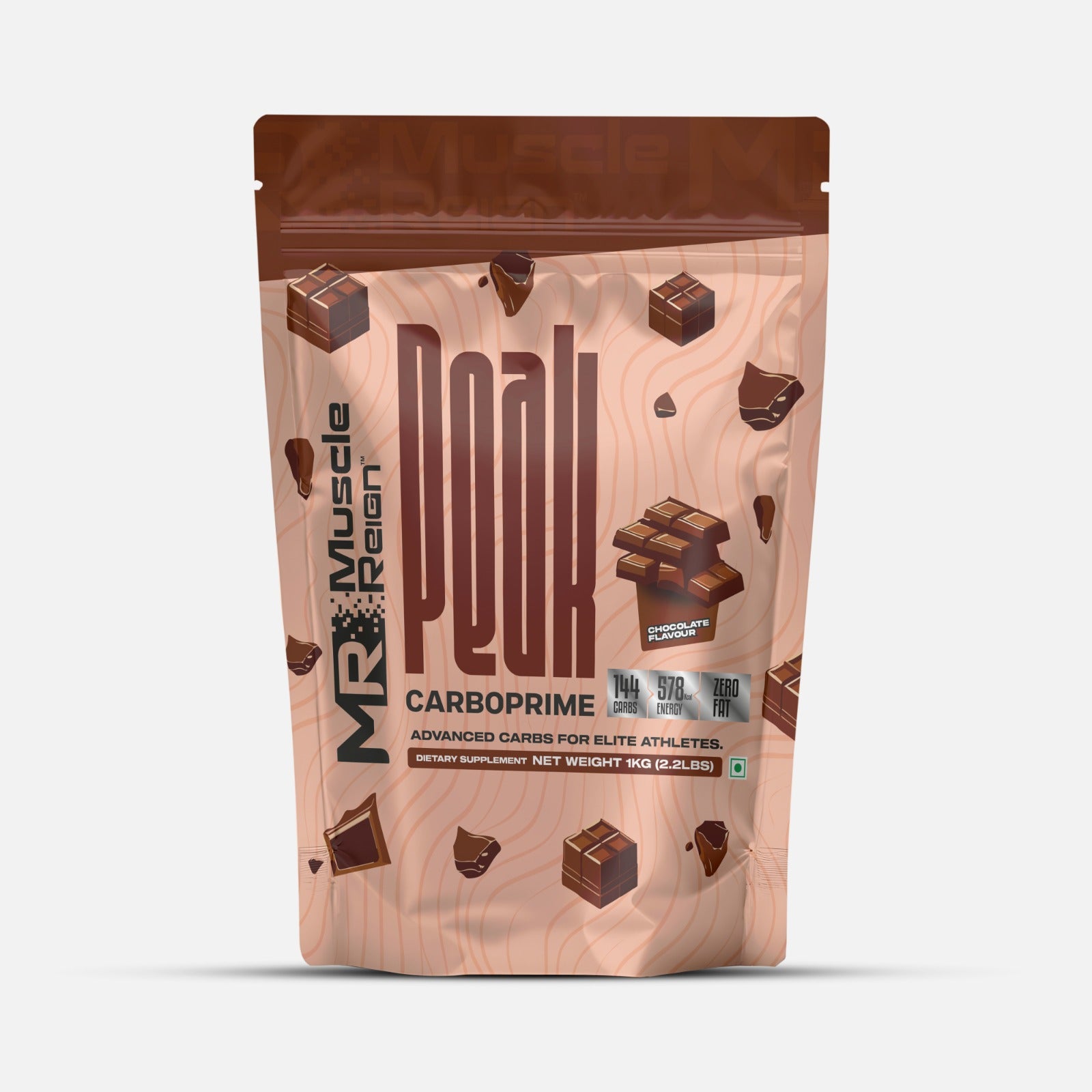
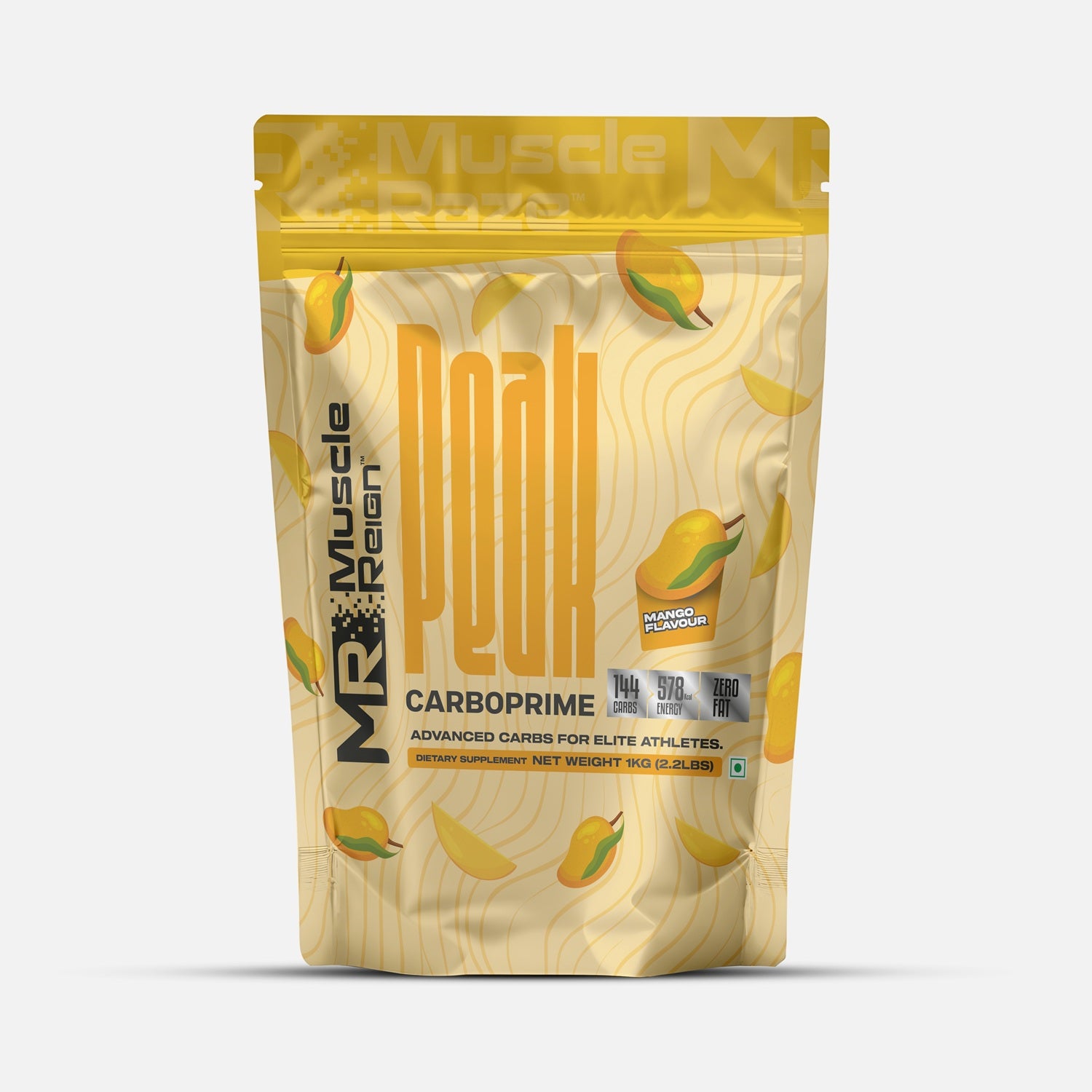
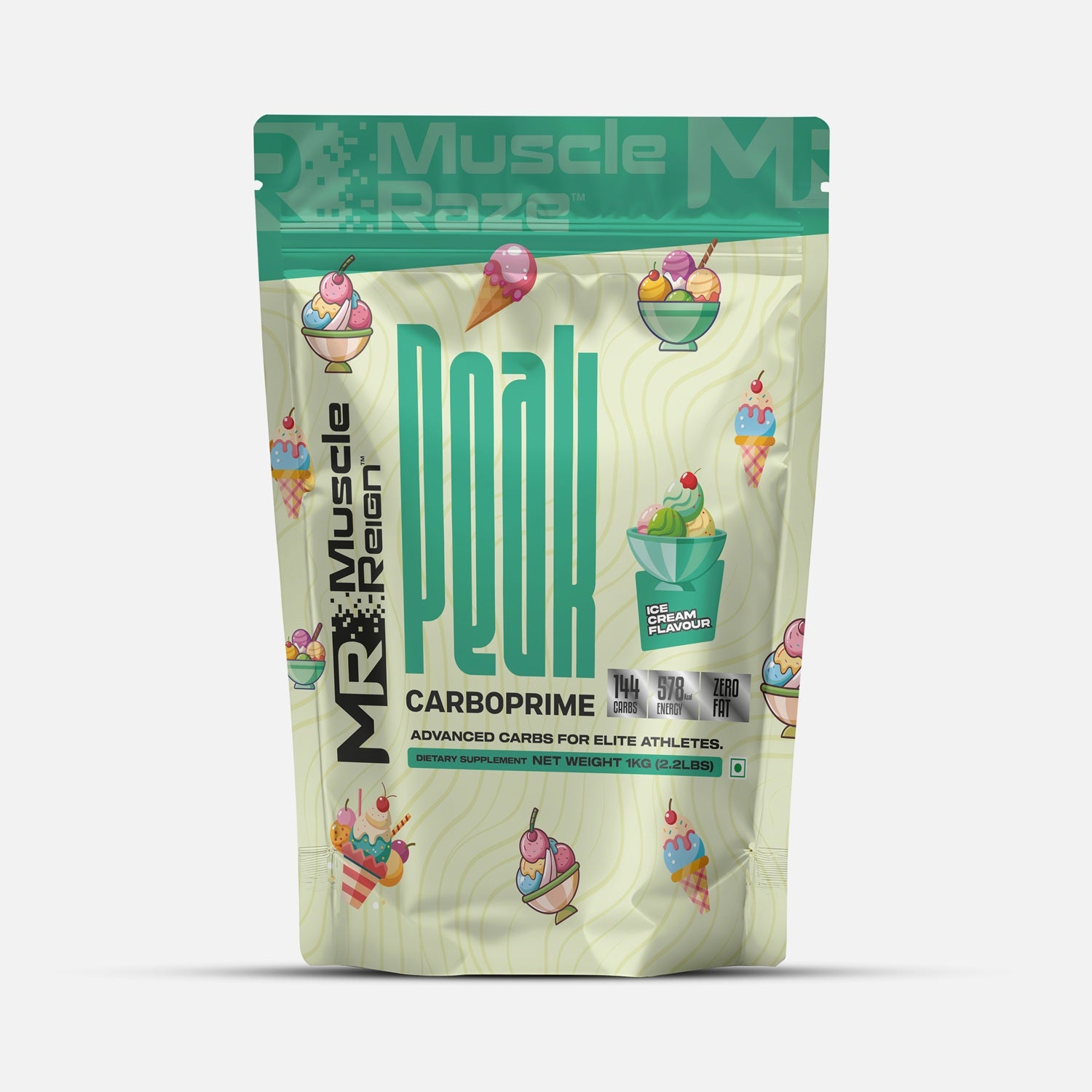
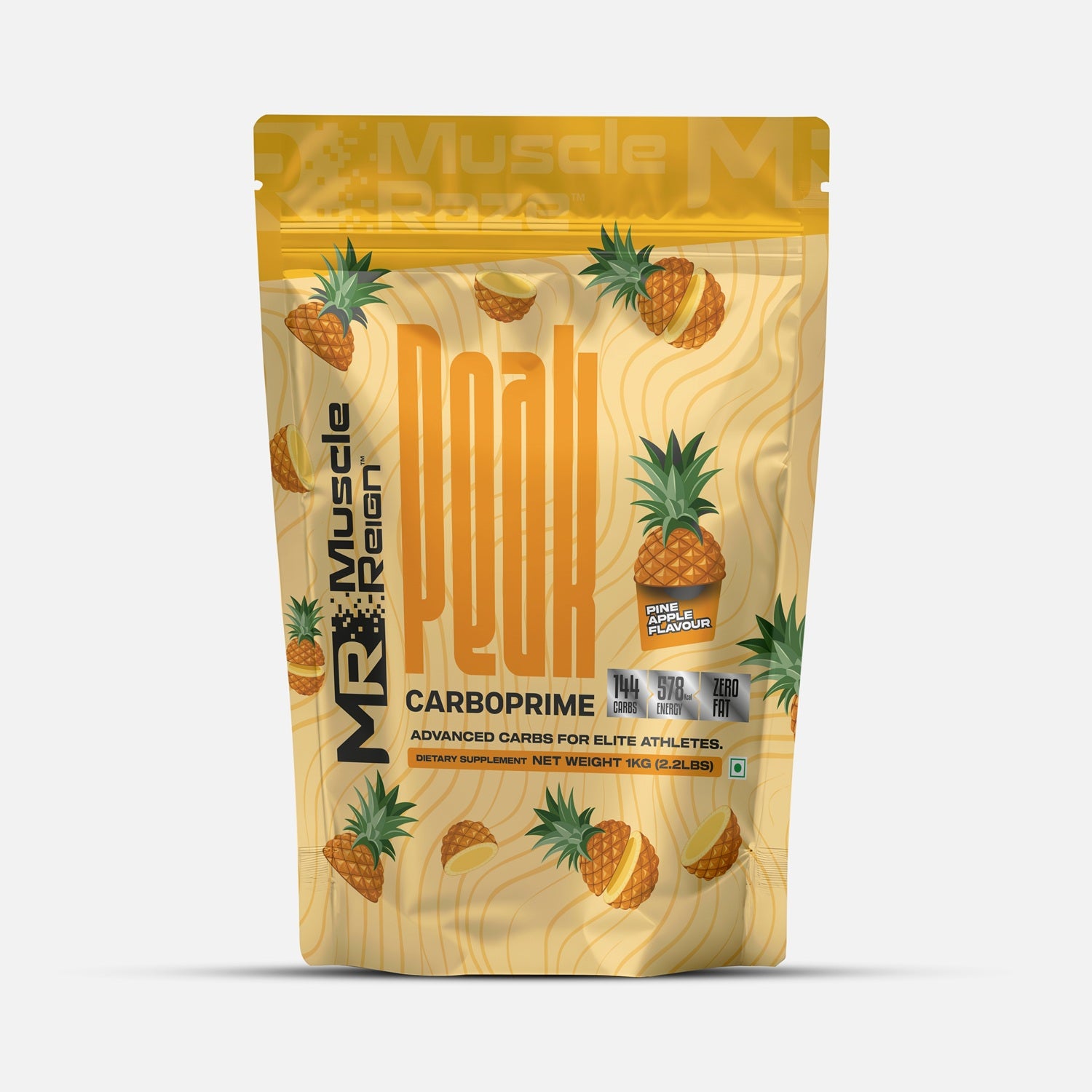
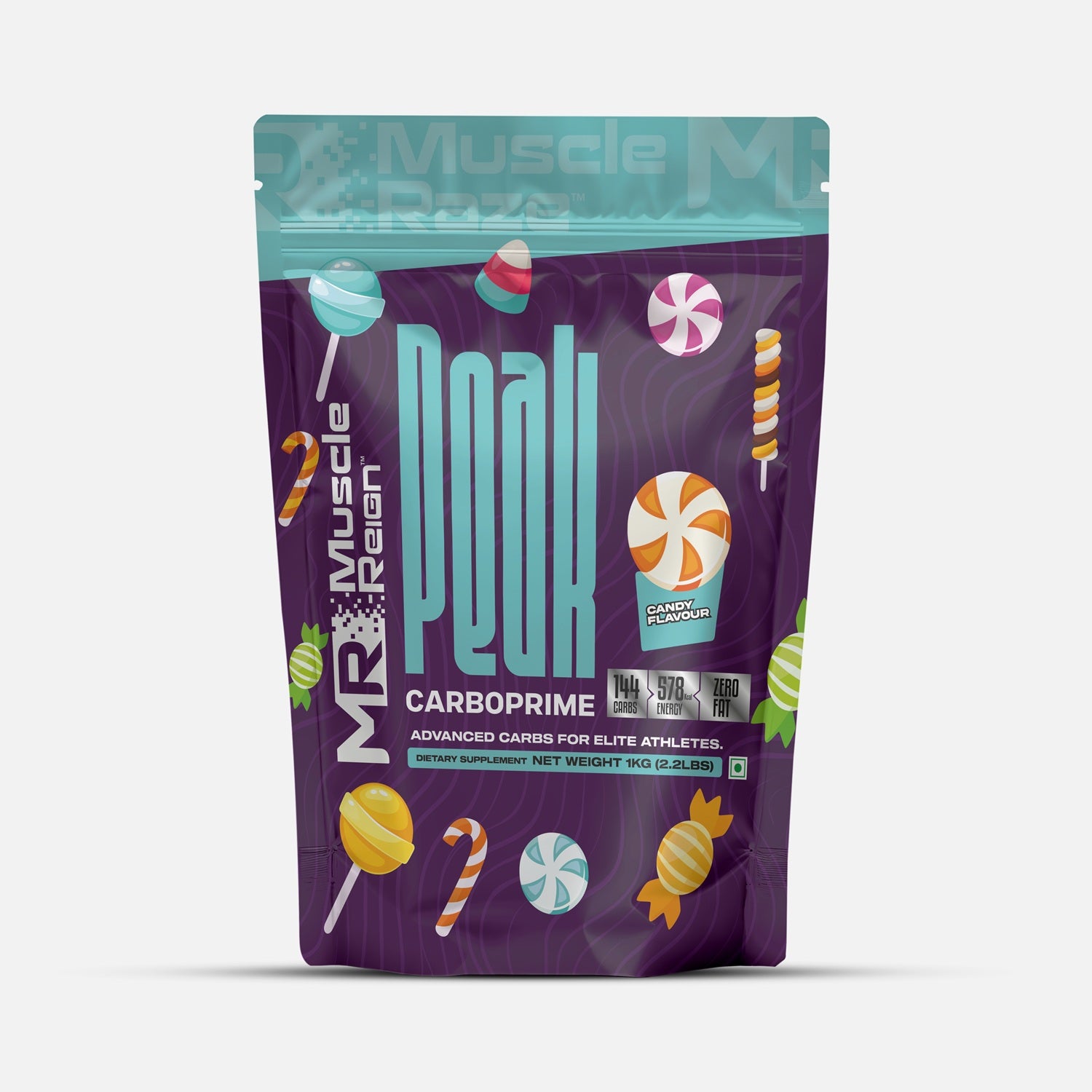
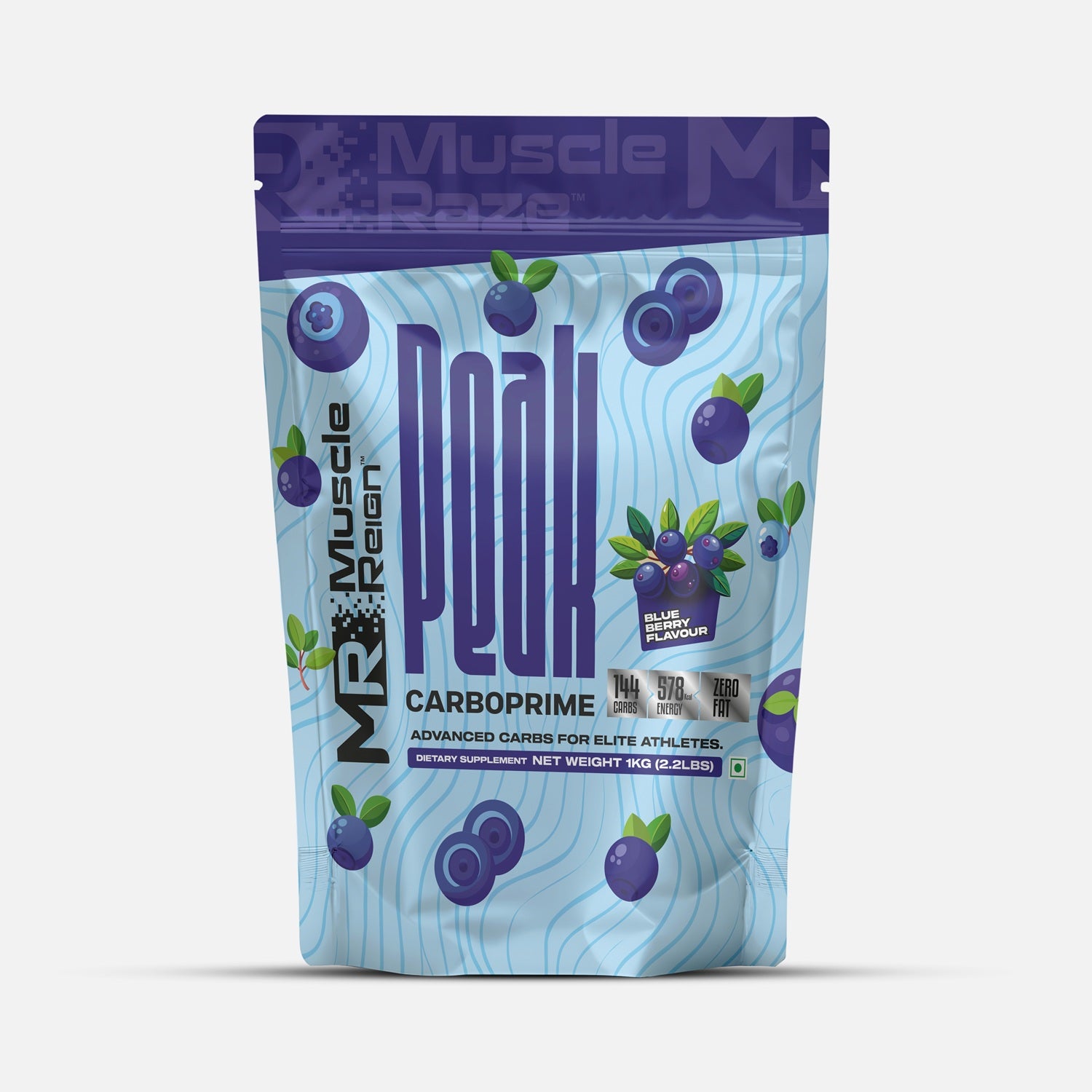
For sessions that stay under an hour at moderate effort, water plus a normal training routine covers most of what you need - no product is required to close a gap that doesn't exist yet. Where a longer or more demanding session does create a genuine gap, the products map fairly directly onto the framework above. EAA+Lyte combines a full essential amino acid profile with a sodium and potassium blend in one formula, which fits the scenario where you're training on a long gap since your last meal and also sweating meaningfully - the amino acids address the catabolism side, the electrolytes address the contraction and fluid side, in a single drink you sip continuously through the session. Peak Carboprime is built for the sessions where glycogen demand is genuinely elevated - high-volume days, longer sessions, or evening training after a light or delayed meal - delivering fast-absorbing carbohydrates without added fat that would slow absorption during the window it matters most. READY Instant Energy Formula combines carbohydrates, a full electrolyte spread, and amino acid support in one product, which suits the scenario at the bottom of the table above - long, hot, high-effort sessions where more than one gap is showing up at once, rather than needing to carry three separate products. None of these solve a problem a shorter, lighter session doesn't have. The right choice depends entirely on where your specific training day actually sits in the framework above.
Considerations and When to Be Cautious
Anyone with kidney conditions, heart conditions, or blood sugar regulation concerns should check with a physician before adjusting electrolyte or carbohydrate intake around training. Those sensitive to caffeine should note that none of the products discussed here are built around stimulation - they address fuel, hydration, and amino acid availability specifically, not energy or focus. If you experience persistent dizziness, confusion, or nausea during or after a long session, that warrants medical attention rather than a supplement adjustment.
Frequently Asked Questions
Is water really not enough for a ninety-minute workout? Water covers fluid replacement, which is only part of what a long session demands. Past the one-hour mark, electrolyte losses and, on high-volume days, glycogen depletion become relevant in ways water alone doesn't address. Should I drink electrolytes even for a shorter, less intense session? If you're sweating heavily regardless of duration or training in a hot, poorly ventilated space, electrolytes can help even in shorter sessions. Duration is the biggest factor, but sweat rate and environment matter too. Do I need carbs during training if I already ate a full meal beforehand? Less urgently. A solid meal a couple hours out covers a good portion of what a moderate session needs. Intra-workout carbs matter more when the session is long, high-volume, or when there's been a long gap since eating. Can I just mix an EAA drink and an electrolyte drink together myself? You can, though it's often simpler and more cost-effective to use a formula that already combines what you need for that specific session rather than managing two separate products and dosages. What's the actual difference between EAAs and BCAAs for a long session? EAAs contain the complete set of essential amino acids, supporting both catabolism-buffering and active muscle protein synthesis. BCAAs are a smaller subset - useful for reducing breakdown but missing the full material needed to build protein. For long or fasted sessions specifically, the fuller EAA profile does more. How much should I actually be drinking through a ninety-minute session? This varies by individual sweat rate, but sipping small, consistent amounts every so often through the session works better than trying to drink a large volume in one go, which can also cause discomfort mid-training. Does training in the evening change what I should drink compared to morning sessions? Often yes, indirectly - evening sessions are more likely to follow a longer gap since your last real meal, which shifts the priority toward amino acid and carbohydrate support rather than hydration alone. Is it bad to drink something with carbs if I'm trying to lose fat? Not inherently - the calories from intra-workout carbs during a genuinely long or demanding session support the training output that drives your results, and can be accounted for within your total daily intake rather than avoided outright. Do I need all four - water, electrolytes, aminos, and carbs - for every long session? Not necessarily every session, but the longer, hotter, and higher-volume a session gets, the more of these genuinely start overlapping rather than being optional extras. What's the simplest way to know which one I actually need on a given day? Ask three questions before you start: how long is today's session, how long since I last ate, and how much am I likely to sweat. The answers map fairly directly onto water, aminos, electrolytes, or a combination.
The Honest Answer
There's no single correct drink for every workout - there's a correct drink for the specific session you're about to do. A thirty-minute moderate session and a ninety-minute high-volume one are different physiological demands, and treating them identically means either overcomplicating something simple or under-fuelling something that genuinely needed more. Match what you're drinking to how long you're training, how hard, and how recently you last ate, and the choice mostly makes itself.
Ready to Train Through the Full Session?
Whatever your session actually calls for - hydration, aminos, carbs, or all three - explore Muscle Reign's EAA+Lyte, Peak Carboprime, and READY range at www.musclereign.com and stop guessing halfway through your workout.