The Office-to-Gym Nutrition Gap: What to Eat When You Have 30 Minutes Between Your Desk and Your First Set
You close your laptop at 6:30 PM. By 7:00 you're under the bar for your first set. In between: a commute, a change of clothes, and if you're lucky, enough time to fill your water bottle. Food doesn't make the cut.
This is the exact gap where a lot of Indian gym-goers quietly sabotage their own sessions - not because they're undisciplined, but because nobody ever explained what actually happens to a body that trains on a six-hour-old lunch and zero prep time. The office-to-gym nutrition gap isn't about eating more. It's about eating something specific, in a window that's too short for anything else.
Why 30 Minutes Feels Fine But Isn't
Your muscles run on stored carbohydrate - glycogen - during anything above light effort. If your last real meal was lunch at 1:30 PM and you're training at 7:00 PM, you're five and a half hours into a fast by the time you pick up the first dumbbell.
You don't feel starving. You just feel a little flat, a little slower to warm up, and your last few reps come apart faster than they should. That's not poor sleep or a bad training day. That's a body running on a low tank that nobody refilled.
The instinct is to skip food entirely because "there's no time" or to eat something heavy because you're genuinely hungry after a long day. Both create problems. Skipping food leaves you training on empty. A heavy meal 20 minutes before squats leaves you fighting your own stomach instead of the weight.
What the Research Actually Supports
Training on an empty stomach reduces output. A frequently cited meta-analysis in the Scandinavian Journal of Medicine and Science in Sports found that eating before exercise improved resistance training volume by roughly 7–8% compared to training fasted - not a marginal difference over a training year.
Sports nutrition guidance generally points to a specific, narrow window when time is this tight: for a snack eaten 30–60 minutes before training, aim for roughly 30–60g of fast-digesting carbohydrate with a small amount of protein (5–15g is usually enough).
Fat and fibre are the two things to actively avoid in this window - both slow digestion, and slow digestion is exactly what you don't want with 30 minutes on the clock.
This isn't about hitting a precise number. It's about giving your muscles usable glucose before they're asked to work, without giving your stomach something to fight during your first working set.
The 30-Minute Rule: Fast, Small, Simple
If you're eating within half an hour of training, the food has to do three things: digest quickly, deliver usable energy fast, and not sit in your stomach through your warm-up sets.
What Works
- A banana, plain or with a spoon of honey
- A small protein shake (water-based, not milk - milk slows things down)
- Roasted chana or a small handful of dried fruit
- Rice cakes or plain toast with a thin scrape of jam
- A glass of buttermilk or diluted fruit juice
What Doesn't
- A full meal - dal, rice, sabzi, all the fibre and fat that comes with a real Indian dinner
- Fried snacks from the office canteen
- Anything heavy in dairy fat (a full-fat milk shake, paneer, curd in quantity)
- Large amounts of raw vegetables or salad right before training
The common thread in what works: simple carbohydrate, minimal fat, minimal fibre, small portion. You're not trying to feed your whole evening. You're trying to top up the tank enough to get through the session without your body pulling energy from somewhere it shouldn't.
What to Do If You Genuinely Have Zero Minutes
Some days the gap isn't 30 minutes - it's the time it takes to change your shoes. For that scenario, liquid beats solid every time.
A small protein shake mixed in water takes less time to prepare and less time to digest than almost anything solid, and it can be consumed on the commute itself - in an auto, on the metro, walking from the parking lot.
This is also where a fast-digesting carbohydrate mix earns a real place, not as an add-on but as the actual solution to a real time constraint. Something you can mix in a shaker and drink on the move solves the exact problem a banana solves, just faster and with zero chewing required.
If You're Training Fasted On Purpose
Some people deliberately train before eating anything since their last meal - usually early morning lifters, but occasionally evening trainees who simply couldn't fit in food.
If that's you by choice rather than circumstance, know that fasted training tends to reduce output for resistance work specifically, more than it does for light cardio.
If you notice your strength numbers are consistently lower on days you train completely empty versus days you get even a small carb source in beforehand, that's your own data telling you something useful - not a discipline problem to push through.
Common Mistakes in This Window
- Eating a full meal too close to training - you'll spend your first three exercises managing stomach discomfort instead of lifting.
- Skipping food entirely and blaming a "bad session" on sleep or stress - when the actual cause was five-plus hours without carbohydrate.
- Loading up on fibre-heavy snacks (raw fruit with skin, salad, whole nuts in large quantity) that take too long to digest for a 30-minute window.
- Drinking only water and calling it hydration - hydration matters, but it doesn't solve a glycogen problem.
- Treating this as a daily crisis rather than a solvable, repeatable routine you set up once.
How Muscle Reign Fits This Specific Gap
This is a narrow, real problem - not eating enough, at the exact time it's hardest to eat anything.
Muscle Reign's Peak Whey Concentrate, mixed with water rather than milk, gives you a fast-digesting protein source you can prepare in under a minute and drink on the way to the gym.
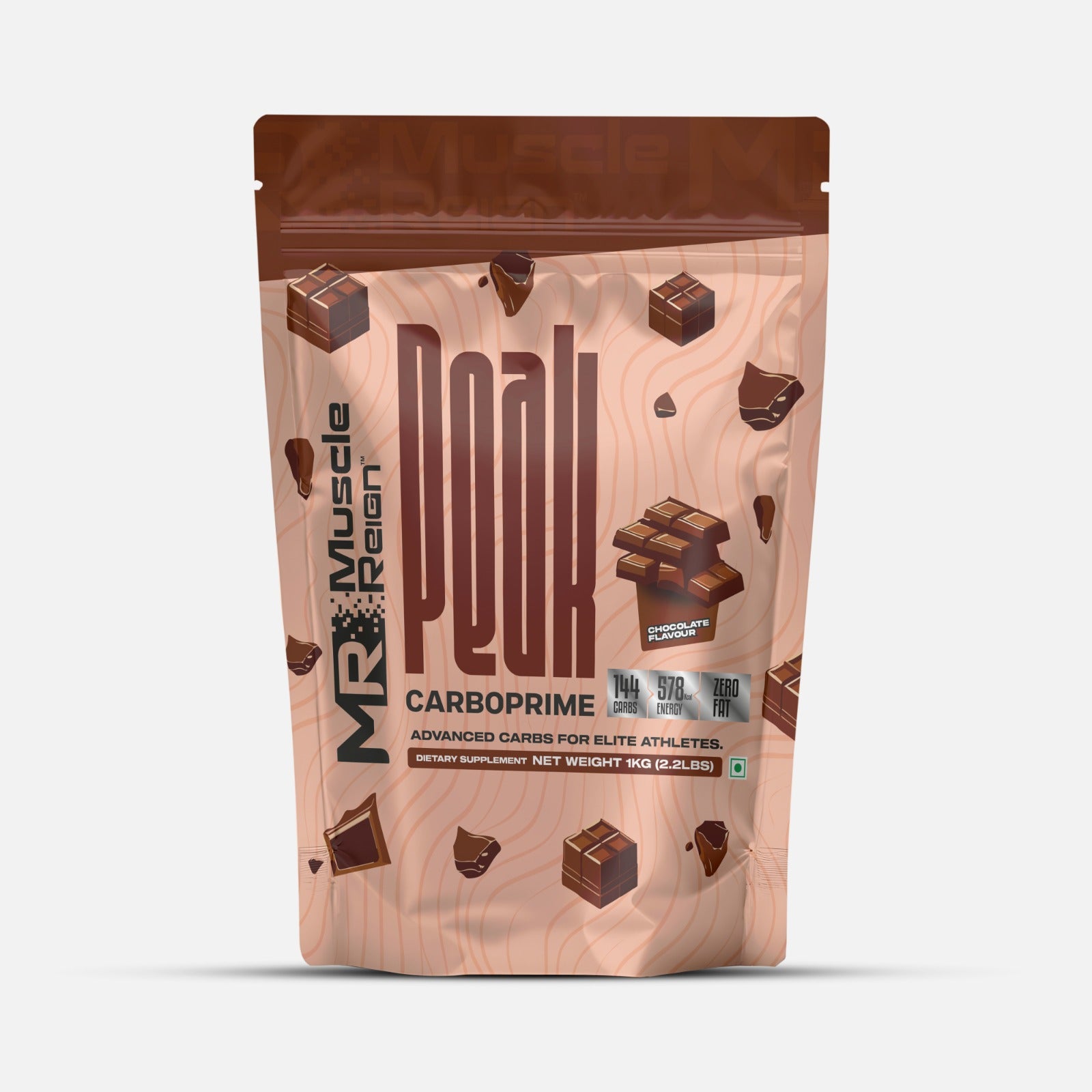
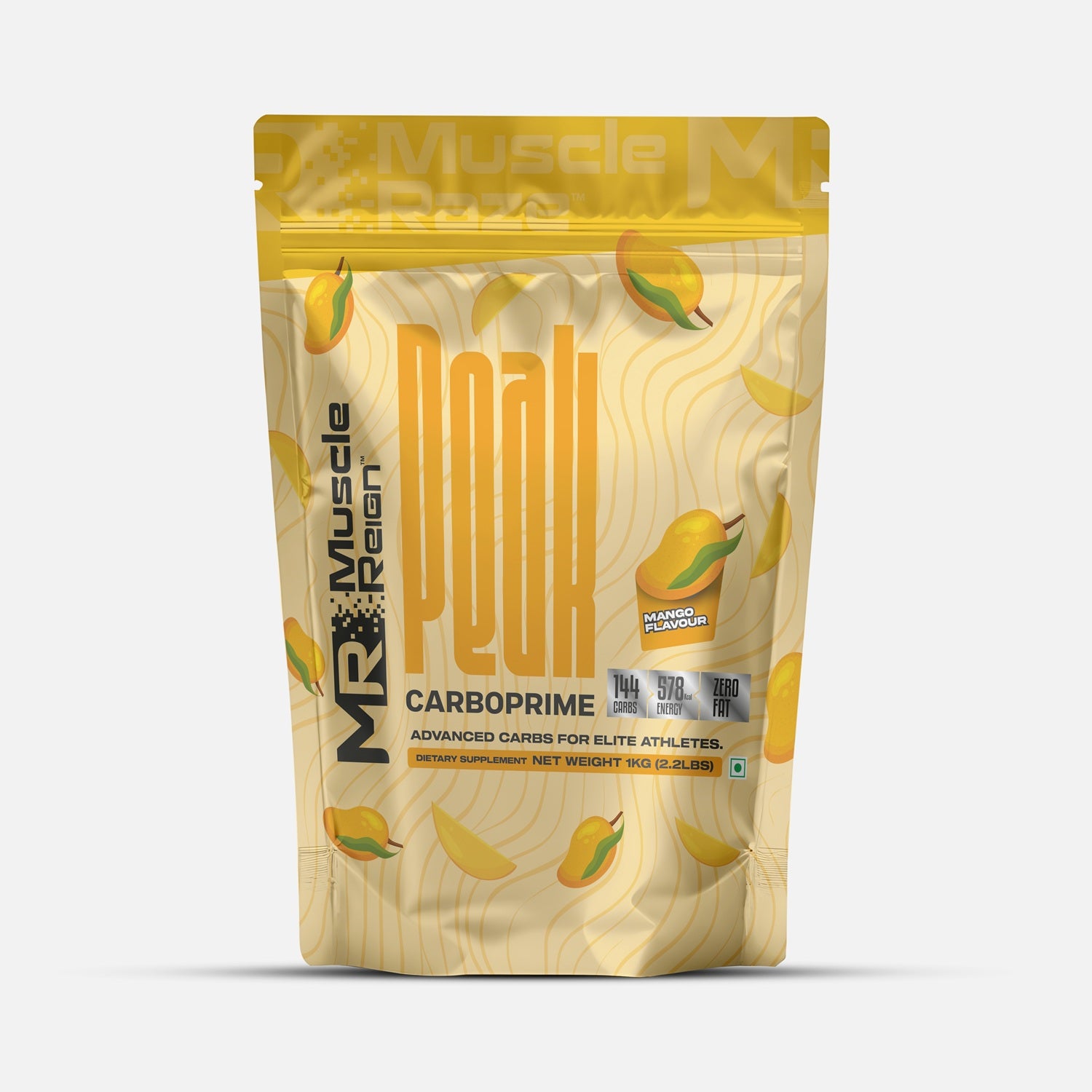
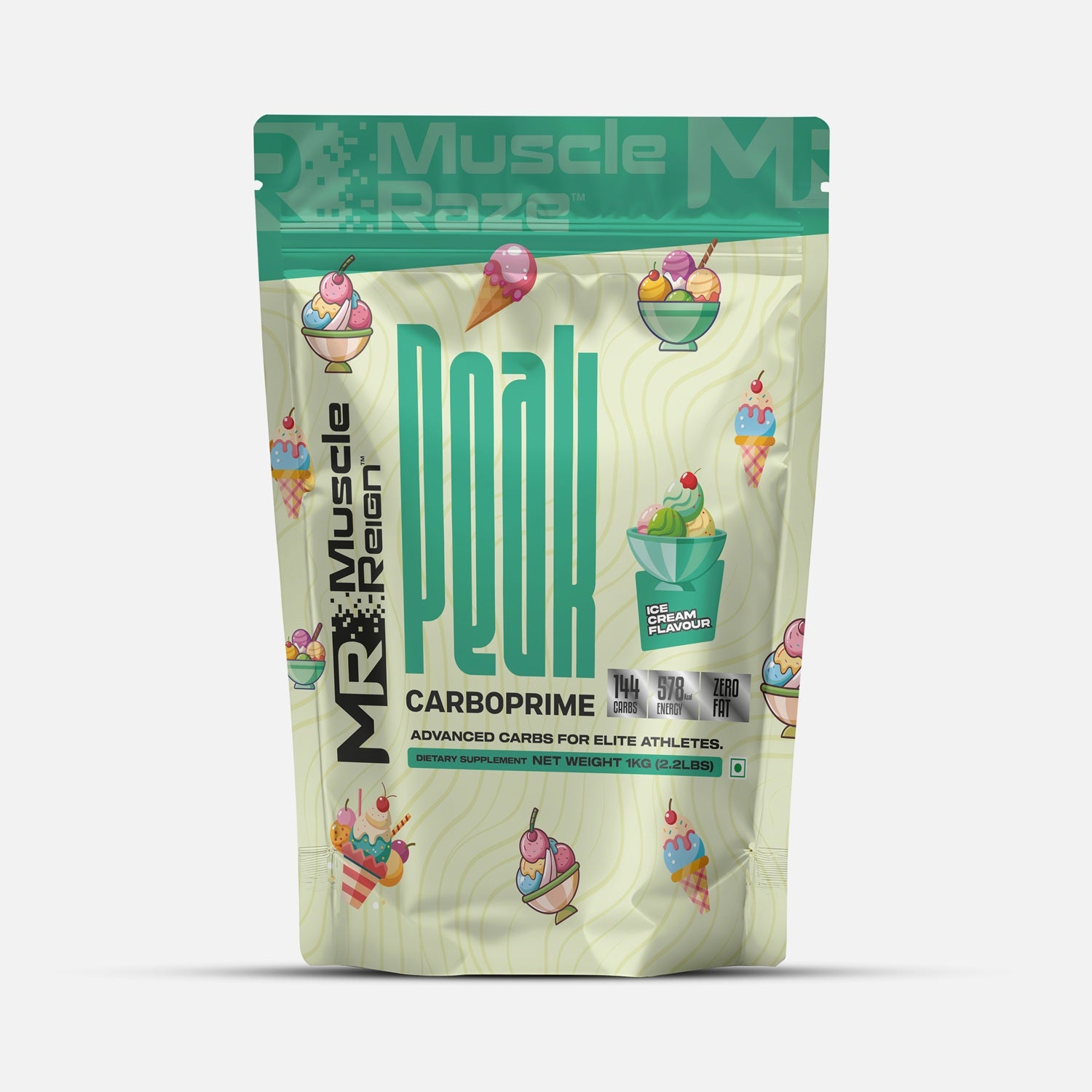
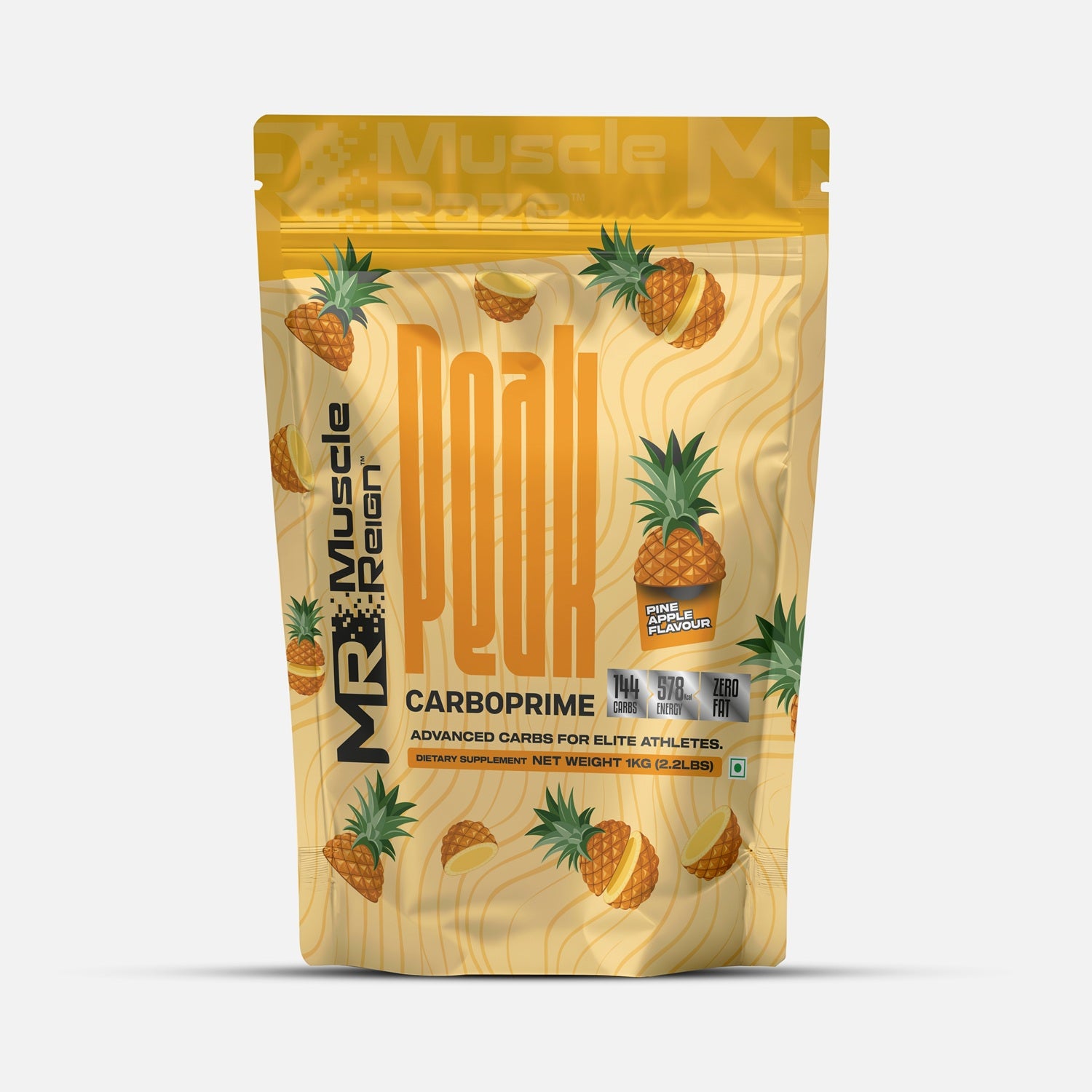
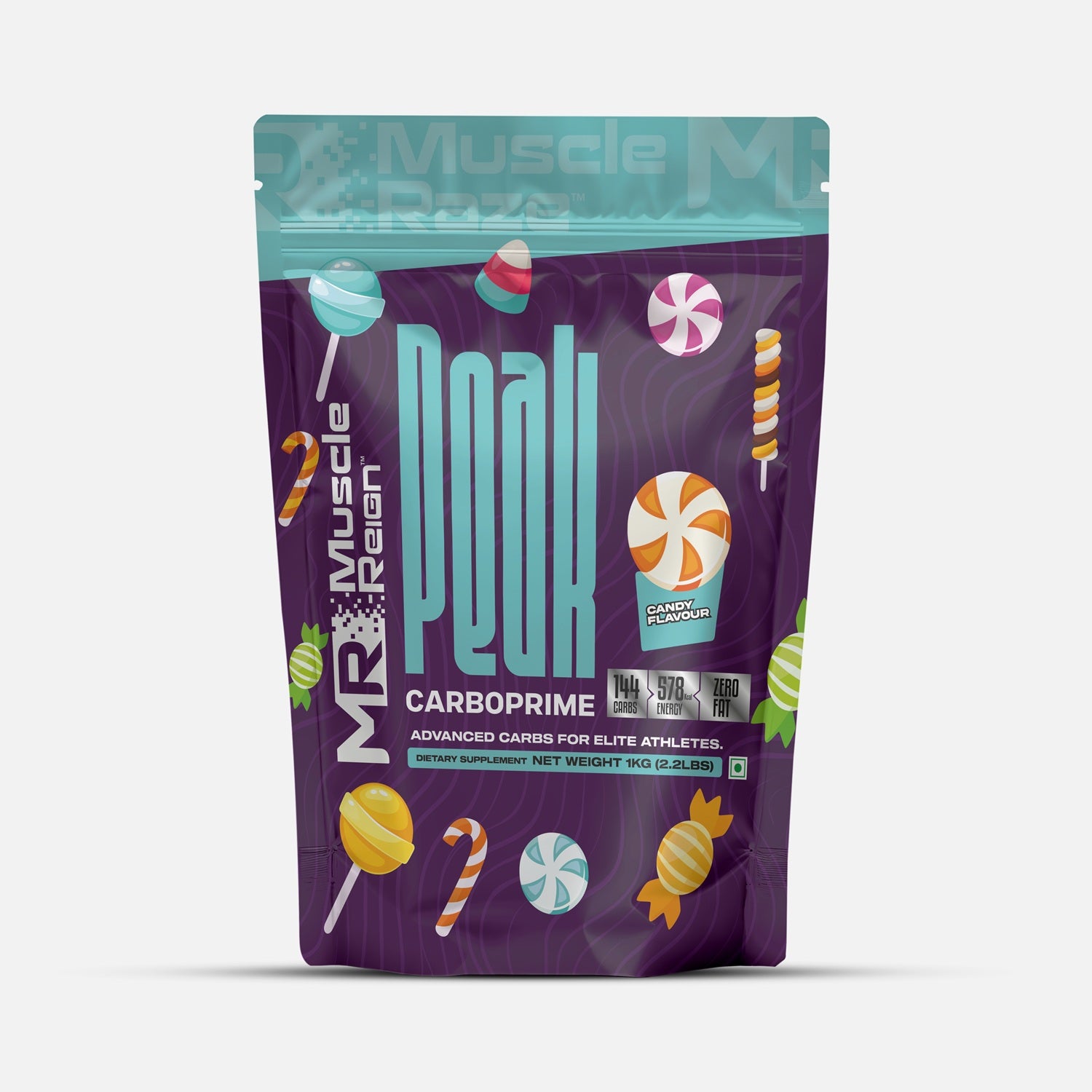
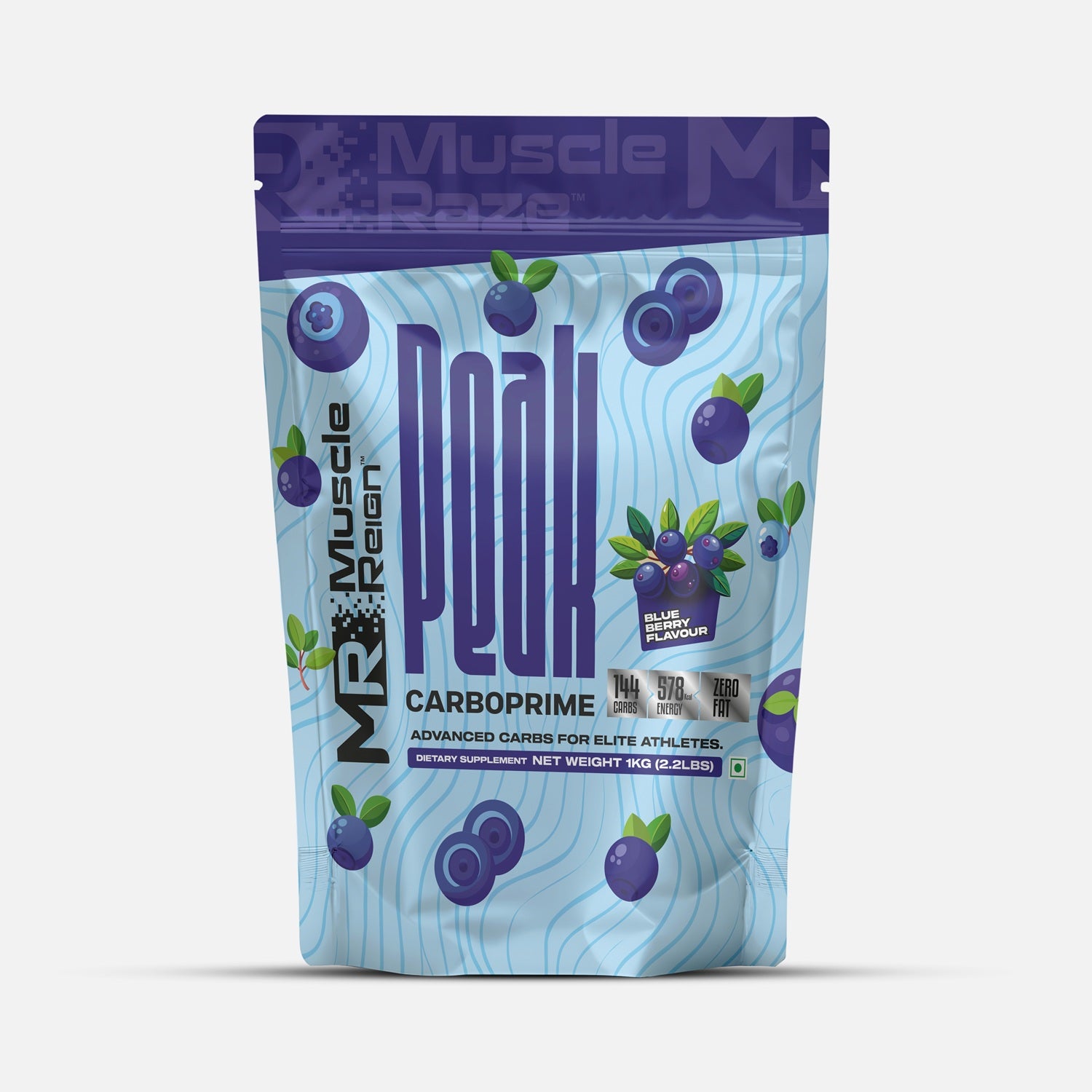
For the carbohydrate side of the equation specifically, Carboprime is built for exactly this window - a fast-absorbing carbohydrate mix designed to top up blood glucose before training starts, without the fat or fibre that slows a heavier meal down.
Neither replaces a proper dinner later. Both exist specifically for the 20–30 minutes where a proper meal isn't physically possible.
Considerations and When to See a Professional
Those with diabetes or other blood sugar regulation conditions should speak with a physician about pre-training carbohydrate timing specifically, since fast-digesting carbs in a compressed window affect blood glucose differently for that population.
Anyone experiencing genuine dizziness, shakiness, or nausea during training - not just reduced performance - should treat that as a signal to eat more, not less, before the next session, and consider speaking with a doctor if it happens repeatedly.
Frequently Asked Questions
Is it bad to train on an empty stomach if I only have 30 minutes after work?
Not dangerous, but it does tend to reduce training output, particularly for resistance work. A small, fast-digesting snack in that window generally outperforms training completely fasted.
What's the single best snack if I have zero time between office and gym?
A water-based protein shake or a banana, consumed during the commute itself, solves the time problem better than any solid food that requires sitting down to eat.
Can I just eat my full dinner before the gym instead of after?
Not recommended this close to training. A full meal with dal, rice, and sabzi takes longer to digest and is more likely to cause discomfort during your working sets than a small, targeted snack.
How much should I actually eat in this window?
Roughly 30–60g of carbohydrate with a small amount of protein (5–15g) is a reasonable target for a 30–60 minute pre-training window - a banana and a small shake gets you close to this without much thought.
Does milk work as well as water for a pre-workout shake in this scenario?
Water is generally the better choice here specifically because milk contains fat that slows digestion - exactly what you don't want with limited time before training.
Will this snack ruin my dinner or add unnecessary calories to my day?
A small pre-workout snack in the 100–200 calorie range is unlikely to meaningfully disrupt your daily intake, and for most people actively improves the quality of the training session that follows.
What if my gym is air-conditioned and cool - does the same advice apply?
Yes. The nutrition gap described here is about glycogen and blood glucose timing, not heat or hydration, so it applies regardless of gym temperature.
Is this different advice from what I should do before a morning workout?
The core principle - fast carbs, minimal fat and fibre, small portion - is the same. The difference is usually severity: an overnight fast before a morning session is often longer than the gap between lunch and an evening session, so morning trainees may need this even more consistently.
The Honest Answer
This isn't a complicated nutrition problem - it's a logistics problem that most people never actually solve. They just tolerate a slightly worse workout five days a week and blame it on something else.
Thirty minutes is enough time to eat something that works, if what you eat is small, fast, and simple. Solve it once, keep it in your gym bag, and stop training on empty by accident.
Ready to Close the Gap Between Your Desk and Your First Set?
A better session starts before you even walk into the gym. Explore Muscle Reign's Whey Protein and Carboprime range at www.musclereign.com and keep something ready for the days your schedule leaves you 30 minutes and nothing else.