Which Supplement Should You Start With? A No-Confusion Beginner's Guide
Walk into any supplement store in Delhi or scroll through Amazon for "gym supplements," and you'll hit decision paralysis fast - whey protein, creatine, BCAA, mass gainer, multivitamin, pre-workout, omega-3, all claiming to be essential. If you're a beginner wondering which supplement should you start with, the honest answer is: you don't need most of them yet, and the ones that matter follow a clear priority order.
This guide cuts through the marketing noise and gives you a science-backed sequence for your first supplement purchase - so your money goes toward what actually moves the needle, not what has the loudest label.
What Determines Supplement Priority?
Supplement priority isn't about hype or price point - it's about evidence strength and impact on your specific gap. Some supplements (like protein) address a nutritional gap most Indian diets genuinely have. Others (like BCAA) offer minimal benefit if your total protein intake is already adequate. Understanding this hierarchy prevents wasted spending on your first purchase.
Why It Matters: The Science of Supplement Hierarchy
Research consistently shows that whole food nutrition and training consistency matter more than any supplement. Supplements exist to fill specific gaps - not replace fundamentals. Among the popular options, only a handful have strong, consistent research support: protein powder, creatine monohydrate, and in some cases, a basic multivitamin or omega-3 for micronutrient gaps.
This means your first supplement decision should be based on which gap you're actually facing, not which product has the most aggressive gym-bro marketing.
The Supplement Priority Order (Beginner Framework)
1. Whey Protein - Start Here
If you're not consistently hitting 1.6-2.2g of protein per kg bodyweight through food alone, whey protein is almost always the correct first purchase. Most Indian diets built around dal-chawal and roti-sabzi fall short of active training protein needs.
2. Creatine Monohydrate - Second Priority
One of the most researched supplements available, creatine supports strength and training output. It's inexpensive, safe for long-term use, and benefits beginners and advanced lifters alike.
3. Multivitamin or Omega-3 - Situational Priority
Useful if your diet lacks variety in fruits, vegetables, or fatty fish. Not essential for everyone, but a reasonable third addition if budget allows.
4. Everything Else - Optional, Not Essential
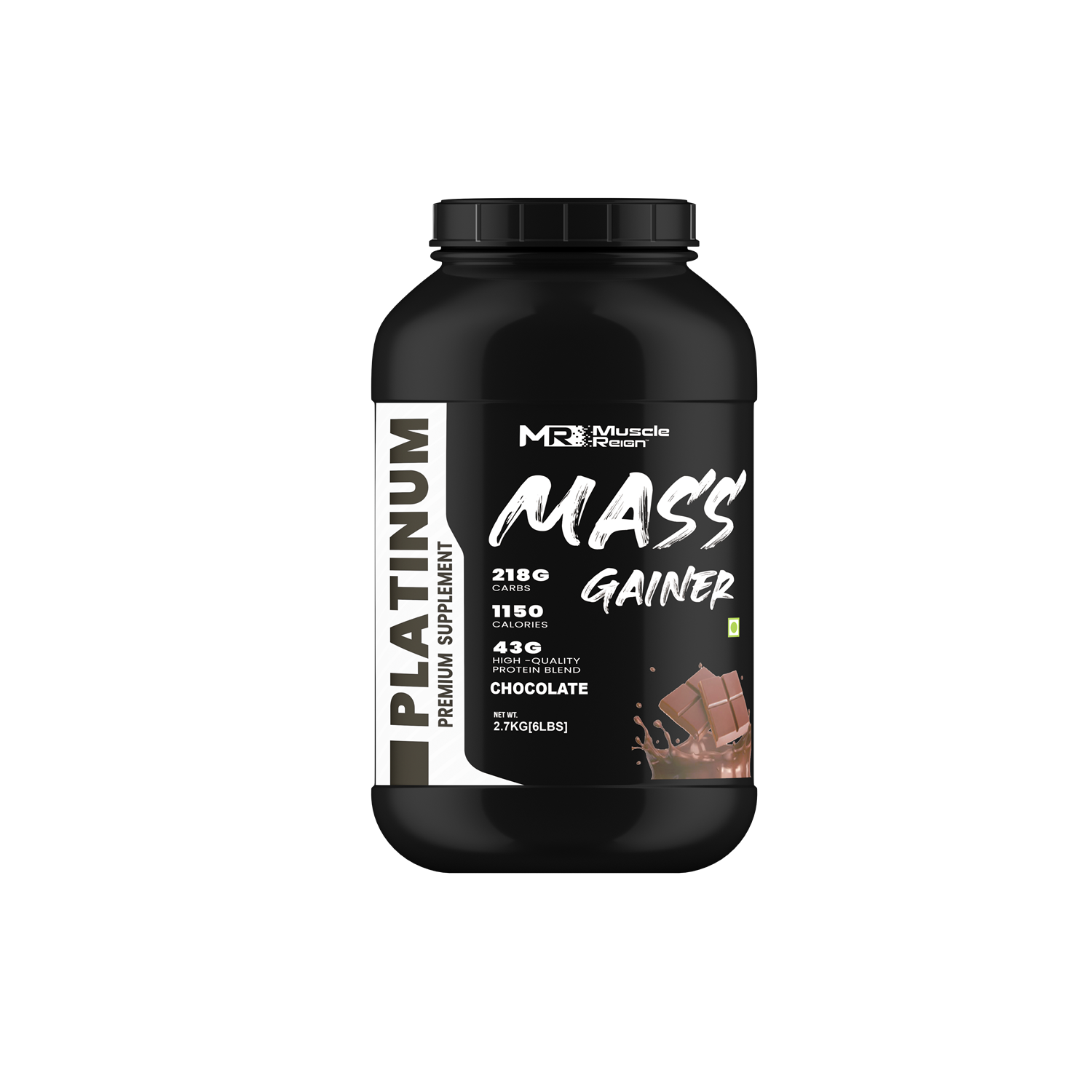
Pre-workout, BCAA, mass gainer, and specialty products serve specific situations (poor energy, aggressive bulking, taste preference) but aren't necessary for a beginner still building training consistency.
Common Myths About Starting Supplements
| Myth | Reality |
|---|---|
| You need a full supplement stack from day one | Beginners see the fastest results from consistent training and adequate protein - most other supplements are optional additions later. |
| BCAA is essential for muscle building | If total daily protein intake is adequate, BCAA offers minimal additional benefit. Whey protein already contains these amino acids. |
| Pre-workout is necessary to train hard | Pre-workout may enhance performance for some people, but it isn't necessary for beginners. |
| Mass gainer is required to build muscle | Mass gainer is simply a convenient calorie source. A calorie surplus from whole foods works just as well. |
| More supplements always mean faster results | Without consistent training and diet, extra supplements provide very limited benefit. |
Who Should Start With What?
Complete Beginners With Low Protein Intake
Start with whey protein - the single highest-impact supplement for closing the most common nutritional gap.
Beginners Focused on Strength
Start with whey protein first, then add creatine. Together they support recovery and strength progression.
Beginners on a Budget
Whey protein alone is enough to start. Add creatine later when your budget allows.
Beginners With Limited Diet Variety
If fruits, vegetables, or healthy fats are missing from your diet, consider adding a multivitamin or omega-3 after whey protein.
How to Introduce Supplements Correctly
Start With One Supplement
Add whey protein first and see how it fits your routine before buying anything else.
Use It to Fill Nutritional Gaps
Drink whey protein when you cannot reach your daily protein goal through food - after workouts, at breakfast, or between meals.
Review After 4-6 Weeks
Once training and nutrition become consistent, decide whether creatine or other supplements are actually needed.
Common Mistakes
- Buying a complete supplement stack before building training habits.
- Following influencer recommendations instead of personal nutritional needs.
- Assuming expensive supplements work better.
- Skipping whey protein for trendy products with weaker scientific evidence.
Supplement Comparison
| Supplement | Evidence | Best For | Priority |
|---|---|---|---|
| Whey Protein | Strong | Daily protein intake | 1st |
| Creatine Monohydrate | Strong | Strength & power | 2nd |
| Multivitamin | Moderate | Micronutrient support | Situational |
| Omega-3 | Moderate | Recovery & general health | Situational |
| BCAA/EAA | Low | Fasted training | Optional |
| Mass Gainer | Situational | Calorie surplus | Optional |
| Pre-Workout | Situational | Energy & focus | Optional |
How Muscle Reign Supports Your Goals
For beginners starting supplementation, Muscle Reign Peak Series Whey Concentrate helps bridge the protein gap common in many Indian diets. Once training becomes consistent, Creatine Monohydrate is the logical next step for improving strength and workout performance.
If your daily diet lacks essential vitamins or healthy fats, Nitra Series Multivitamin or Omega-3 can provide additional nutritional support. The goal isn't to build a huge supplement stack on day one - it's to spend your money where it creates the biggest results.
Common Beginner Mistakes
- Buying every popular supplement at once.
- Choosing products based on marketing rather than evidence. Expecting supplements to replace training and nutrition.
- Ignoring ingredient labels and protein content.
Possible Considerations
If you have kidney disease or another medical condition, consult your doctor before using high-protein supplements or creatine. People with lactose intolerance may prefer whey isolate instead of whey concentrate. Supplements should support a healthy diet—not replace it.
Frequently Asked Questions
What's the best first supplement for beginners?
Whey protein is usually the best starting point because it helps most people meet their daily protein requirement.
Should I buy whey protein or creatine first?
Start with whey protein. Add creatine after your protein intake and workout routine become consistent.
Do beginners need a multivitamin?
Only if their diet lacks fruits, vegetables, and other nutrient-rich foods.
Is BCAA necessary?
No. If you're already consuming enough protein, BCAA supplements provide very little additional benefit.
Can I build muscle without supplements?
Yes. A balanced diet and adequate protein from food can be enough. Supplements simply make it easier to meet nutritional targets.
Is mass gainer required?
No. It's only useful if you struggle to eat enough calories from regular food.
How much should beginners spend?
Start with a quality whey protein. Creatine is inexpensive and can be added later.
Do I need pre-workout?
No. Most beginners can achieve excellent results without it.
How long should I use whey before adding creatine?
Give yourself 4-6 weeks of consistent training and nutrition before adding another supplement.
Can beginners take creatine safely?
Yes. Creatine monohydrate is one of the safest and most researched sports supplements available.
Which supplements should beginners avoid?
Fat burners, advanced stacks, and heavily marketed specialty products are unnecessary in the beginning.
Can I use only whey protein and creatine long-term?
Yes. Many experienced lifters successfully use only these two supplements for years.
The Honest Answer
You don't need a shelf full of supplements to make progress. Identify your biggest nutritional gap and fix it first. For most beginners, that's protein. Creatine comes next. Everything else is optional and should only be added after the basics are covered.
Ready to Start?
Keep it simple. Build your supplement routine with science-backed essentials and focus on consistent training, nutrition, and recovery for the best long-term results.