Who Should Take a Mass Gainer? A Clear, Honest Answer
Search "mass gainer" online and you'll find it marketed to almost everyone trying to build muscle - which is exactly the problem. Mass gainer isn't a universal muscle-building product; it solves one very specific issue: not eating enough calories to support weight gain. If that's not actually your problem, a mass gainer won't help you build muscle faster - it might just add unnecessary calories to a diet that's already sufficient. Who should take a mass gainer has a much narrower, more honest answer than most supplement marketing suggests.
This guide breaks down exactly who genuinely benefits from mass gainer, who's better off without it, and how to tell which category you actually fall into.
What Is a Mass Gainer, and What Problem Does It Solve?
A mass gainer is a supplement combining protein with a significant amount of carbohydrates (and sometimes fats), designed to deliver a large number of calories in a convenient, easy-to-consume format. Its core purpose is helping people achieve a calorie surplus - the extra energy intake needed to support weight and muscle gain - when whole food alone isn't getting them there.
It's not a muscle-building shortcut or a replacement for training and protein intake. It's specifically a tool for closing a calorie gap.
Why It Matters: The Science of Who Actually Needs Extra Calories
Muscle growth requires a calorie surplus - typically 250-500 calories above your maintenance level - alongside adequate protein intake and consistent resistance training. Research confirms this surplus doesn't need to come from a supplement; whole food achieves the identical physiological effect. Mass gainer exists purely for convenience, becoming genuinely valuable only when whole-food intake consistently falls short of that surplus target despite real effort.
This means the real question isn't "do I want to build muscle" - everyone training does. It's "am I actually failing to eat enough calories to support that goal."
Who Should Genuinely Take a Mass Gainer
1. True Hardgainers With Fast Metabolisms
Individuals who struggle to gain weight even when deliberately increasing food intake, often due to a naturally higher metabolic rate.
2. Those With Very High Calorie Needs
Extremely active individuals, high-volume trainees, or those with demanding physical jobs whose calorie requirements (3500+ kcal daily) are difficult to meet through whole foods alone.
3. Underweight Individuals Struggling to Eat Enough
Those clinically or visibly underweight who find it physically difficult to consume large meal volumes consistently.
4. Small-Appetite Individuals
People who feel full quickly or have limited appetite, making it hard to eat the volume of food needed for a surplus without a calorie-dense liquid option.
5. Time-Constrained People With High Calorie Targets
Those who don't have time to prepare and eat 5-6 substantial meals daily to hit an aggressive calorie surplus.
Who Should NOT Take a Mass Gainer
1. Those Already Eating Enough to Gain Weight
If whole-food intake already supports a calorie surplus, mass gainer simply adds unnecessary calories, risking excess fat gain.
2. Those Trying to Lose Fat or Maintain Weight
Mass gainer's calorie density directly conflicts with fat loss or maintenance goals; whey protein is the more appropriate choice here.
3. Those With Average or Above-Average Body Fat
Individuals who aren't genuinely struggling to gain weight rarely need the additional calorie load a mass gainer provides.
4. Beginners Who Haven't Tried Increasing Whole Food First
Many assume they need mass gainer without first testing whether simply eating more whole food consistently solves the issue.
5. Those Sensitive to Digestive Discomfort From High-Carb Loads
Some individuals experience bloating or digestive discomfort from the large carbohydrate volume in mass gainer servings.
Common Myths About Mass Gainer Suitability
Myth
Reality
Everyone trying to build muscle should use a mass gainer
Only those genuinely struggling to eat enough calories through food benefit; most people can hit a surplus through diet plus whey protein
If you're not gaining weight, you automatically need a mass gainer
Often the real issue is inconsistent eating habits, not a genuine inability to eat enough; whole food should be tested first
Mass gainer is necessary for "serious" bulking
Many successful bulking phases are achieved entirely through whole food and a modest whey protein addition, without mass gainer
Skinny people always need mass gainer
Being naturally lean doesn't automatically mean you're in a calorie deficit; some lean individuals already eat enough to support gradual muscle gain
Mass gainer works even without consistent training
Mass gainer provides calories, but muscle growth still depends on consistent resistance training and progressive overload
How to Determine If You Actually Need a Mass Gainer
Step 1: Track Your Current Calorie Intake
Log your typical daily food intake for 5-7 days using a tracking app to get an honest baseline.
Step 2: Calculate Your Calorie Surplus Target
Determine your maintenance calories and add 250-500 calories for a standard lean bulk target.
Step 3: Compare Intake to Target
If you're consistently falling short of your surplus target despite genuine effort to eat more, mass gainer may help close that gap.
Step 4: Try Whole Food First
Before adding mass gainer, attempt to close the gap through additional whole-food meals or snacks for 2-3 weeks.
Step 5: Reassess
If whole food alone isn't sustainable or sufficient after honest effort, mass gainer becomes a reasonable, convenient addition.
Common Mistakes
Assuming you need mass gainer without ever tracking actual calorie intake
Skipping the whole-food-first approach and defaulting straight to supplements
Not adjusting mass gainer serving size to individual calorie needs
Continuing mass gainer use after weight gain goals have been achieved, without reassessing ongoing need
Mass Gainer Suitability Checklist
Question
If "Yes"
If "No"
Do I struggle to gain weight despite trying to eat more?
Mass gainer may help
Likely don't need it
Have I tracked my calorie intake and confirmed a deficit?
Proceed to consider mass gainer
Track first before deciding
Do I have a naturally fast metabolism or small appetite?
Mass gainer is a reasonable fit
Whole food or whey protein likely sufficient
Am I trying to lose fat or maintain weight?
Mass gainer is not appropriate
N/A
Do I have time to eat 5-6 substantial whole-food meals daily?
May not need mass gainer
Mass gainer adds convenience
Mass Gainer vs Simply Eating More Whole Food
Factor
Mass Gainer
Additional Whole Food
Convenience
High
Lower (requires meal prep/time)
Cost
Moderate-high per serving
Often lower, depending on food choices
Micronutrient content
Limited, fortified
Higher, more diverse
Best for
Genuine hardgainers, high calorie needs
Most people who can adjust meal volume
Digestive tolerance
Can cause discomfort in some
Generally better tolerated
How Muscle Reign Supports Your Goals
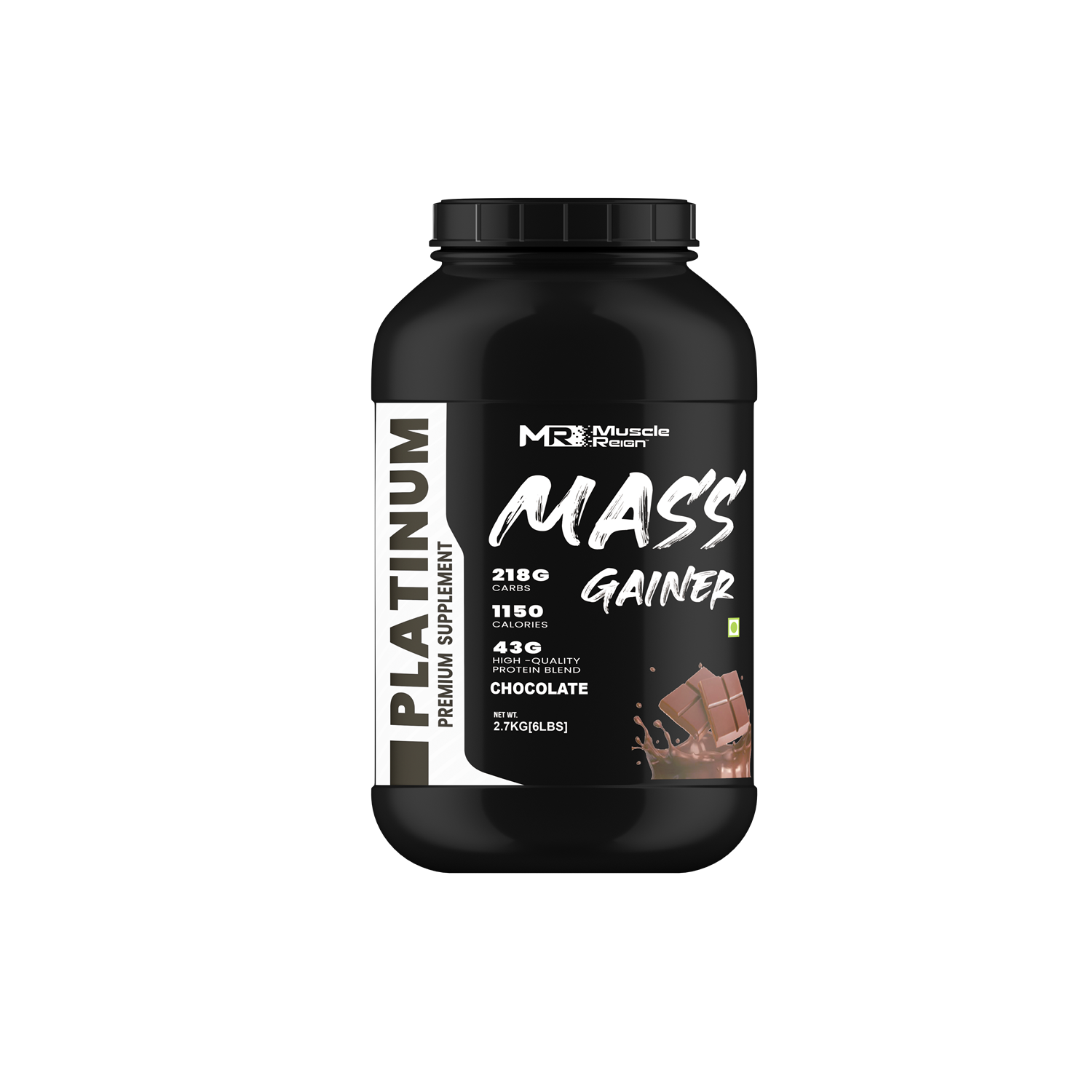
Muscle Reign's Peak Prime Bulk is formulated specifically for genuine hardgainers - those who've confirmed a real calorie gap despite consistent effort to eat more through whole foods. It combines quality protein with a calorie-dense carbohydrate base, designed to make hitting a surplus achievable without requiring several additional heavy meals each day.
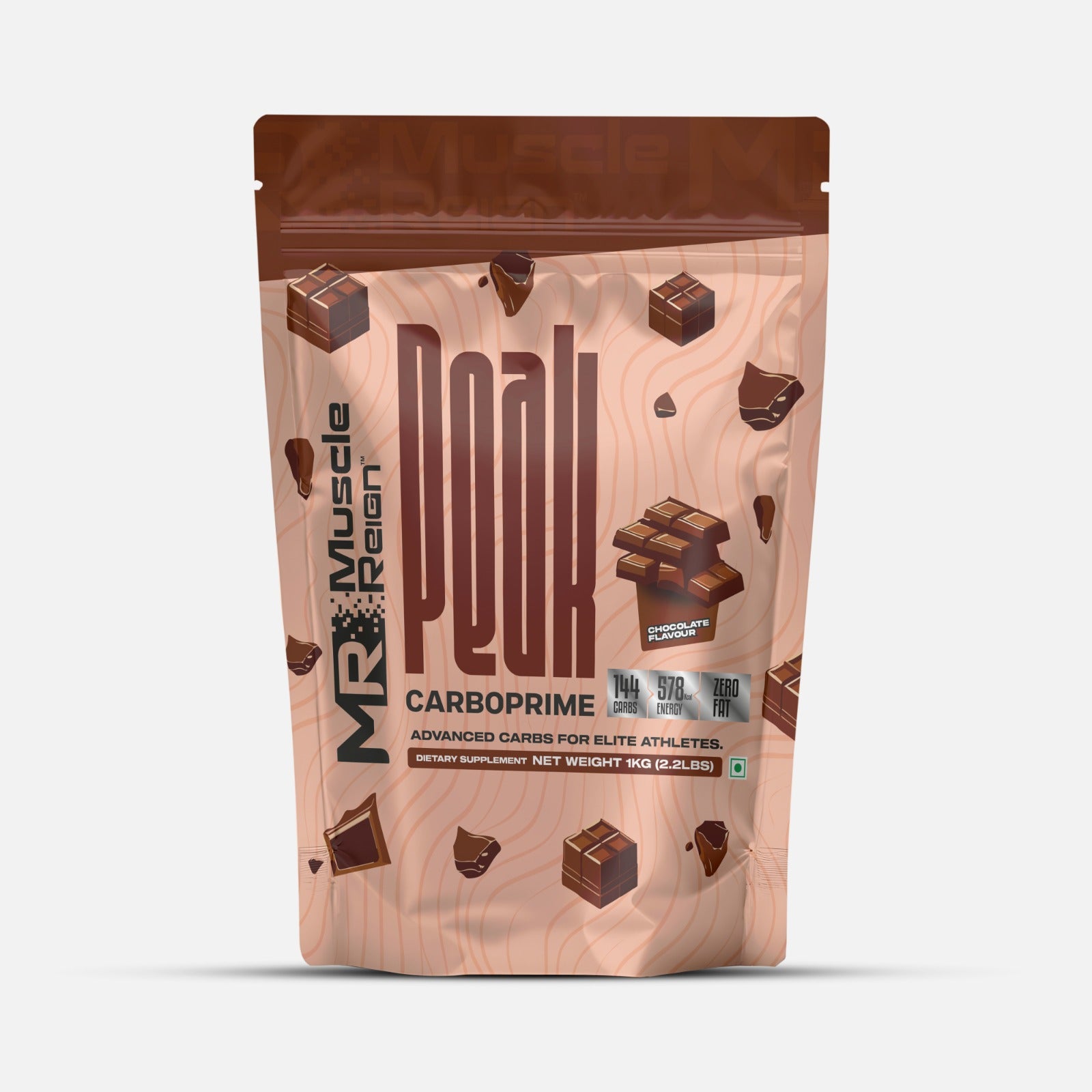
For the majority of gym-goers who don't fall into the genuine hardgainer category, Peak Series Whey Concentrate remains the more appropriate choice - closing the protein gap without adding calories you may not actually need. We'd rather point you toward the product that matches your actual situation than sell you a mass gainer you don't need.
Common Mistakes People Make With Mass Gainer Decisions
Buying mass gainer without tracking actual calorie intake to confirm a genuine deficit
Using mass gainer while already eating enough, leading to unnecessary fat gain
Skipping the whole-food-first approach and defaulting straight to supplementation
Not adjusting serving size to individual calorie needs, over-consuming unnecessarily
Continuing use indefinitely without reassessing whether the calorie gap still exists
Possible Considerations
Those with insulin sensitivity, diabetes, or digestive sensitivity to high carbohydrate loads should consult a physician before using mass gainer regularly. Significant, rapid weight gain (beyond 0.5kg weekly) often indicates an excessive surplus contributing more to fat gain than muscle and should be reassessed.
Frequently Asked Questions
How do I know if I actually need a mass gainer?
Track your daily calorie intake for a week and compare it to your calculated surplus target. If you're consistently falling short despite genuine effort to eat more, mass gainer may help close that gap.
Can skinny people build muscle without a mass gainer?
Yes, if they're able to consistently hit their calorie surplus target through whole foods and adequate protein intake. Mass gainer is a convenience tool, not a requirement for weight or muscle gain.
Is mass gainer necessary for bulking?
No. Many successful bulking phases are achieved entirely through whole food and whey protein, without mass gainer, particularly for those who can comfortably eat enough food volume.
Who should avoid mass gainer entirely?
Those trying to lose fat or maintain weight, individuals already eating enough to support gradual weight gain, and those with average or higher body fat levels typically don't need mass gainer's additional calories.
Can I just eat more food instead of using a mass gainer?
Yes, and this is often the better first approach. Whole food provides greater micronutrient diversity and is often more cost-effective, provided you have the appetite and time to consistently eat enough.
Will mass gainer make me gain fat instead of muscle?
Only if the surplus it provides significantly exceeds your individual needs. Used appropriately with a monitored, moderate weight gain rate, mass gainer supports muscle gain alongside consistent training.
Is mass gainer only for people with fast metabolisms?
It's most beneficial for that group, but also for those with very high calorie needs from training volume or activity level, or those with limited time or appetite for large whole-food meals.
How much weight gain per week indicates I'm using too much mass gainer?
More than 0.5-0.75kg per week often suggests an excessive calorie surplus, contributing more to fat gain than lean muscle mass.
Can beginners use mass gainer from day one of training?
Yes, if they've genuinely confirmed a calorie deficit relative to their surplus target; however, testing whole-food intake first is generally recommended before adding a supplement.
Does mass gainer work without consistent training?
No. Mass gainer provides calories to support a surplus, but actual muscle growth still depends on consistent resistance training and progressive overload alongside adequate nutrition.
Is it a waste of money if I don't actually need mass gainer?
Yes, generally. If your calorie intake through whole food already supports your weight and muscle gain goals, mass gainer becomes an unnecessary added expense without additional benefit.
Can women who are hardgainers use mass gainer too?
Yes. Mass gainer's suitability depends on individual calorie needs and goals, not gender; women who genuinely struggle to eat enough can benefit equally.
The Honest Answer
Mass gainer isn't for everyone trying to build muscle - it's specifically for people who've confirmed they're falling short on total calories despite real effort to eat more. If whole food already gets you to your surplus target, you don't need it. If it genuinely doesn't, mass gainer is a legitimate, convenient tool for closing that gap. The honest first step isn't buying the supplement - it's tracking your intake to find out which category you're actually in.
Ready to Find Out What You Actually Need?
Don't guess - track your intake first, then choose the right tool for your actual gap. Explore Muscle Reign's Whey Protein and Mass Gainer range at www.musclereign.com and build your bulk on what your body genuinely needs, not what the packaging promises.