When More Protein Stops Solving the Problem: The Role of Carbs, Calories and Recovery in Muscle Growth
Protein gets treated like the answer to almost every muscle-building question in Indian gym culture. Not growing? Add a scoop. Recovery feels slow? Add another. For someone who genuinely isn't hitting their target, that advice works. But for someone already eating 140-150g of protein a day and still not seeing progress, adding more protein is like turning up a tap that's already fully open - nothing more comes out, because the tap was never the bottleneck to begin with.
This guide is for that second person - the one already doing the protein part right and wondering why the mirror hasn't changed. The answer usually sits in one of three places: carbohydrates, total calories, or recovery. Here's how each one works, and how to tell which is actually holding you back.
Why Protein Has a Ceiling
Muscle protein synthesis has a rate limit. Research consistently identifies a protein intake plateau for muscle growth around 1.6g per kg of bodyweight daily, with benefits extending modestly up to roughly 2.2g/kg for some individuals - beyond that, additional protein doesn't meaningfully accelerate muscle growth further. The body simply doesn't have a mechanism to "stockpile" amino acids for bigger gains; protein beyond what training and recovery can actually use gets oxidised for energy or stored, not converted into additional muscle.
This is the first thing worth accepting: if you're already in the 1.6-2.2g/kg range and consistent about it, your protein intake is very unlikely to be what's holding you back. The variable that's actually limiting you has moved somewhere else.
Why It Matters: What Takes Over Once Protein Is Adequate
Once protein intake clears that threshold, three other variables become the actual determinants of whether training translates into visible muscle: how much carbohydrate you're eating, whether you're in a genuine calorie surplus, and whether your recovery - sleep, stress, training frequency - can keep up with what you're asking your body to rebuild. Each one works through a different mechanism, and each shows up differently when it's the actual bottleneck.
The Three Variables That Matter More Once Protein Is Solved
1. Carbohydrates - The Fuel Behind the Training Stimulus
Carbohydrates replenish muscle glycogen, which is what allows you to train with enough volume and intensity to actually create a growth stimulus in the first place. Low-carb training often produces sessions that feel flat, with reduced strength output and earlier fatigue - and a weaker training stimulus produces a weaker growth signal regardless of how much protein follows it. If your carb intake has quietly dropped - a diet change, a "clean eating" phase, or just less rice and roti than before - your training quality may be the thing that's actually stalled, with protein just along for the ride.
How to check: Has your training volume, strength, or session quality noticeably dropped in the same window your growth has stalled? If sessions feel harder to complete at the same weights, carbs are worth checking before anything else.
2. Total Calories - The Actual Building Budget
Protein provides the material for muscle repair, but building new tissue costs energy - and that energy has to come from somewhere. Muscle protein synthesis has a ceiling, and once you've provided enough energy and nutrients to reach it, extra calories have nowhere to go but fat storage; conversely, insufficient calories blunt the process even when protein intake is technically adequate. Short-term energy deficits have been shown to downregulate muscle protein synthesis independent of protein intake - meaning a person eating "enough protein" while under-eating overall can still see reduced muscle-building signalling.
A modest surplus of roughly 200-500 calories above maintenance is generally enough to support consistent lean muscle gain without pushing fat gain unnecessarily; building noticeable muscle doesn't require nearly as large a surplus as most people assume.
How to check: Are you actually tracking total calories, or just protein grams? It's entirely possible to hit 150g of protein daily while sitting at maintenance or even a slight deficit once the rest of the day's food is accounted for.
3. Recovery - Where the Actual Building Happens
Training creates the stimulus; recovery is where the tissue is actually rebuilt. Chronic sleep restriction, high life stress, or training frequency that outpaces your recovery capacity can all blunt the growth response even when protein and calories are both correctly dialled in. This is the variable most people check last, if at all, because it doesn't show up on a food tracking app.
How to check: Are you sleeping consistently 7-9 hours? Has stress, travel, or irregular schedule disrupted your routine in the weeks growth has stalled? Recovery debt tends to accumulate quietly before it shows up as an obvious problem.
Common Myths About Protein and Muscle Growth
| Myth | Reality |
|---|---|
| If you're not growing, you need more protein | Beyond roughly 1.6-2.2g/kg, additional protein shows no statistically meaningful additional hypertrophy benefit |
| Hitting your protein target means your nutrition is "done" | Protein is one of three major variables; carbs, total calories, and recovery all need to be adequate independently |
| A calorie deficit doesn't matter as long as protein is high | Even short-term energy deficits have been shown to reduce muscle protein synthesis regardless of protein intake |
| Carbs are only relevant for energy, not muscle growth | Carbs sustain the training volume and intensity that actually create the stimulus muscle responds to |
| More protein always helps recovery | Recovery depends heavily on sleep and training load management; protein alone doesn't compensate for insufficient rest |
A Simple Way to Diagnose the Real Bottleneck
| Question | If "Yes," This Is Likely the Limiting Variable |
|---|---|
| Am I already at 1.6-2.2g/kg protein consistently? | Protein is probably not the issue - look elsewhere |
| Has my training performance (weights, reps, session quality) dropped recently? | Carbohydrate intake |
| Am I tracking total calories, or only protein grams? | Total calorie intake |
| Am I sleeping less than 7 hours, or under unusual stress? | Recovery capacity |
| Have I increased training frequency without increasing food or rest? | Recovery capacity |
| Is my weight completely flat over several weeks despite training hard? | Total calorie intake (likely at maintenance, not surplus) |
What This Means for Your Day
If protein is already solved, the next check isn't a new supplement - it's a week of honest tracking. Log total calories, not just protein grams, for five to seven days. Note training performance session to session. And be honest about sleep - not what you intend to get, but what you actually average. Most people find the real answer sitting in whichever of these three they've been treating as an afterthought.
How Muscle Reign Supports the Other Two-Thirds
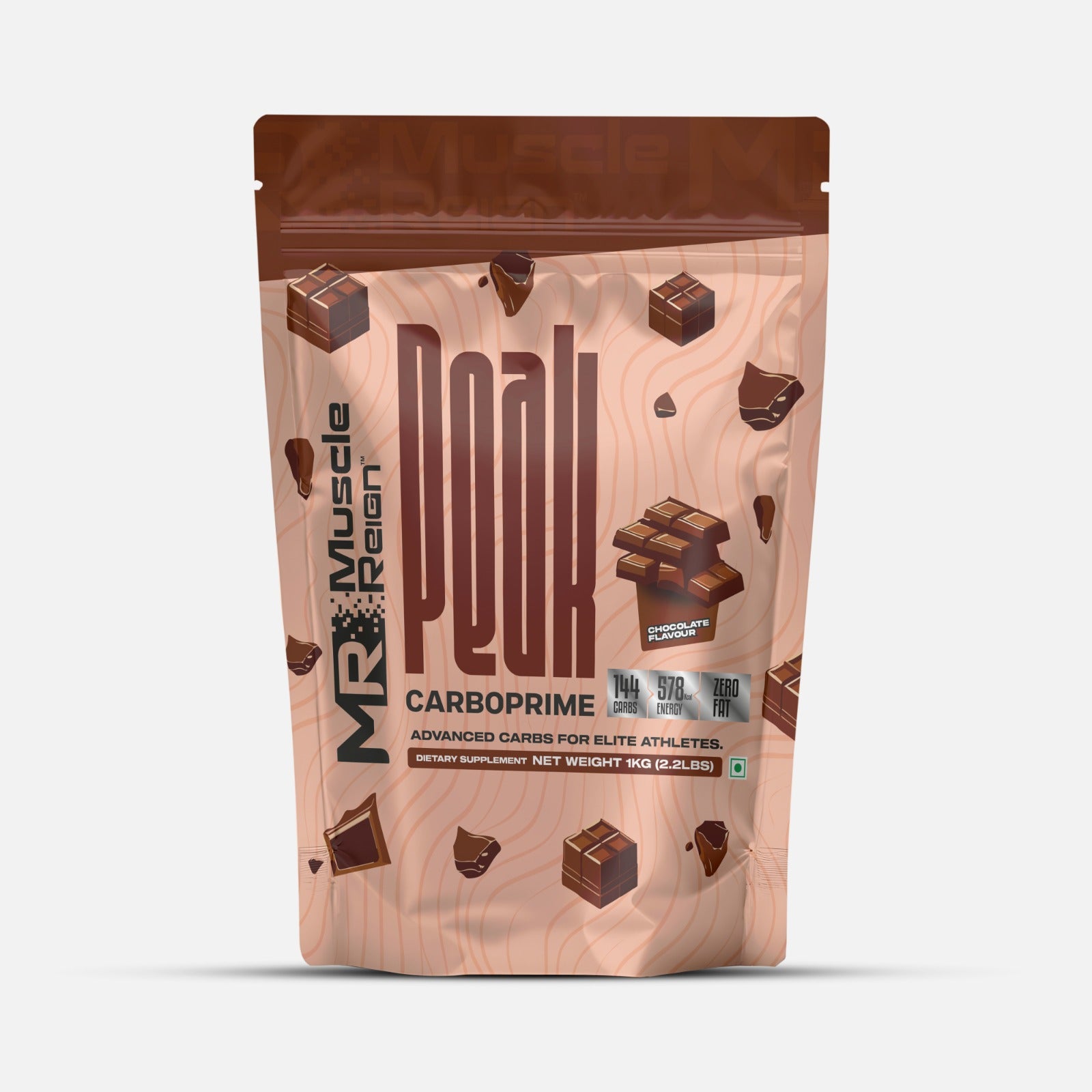
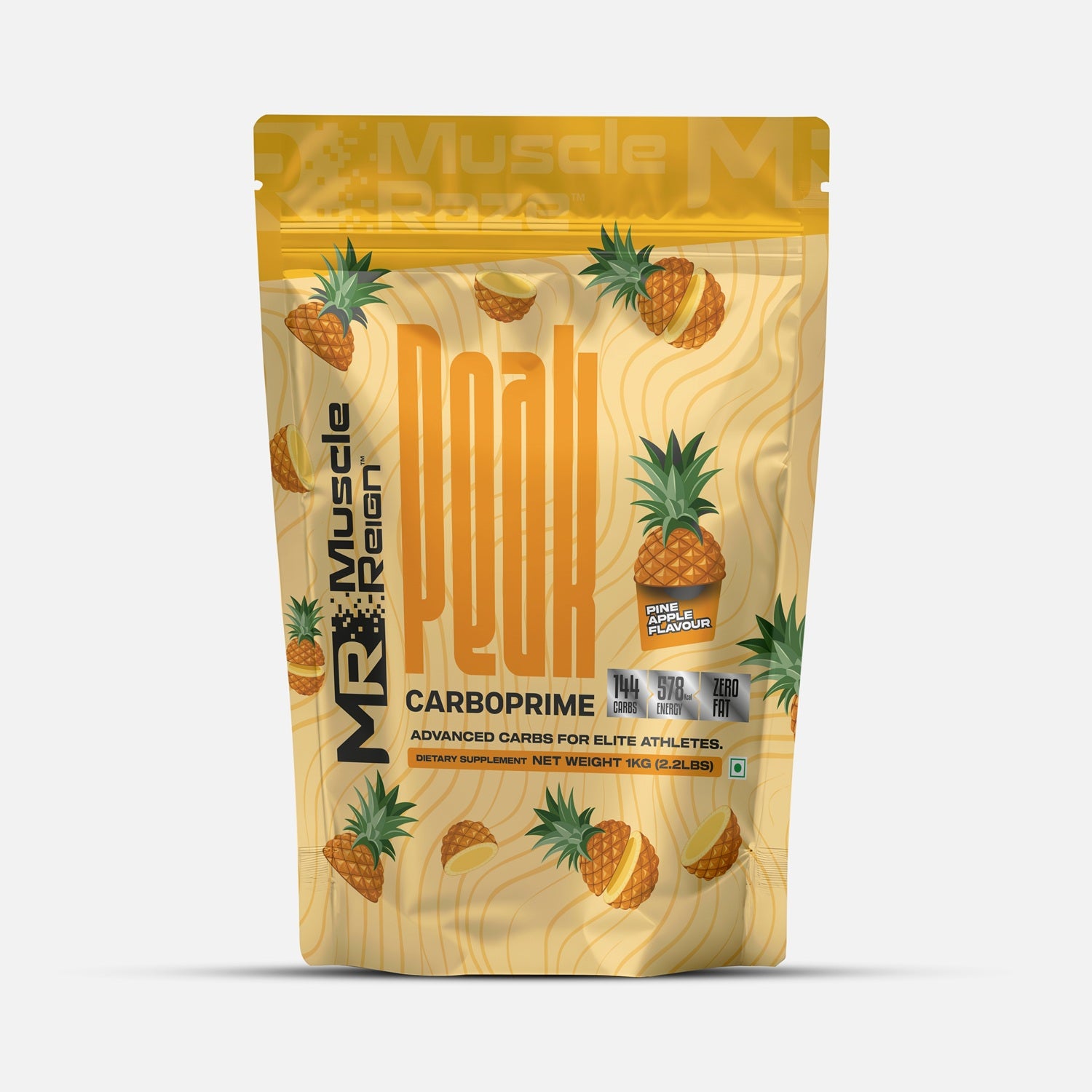
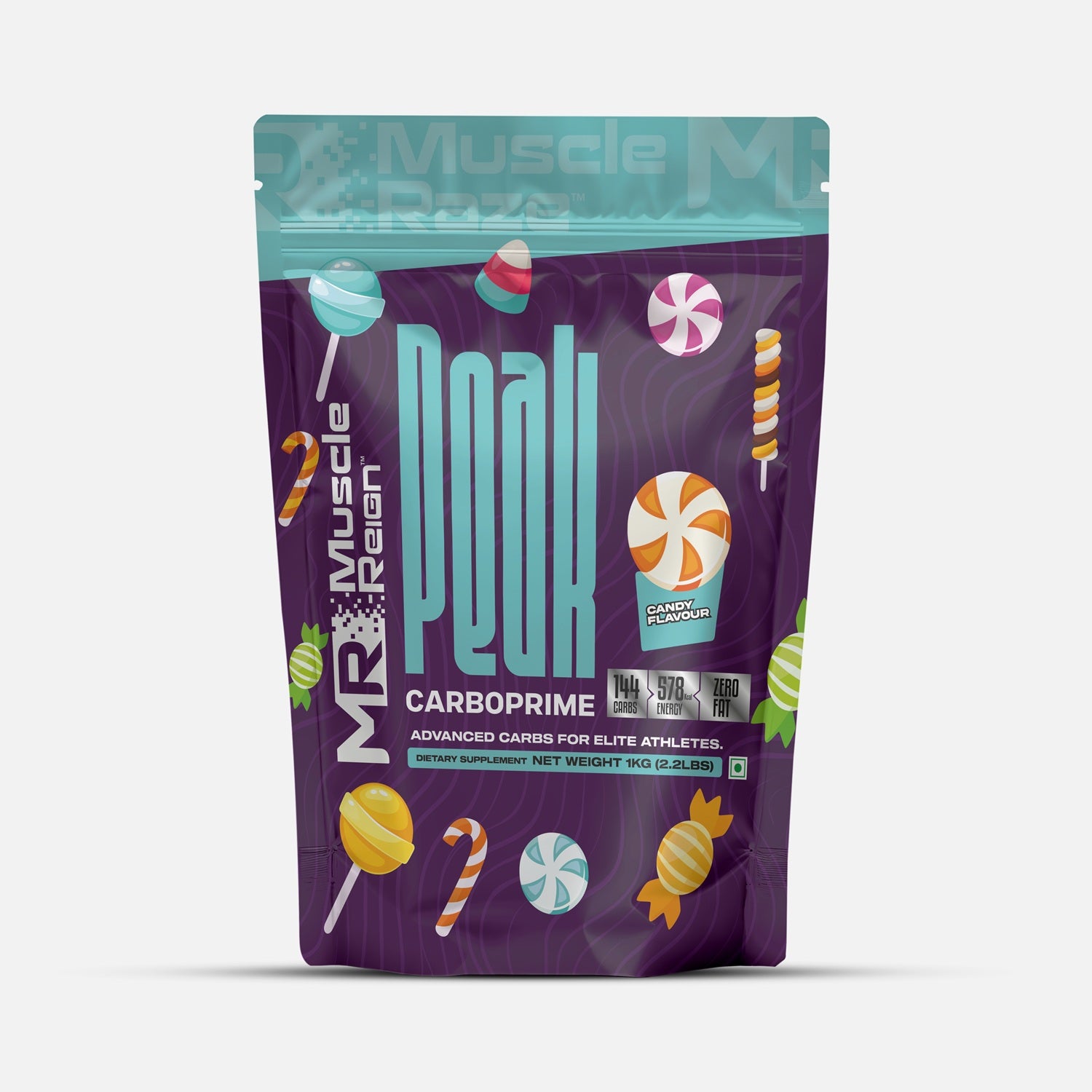
Once protein is genuinely adequate, Carboprime addresses the carbohydrate side specifically - fast-absorbing carbs around training that support the volume and intensity your muscles actually need to be challenged, rather than adding more protein to a system that already has enough. For anyone whose real issue is total calories - eating enough protein but sitting at maintenance overall - Peak Prime Bulk closes that calorie gap without requiring several additional heavy meals a day.
Neither of these replaces checking recovery first. No amount of carbohydrate or calorie adjustment compensates for chronic sleep debt or training volume that's outpaced what the body can currently rebuild from.
Common Mistakes People Make
- Adding more protein as a default fix, when intake is already in the effective range and the real issue lies elsewhere
- Tracking protein grams closely while not tracking total calories at all, missing a maintenance-level or deficit-level intake hiding behind a "high protein" diet
- Assuming carbs are optional or secondary, when they directly determine training quality and the stimulus that drives growth
- Ignoring sleep and stress as legitimate variables, treating recovery as something that happens automatically regardless of how it's managed
- Increasing training frequency to "force" progress without adjusting food or recovery to match the added demand
Possible Considerations and When to See a Professional
Persistent lack of progress accompanied by unusual fatigue, unexplained weight changes, or symptoms beyond normal training variation may reflect something beyond a nutrition or training adjustment and is worth discussing with a physician. Anyone making significant, sustained changes to calorie intake - particularly extended surpluses or deficits - should consider periodic check-ins with a healthcare professional or registered dietitian, especially alongside any history of disordered eating patterns.
Frequently Asked Questions
If I'm already eating enough protein, why would eating more not help at all?
Muscle protein synthesis has a rate ceiling around 1.6-2.2g/kg of bodyweight daily; protein beyond that range isn't converted into additional muscle, it's used for energy or stored.
How do I know if my calorie intake is actually a surplus and not just maintenance?
Track total daily calories (not just protein) for a week and compare against your weight trend over several weeks - if weight isn't slowly increasing, you're likely at maintenance or below, regardless of protein intake.
Can low carbohydrate intake really limit muscle growth even with enough protein?
Yes, indirectly - low carbs reduce training performance and volume, which weakens the actual growth stimulus your muscles need, regardless of how much protein follows the session.
How much of a calorie surplus do I actually need to build muscle?
Research generally supports a modest surplus of roughly 200-500 calories above maintenance; larger surpluses mostly add fat rather than additional muscle, since the muscle-building process itself has a daily ceiling.
Can poor sleep really stall muscle growth even if my diet is perfect?
Yes - recovery, primarily driven by sleep quality and quantity, determines how effectively your body can actually use adequate protein and calories to repair and build tissue.
Is it possible to eat "high protein" and still be in a calorie deficit?
Yes, and it's common - protein tracking alone doesn't account for total daily calories, so it's entirely possible to hit a high protein target while under-eating overall.
Should I increase protein above 2.2g/kg just to be safe?
There's little evidence of additional muscle-building benefit above this range for most people; the extra protein is more likely to just add cost without added result.
What should I check first if I've stalled - protein, carbs, calories, or recovery?
Given that protein is usually already adequate for someone asking this question, start with total calorie tracking, then training performance (carb-related), then sleep and stress (recovery-related).
Does this apply differently to vegetarians?
The same ceiling and variables apply; vegetarians may need to sit toward the higher end of the protein range due to slightly lower digestibility, but once that range is met, carbs, calories, and recovery become the same limiting factors.
How long should I test a change to carbs, calories, or recovery before judging results?
Give any single adjustment at least 3-4 weeks before assessing its effect, since muscle growth and weight trends take time to become clearly visible.
Can I be in a calorie surplus but still not gaining muscle?
Yes, if training stimulus (often carb-related) or recovery capacity aren't also adequate - a calorie surplus without sufficient training quality or rest often shows up as fat gain rather than muscle gain.
Is there a case for eating slightly less protein and more carbs instead?
For someone already well above the effective protein range, shifting some of that intake toward carbohydrates - to better fuel training - can be a reasonable adjustment, provided total protein stays within the 1.6-2.2g/kg range.
The Honest Answer
Once protein intake clears the 1.6-2.2g/kg range, more of it stops being the lever that moves anything. The three variables that actually take over - carbohydrate intake sustaining training quality, total calories providing the building budget, and recovery determining whether any of it gets used - are less glamorous than a bigger scoop of whey, but they're where real stalled progress usually lives. Check those three before reaching for more protein you don't need.
Ready to Look Past Protein?
If your protein is already handled, the next fix probably isn't more of it. Explore Muscle Reign's Carboprime and Peak Prime Bulk at www.musclereign.com and address the variable that's actually holding your progress back.