Why Your Mass Gainer Isn't Helping You Gain Weight: 7 Mistakes Beyond "Eat More"
You bought the tub. You've been drinking it daily. You've been telling yourself, and everyone who asks, that you're "eating a lot now." And the scale hasn't moved in any meaningful way. This is one of the most common frustrations among hard gainers, and the usual advice - just eat more - is almost useless here, because you're already doing the thing that advice tells you to do. The problem isn't that you need to eat more. It's that something specific about how you're using the mass gainer is quietly cancelling out the surplus it's supposed to be creating. This isn't another "track your calories" article - that ground has been covered elsewhere. This is about the mass gainer itself: the specific, common usage mistakes that turn a genuinely useful tool into an expensive tub that does almost nothing.
Mistake 1: Treating It as a Meal Replacement Instead of an Addition
This is the single most common mistake, and it inverts the entire purpose of the product. A mass gainer exists to add calories on top of your existing food intake - not to substitute for a meal you'd otherwise have eaten. If you're skipping a meal and having a shake instead, you haven't created a surplus at all. You've simply swapped one source of calories for another, often a smaller one, and the "surplus" you think you're getting never actually existed. The fix is straightforward but requires deliberate attention: the shake should show up in addition to your normal three or four meals, not instead of any of them. If your schedule genuinely forces you to skip a meal occasionally, that's the one specific situation where using the gainer as a stand-in makes sense - but it shouldn't be the default pattern.
Mistake 2: Using an Inconsistent or Undersized Serving
A single scoop taken sporadically, or a half-serving taken out of a vague worry about "getting fat," rarely delivers enough of a caloric addition to meaningfully shift a genuine hard gainer's deficit. Many hard gainers specifically need the full serving, taken consistently, because their baseline calorie shortfall relative to what their training demands is often larger than they assume. Consistency matters as much as the serving size itself. A shake taken most days but skipped whenever the day gets busy doesn't build the same cumulative surplus as one taken at a fixed point in the day, every day, the way a scheduled meal would be. If weight gain has stalled, check both variables before assuming the product itself isn't working: are you taking the full recommended serving, and are you actually taking it consistently rather than "most days"?
Mistake 3: Assuming the Shake Alone Creates the Surplus, Without Ever Checking
This is a subtler version of a mistake covered elsewhere on total-calorie tracking, but it applies specifically to gainer users in a particular way: assuming that adding a several-hundred-calorie shake to your day automatically puts you in surplus, without ever confirming your actual starting point. If your baseline intake before the shake was already close to or above maintenance, adding the gainer on top may only be nudging you into a very small surplus, or none at all, depending on day-to-day variation in the rest of your eating. The honest fix is tracking total daily intake, including the shake, for a genuinely representative stretch, and comparing it against your actual calorie needs - not assuming the shake's calorie count alone tells the whole story.
Mistake 4: Training Inconsistently or Not Training Hard Enough to Direct the Surplus
A caloric surplus without an adequate resistance training stimulus doesn't reliably become muscle - it becomes fat, because there's no strong signal telling your body to prioritise building tissue over simply storing the extra energy. If your training has become inconsistent, or the mass gainer arrived on the scene at the same time your gym attendance quietly dropped, the surplus you're creating is working against you rather than for you. This cuts both ways as a diagnostic tool: if the scale is moving but your strength numbers and how your clothes fit aren't reflecting anything resembling muscle, inconsistent or under-intense training - not the gainer - is the more likely explanation.
Mistake 5: Ignoring the Protein-to-Carbohydrate Ratio on the Label
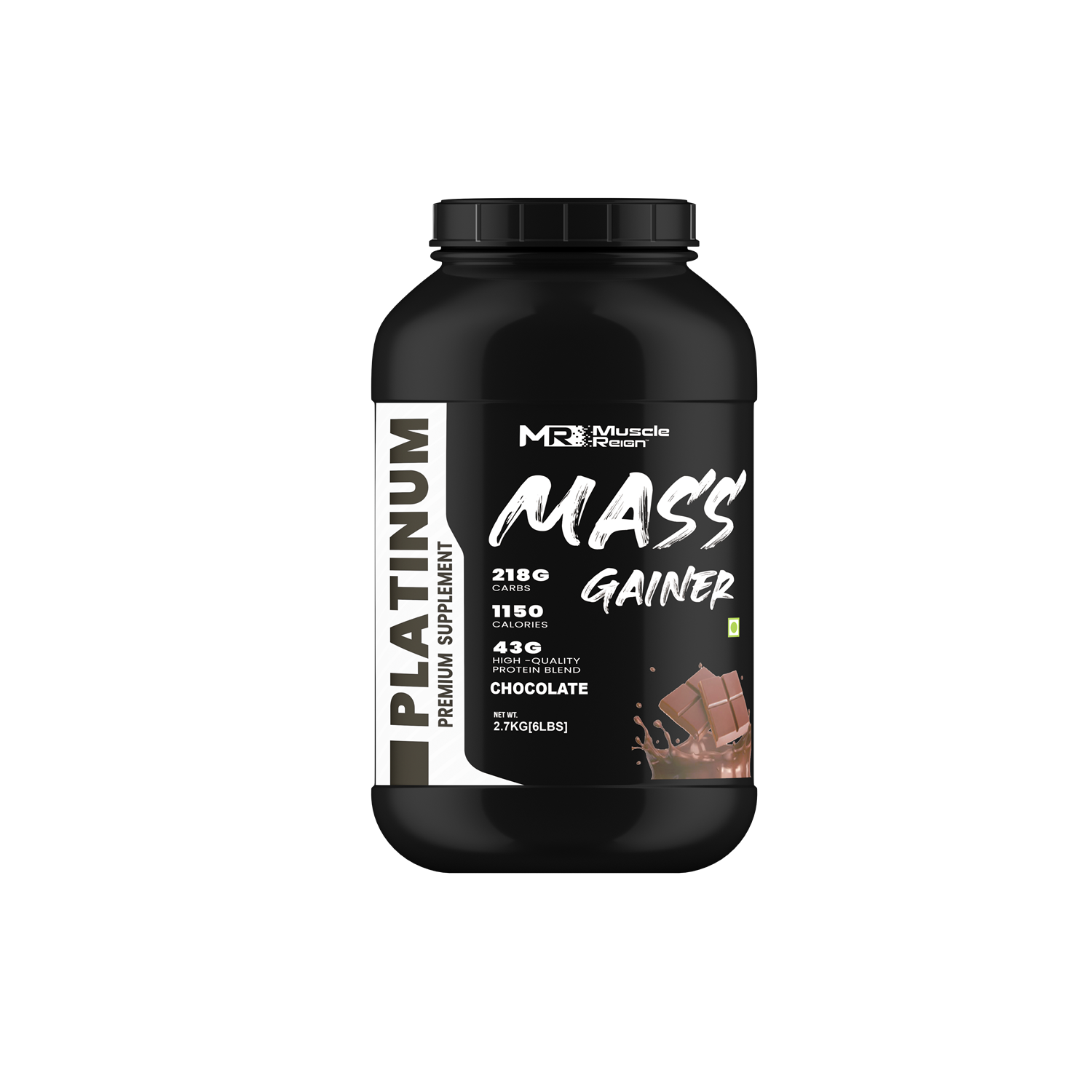
Not all mass gainers are built the same, and the ratio between protein and carbohydrate on the label matters more than the total calorie number alone. Some lower-quality formulations lean heavily on cheap, high-glycemic carbohydrate sources like maltodextrin with comparatively little protein relative to the total serving - meaning you're paying for calories that support the surplus but contribute relatively little toward the actual muscle-building side of the equation. Check your product's protein content against its total carbohydrate content. A gainer that's overwhelmingly carbohydrate with a thin protein contribution is still delivering calories, but you're likely under-supporting the muscle-building half of the process unless your protein intake from the rest of your diet is already solid enough to compensate.
Mistake 6: Poor Timing - Especially Right Before Bed or Stacked on an Already-Heavy Meal
Two specific timing mistakes show up repeatedly. Taking a high-glycemic, fast-digesting shake right before sleep can trigger a sharp insulin response close to bedtime, which for some people measurably disrupts sleep quality - directly undermining the recovery process that's supposed to be turning your surplus into muscle in the first place. And stacking your shake immediately on top of an already substantial meal, rather than spacing it out, tends to produce digestive discomfort without adding much practical benefit over spacing the same calories across the day. A more reliable pattern is using the gainer around training - as a bridge between a workout and your next real meal, or as a way to add calories at a point in the day your food intake is naturally lightest - rather than defaulting to whichever moment is most convenient regardless of what else you've eaten recently.
Mistake 7: Relying on the Gainer for Protein Instead of Treating It as a Calorie Tool
Some users lean on the mass gainer as their primary protein source, assuming its protein content covers what whole food or a standalone whey shake would otherwise provide. A mass gainer is fundamentally a calorie-delivery tool with some protein attached, not a protein-optimised product - and using it as your only meaningful protein source often leaves you short of what active muscle building actually requires, while also skipping the fibre, micronutrients, and food variety that whole meals provide and a carbohydrate-heavy shake doesn't. The more effective approach treats the gainer specifically as the calorie-bridging tool it is, while protein needs continue to be met primarily through whole food and, where needed, a dedicated whey protein alongside it - not instead of it.
Quick Diagnostic Table
| If this describes you... | The likely mistake |
|---|---|
| You skip a meal on shake days | Using it as a meal replacement (Mistake 1) |
| You take half a scoop, or skip days when busy | Undersized or inconsistent serving (Mistake 2) |
| You've never actually tracked your total daily intake | Assuming the shake alone equals a surplus (Mistake 3) |
| Your gym attendance dropped around the same time | Insufficient training stimulus (Mistake 4) |
| The label shows very little protein relative to carbs | Poor protein-to-carb ratio (Mistake 5) |
| You take it right before bed or right after a full meal | Timing working against you (Mistake 6) |
| You've stopped tracking protein separately | Relying on the gainer as your protein source (Mistake 7) |
How to Reset the Approach
Start by confirming the surplus actually exists - track total daily intake including the shake for a genuinely representative stretch, compared against your real maintenance number, not an assumption. Then check the shake's placement: is it genuinely additional to your normal meals, timed sensibly around training rather than right before bed, and taken at a full, consistent serving rather than an inconsistent smaller one. Separately confirm your protein intake is being met through whole food and, if needed, a dedicated protein source rather than assumed to be covered by the gainer alone. And make sure the training side of the equation is holding up its end - consistent resistance training is what gives your body a reason to direct that surplus toward muscle rather than simply storing it.
Where Muscle Reign Fits This
Peak Prime Bulk is built around a carbohydrate matrix that leans on more than a single cheap high-glycemic source, paired with a meaningful protein contribution rather than calories alone padding out the label. Used correctly - as an addition to meals, at a consistent full serving, timed around training rather than immediately before bed - it's designed to function as the calorie-bridging tool this article describes, not a replacement for either whole food or a dedicated whey protein source. None of that formulation quality matters, though, if the seven usage mistakes above are still happening around it - the product and the habit both need to be right.
Possible Considerations
Persistent difficulty gaining weight despite correcting these usage patterns, tracking accurately, and training consistently may occasionally reflect an underlying metabolic or health factor and is worth discussing with a physician rather than continuing to troubleshoot indefinitely on your own. Anyone with digestive sensitivity, dairy intolerance, or blood sugar regulation concerns should review a mass gainer's ingredient list carefully and consider consulting a healthcare professional before regular use.
Frequently Asked Questions
Why isn't my mass gainer helping me gain weight even though I take it every day? The most common reasons are using it as a meal replacement instead of an addition, an inconsistent or undersized serving, never actually confirming a true calorie surplus exists, or training inconsistently, which means the surplus isn't being directed toward muscle. Is it a mistake to replace a meal with a mass gainer shake? Yes, generally. A mass gainer is designed to add calories on top of your existing meals, not substitute for one - replacing a meal with the shake often means you haven't created any additional surplus at all. Does the timing of my mass gainer actually matter? Yes. Taking a fast-digesting shake right before bed can disrupt sleep quality for some people, and stacking it immediately on top of an already large meal tends to cause digestive discomfort without added benefit - spacing it around training or a lighter part of the day tends to work better. Can I gain weight from a mass gainer without training? Technically some weight gain is possible from the calorie surplus alone, but without adequate resistance training, a meaningful portion of that added weight is likely to be fat rather than muscle. Does the protein-to-carbohydrate ratio in my mass gainer matter? Yes. A gainer that's overwhelmingly carbohydrate with comparatively little protein is still adding calories, but contributes less to the muscle-building side of the process unless your protein intake from elsewhere in your diet is already sufficient. Should I use my mass gainer as my main source of protein? No. A mass gainer is primarily a calorie-delivery tool with some protein included, not a protein-optimised product - relying on it as your primary protein source often leaves your actual protein target under-met. How do I know if my mass gainer serving is too small? If your weight gain has stalled despite consistent use, check whether you're taking the full recommended serving rather than a reduced amount, and whether you're taking it consistently rather than skipping it on busy days. Can taking a mass gainer inconsistently really make a difference? Yes. A shake taken sporadically doesn't build the same cumulative surplus as one taken at a fixed, consistent point in your day - consistency matters nearly as much as the serving size itself. How do I know if I've actually confirmed a real calorie surplus, or just assumed one? Track your total daily intake, including the shake, for a genuinely representative stretch and compare it against your actual calorie needs, rather than assuming the shake's calorie count alone guarantees a surplus on top of whatever else you're eating. If my weight is going up but I don't look more muscular, what's likely happening? This usually points toward inconsistent or insufficient resistance training rather than a problem with the gainer itself - a surplus without an adequate training stimulus tends to favour fat storage over muscle gain.