Why Your Pre-Workout Feels Different Every Day: 7 Factors That Change Its Effect
Tuesday, you scoop it, drink it, and twenty minutes later you're moving weight you haven't touched in months. Thursday, same scoop, same water, same gym - and you're standing at the rack wondering if you got a bad batch. Nothing changed on the label. Something changed in you. This is one of the most common complaints gym-goers bring to a supplement counter, and it's rarely about the product. Pre-workout doesn't act on a fixed switch - it acts on a nervous system, a digestive tract, and a hormonal environment that are all in slightly different states from one day to the next. Here's what's actually driving that inconsistency, and which parts of it you can do something about.
Why It Matters: Pre-Workout Isn't a Fixed-Dose Drug
Most of what a pre-workout does comes down to how much active caffeine reaches your bloodstream and how sensitive your nervous system is to it at that moment. Both of those numbers move around daily based on genetics, sleep, food, hormones, and stress - which means the same 200mg scoop can genuinely produce a different physiological response two days apart, even with identical training and identical dosing.
Myths Worth Dropping
| Myth | Reality |
|---|---|
| A weak pre-workout day means you got a bad batch or the brand cut corners | Formulation is consistent batch to batch under proper manufacturing; day-to-day variation almost always traces back to the person, not the product |
| More scoops will fix an "off" day | Stacking extra scoops on a low-response day mostly adds side-effect risk (jitters, GI discomfort, disrupted sleep) without proportionally more performance benefit |
| Everyone processes caffeine at the same rate | Caffeine is metabolized primarily by the CYP1A2 enzyme, and genetic variation in this gene creates real, measurable differences in how fast people clear caffeine and how strongly they respond to it for a given caffeine dose relative to body mass |
| If you slept badly, pre-workout will "cancel it out" | Caffeine masks the feeling of sleepiness by blocking adenosine receptors, but it doesn't clear the underlying adenosine buildup driving that fatigue - it just masks the sleepiness rather than reducing adenosine levels, which is part of why a poor night's sleep can blunt how "on" a pre-workout feels |
| Caffeine sensitivity is only about tolerance from using it too often | Genetics play a documented role independent of tolerance - people who are fast metabolizers (AA genotype) tend to see clear performance improvement from caffeine, intermediate metabolizers see smaller gains, and slow metabolizers often see no benefit or a negative effect |
The 7 Factors That Actually Change How Pre-Workout Feels
1. Your Caffeine Metabolism Genotype
This is the one almost nobody accounts for. Caffeine is broken down largely by the CYP1A2 enzyme, which is responsible for up to 95% of caffeine metabolism. A specific genetic variation in this gene sorts people into faster and slower metabolizers, and research on resistance-trained men found that fast metabolizers (AA genotype) and slower C-allele carriers show meaningfully different responses to the same caffeine dose. Your genotype doesn't change day to day - but it sets the baseline for how strong or muted your response is ever going to be, regardless of what else is going right that day. Someone who's a slow metabolizer isn't imagining that pre-workout "doesn't hit" for them the way it does for a training partner.
2. Sleep the Night Before
Caffeine works by blocking adenosine receptors, temporarily masking the sleep pressure adenosine creates rather than removing it. Research on sleep restriction shows that shorter periods of sleep deprivation rapidly elevate adenosine levels, and the accumulated adenosine from a bad night doesn't disappear just because caffeine is blocking its receptors - it's part of why a 5-hour-sleep pre-workout session can feel flat even at the same dose that felt sharp after a full night's rest.
3. Whether You've Eaten, and What
An empty stomach speeds up caffeine absorption, which can make the initial hit feel stronger and more jittery, then wear off faster. A heavy, fat-dense meal slows gastric emptying and blunts and delays the peak. Neither is "wrong," but taking your scoop on wildly different stomach conditions from session to session is a direct, controllable reason the same dose feels different.
4. Hydration Status Going In
Mild dehydration alone reduces strength output and cognitive sharpness before thirst even kicks in. Stack that onto a pre-workout and the caffeine is doing its job on a nervous system that's already running at a deficit - the "pump" and focus you're expecting simply have less to work with.
5. Accumulated Tolerance From Daily Use
Using the same stimulant dose every single training day builds tolerance at the adenosine receptor level over time, the same mechanism behind why regular coffee drinkers need more to get the same lift. This is separate from genetics - it's use pattern. Someone who takes pre-workout five days a week without a break will typically need a higher dose over months to get the effect they got in week one.
6. Training-Day Stress and Cortisol
A high-stress day - a bad meeting, a fight, a deadline - elevates baseline cortisol and sympathetic nervous system activity before you've touched a scoop. Some people find pre-workout feels sharper on a stressed day because the stimulant stacks on top of existing arousal; others find it tips into jitteriness, anxiety, or a racing feeling that makes training harder to focus through, not easier.
7. Hormonal Cycle (For Women)
Caffeine clearance shifts across the menstrual cycle and with hormonal contraceptive use. Oral contraceptive use can significantly inhibit CYP1A2 enzyme activity, effectively making caffeine clearance slower regardless of underlying genotype - which means the same dose can sit in the system longer and feel stronger, or in some cases more jittery, at certain points in a cycle or with certain contraceptive use than others.
Who Notices This Most
Slow caffeine metabolizers - the group most likely to describe pre-workout as "hit or miss" even with perfectly consistent dosing and training. Daily pre-workout users - tolerance accumulation makes week-12 feel noticeably weaker than week-1 unless dosing is adjusted or breaks are built in. Anyone training on inconsistent sleep - shift-adjacent schedules, late-night work calls, or irregular gym timing. Women tracking training quality across a full month - cycle-related shifts in caffeine sensitivity are rarely discussed in mainstream pre-workout marketing but are a real, documented variable.
What You Can Actually Control
- Anchor your dose to consistent conditions. Same rough gap since your last meal, similar hydration heading in - this alone removes a lot of the noise.
- Cycle off periodically. A deliberate 1–2 week break every 6–8 weeks resets receptor sensitivity so your baseline dose keeps working instead of quietly climbing.
- Don't chase a flat day with more scoops. If a session feels off, it's more often sleep, food, or stress than an underdosed product - extra caffeine mostly adds side-effect risk without fixing the actual cause.
- Protect the sleep you can control. You can't caffeine your way around a genuinely short night; the adenosine debt is still there underneath the mask.
- If you're a known slow responder, don't expect an "explosive" formula to feel explosive. Matching the formula to your training goal (focus vs. pump vs. maximum stimulation) matters more than chasing a stronger label when your own metabolism is the limiting factor.
How Muscle Reign Fits Into This
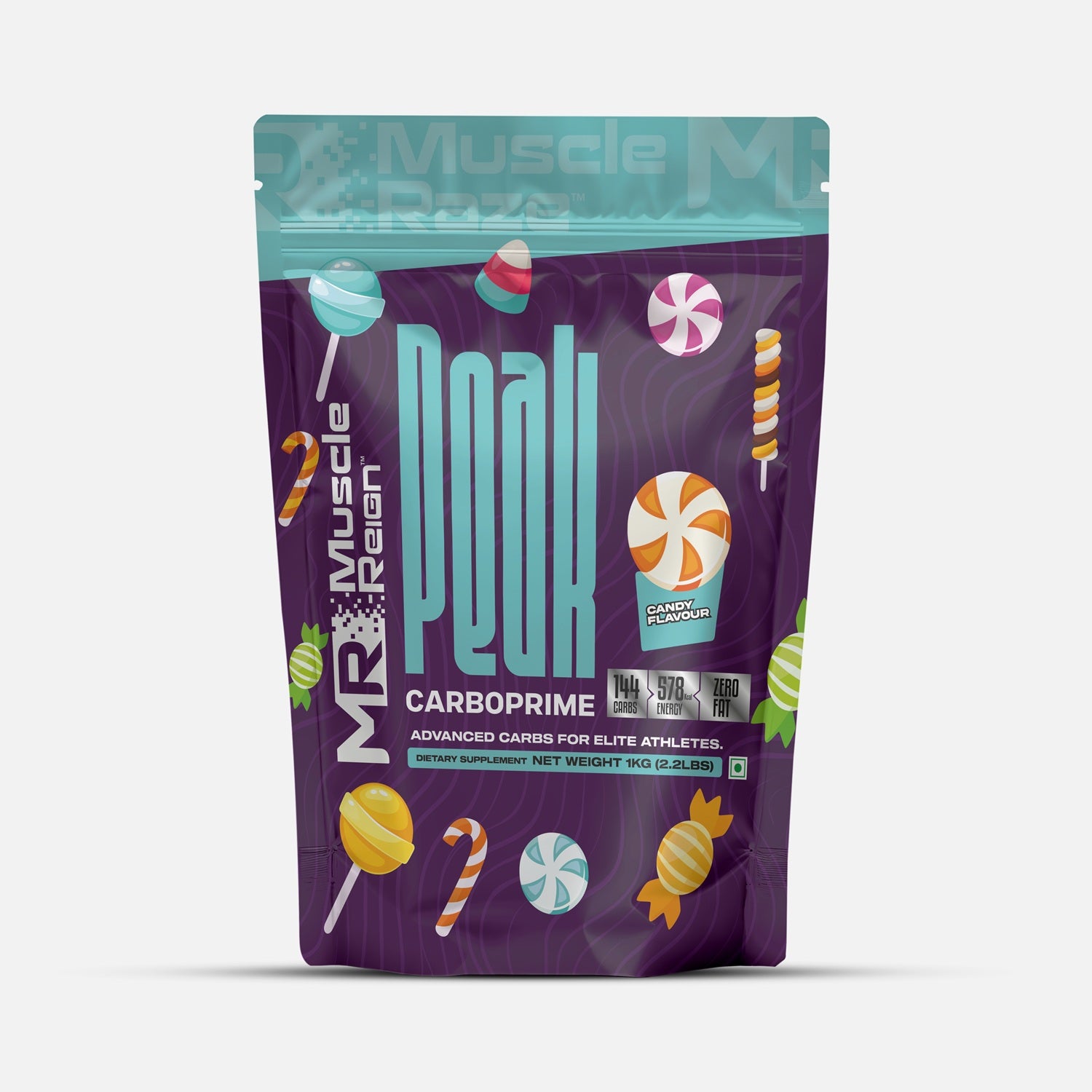
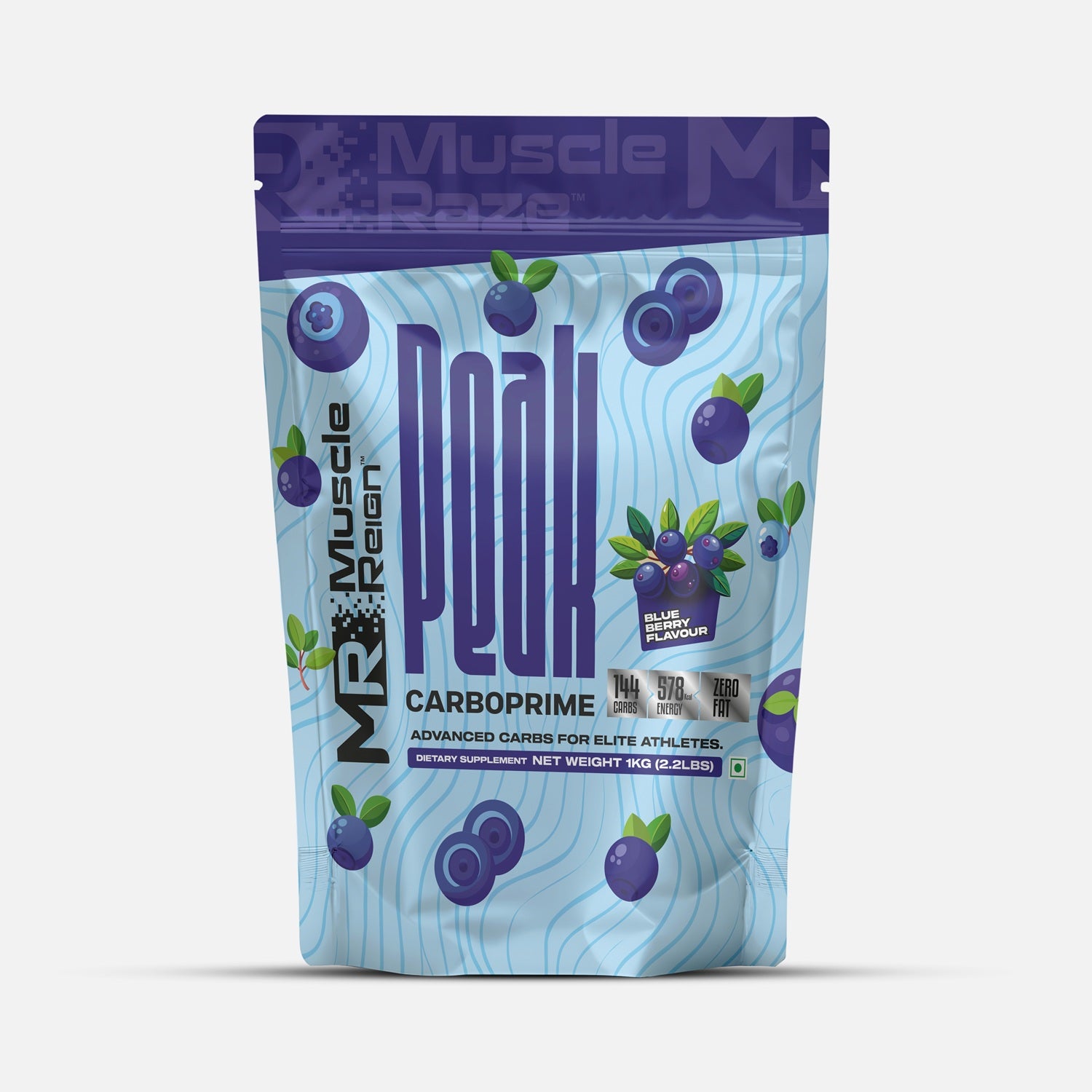
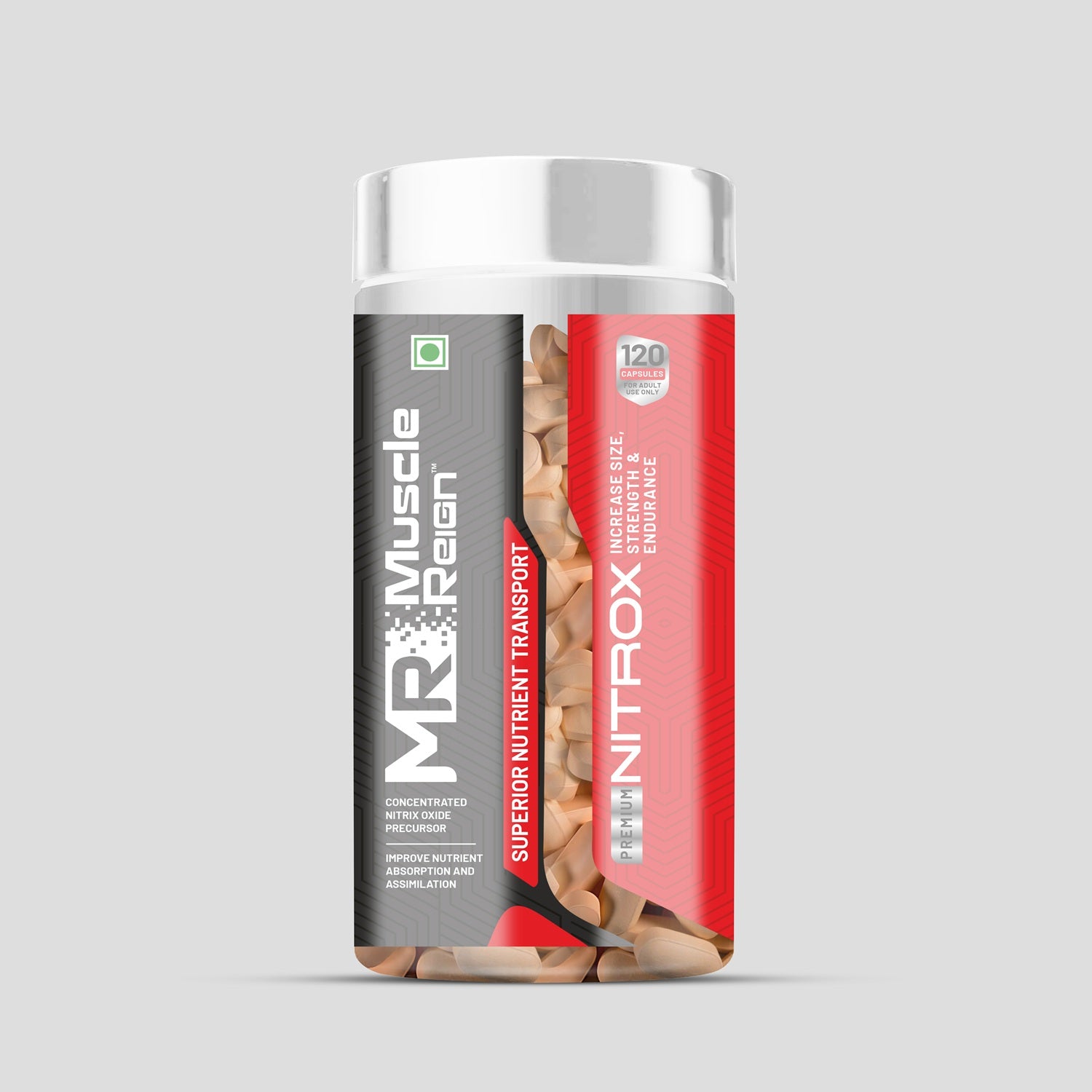
None of this is a formulation problem to be engineered around - it's physiology, and it's the same reason we build Peak, Nitro Pre 3.0, and Peak Hell as three distinct experiences rather than three strength levels of the same thing. If your day-to-day variability is mostly about tolerance and daily-use fatigue, Peak's balanced, moderate-stimulant profile is easier to run consistently without escalating. If a heavier caffeine dose consistently overshoots into jitteriness for you - which the genetics above suggest is a real, individual difference, not a discipline issue - Nitro Pre 3.0's pump-focused, lower-stimulant-emphasis formula gives you a training effect without leaning as hard on the nervous system. Peak Hell is built for sessions where you know your tolerance and want maximum output, not for troubleshooting an inconsistent response. The honest starting point either way is the same: track your sleep, your last meal, and your hydration alongside how a session feels for a couple of weeks. The pattern usually shows up fast, and it tells you more than switching products ever will.
Common Mistakes People Make
- Assuming an off day means the product is defective
- Adding extra scoops instead of addressing sleep, food, or hydration
- Never cycling off, then wondering why the same dose stopped working
- Ignoring genetics and assuming everyone should respond identically
- Training through visible jitteriness or anxiety instead of adjusting dose
Possible Considerations
Caffeine sensitivity varies enough between individuals that a dose comfortable for one person can cause genuine anxiety, elevated heart rate, or sleep disruption in another - this is partly genetic, not just a matter of "toughing it out." Anyone with a cardiovascular condition, anxiety disorder, or known caffeine sensitivity should approach pre-workout cautiously and consult a physician before regular use. Avoid taking it within 6 hours of bedtime, since disrupted sleep compounds the very adenosine buildup that makes future doses feel weaker.
Frequently Asked Questions
Why did my pre-workout suddenly stop working after months of using it? This is almost always tolerance from daily use, not a formulation change. Regular stimulant exposure builds tolerance at the adenosine receptor level over time; a 1–2 week break typically restores sensitivity. Is it normal for pre-workout to feel different every single session? Some variation is completely normal given how much sleep, food timing, hydration, and stress each shift caffeine's effect. Large, consistent differences are more likely tolerance or genetics than randomness. Does genetics really affect how I respond to caffeine? Yes. Variation in the CYP1A2 gene sorts people into faster and slower caffeine metabolizers, and research on resistance training shows measurably different performance responses between these groups at the same dose. Can bad sleep make my pre-workout feel weaker? Indirectly, yes. Caffeine blocks the receptors that register sleepiness rather than clearing the underlying fatigue-causing buildup, so a poorly slept night can leave a session feeling flatter even with an identical dose. Should I take pre-workout on an empty stomach for a stronger effect? It can feel more intense and hit faster, but it can also wear off sooner and cause more GI discomfort in some people. Consistency in how you take it matters more than chasing the "strongest" feeling. Does the menstrual cycle affect how pre-workout feels? It can. Caffeine clearance shifts across the cycle and with hormonal contraceptive use, which can make the same dose feel stronger, weaker, or more jittery at different points in the month. Is it bad to cycle pre-workout on and off? No - for stimulant-based formulas, periodic breaks (unlike creatine) actually help maintain effectiveness by preventing tolerance buildup, rather than being unnecessary. Should I just take a stronger pre-workout if mine doesn't feel like enough? Only after ruling out sleep, food timing, hydration, and tolerance. If you're a genuinely slow caffeine metabolizer, a stronger label may still produce a muted response, or push you straight into jitteriness without extra performance benefit.
The Honest Answer
Pre-workout isn't inconsistent because the formula changes - it's inconsistent because you do, every single day, in ways that are mostly invisible until you start paying attention to them. Genetics set your ceiling. Sleep, food, hydration, and stress move you around underneath it. Once you know which variables are actually in play, an "off" day stops being a mystery and starts being something you can trace back to Tuesday night's sleep or an empty stomach - not a reason to reach for more scoops.
Ready to Train With a Formula That Actually Fits You?
Explore Muscle Reign's Peak, Nitra Pre 3.0, and Peak Hell at www\.musclereign.com and choose based on how your body actually responds - not just how strong the label sounds.