Why Your Workout Pump Disappeared: Food, Hydration, Training Fatigue or Something Else?
Three months ago, every session ended with your shirt sleeves feeling tight and your forearms looking like they belonged to someone else. Lately, you're going through the same exercises, same weights, same reps - and nothing. Muscles look flat under the gym lights, the "skin-splitting" feeling never shows up, and you're starting to wonder if something's actually wrong.
Probably not wrong. Just different. A missing pump is rarely random - it's almost always one of a small number of identifiable, fixable variables. This guide walks through what's actually happening physiologically when you get a pump, and then works through the real causes - food, hydration, fatigue, and a few less obvious ones - so you can figure out which one is yours.
What Is a "Pump," Actually?
The pump you feel mid-set is nitric oxide relaxing the smooth muscle in your blood vessel walls, which widens them and increases blood flow into the working muscle. That extra blood - along with plasma fluid pushed into the surrounding tissue - temporarily swells the muscle. Separately, muscle glycogen (the carbohydrate stored inside muscle tissue) pulls water into the muscle cell itself, which contributes to a fuller, denser look that lasts longer than the blood-flow pump alone. American Physiological SocietyFrontiers
So there are really two overlapping systems behind "the pump": a fast, blood-flow-driven swelling that fades within an hour of finishing your set, and a slower, glycogen-and-hydration-driven fullness that can persist for hours. When your pump disappears, it usually means one or both of these systems isn't getting what it needs.
Why It Matters: The Two Different Pumps
A nitric-oxide-driven pump usually fades within an hour of leaving the gym, while cell volumization from adequate glycogen and creatine stores is more consistent and lasts as long as those stores stay saturated. This distinction matters because the fix depends on which one is failing. A pump that never shows up mid-set points toward blood flow and vasodilation. A pump that shows up during training but looks flat and deflated an hour later points toward glycogen, hydration, or both. BUBS Naturals
The Real Reasons Your Pump Disappeared
1. You're Under-Fuelled on Carbohydrates
Glycogen is stored carbohydrate inside the muscle, and it pulls water into the muscle cell - so when glycogen is full, muscles look and feel fuller, and when carb intake drops, that fullness goes with it. This is one of the most common and most overlooked causes, especially for anyone who has recently cut carbs, started a new diet, or simply has been eating lighter than usual before training. We Go HomeUncle Gym
2. You're Mildly Dehydrated
Even mild dehydration can significantly reduce muscle fullness, and it often happens gradually enough that you don't notice it as thirst. A day of less water than usual, a hot commute, or a poor night's sleep can all show up as a flatter pump before they show up as anything else. Uncle Gym
3. Your Electrolytes Are Low
Sodium and potassium control fluid balance and muscle contraction - when they're low, muscles don't fill, they flatten, even if you've been drinking water. This is the detail most people miss: they're hydrating with plain water but still going flat, because water without electrolytes doesn't hold in the muscle cell the way it needs to. We Go HomeUncle Gym
4. You're Accumulating Fatigue or Under-Recovered
Sometimes pumps disappear because training intensity has quietly dropped - not from laziness, but because the body is under-recovered, under-fuelled, or over-stressed. A flat pump can be an early, subtle signal of accumulated fatigue before it shows up as reduced strength or motivation. We Go Home
5. Low Blood Flow / Vasodilation Support
If you've dropped a pre-workout, stopped using citrulline or arginine-based ingredients, or you're training somewhere colder than usual, the acute vasodilation response that drives blood into the muscle may simply be weaker than it was. This is the fastest of the causes to correct.
6. Creatine Stores Aren't Saturated
Because creatine pulls water into the muscle, being dehydrated means creatine can't do its job properly, and inconsistent use means muscle creatine stores may not be fully saturated. If you've been skipping doses, cycling off, or recently started, the steady "always a little full" look creatine supports may not be there yet. BUBS Naturals
7. You've Genuinely Lost Some Muscle or Training Volume
Less common, but real: extended time off, a deload phase, illness, or a drop in training volume can mean the muscle itself has less glycogen storage capacity and blood-flow demand than it did at peak training volume. This isn't usually the first explanation to reach for, but it's worth ruling in if the others don't fit.
Common Myths About Pump Loss
| Myth | Reality |
|---|---|
| A missing pump means you're losing muscle | Far more often it's a short-term food, hydration, or fatigue issue - not muscle loss, which happens far more slowly |
| Water alone fixes a flat pump | Water alone isn't always enough - the minerals that control where that water goes matter just as much |
| Pump size reflects how effective your workout is | Pump and hypertrophy are related but separate; you can build muscle effectively with a session that never feels particularly "full" |
| Only pre-workout supplements affect your pump | Carbohydrate intake and hydration status generally have a bigger, more consistent effect than any single pump ingredient |
| Once a pump fades post-workout, nothing was gained | A pump needs to be sustained for a meaningful period to contribute to the biochemical conditions associated with muscle growth - the sensation fading doesn't mean the training stimulus is lost |
A Simple Way to Diagnose Which One Is Yours
| Question | If "Yes," This Is Likely Your Issue |
|---|---|
| Have I eaten fewer carbs than usual in the last 1-2 days? | Low glycogen |
| Have I been drinking less water than usual, or was it a hot day/poor sleep? | Dehydration |
| Am I drinking water but still going flat, especially by evening? | Low electrolytes |
| Do I also feel low energy, unmotivated, or sore for longer than usual? | Accumulated fatigue |
| Did I stop or run out of my pre-workout / citrulline recently? | Reduced vasodilation support |
| Have I missed creatine doses or started recently without full saturation? | Incomplete creatine saturation |
| Have I had reduced training volume, a break, or illness recently? | Genuine detraining |
How to Get Your Pump Back
Fix the Food First
A carbohydrate-containing meal 2-3 hours before training, or a smaller carb source closer to your session, restores the glycogen that pulls water into the muscle. This is usually the single highest-leverage fix, and it's free.
Hydrate Through the Day, Not Just Pre-Workout
Being hydrated before you arrive at the gym matters more than a bottle chugged in the changing room. Even mild dehydration meaningfully reduces muscle fullness, so consistent water intake across the day is the base layer. Uncle Gym
Add Electrolytes, Not Just Water
If you're already drinking enough water and still flat, sodium and potassium are the next check. This is particularly relevant for anyone training in heat or sweating heavily.
Check Your Recovery, Not Just Your Training
If a flat pump is paired with lower motivation, longer soreness, or declining strength, the fix isn't more pre-workout - it's a lighter week or a deload.
Reassess Your Pre-Workout / Vasodilation Support
If you've recently stopped a pre-workout or citrulline-containing product, that alone can explain a flatter in-session pump, separate from anything about food or hydration.
Give Creatine Time and Consistency
If creatine use has been inconsistent, a return to a steady 3-5g daily dose - alongside adequate water intake - restores the slower, more consistent fullness creatine supports over several weeks.
How Muscle Reign Supports Your Pump
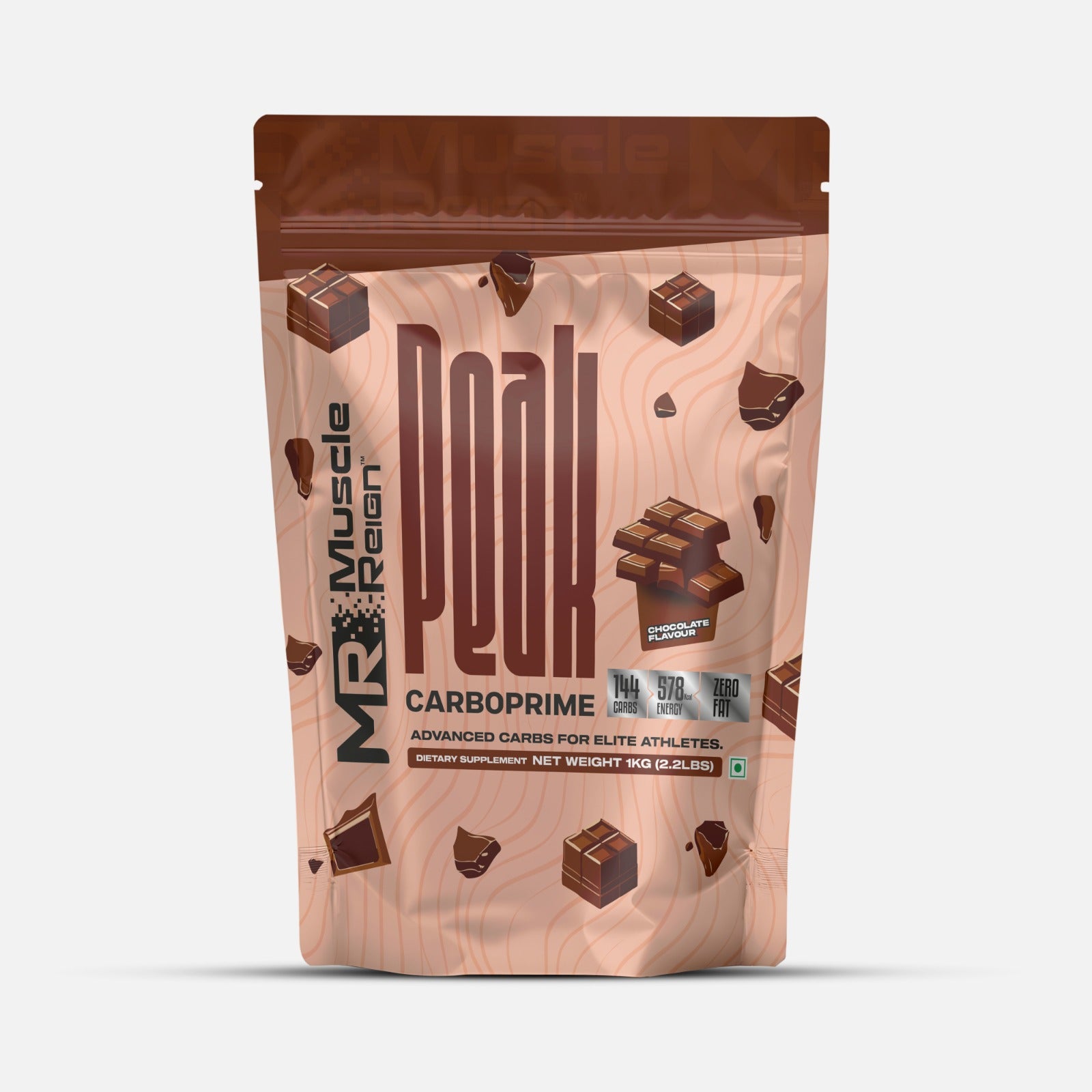
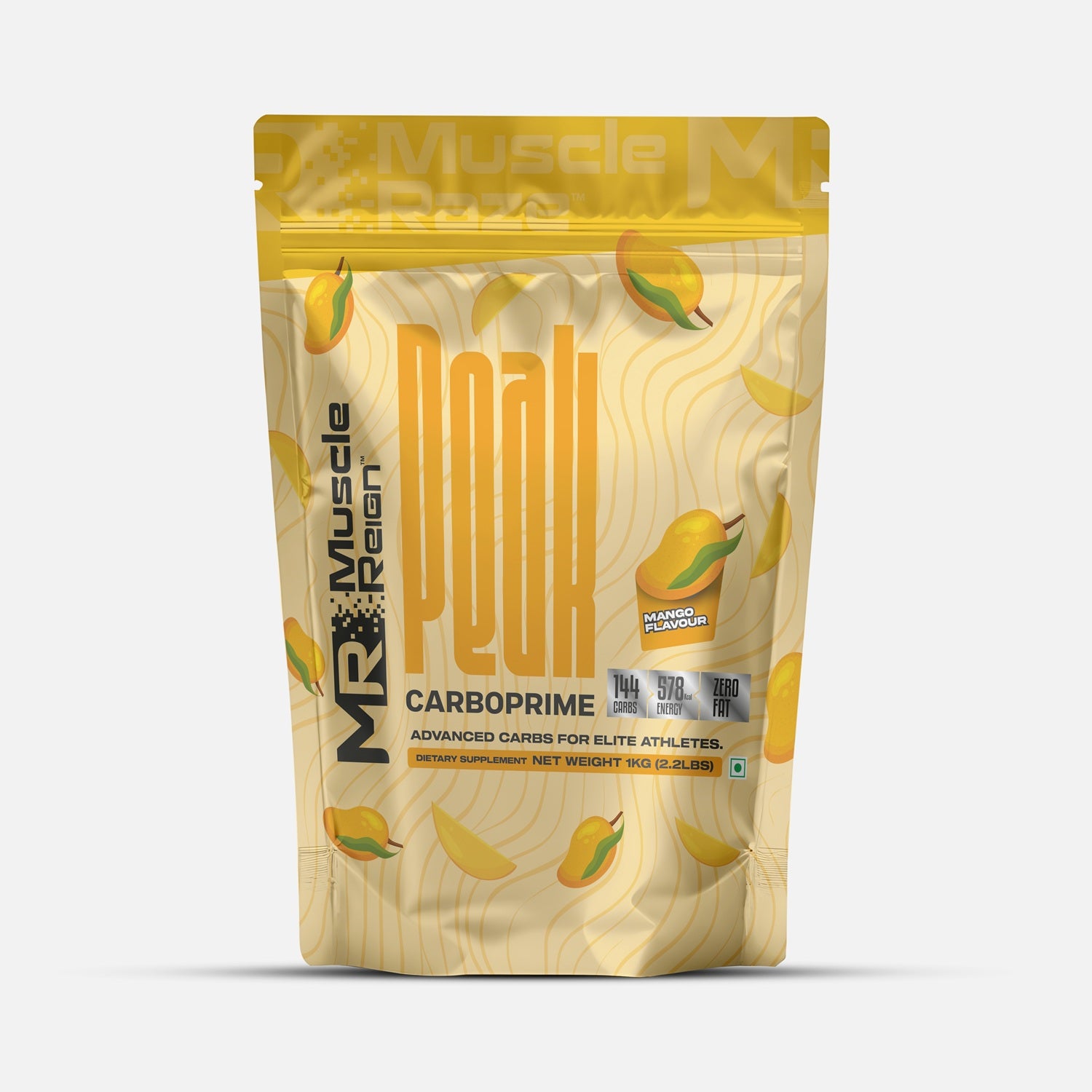
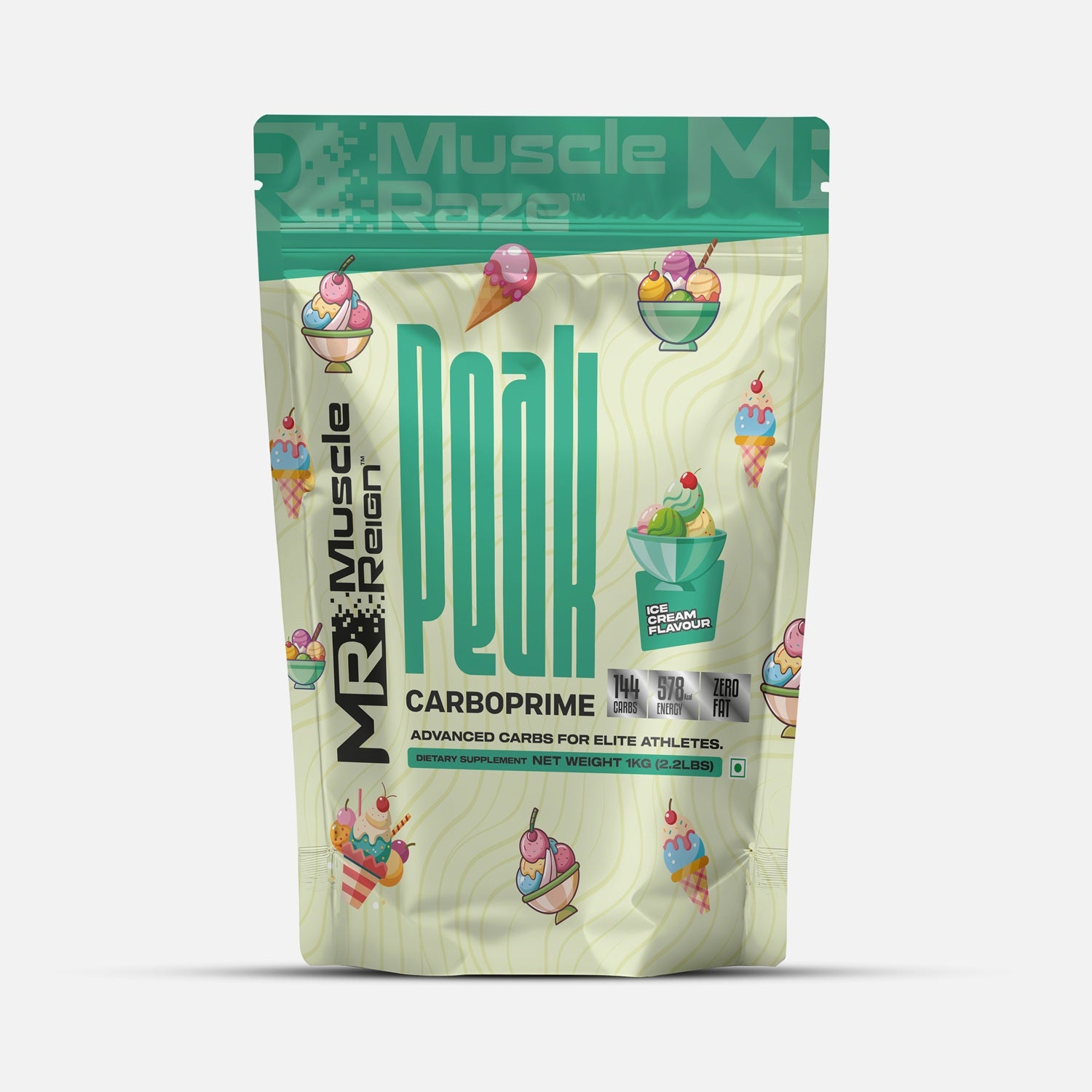
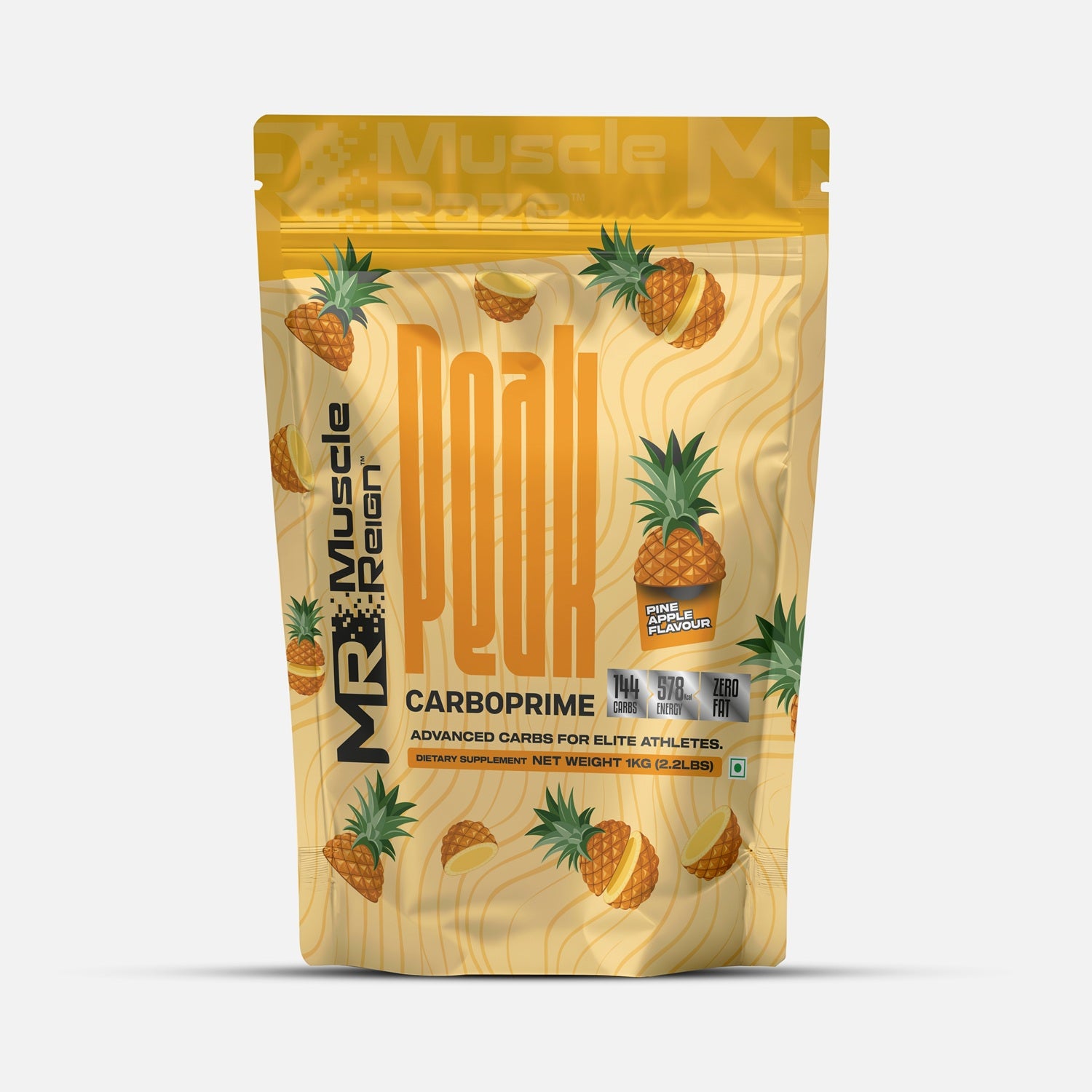
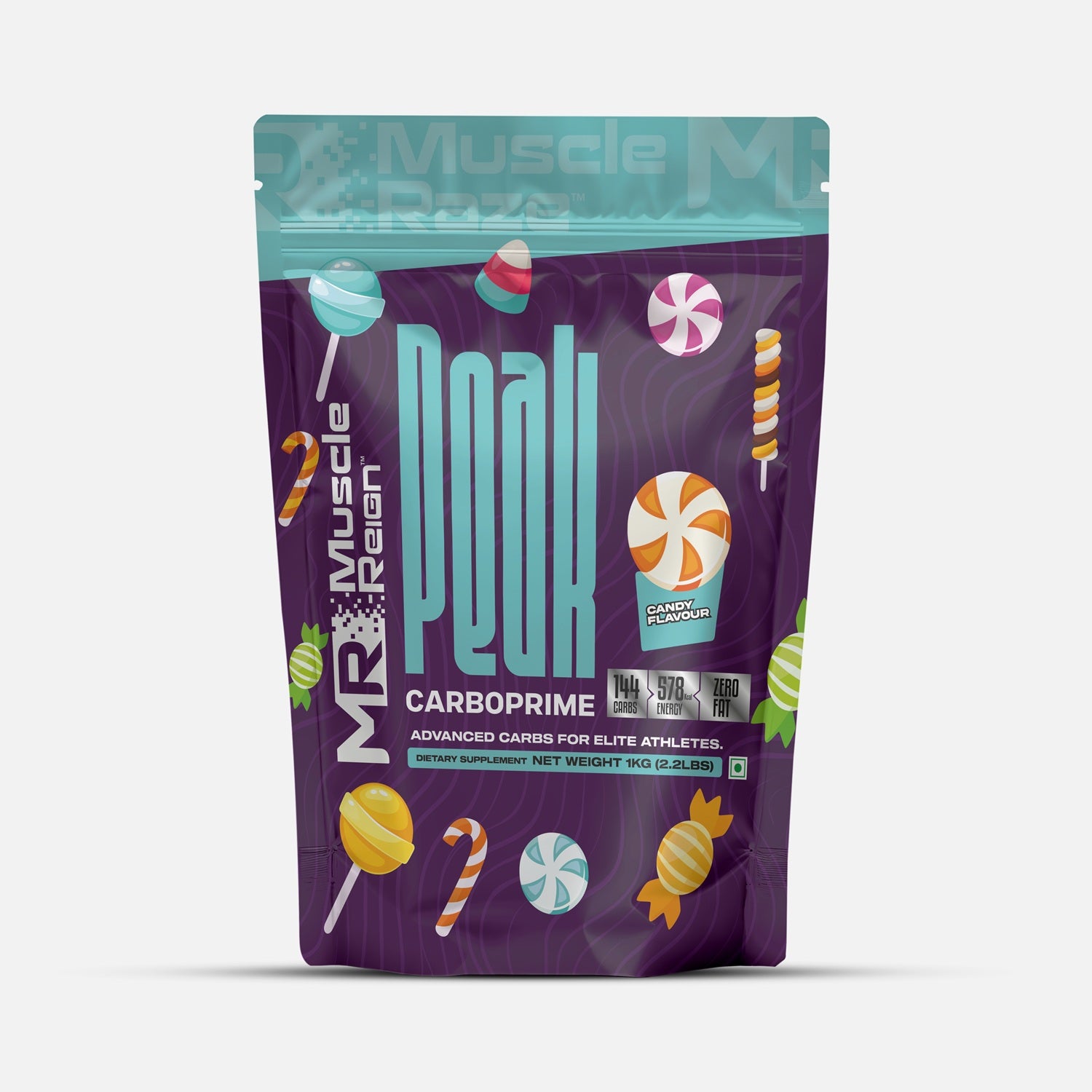
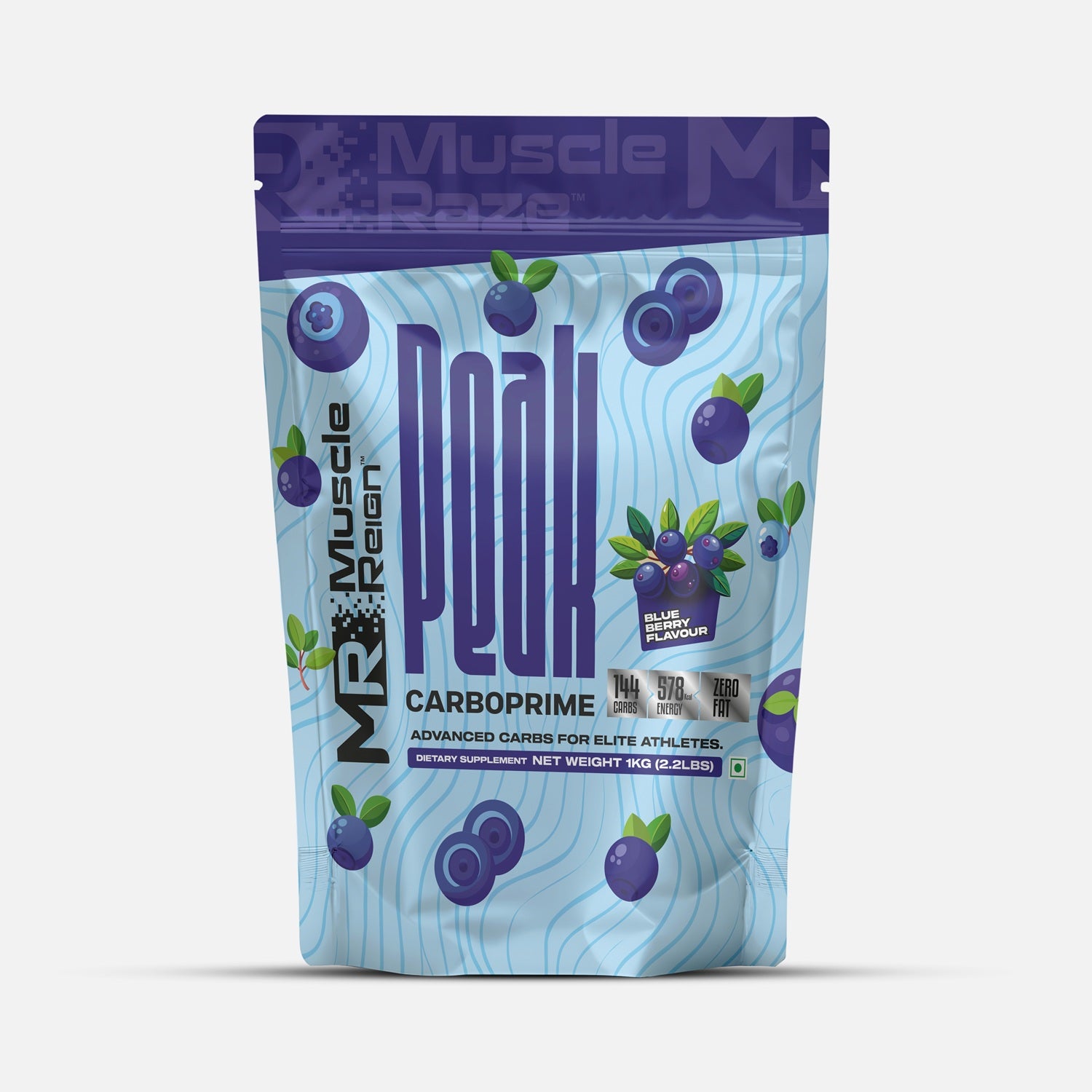
Once you've identified which gap is actually yours, the fix is usually specific rather than "buy a stronger pre-workout." For a glycogen or fuel gap, Carboprime taken 20-30 minutes before training tops up available carbohydrate for the exact window where pump-supporting fullness starts. For a hydration or electrolyte gap, EAA+Lyte or Crea+Lyte replace the sodium and potassium that plain water leaves out, which is often the missing piece for people who are "drinking enough" but still going flat.
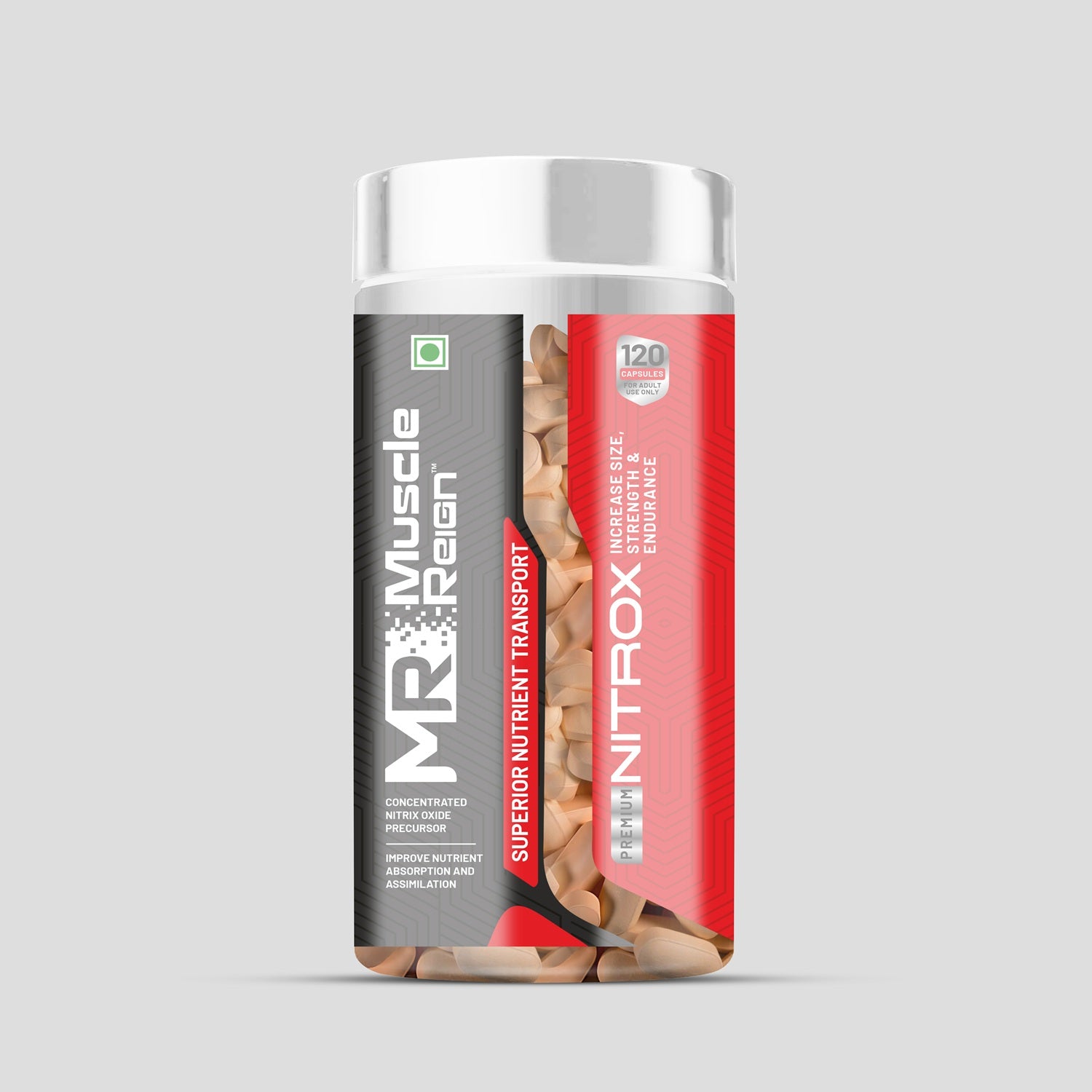
For the vasodilation side specifically, Nitro Pre 3.0 is formulated around blood-flow and pump-focused ingredients rather than pure stimulation, making it the more relevant choice if your issue is a weaker in-session pump rather than low energy. And for the steadier, all-day fullness that comes from consistent cell hydration, Creatine Monohydrate paired with adequate water intake remains one of the most reliable long-term contributors - not a quick fix, but a compounding one.
None of these replace correctly identifying the actual gap first. A pump problem caused by under-eating carbs won't be solved by a stronger pre-workout, and a pump problem caused by fatigue won't be solved by more electrolytes.
Common Mistakes People Make Chasing a Pump
- Buying a stronger stimulant pre-workout when the actual issue is carbohydrate or hydration status
- Hydrating with water only, missing the electrolyte half of the equation
- Assuming a flat pump means muscle loss, when it's almost always short-term and reversible
- Ignoring fatigue signals and pushing training volume up when the body actually needs a lighter week
- Cycling creatine on and off, disrupting the steady cell hydration that supports consistent fullness
Possible Considerations and When to See a Professional
A pump that stays consistently absent alongside declining strength, prolonged fatigue, or unexplained weight change over several weeks may reflect something beyond normal training variation - worth a conversation with a physician, particularly if accompanied by other symptoms. Persistent dehydration despite adequate fluid intake, or muscle cramping alongside a flat pump, also warrants medical attention rather than more supplementation.
Frequently Asked Questions
Why did my pump suddenly disappear even though I'm training the same way?
Most sudden pump loss traces back to reduced carbohydrate intake, mild dehydration, or an electrolyte gap in the last day or two - training itself doesn't usually need to change for the pump to change.
Does a flat pump mean I'm losing muscle?
Rarely. Muscle loss happens over weeks to months of reduced training or nutrition, not day to day. A flat pump is far more often a short-term fuel or hydration issue.
Why am I still not getting a pump even though I'm drinking a lot of water?
Water alone isn't always enough - you need the electrolytes that control where that water actually goes. Sodium and potassium intake alongside water usually resolves this. Uncle Gym
Does creatine help with pump?
Yes, though differently from a pre-workout pump - creatine pulls water into the muscle cell for a more consistent, longer-lasting fullness rather than the shorter blood-flow pump from vasodilating ingredients. BUBS Naturals
Can low carb intake really affect how my muscles look during training?
Yes - carbs are stored as glycogen, which pulls water into the muscle, so low-carb training often feels and looks flat even when strength is unaffected. Uncle Gym
Is it bad if my pump doesn't last after I leave the gym?
No. The blood-flow-driven part of a pump is expected to fade within roughly an hour regardless of how well your training went.
Can overtraining cause a flat pump?
Yes - accumulated fatigue and under-recovery can reduce training intensity and blood flow response, which shows up as a flatter pump before it shows up as reduced strength.
Should I take a pre-workout every session to maintain my pump?
Not necessarily. If your food, hydration, and recovery are consistent, many people maintain a solid pump without a stimulant pre-workout at all.
Does dehydration really make that much difference to how muscles look?
Yes, even mild dehydration can significantly reduce muscle fullness, which is why hydration status is one of the first things worth checking. Uncle Gym
How long does it take to get my pump back after fixing the issue?
Carbohydrate and hydration fixes often show a difference within the same session or the next one. Fatigue-related causes and creatine saturation take longer - typically one to a few weeks of consistency.
Is a bigger pump a sign of a more effective workout?
Not necessarily. Pump and muscle growth are related but distinct; a session that doesn't produce a dramatic pump can still be highly effective for building muscle.
What's the fastest single fix if I need my pump back for a specific session?
A carbohydrate-containing pre-workout meal or drink combined with adequate hydration in the hours beforehand is usually the quickest, most reliable fix.
The Honest Answer
A disappearing pump almost never means something is broken - it means one specific input changed, and your body is reflecting that change accurately. Carbs, hydration, electrolytes, recovery, and vasodilation support are the five places to look, in roughly that order of likelihood. Work through them systematically instead of reaching for a stronger stimulant, and the fullness usually comes back faster than the frustration did.
Ready to Bring the Pump Back?
Diagnose it first, fuel it second. Explore Muscle Reign's Carboprime, Nitro Pre 3.0, and Crea+Lyte at www.musclereign.com and give your training the specific support it's actually missing.