Walk into any gym in Delhi, Pune, or Hyderabad on a Monday evening and you'll hear the same conversation near the protein counter. Someone's tracking macros on MyFitnessPal, hitting 150 grams of protein a day, training five times a week - and still wondering why their physique looks identical to six months ago. The best way to build muscle in India isn't a mystery, but it's buried under advice that was never designed for how Indians actually eat, work, and recover.
The problem isn't effort. Anyone reading this far clearly has that. The problem is a system mismatch - a Western blueprint running on an Indian schedule, with Indian food, Indian stress, and a commute that quietly devours two hours of your recovery window every single day. Protein is one variable. It is not the whole equation.
What follows isn't another guide telling you to eat chicken and sleep eight hours. It's a hard look at why most people's muscle-building plans are structurally broken - and what a version built for your actual life looks like.
Myths Worth Dropping Right Now
MYTH You just need to eat more protein and the muscle will follow.
REALITY Beyond roughly 1.6 - 2.2 g per kg of bodyweight, additional protein contributes calories, not extra muscle. A 70 kg person maxes out the anabolic response somewhere between 112-154 g daily. Everything above that is metabolised for energy - at supplement prices.
MYTH You need to eat every 2-3 hours to stay anabolic.
REALITY Muscle protein synthesis is triggered by a leucine threshold, not meal frequency. Three to four solid protein meals hit the same anabolic ceiling as six smaller ones. Skipping your 11 AM snack is not destroying your gains.
MYTH Vegetarians simply can't build serious muscle.
REALITY Leucine - the amino acid that switches on muscle protein synthesis - is available in sufficient quantities from paneer, soy, lentils combined with dairy, and whey. The issue is volume and distribution across meals, not source. A well-structured vegetarian Indian diet is genuinely competitive.
MYTH Training fasted burns fat without costing muscle.
REALITY Fasted training spikes cortisol, which is catabolic. For most Indian professionals already managing work deadlines and family stress, adding training-induced cortisol without fuel is counterproductive. A light pre-workout meal consistently outperforms fasting for body composition in high-stress populations.
MYTH The post-workout anabolic window slams shut after 30 minutes.
REALITY The window is closer to 4-6 hours for most people. If you trained at 7 PM and had dinner by 9 PM, you have missed nothing. The urgency was marketing, not physiology.
What the Research Actually Shows
1. Weekly Volume Drives Hypertrophy - Not Any Single Session
A 2022 meta-analysis in the Journal of Strength and Conditioning Research reviewed 34 studies and found that total weekly set volume - not session intensity - was the dominant driver of muscle growth. Ten to twenty working sets per muscle group per week consistently outperformed higher-frequency, lower-volume approaches. For someone training four days a week, this means a moderate, repeatable volume sustained over months will always beat a punishing programme you abandon after six weeks.
2. Sleep Is Where Muscle Is Actually Built
A study published in the Journal of Clinical Endocrinology & Metabolism confirmed that growth hormone secretion peaks during slow-wave sleep, typically between 11 PM and 2 AM. Training tears tissue down. Sleep rebuilds it. In India, where late-night screens, back-to-back social obligations, and unpredictable work calls are daily reality, poor sleep is quietly destroying more muscle than poor nutrition ever could. Seven to nine hours is not a lifestyle choice - it is a physiological requirement for anyone serious about building muscle.
3. Protein Distribution Beats Protein Quantity
Research from the University of Toronto demonstrated that spreading protein evenly across three to four meals - each hitting the leucine threshold - produced 25% greater 24-hour muscle protein synthesis than the same total protein consumed unevenly. For typical Indian eating patterns, where dinner carries most of the protein load and breakfast is often chai and toast, this gap is enormous. Shifting even a fraction of that protein earlier - through a high-quality whey protein timed to your Indian diet schedule or a protein-anchored breakfast - restructures your entire anabolic environment.
The Range That Was Built for This Problem
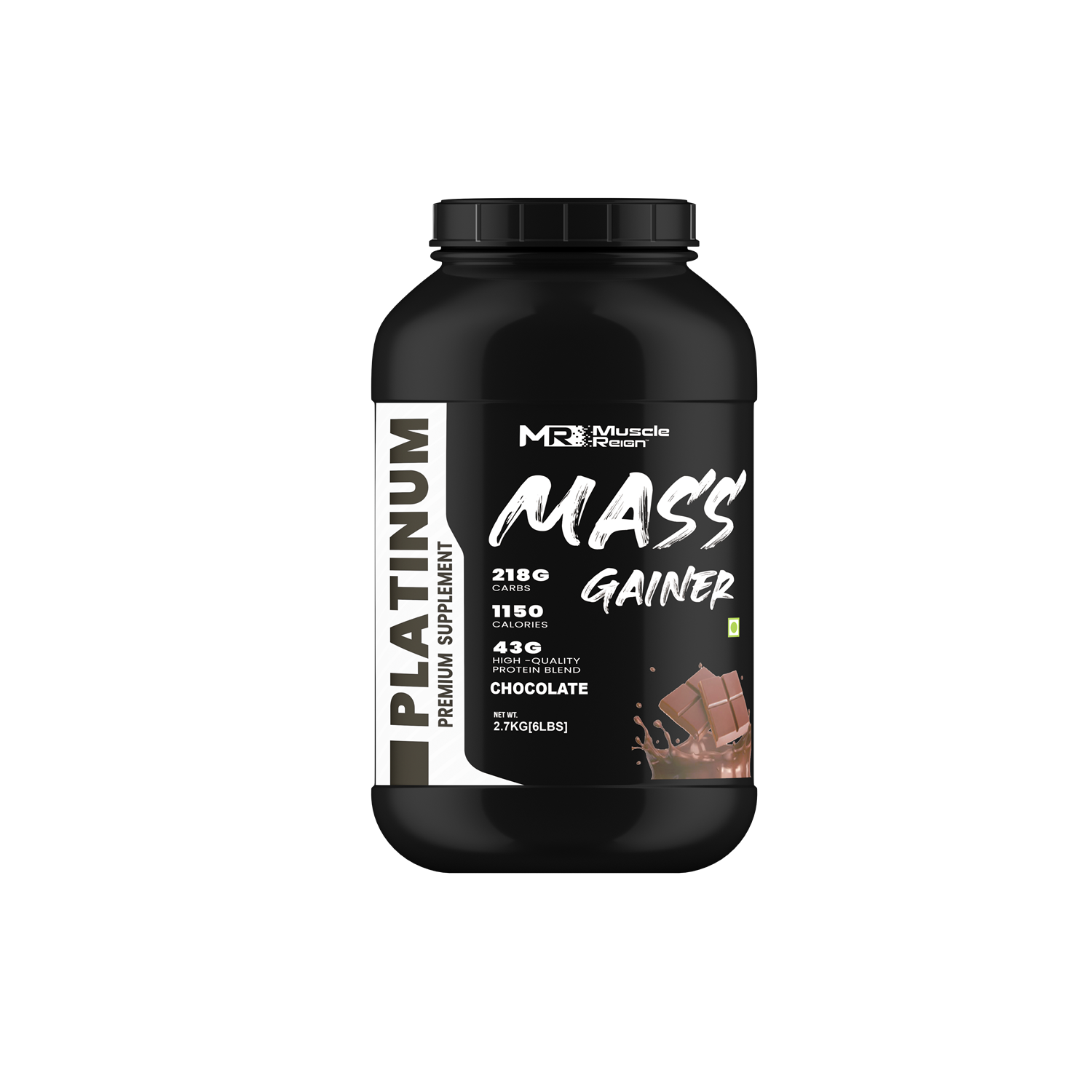
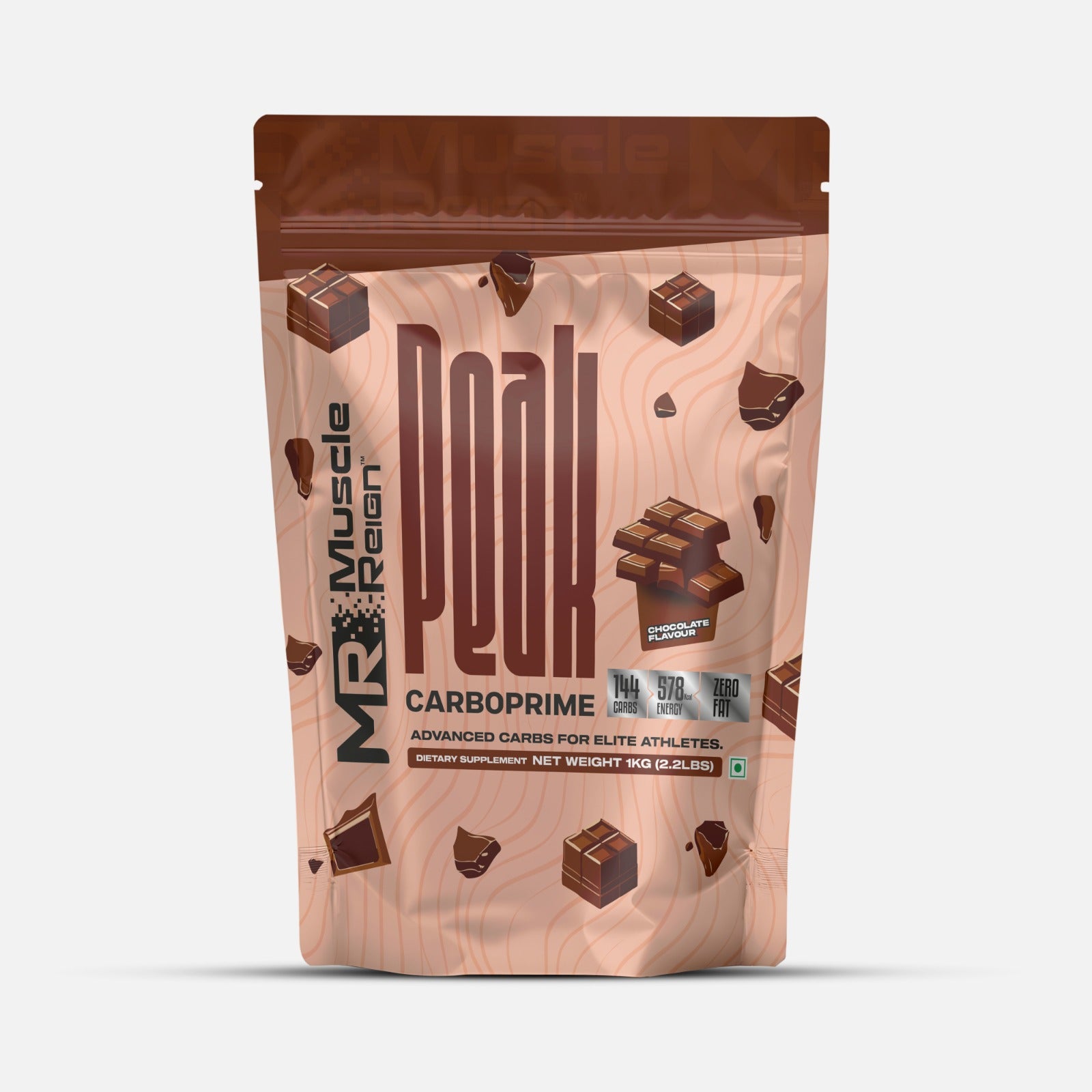
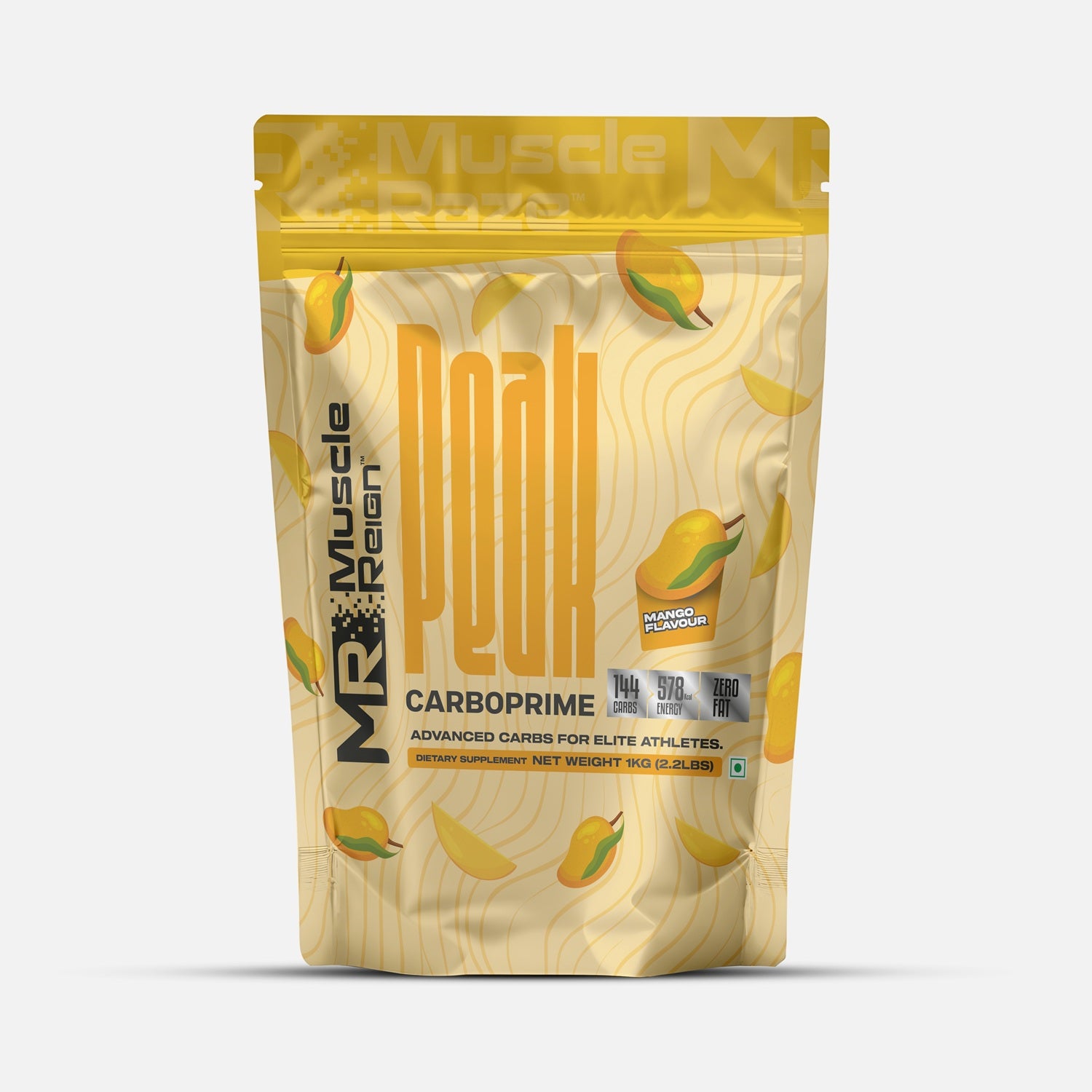
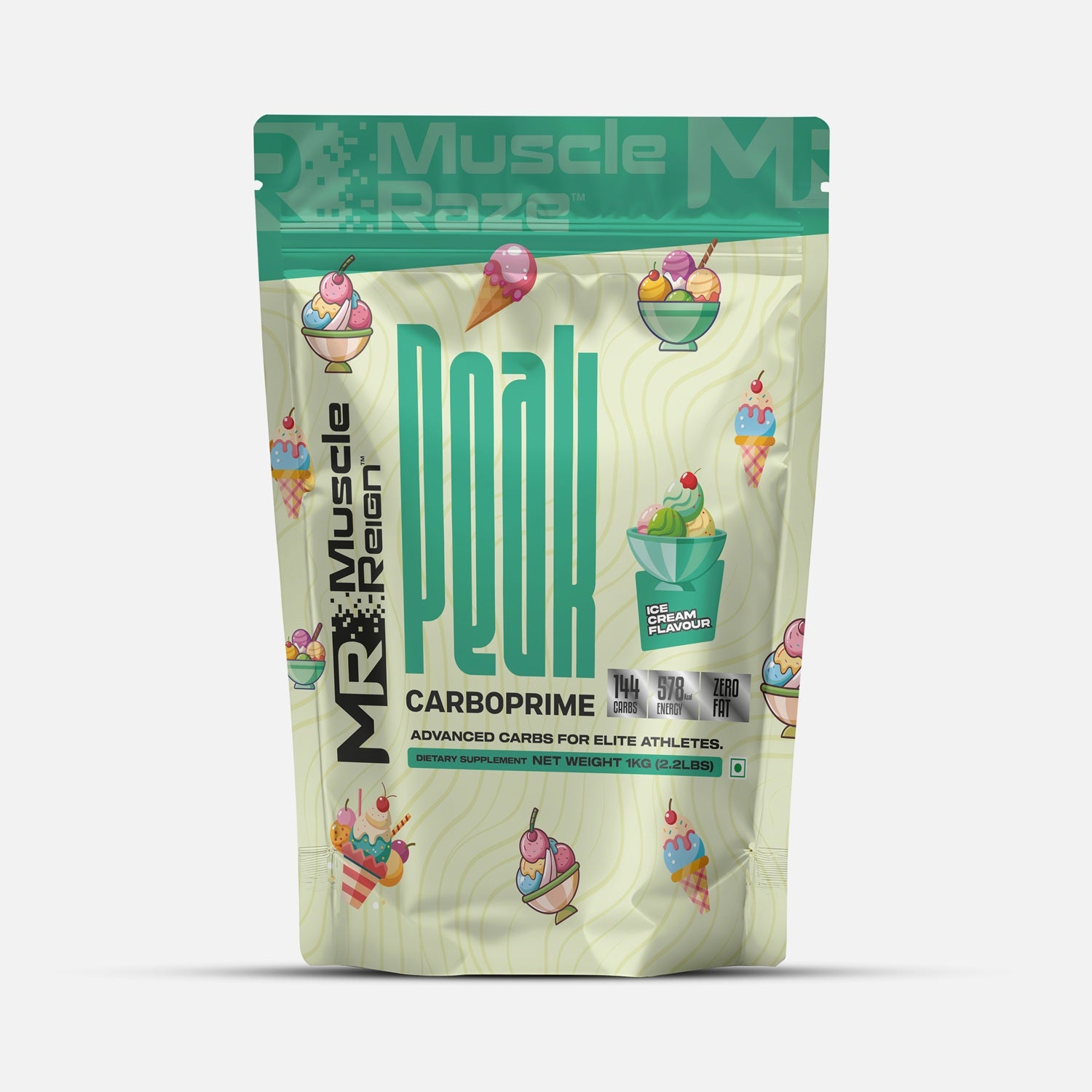
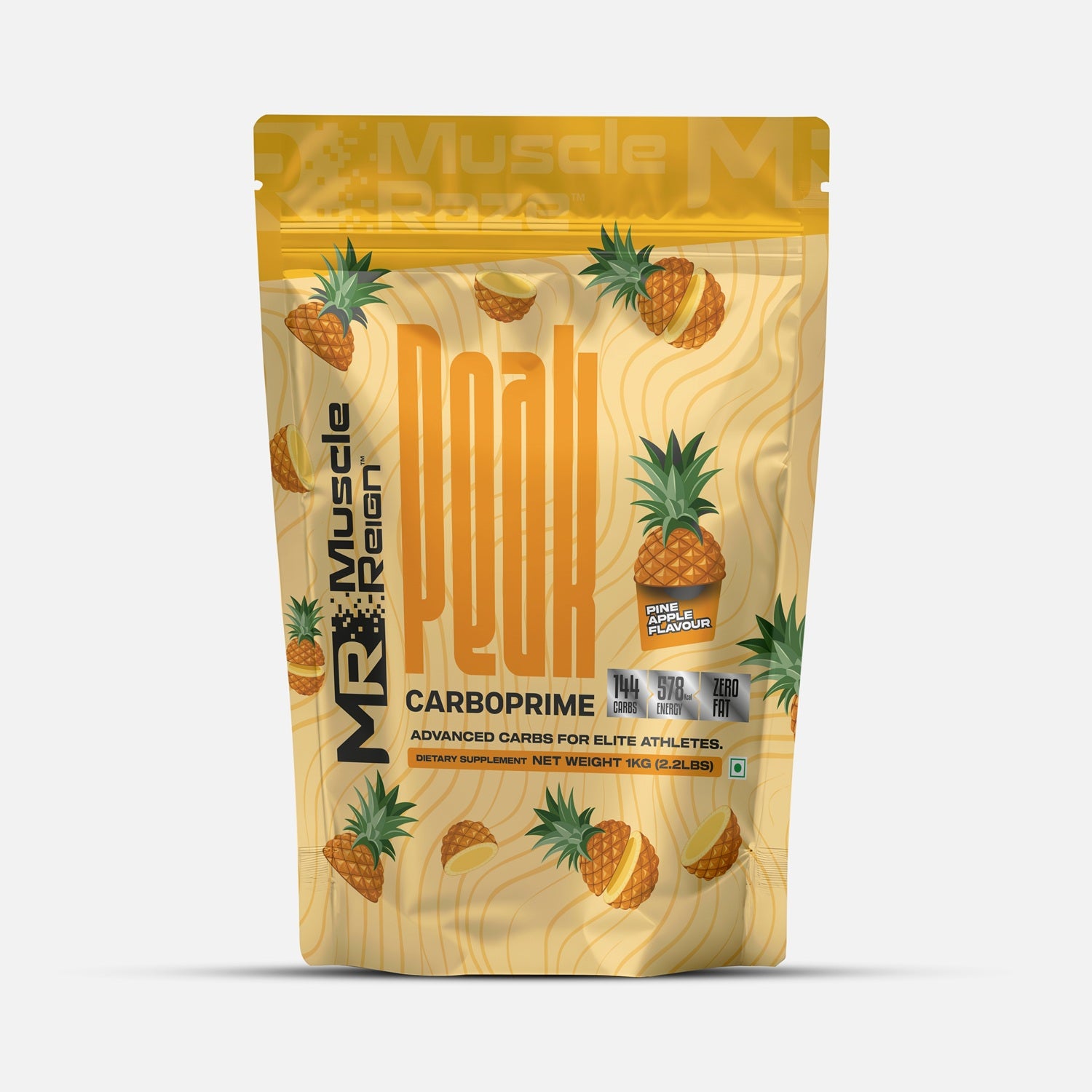
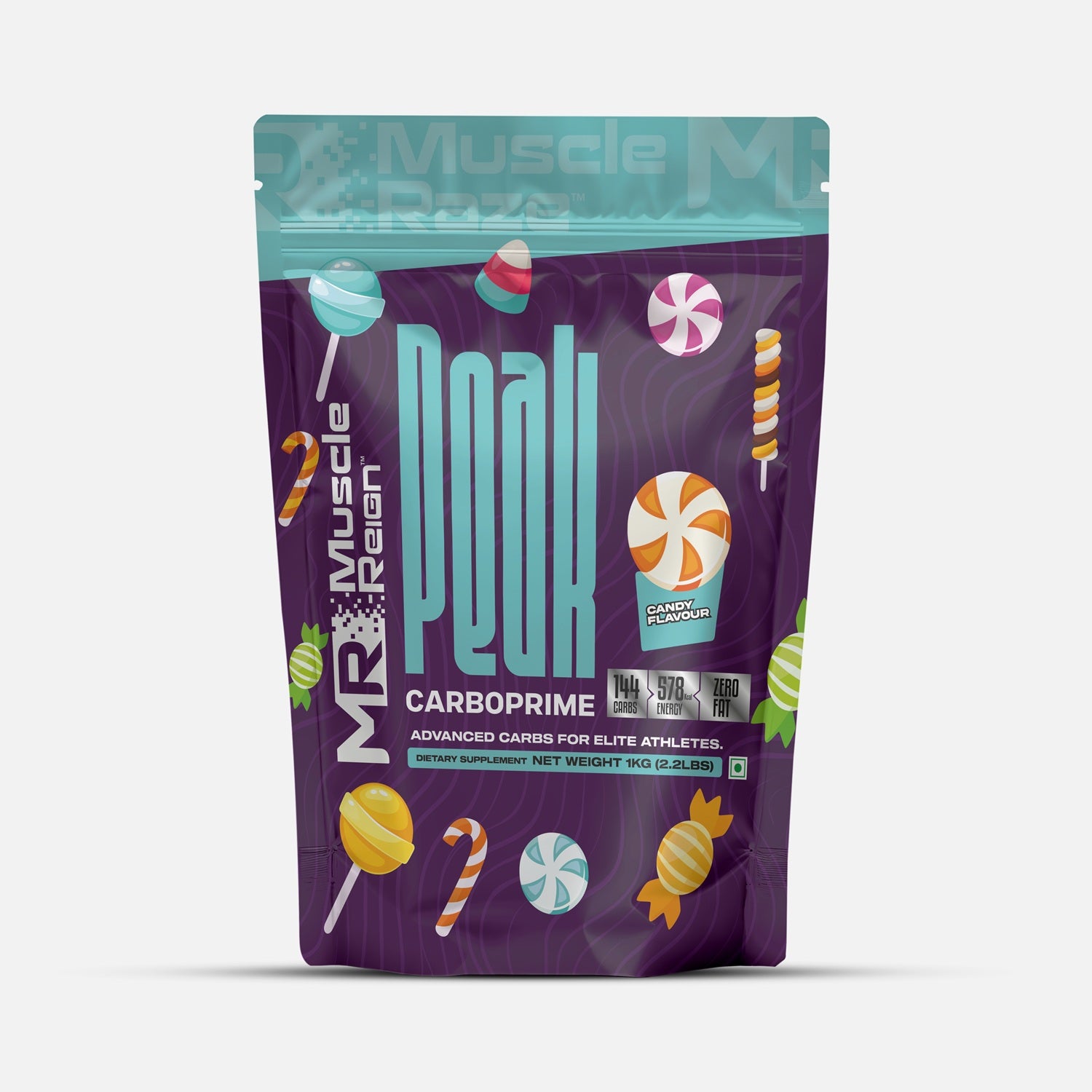
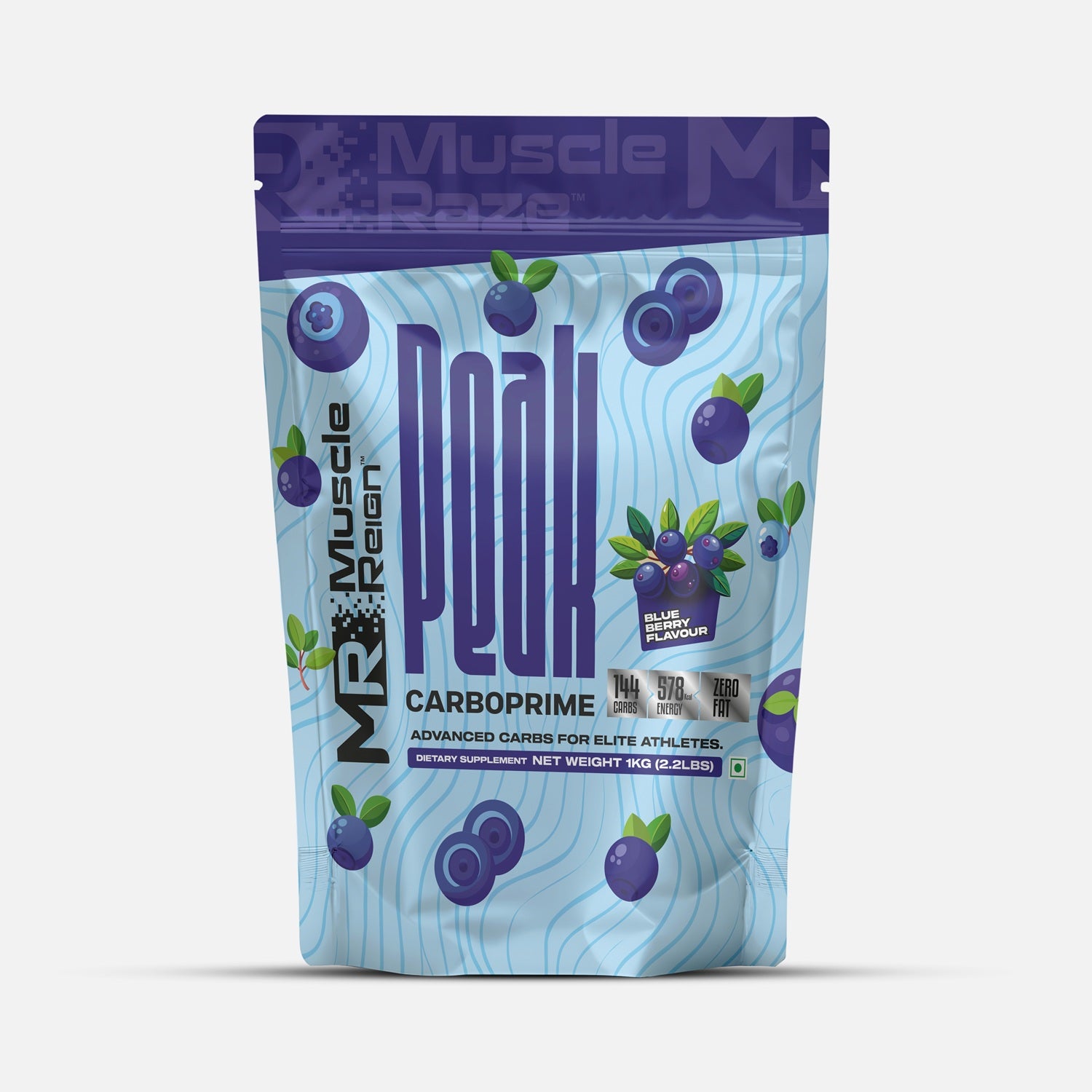
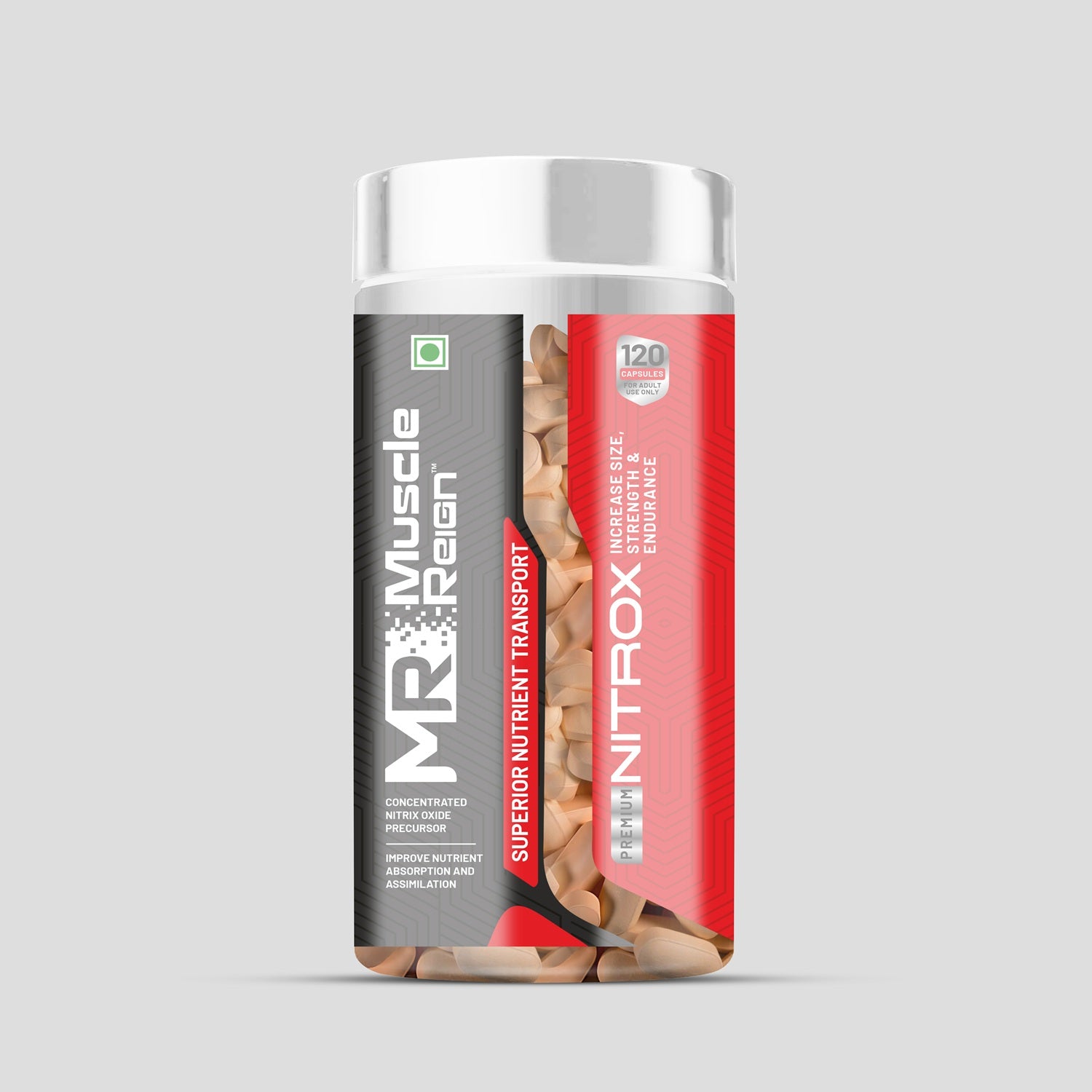
The structural issues outlined above - protein skewed toward dinner, disrupted recovery, a diet that's good but not optimised - are precisely what the Muscle Reign Peak Series addresses. This isn't a range that works only when everything else is perfect. It works because most people's days aren't.
The Peak Series Whey is a blend of whey concentrate and isolate that delivers a fast but sustained amino acid release. It is useful in the morning when you need that first leucine spike without a heavy meal, and equally useful post-workout when absorption speed genuinely matters. What makes it particularly relevant to an Indian context is the digestive enzyme matrix built into the formula. A significant portion of the Indian population has some degree of lactose sensitivity, and a protein powder that causes bloating after every serving is one you'll quietly stop using within a month. The enzyme matrix removes that friction.
Peak Series Creatine Monohydrate is the other side of this equation. Creatine is the most research-validated performance supplement in existence - over 500 clinical trials pointing to consistent improvements of 5-15% in strength output. The insider detail most people overlook: the benefit in an Indian context is especially strong for vegetarians, who carry naturally lower baseline muscle creatine stores due to minimal dietary intake from meat. If you're vegetarian and not using creatine, you're not supplementing - you're correcting a deficit that's been limiting you since before you started lifting.
Use the whey to anchor your morning and post-training protein. Use creatine daily - 3-5 g, consistency matters more than timing. Place both inside a structured eating pattern, not as substitutes for one.
The Honest Answer
Most people aren't failing to build muscle because they lack information. They're failing because their plan was designed for a lifestyle they don't actually have. An Indian body running on dal-chawal, a desk job, summer heat, disrupted sleep, and real-world stress needs a different architecture - not harder effort inside a broken structure. Get the architecture right first. The training, the nutrition, and the supplements will then do exactly what they promised.
Frequently Asked Questions
What is the best way to build muscle in India on a vegetarian diet?
Focus on high-leucine sources: paneer, soy chunks, Greek yoghurt, and whey protein. Vegetarians typically need to sit at the higher end of the protein range - 2.0-2.2 g per kg - because plant protein has slightly lower digestibility. Distributing this across three to four meals matters more than hitting a daily total occasionally.
How much protein do I actually need per day to build muscle?
For most active Indians, 1.6-2.2 g of protein per kilogram of bodyweight is the evidence-supported range. A 70 kg person needs roughly 112-154 g daily. Beyond this ceiling, the anabolic benefit plateaus. Consistency within the range beats occasionally exceeding it.
Does whey protein suit an Indian diet and digestion?
Yes - but the formulation matters. Whey concentrate contains more lactose and can cause bloating in lactose-sensitive individuals, which is common across India. A blended whey with a digestive enzyme matrix, like the Muscle Reign Peak Series Whey, addresses this directly and makes daily use genuinely comfortable.
Is it safe to take creatine in Indian summer heat?
Yes. The concern about creatine and dehydration has been studied and largely disproven. Creatine draws water into muscle cells, supporting cellular hydration. The key is drinking adequate water - 3-4 litres in summer conditions - which you should be doing regardless of supplementation.
Can I build muscle with home workouts, or do I need a gym?
You can build real muscle with progressive home training, but progressive overload is non-negotiable - you must consistently increase resistance, reps, or tempo. A bodyweight routine that stays the same difficulty every session will not produce ongoing hypertrophy. The principle is identical to gym training; only the equipment changes.
What is the best time to take whey protein for muscle gain in India?
Morning and post-workout are the two highest-value windows. Morning anchors the first protein spike of a day that typically starts with very little protein. Post-workout extends the elevated muscle protein synthesis from training. Hitting both consistently matters more than obsessing over the exact timing of either one.